
What I work with · Chronic Back Pain
Chronic back pain isn’t a life sentence
You have done the physical therapy. You have been adjusted. Somewhere in there was an injection, or a scan that found something and still didn’t explain why Tuesday is fine and Thursday isn’t. I get it. By the time most people reach this studio they have stopped expecting an answer and started managing around the pain instead. That is a reasonable response to what you’ve been offered. It isn’t the only option left.
Jamie Atlas, Personal Trainer & Rehab Specialist · 6× 5280 Top of the Town winner · 2× Denver A-List winner · 9NEWS fitness expert
“I was squatting at the gym when I felt a pop and my leg went numb”
— Kelly, 12 months of 8/10 back painYour results may vary.
 Play video: Client testimonial: Kelly, 12 months of back pain rated 8/10
 “After the car accident the hospital said I was fine but my back pain says otherwise”
— Dax, 5 days of 10/10 back painYour results may vary.
 Play video: Client testimonial: Dax, 5 days of back pain rated 10/10
 “Playing football has left me with constant back pain that I can't get rid of”
— Matthew, 7 weeks of 7/10 back painYour results may vary.
 Play video: Client testimonial: Matthew, 7 weeks of back pain rated 7/10
 “I went to Pilates to fix my back but it ended up making it worse”
— Colleen, 8 weeks of 7/10 back painYour results may vary.
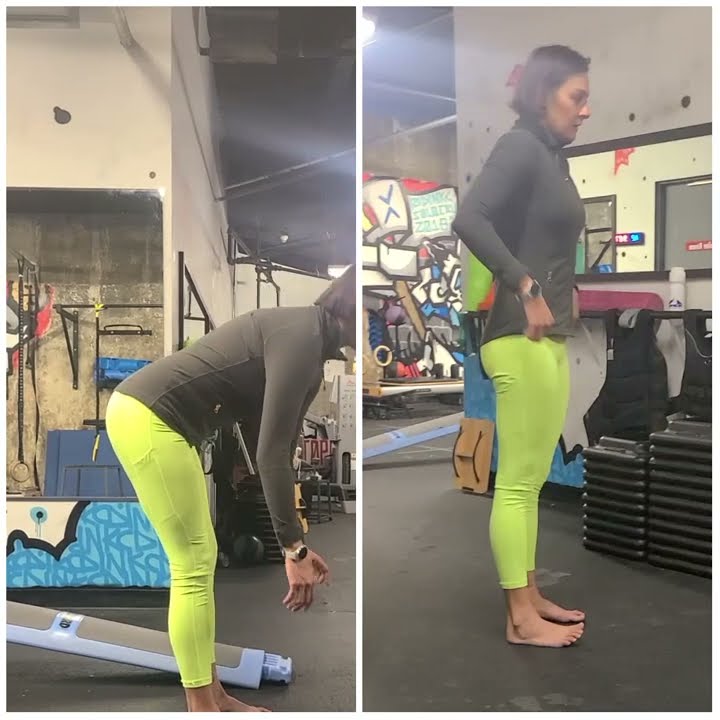 Play video: Client testimonial: Colleen, 8 weeks of back pain rated 7/10
 “I was thrown from a horse and couldn't bend over without pain”
— Katrina, 4 weeks of 6/10 back painYour results may vary.
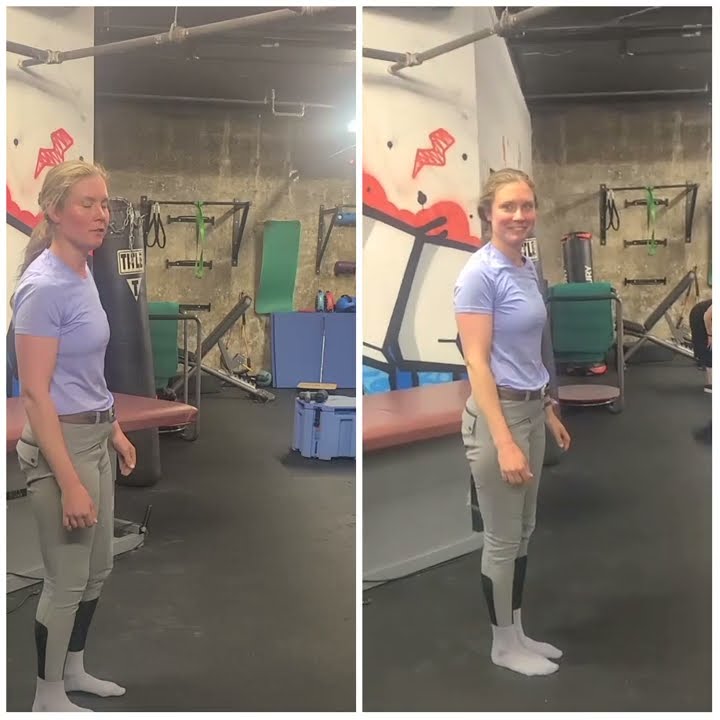 Play video: Client testimonial: Katrina, 4 weeks of back pain rated 6/10
 “This 9/10 back pain is stopping me from sleeping at night”
— Alexis, 2 months of 10/10 back painYour results may vary.
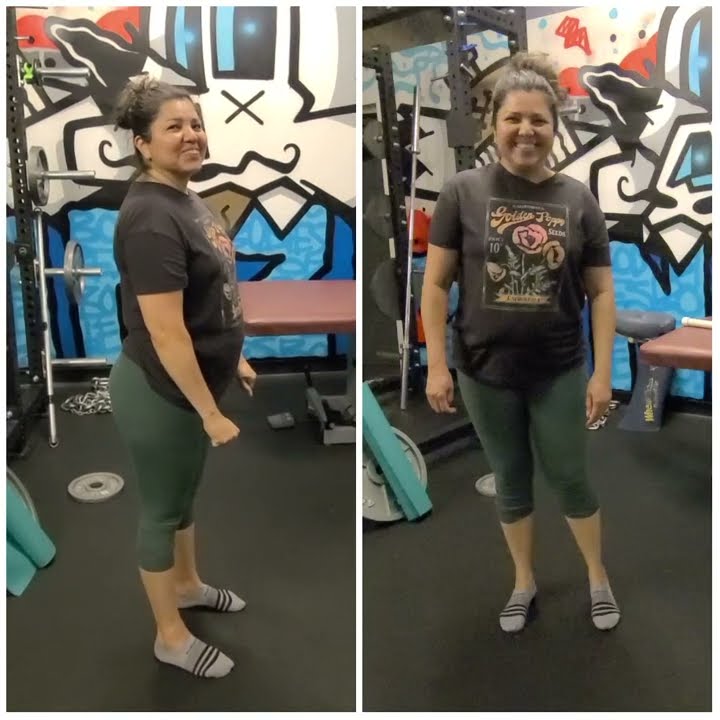 Play video: Client testimonial: Alexis, 2 months of back pain rated 10/10
 “My back pain is so bad I can't put on my shoes”
— Penelope, 5 weeks of 7/10 back painYour results may vary.
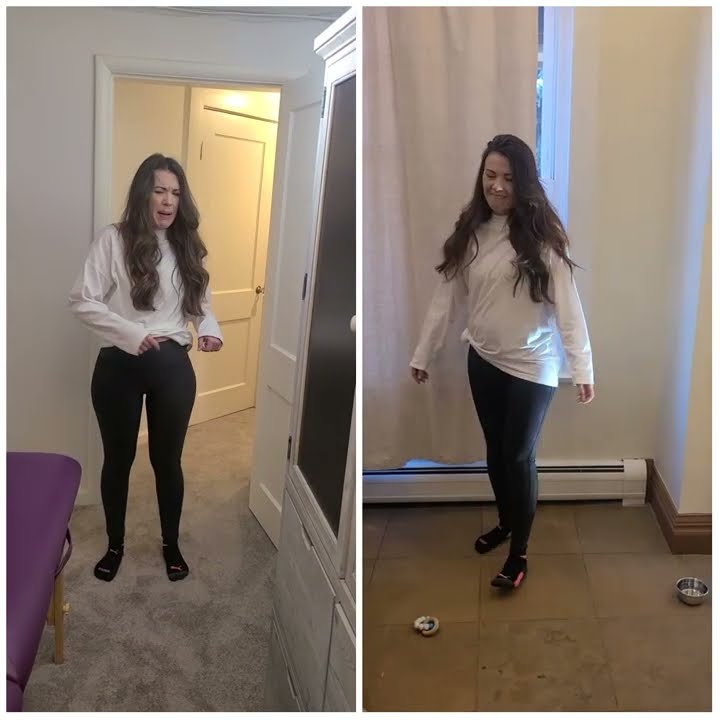 Play video: Client testimonial: Penelope, 5 weeks of back pain rated 7/10
 “Living with back pain has me living at a 7/10 pain that I can't find relief from”
— Chris, 8 weeks of 7/10 back painYour results may vary.
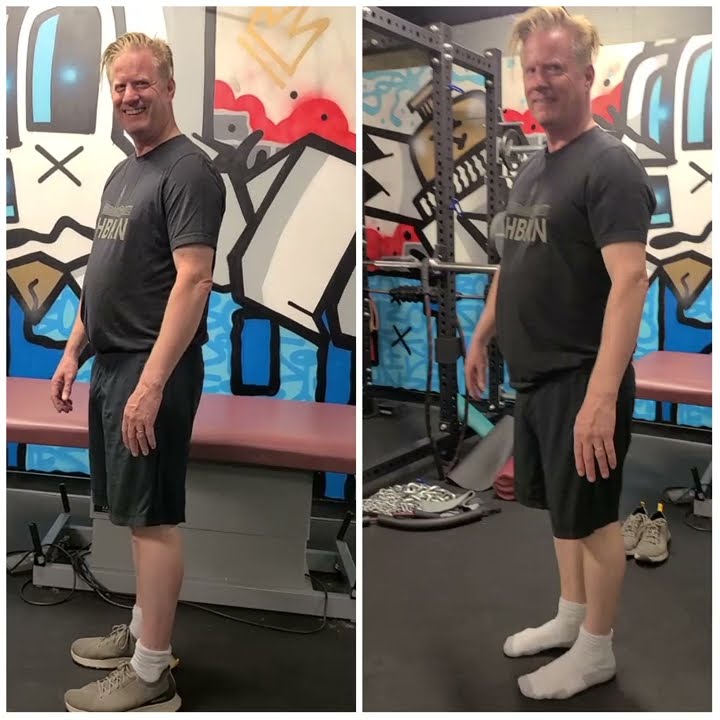 Play video: Client testimonial: Chris, 8 weeks of back pain rated 7/10
 Why hasn’t any of it held?
Everything you tried was aimed at the place that hurts. The place that hurts is the symptom, not the engine.
Massage it, adjust it, inject it, brace it, strengthen the core. Every one of those turns the volume down for a while, and every one of them approaches your back as a piece of failing hardware. After three months, that is rarely what is going on.
A back that keeps flaring is a web, and the tissue is one strand of it:
- how much load your back and hips can tolerate right now
- how you brace, guard and hold your breath when you bend
- sleep, stress, and the weeks when both go at once
- the movements you stopped making a year ago without noticing
- what you believe is happening in there when it grabs
Pull one strand and the web hands the pain straight back. That is not a failure of the treatments you tried. It is what happens when one thread gets worked on its own.
What’s the method?
It is the thing that works on the whole web: Cognitive Functional Therapy combined with a method known as Applied Functional Science, a system that identifies when the symptom and the cause of the pain are in different places, and how to use the whole body to create a different outcome than traditional methods.
It is not fringe; the trial evidence behind CFT is on the method page.
What it looks like in the room is less dramatic than it sounds. We make sense of your pain story together, properly, not as a formality. I look at the whole body, not just the sore spot, to find where the problem is being driven from. Then we go back into the movements you have been avoiding, bending, lifting, sitting, whatever yours are, in doses your system can accept. Then I make you strong there, because that is what makes the change stay.
My scan showed a disc bulge.
So do the scans of enormous numbers of people who have no back pain at all, at rates that climb steadily with age. It shows up on a scan the way grey hair shows up in a mirror.
That does not make your pain imaginary and it does not make the scan useless. It means finding a bulge doesn’t tell us it is causing your pain, and it doesn’t predict how well you will do. A small number of presentations do need a physician first, and I screen for those. If yours is one, I will say so plainly.
The plan gets built around what your back can do and relearn. Not around a picture of it.
Common questions
How is this different from the physical therapy I had?
Sessions are 60 minutes or 30, one-on-one, not a rushed insurance slot. The approach targets the pain system rather than just the tissue, and the endpoint is your sport and your life, not discharge paperwork. I am a personal trainer with rehab training, not a physical therapist, and nothing here goes through insurance.
Is it safe to move if it hurts?
Hurt and harm are not the same thing in persistent pain. Part of the first sessions is showing you, in real time, how much your pain can change with strategy, which is usually the moment people stop being afraid of it.
How many sessions will I need?
Most clients need 6–8 sessions. Chronic, complex cases can take longer, and I’ll tell you plainly which one you are after the first assessment.
Why can it change this fast?
Pain is produced by your nervous system, not simply reported by your tissues. When pain outlasts healing, what usually keeps it going is a protection response — guarding, avoiding certain movements, a system that has learned to read ordinary load as danger. That's a learned pattern, and patterns can shift quickly when you give the system genuinely new information. Fast change proves the pain is changeable. Making it hold is the work that follows, and for most people that's six to eight sessions.
Once the pain settles, what then?
Getting out of pain is the first half. Most people then discover the thing they wanted was to get back to something: the bike, the trail, the barbell, a full day on their feet without bracing for it. That rebuild is training, with the back in the program rather than around it, and it is most of what I do.
Read more
Related to this
- The evidence-based approach most providers don’t know
What Cognitive Functional Therapy is, the Lancet RESTORE evidence behind it, and how it combines with Applied Functional Science in practice. One of a handful of practitioners in Colorado.
- Sciatica that hasn’t responded to the usual treatments
Radicular leg pain that didn’t respond to chiropractic, epidurals or short-course physical therapy. Graded loading and strength work for persistent sciatica in downtown Denver.
Find out if this is your way out
A 30-minute assessment, $57: your story, my plain read on whether I can help, and one change you can measure before you leave.
Not in pain, just want to train hard without getting hurt? That's most of what I do →
Book a 30-minute assessmentOr call (720) 257-9328 · See how it works