
What I work with · Cognitive Functional Therapy and AFS
The evidence-based approach most providers don’t know
If you have already read the other pages on this site, this is the method underneath all of them: Cognitive Functional Therapy combined with a method known as Applied Functional Science, a system that identifies when the symptom and the cause of the pain are in different places, and how to use the whole body to create a different outcome than traditional methods. CFT works on the whole system that produces your pain, not the tissue that stopped being the story months ago: the beliefs, the guarding, the movements you dropped without noticing, the sleep and the stress that turn the volume up. It is the approach validated in the 2023 Lancet RESTORE trial, and I am one of a handful of practitioners in Colorado trained in it.
Jamie Atlas, Personal Trainer & Rehab Specialist · 6× 5280 Top of the Town winner · 2× Denver A-List winner · 9NEWS fitness expert
“I picked up my daughter and my neck went numb”
— Monique, 4 weeks of 7/10 neck painYour results may vary.
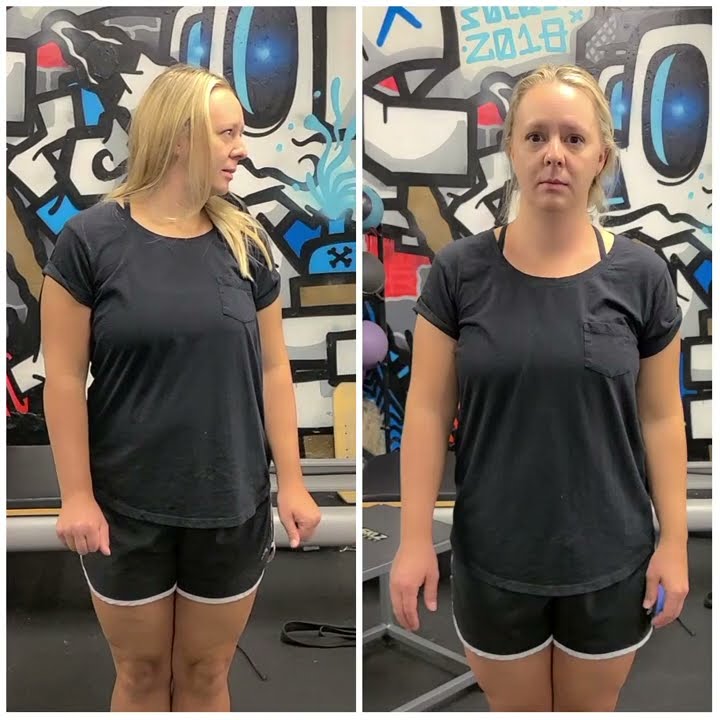 Play video: Client testimonial: Monique, 4 weeks of neck pain rated 7/10
 “I tried a new move in yoga. I woke up the next morning and couldn't move my neck”
— Danielle, 6 weeks of 7/10 neck painYour results may vary.
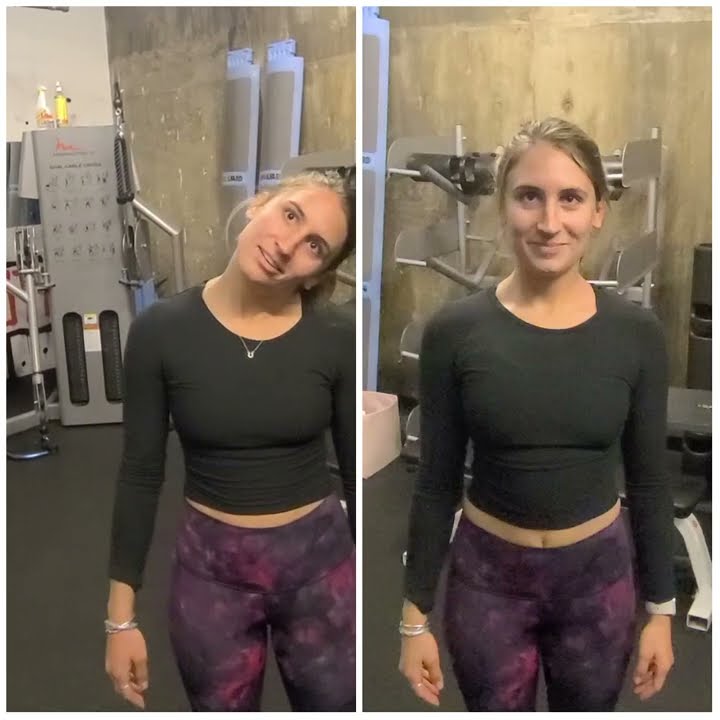 Play video: Client testimonial: Danielle, 6 weeks of neck pain rated 7/10
 “After 3 years I didn't think anyone could help me fix my neck”
— Sandy, 3 years of 8/10 neck painYour results may vary.
 Play video: Client testimonial: Sandy, 3 years of neck pain rated 8/10
 “My office job means my neck is in constant pain, nothing seems to help”
— Natasha, 4 weeks of 7/10 neck painYour results may vary.
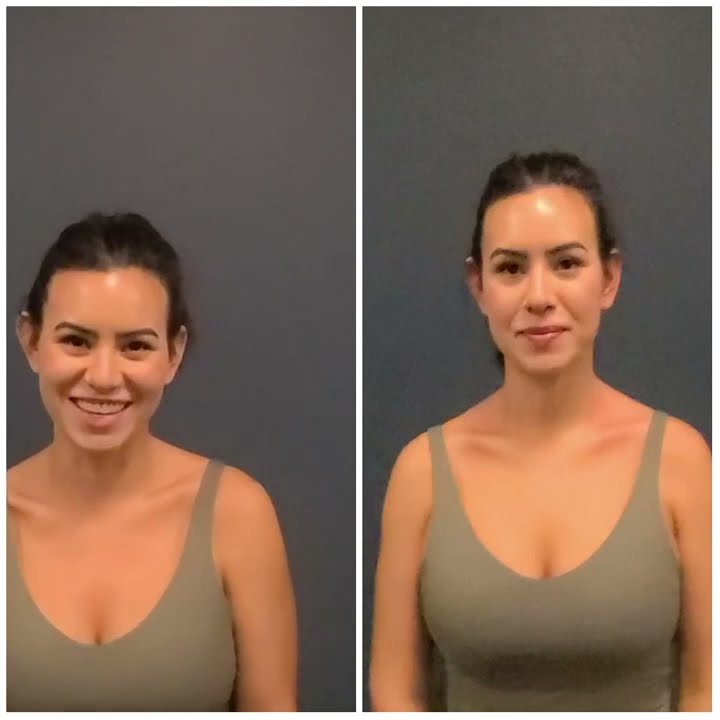 Play video: Client testimonial: Natasha, 4 weeks of neck pain rated 7/10
 “It's too hard to get in shape when I've had knee pain ever since I can remember”
— Cindy, a lifetime of 6/10 knee painYour results may vary.
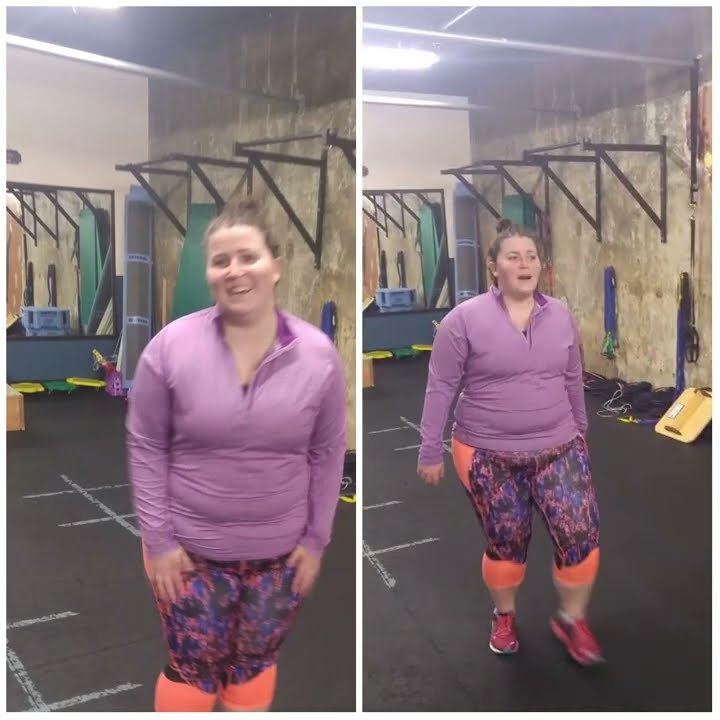 Play video: Client testimonial: Cindy, a lifetime of knee pain rated 6/10
 “I tore my ACL in an MMA match and haven't been able to train since”
— Meghan, 4/10 knee pain after an ACL tearYour results may vary.
 Play video: Client testimonial: Meghan, knee pain after an ACL tear, 4 out of 10 down to 0
 “After my fall my knee was in pain and I couldn't stand on one leg”
— Brad, 6 months of 6/10 knee painYour results may vary.
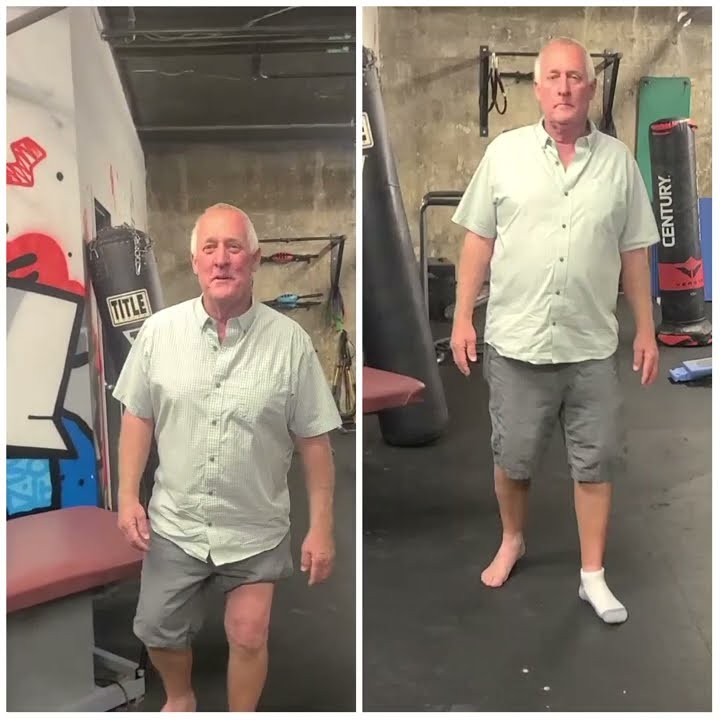 Play video: Client testimonial: Brad, 6 months of knee pain rated 6/10
 “I got surgery on my shoulder 2 years ago and have been getting rolfing and PT”
— Samantha, 5 years of 7/10 shoulder painYour results may vary.
 Play video: Client testimonial: Samantha, 5 years of shoulder pain rated 7/10
 “My shoulder numbness and tingling was so bad I drove 2 hours to see Jamie Atlas”
— Heather, 6 weeks of 10/10 shoulder nerve painYour results may vary.
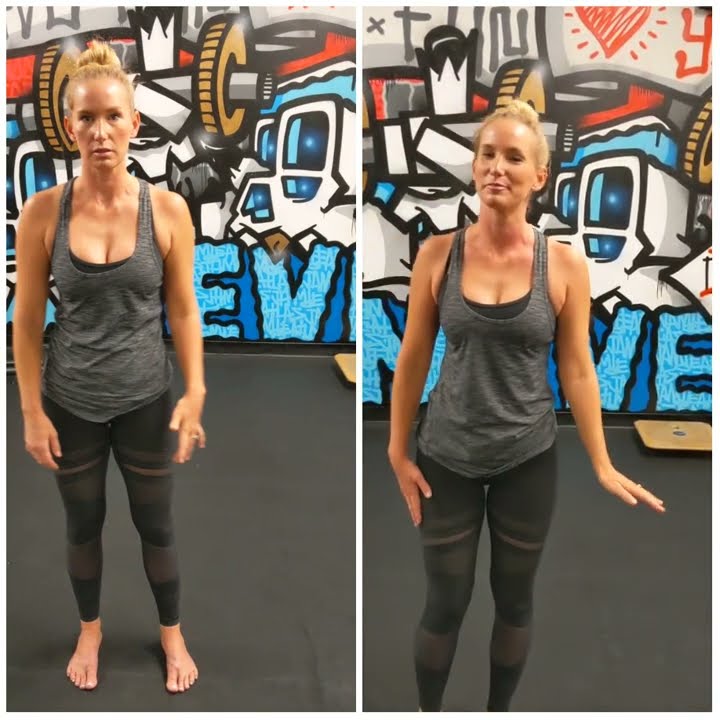 Play video: Client testimonial: Heather, 6 weeks of shoulder nerve pain rated 10/10
 “I've been in physical therapy for 6 months and I'm stalled on my results”
— Judy, 6 months of 10/10 shoulder painYour results may vary.
 Play video: Client testimonial: Judy, 6 months of shoulder pain rated 10/10
 “My shoulder pain meant I couldn't take my shirt on or off without hurting”
— Sharon, 4 months of 6/10 shoulder painYour results may vary.
 Play video: Client testimonial: Sharon, 4 months of shoulder pain rated 6/10
 “3 surgeries over 10 years and I still can't get my shoulder above my head”
— Clay, 10 years of 7/10 shoulder painYour results may vary.
 Play video: Client testimonial: Clay, 10 years of shoulder pain rated 7/10
 “Taking my dog for a walk he pulled on my shoulder and now it hurts to move”
— Kendall, 2 weeks of 6/10 shoulder painYour results may vary.
 Play video: Client testimonial: Kendall, 2 weeks of shoulder pain rated 6/10
 “I was squatting at the gym when I felt a pop and my leg went numb”
— Kelly, 12 months of 8/10 back painYour results may vary.
 Play video: Client testimonial: Kelly, 12 months of back pain rated 8/10
 “After the car accident the hospital said I was fine but my back pain says otherwise”
— Dax, 5 days of 10/10 back painYour results may vary.
 Play video: Client testimonial: Dax, 5 days of back pain rated 10/10
 “Playing football has left me with constant back pain that I can't get rid of”
— Matthew, 7 weeks of 7/10 back painYour results may vary.
 Play video: Client testimonial: Matthew, 7 weeks of back pain rated 7/10
 “I went to Pilates to fix my back but it ended up making it worse”
— Colleen, 8 weeks of 7/10 back painYour results may vary.
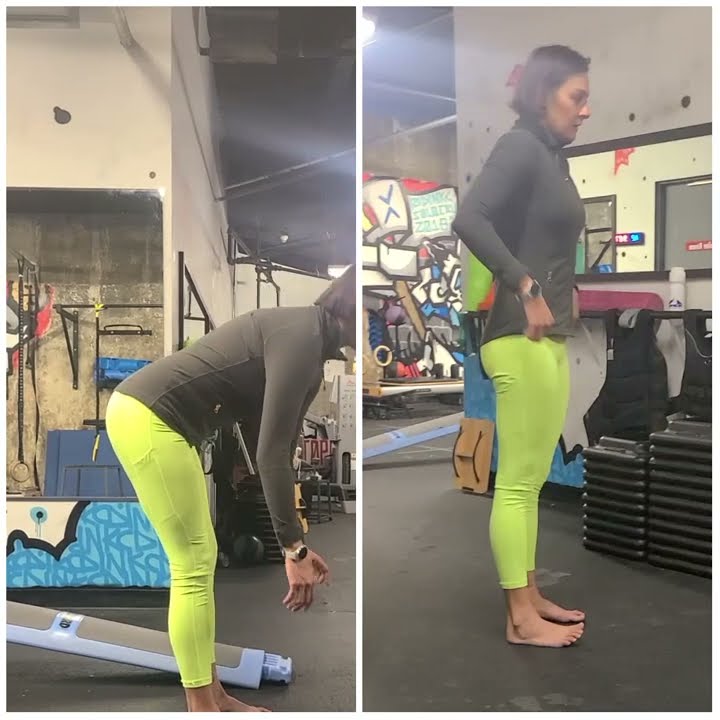 Play video: Client testimonial: Colleen, 8 weeks of back pain rated 7/10
 “I was thrown from a horse and couldn't bend over without pain”
— Katrina, 4 weeks of 6/10 back painYour results may vary.
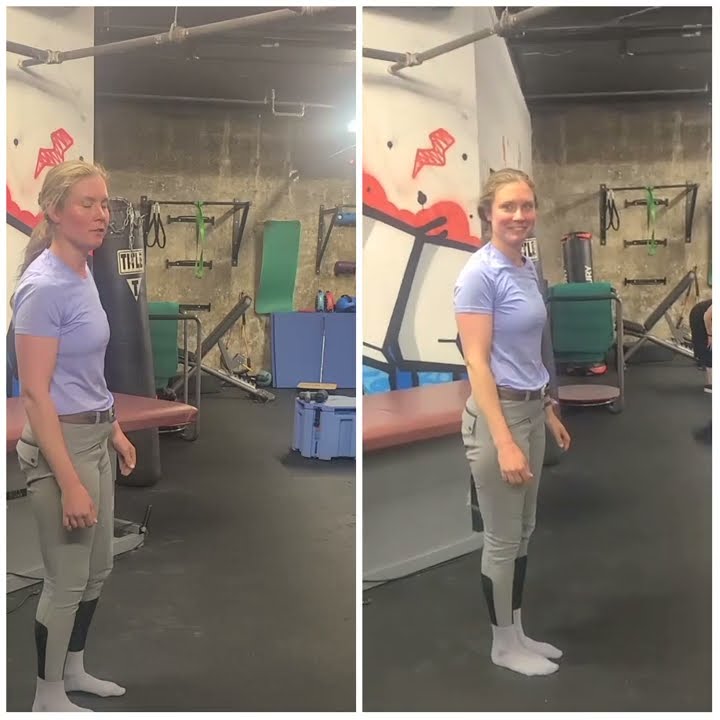 Play video: Client testimonial: Katrina, 4 weeks of back pain rated 6/10
 “This 9/10 back pain is stopping me from sleeping at night”
— Alexis, 2 months of 10/10 back painYour results may vary.
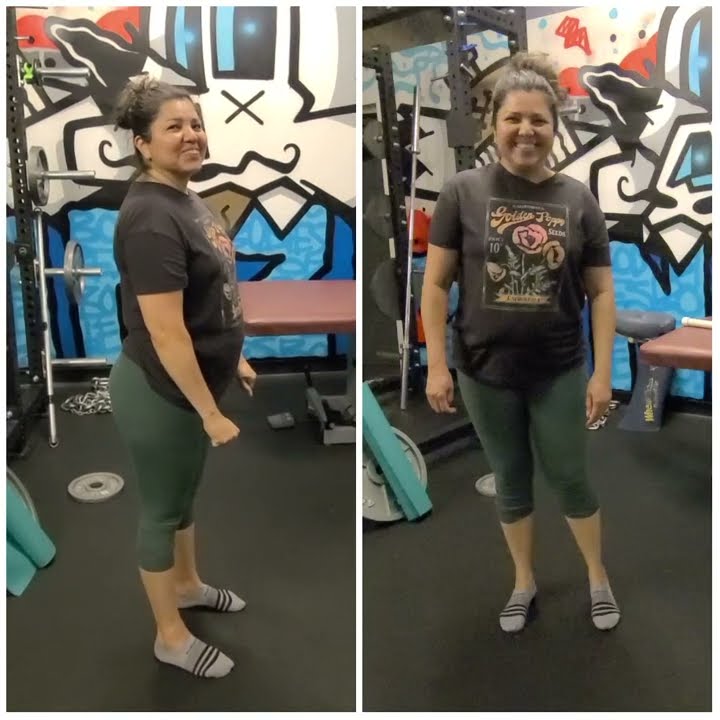 Play video: Client testimonial: Alexis, 2 months of back pain rated 10/10
 “My back pain is so bad I can't put on my shoes”
— Penelope, 5 weeks of 7/10 back painYour results may vary.
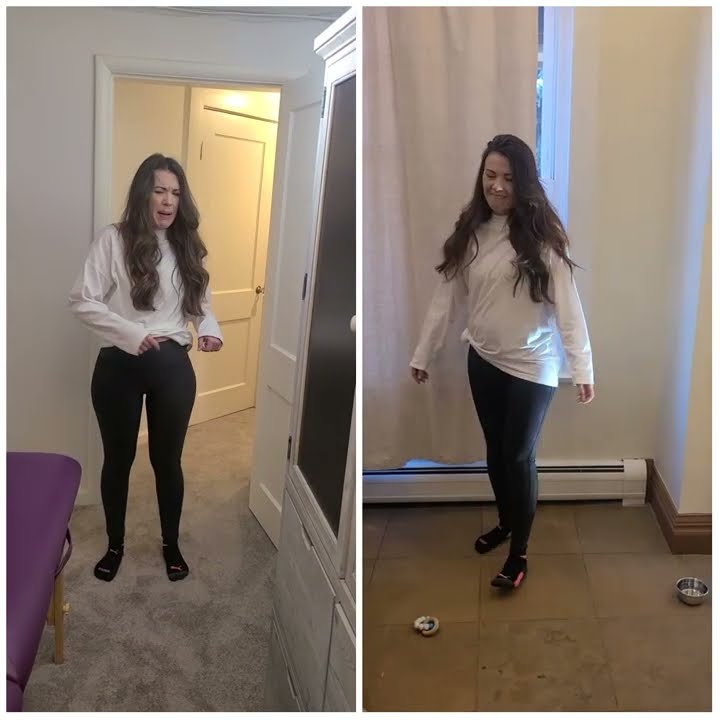 Play video: Client testimonial: Penelope, 5 weeks of back pain rated 7/10
 “Living with back pain has me living at a 7/10 pain that I can't find relief from”
— Chris, 8 weeks of 7/10 back painYour results may vary.
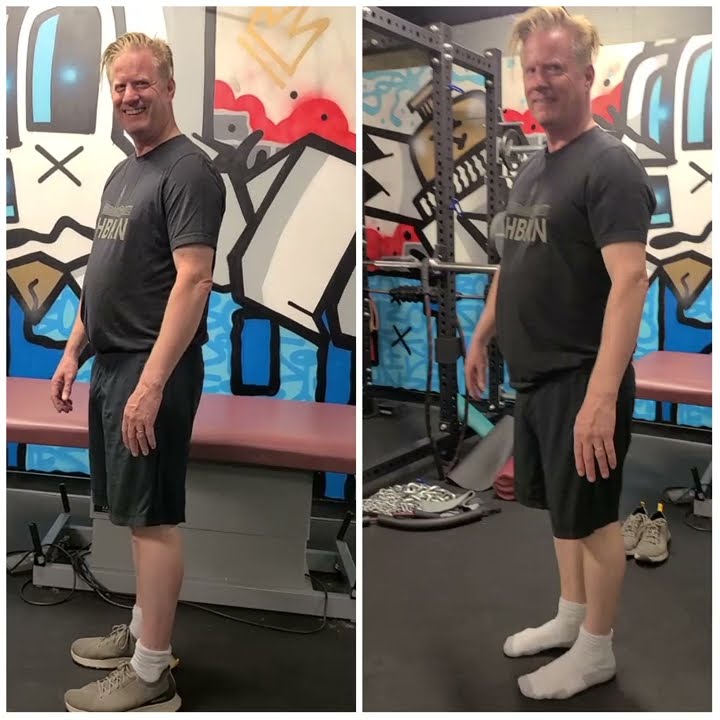 Play video: Client testimonial: Chris, 8 weeks of back pain rated 7/10
 “I have a herniated L4/L5 and my sciatic pain feels like a screwdriver in my back”
— Kendra, 2 years of shooting sciatic painYour results may vary.
 Play video: Client testimonial: Kendra, two years of shooting sciatic pain resolved
 “The doctor told me my spondylolisthesis back pain could only be cured with surgery”
— Tony, 2 weeks of lightning-bolt back painYour results may vary.
 Play video: Client testimonial: Tony, two weeks of severe back pain down to 1 out of 10
 What’s the evidence?
Better than almost anything else in this field. That is not a small claim, and it is not mine.
The RESTORE trial, published in The Lancet in 2023, randomized nearly 500 people with chronic low back pain to CFT or usual care. CFT produced large, clinically meaningful improvements in pain and disability, still holding at twelve months, and still holding at the three-year follow-up published in 2025.
Durability is the part worth pausing on. Plenty of things help chronic pain for six weeks. Very little in the literature is still ahead of usual care three years later.
How is it different from the physical therapy you’ve had?
Three ways, and the first one is the one people don’t expect. It starts with your story, and the story is the work, not the paperwork.
Most histories are taken to fill a form. This one is taken to work out why your system became protective in the first place, because pain that makes sense to you is pain you can start to change. People often feel something shift in that conversation alone.
Second, it uses graded experiments rather than instructions. We go into a movement you were told, or told yourself, is dangerous, and you feel the pain change in the room, with your own body, while you are standing there. That is a different kind of evidence from being reassured.
Third, it takes the amplifiers seriously: sleep, stress, and the boom-and-bust activity pattern almost everyone falls into. Ignore those and the rest doesn’t hold.
Then I add the part most CFT practitioners can’t. 25 years training Denver as a strength coach, to rebuild real capacity once the system has calmed down. Desensitizing without strengthening is temporary. Strengthening without desensitizing never gets off the ground.
Who is it for?
Anyone whose pain outlasted the healing. Past three months, tissue-focused care has usually stopped being the right tool.
Back pain is the best-studied application by a distance, and it is where the trial evidence sits. But the principles are about how persistent pain is produced, not about which body part is complaining:
- necks that flare no matter how the desk is set up
- shoulders that never came back after the rest
- knees written off as arthritis
- pain that stayed on after a successful surgery
- the fear of movement that follows all of the above
If your pain is new, or it is one of the presentations that needs a physician first, I will tell you that instead of booking you in.
Common questions
Is CFT "it’s all in your head"?
No. Your pain is real and physical. CFT is grounded in the neuroscience of how real pain is produced and amplified, and how it can be turned down. Nothing about it dismisses what you feel.
How many CFT sessions does it take?
The RESTORE protocol used about seven sessions over twelve weeks. My clients typically land in the same range: 6–8 sessions, then independence.
Do I need a referral?
No referral needed. Book a 30-minute assessment directly. The first conversation establishes whether you’re a fit before you commit to anything.
Why can it change this fast?
Pain is produced by your nervous system, not simply reported by your tissues. When pain outlasts healing, what usually keeps it going is a protection response — guarding, avoiding certain movements, a system that has learned to read ordinary load as danger. That's a learned pattern, and patterns can shift quickly when you give the system genuinely new information. Fast change proves the pain is changeable. Making it hold is the work that follows, and for most people that's six to eight sessions.
Related to this
- Chronic back pain isn’t a life sentence
One-on-one training for chronic low back pain in downtown Denver, built on Cognitive Functional Therapy and Applied Functional Science. For when physical therapy and injections haven’t held.
- Sciatica that hasn’t responded to the usual treatments
Radicular leg pain that didn’t respond to chiropractic, epidurals or short-course physical therapy. Graded loading and strength work for persistent sciatica in downtown Denver.
Find out if this is your way out
A 30-minute assessment, $57: your story, my plain read on whether I can help, and one change you can measure before you leave.
Not in pain, just want to train hard without getting hurt? That's most of what I do →
Book a 30-minute assessmentOr call (720) 257-9328 · See how it works