
What I work with · Masters Athlete Injuries
Stay in your sport for the next twenty years
You are 45, or 55, or 65, and stopping was never on the table. But the calf keeps going. The shoulder flares every ski season. The knee swells after the long rides and you have started planning the week around it. The injuries aren’t the problem. The cycle is. Train, break, rest, come back, break again. Each lap costs more than the last one, and the cycle is breakable.
Jamie Atlas, Personal Trainer & Rehab Specialist · 6× 5280 Top of the Town winner · 2× Denver A-List winner · 9NEWS fitness expert
“I picked up my daughter and my neck went numb”
— Monique, 4 weeks of 7/10 neck painYour results may vary.
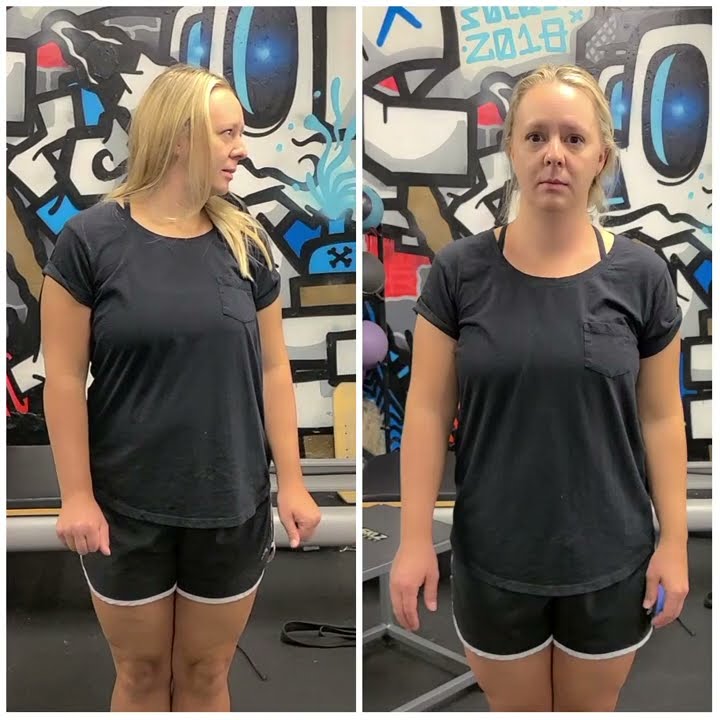 Play video: Client testimonial: Monique, 4 weeks of neck pain rated 7/10
 “I tried a new move in yoga. I woke up the next morning and couldn't move my neck”
— Danielle, 6 weeks of 7/10 neck painYour results may vary.
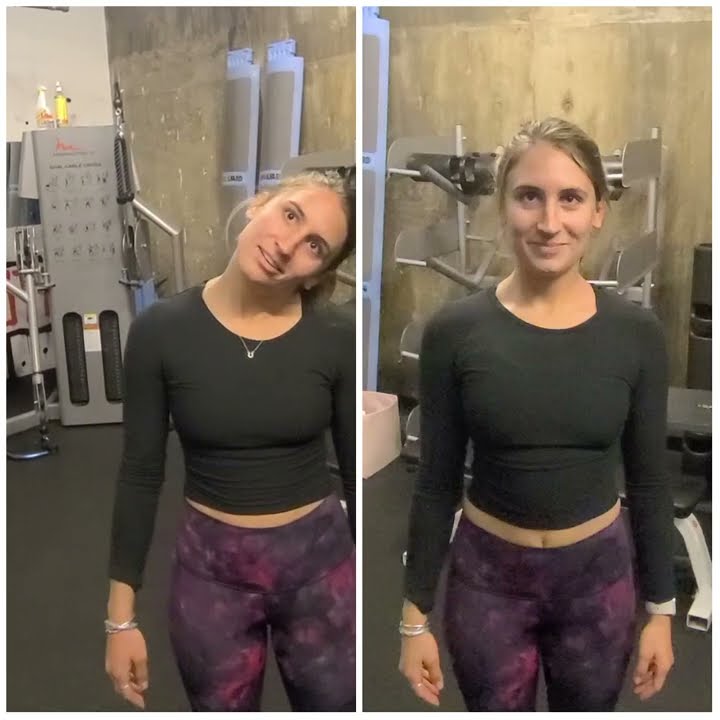 Play video: Client testimonial: Danielle, 6 weeks of neck pain rated 7/10
 “After 3 years I didn't think anyone could help me fix my neck”
— Sandy, 3 years of 8/10 neck painYour results may vary.
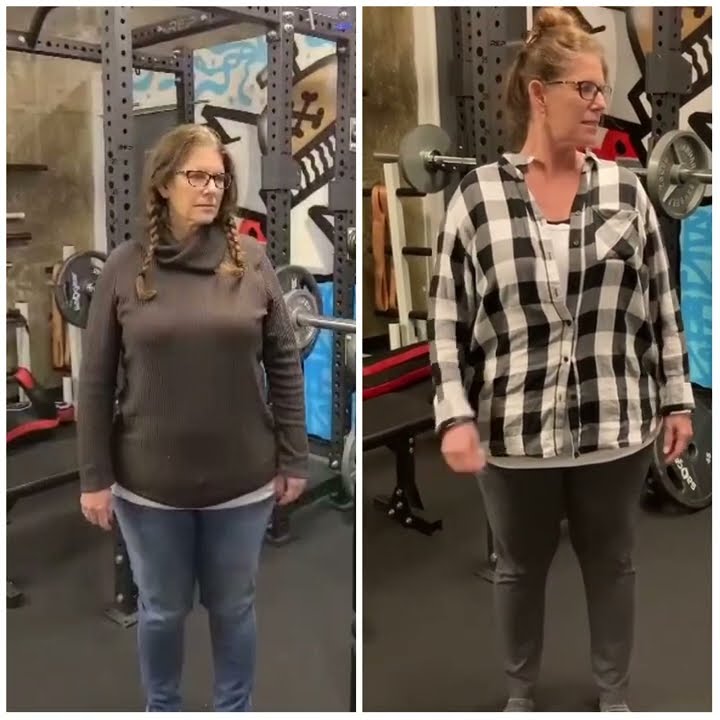 Play video: Client testimonial: Sandy, 3 years of neck pain rated 8/10
 “My office job means my neck is in constant pain, nothing seems to help”
— Natasha, 4 weeks of 7/10 neck painYour results may vary.
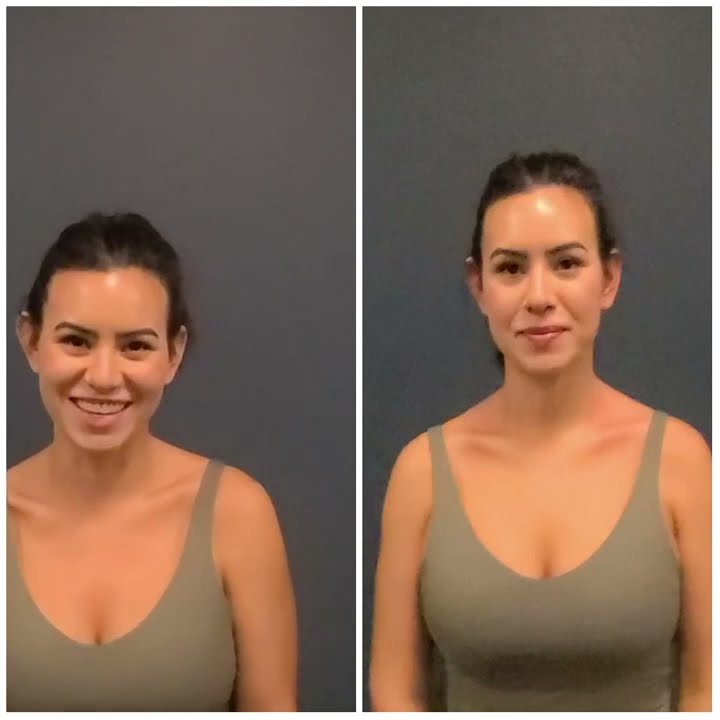 Play video: Client testimonial: Natasha, 4 weeks of neck pain rated 7/10
 “It's too hard to get in shape when I've had knee pain ever since I can remember”
— Cindy, a lifetime of 6/10 knee painYour results may vary.
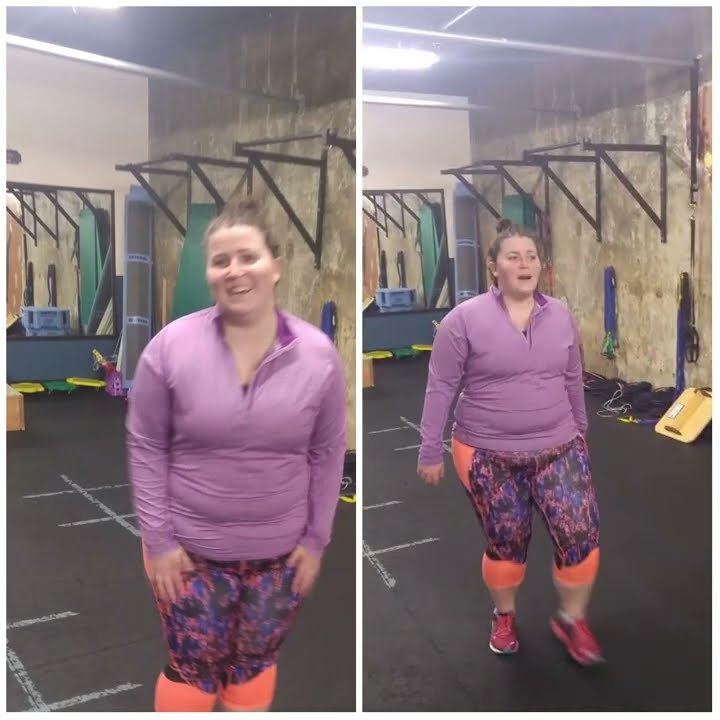 Play video: Client testimonial: Cindy, a lifetime of knee pain rated 6/10
 “I tore my ACL in an MMA match and haven't been able to train since”
— Meghan, 4/10 knee pain after an ACL tearYour results may vary.
 Play video: Client testimonial: Meghan, knee pain after an ACL tear, 4 out of 10 down to 0
 “After my fall my knee was in pain and I couldn't stand on one leg”
— Brad, 6 months of 6/10 knee painYour results may vary.
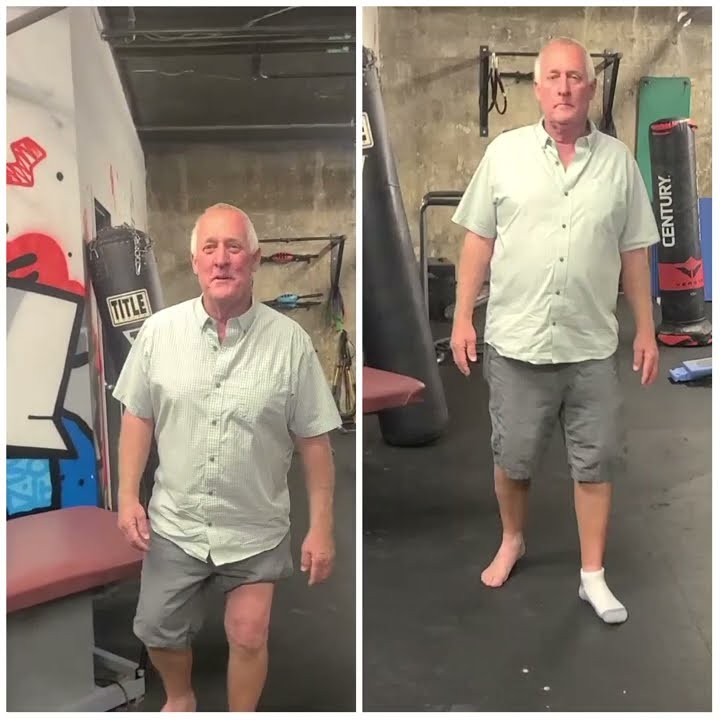 Play video: Client testimonial: Brad, 6 months of knee pain rated 6/10
 “I got surgery on my shoulder 2 years ago and have been getting rolfing and PT”
— Samantha, 5 years of 7/10 shoulder painYour results may vary.
 Play video: Client testimonial: Samantha, 5 years of shoulder pain rated 7/10
 “My shoulder numbness and tingling was so bad I drove 2 hours to see Jamie Atlas”
— Heather, 6 weeks of 10/10 shoulder nerve painYour results may vary.
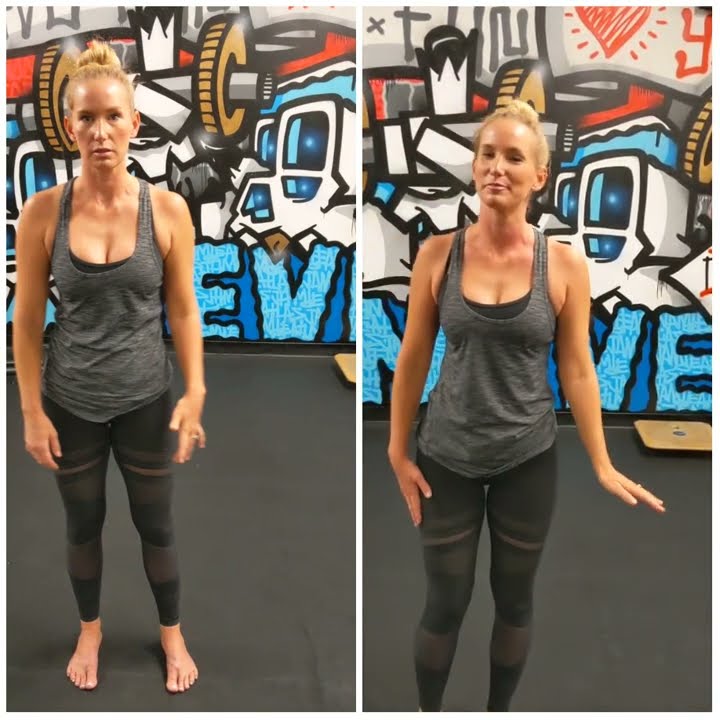 Play video: Client testimonial: Heather, 6 weeks of shoulder nerve pain rated 10/10
 “I've been in physical therapy for 6 months and I'm stalled on my results”
— Judy, 6 months of 10/10 shoulder painYour results may vary.
 Play video: Client testimonial: Judy, 6 months of shoulder pain rated 10/10
 “My shoulder pain meant I couldn't take my shirt on or off without hurting”
— Sharon, 4 months of 6/10 shoulder painYour results may vary.
 Play video: Client testimonial: Sharon, 4 months of shoulder pain rated 6/10
 “3 surgeries over 10 years and I still can't get my shoulder above my head”
— Clay, 10 years of 7/10 shoulder painYour results may vary.
 Play video: Client testimonial: Clay, 10 years of shoulder pain rated 7/10
 “Taking my dog for a walk he pulled on my shoulder and now it hurts to move”
— Kendall, 2 weeks of 6/10 shoulder painYour results may vary.
 Play video: Client testimonial: Kendall, 2 weeks of shoulder pain rated 6/10
 “I was squatting at the gym when I felt a pop and my leg went numb”
— Kelly, 12 months of 8/10 back painYour results may vary.
 Play video: Client testimonial: Kelly, 12 months of back pain rated 8/10
 “After the car accident the hospital said I was fine but my back pain says otherwise”
— Dax, 5 days of 10/10 back painYour results may vary.
 Play video: Client testimonial: Dax, 5 days of back pain rated 10/10
 “Playing football has left me with constant back pain that I can't get rid of”
— Matthew, 7 weeks of 7/10 back painYour results may vary.
 Play video: Client testimonial: Matthew, 7 weeks of back pain rated 7/10
 “I went to Pilates to fix my back but it ended up making it worse”
— Colleen, 8 weeks of 7/10 back painYour results may vary.
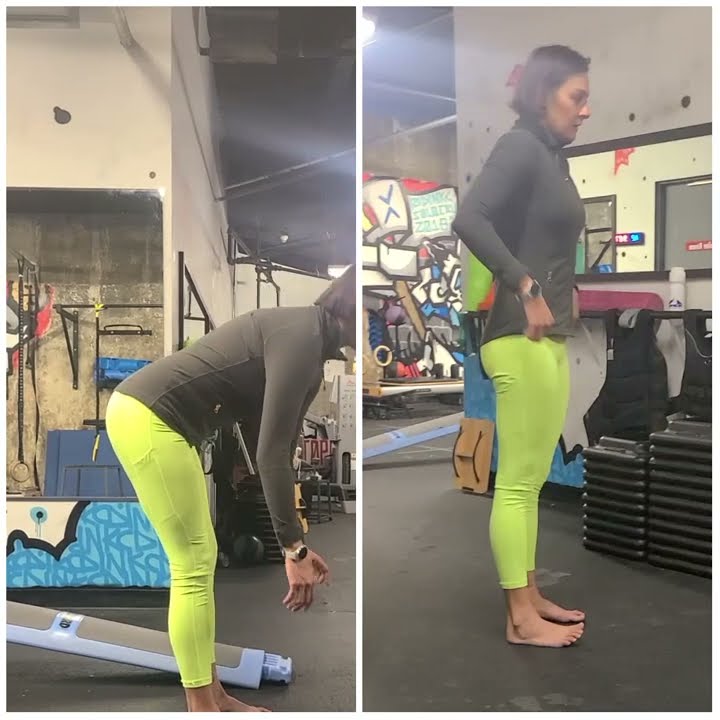 Play video: Client testimonial: Colleen, 8 weeks of back pain rated 7/10
 “I was thrown from a horse and couldn't bend over without pain”
— Katrina, 4 weeks of 6/10 back painYour results may vary.
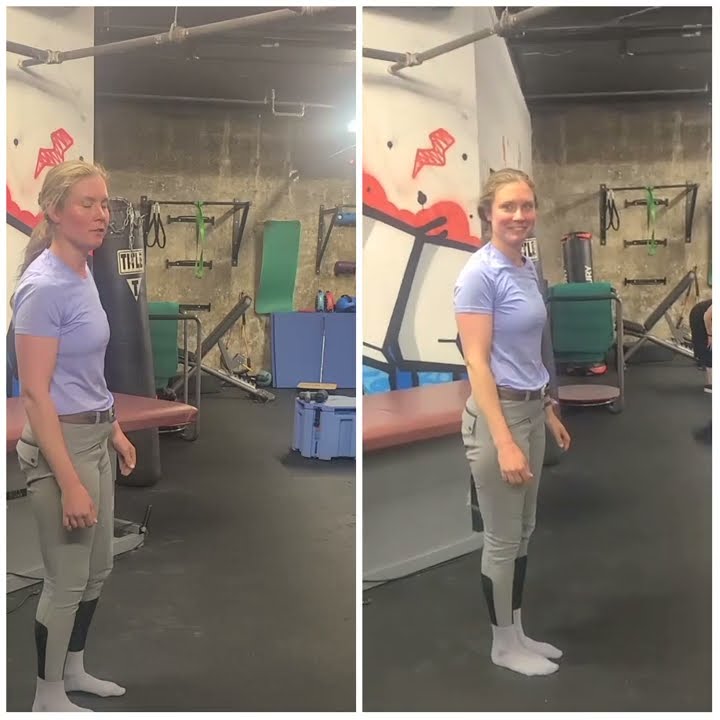 Play video: Client testimonial: Katrina, 4 weeks of back pain rated 6/10
 “This 9/10 back pain is stopping me from sleeping at night”
— Alexis, 2 months of 10/10 back painYour results may vary.
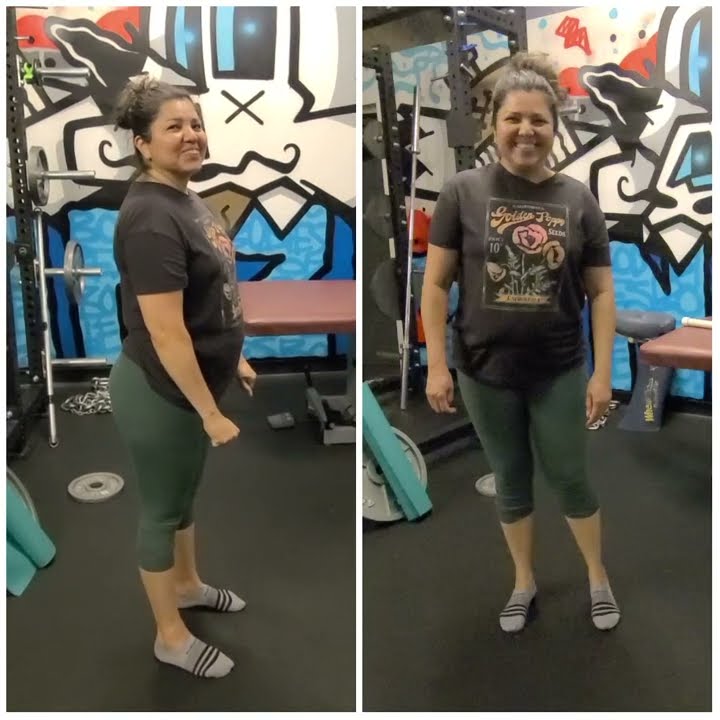 Play video: Client testimonial: Alexis, 2 months of back pain rated 10/10
 “My back pain is so bad I can't put on my shoes”
— Penelope, 5 weeks of 7/10 back painYour results may vary.
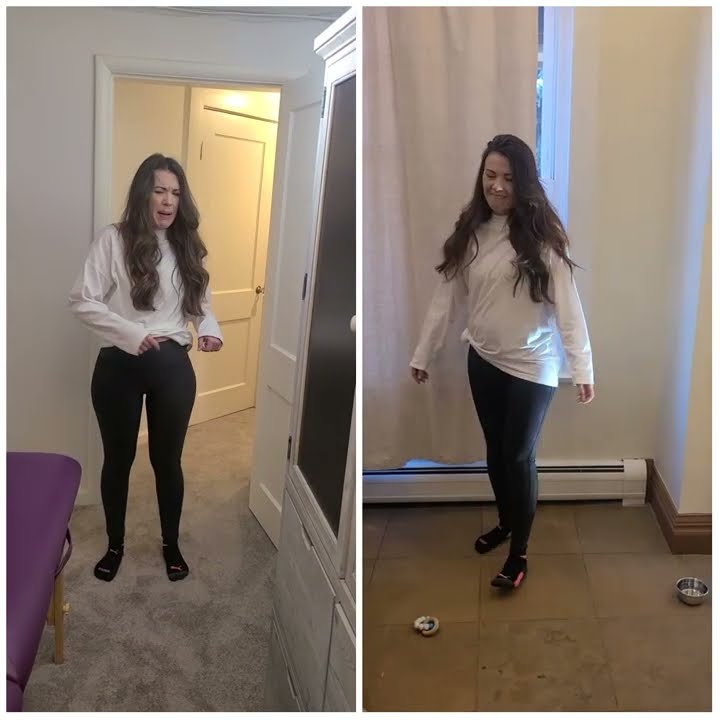 Play video: Client testimonial: Penelope, 5 weeks of back pain rated 7/10
 “Living with back pain has me living at a 7/10 pain that I can't find relief from”
— Chris, 8 weeks of 7/10 back painYour results may vary.
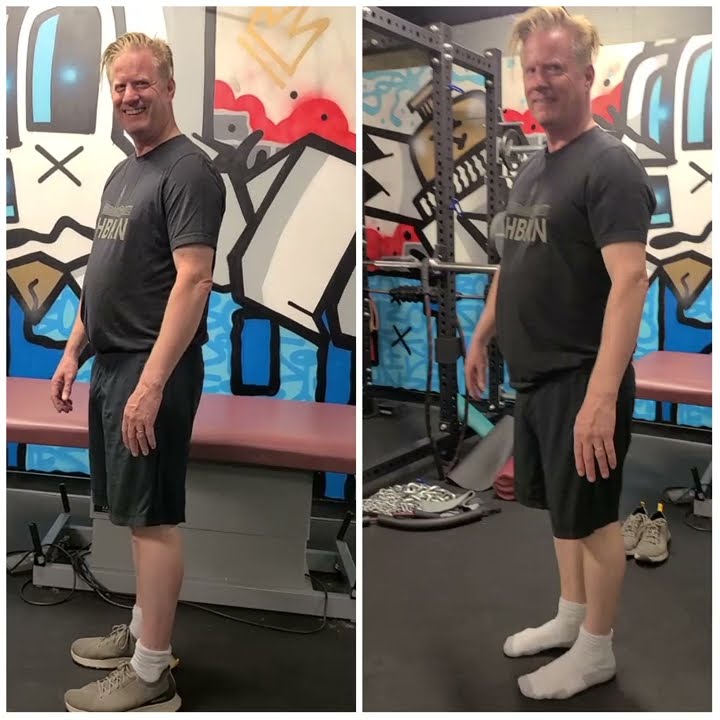 Play video: Client testimonial: Chris, 8 weeks of back pain rated 7/10
 “I have a herniated L4/L5 and my sciatic pain feels like a screwdriver in my back”
— Kendra, 2 years of shooting sciatic painYour results may vary.
 Play video: Client testimonial: Kendra, two years of shooting sciatic pain resolved
 “The doctor told me my spondylolisthesis back pain could only be cured with surgery”
— Tony, 2 weeks of lightning-bolt back painYour results may vary.
 Play video: Client testimonial: Tony, two weeks of severe back pain down to 1 out of 10
 Why do the same injuries keep coming back?
Because rest fixes the wrong half of it. Rest takes away the pain and takes your capacity with it.
The pain settles, so you go back to your sport, but the demand is exactly what it was, and you are weaker than you were when you stopped. It flares. Obvious conclusion: rest more. The loop tightens, and each round leaves you with less than the one before.
What sits underneath almost every recurring masters injury is a capacity gap: your sport asks for more than the tissue is currently prepared to give. That gap doesn’t close by waiting. It closes by loading.
Do you have to train less now?
No, and the version of this you have been told is mostly wrong. "You’re just getting older" is a shrug, not a diagnosis.
What changes with age is the margin. Recovery takes longer, tissue tolerates less sloppiness, and the thing you got away with at 30 now costs you two weeks. Smaller margin, same principles.
The evidence on strength training for masters athletes is about as unambiguous as this field gets. Athletes over 40 who lift stay in their sport longer, get hurt less, and perform better. It is the least fashionable answer available and it is still the right one.
What does working together look like?
It starts with the pattern, not just the flare. Fixing this week’s injury without closing the gap that produced it just buys you the next one.
So I look at three things: the injury in front of us, the demands of your sport, and the training history that got you here. Then we build something that handles all three at once.
You keep training the whole way through, modified. Detraining is the enemy. It is what made the last three cycles worse, and there is almost never a good reason to stop entirely. Most masters athletes work with me for six to eight sessions and then keep a check-in cadence through their season.
Common questions
I’ve been told I have arthritis / bone-on-bone. Is it over?
No. Joint changes on imaging correlate poorly with pain and function, and strength work reliably improves both, even in significant osteoarthritis. "Bone-on-bone" is a description, not a verdict.
Can I keep running / riding / skiing during rehab?
Almost always yes, in a modified dose. Total rest is rarely the answer, and keeping you in your sport is an explicit goal of the plan.
Is this personal training?
Yes. It is personal training with a rehab specialist in the room: the strength work is sequenced around an injury, a pain system and return-to-sport benchmarks, and it carries on as ordinary hard training once those are cleared.
Why can it change this fast?
Pain is produced by your nervous system, not simply reported by your tissues. When pain outlasts healing, what usually keeps it going is a protection response — guarding, avoiding certain movements, a system that has learned to read ordinary load as danger. That's a learned pattern, and patterns can shift quickly when you give the system genuinely new information. Fast change proves the pain is changeable. Making it hold is the work that follows, and for most people that's six to eight sessions.
Once the cycle is broken, what then?
You keep lifting. The strength that closed the gap is the strength that keeps it closed, and most masters athletes who come in for an injury stay on as training clients, once or twice a week, with the sport as the goal and the joint as a line item.
Related to this
- Your post-surgery recovery took you almost to the finish line. I get you the rest of the way, and then some
Insurance physical therapy got you to "functional." I get you back to skiing, cycling, lifting and running. One-on-one training after surgery in downtown Denver.
- Chronic back pain isn’t a life sentence
One-on-one training for chronic low back pain in downtown Denver, built on Cognitive Functional Therapy and Applied Functional Science. For when physical therapy and injections haven’t held.
Find out if this is your way out
A 30-minute assessment, $57: your story, my plain read on whether I can help, and one change you can measure before you leave.
Not in pain, just want to train hard without getting hurt? That's most of what I do →
Book a 30-minute assessmentOr call (720) 257-9328 · See how it works