
Resources · Skiing
Balance training: train the recovery, not just the legs
Ski prep in most Denver gyms means squats, lunges, and wall sits. Useful — but they all assume the ground stays still, and the mountain never signed that agreement. Here is how to train what happens when it moves.
“I picked up my daughter and my neck went numb”
— Monique, 4 weeks of 7/10 neck painYour results may vary.
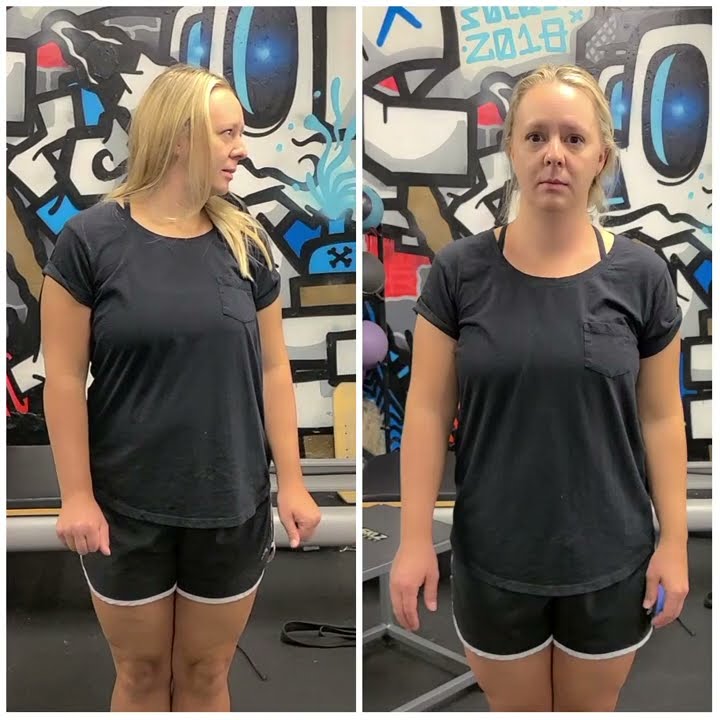 Play video: Client testimonial: Monique, 4 weeks of neck pain rated 7/10
 “I tried a new move in yoga. I woke up the next morning and couldn't move my neck”
— Danielle, 6 weeks of 7/10 neck painYour results may vary.
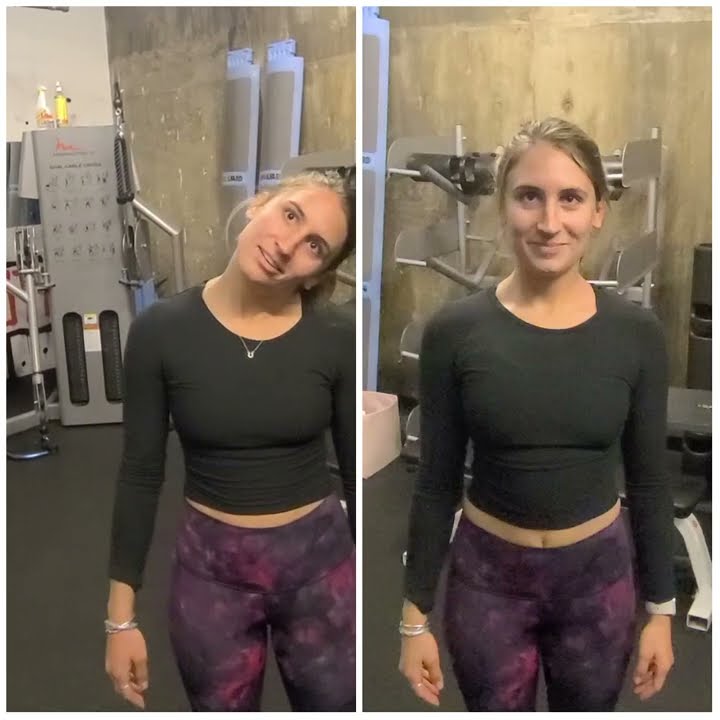 Play video: Client testimonial: Danielle, 6 weeks of neck pain rated 7/10
 “After 3 years I didn't think anyone could help me fix my neck”
— Sandy, 3 years of 8/10 neck painYour results may vary.
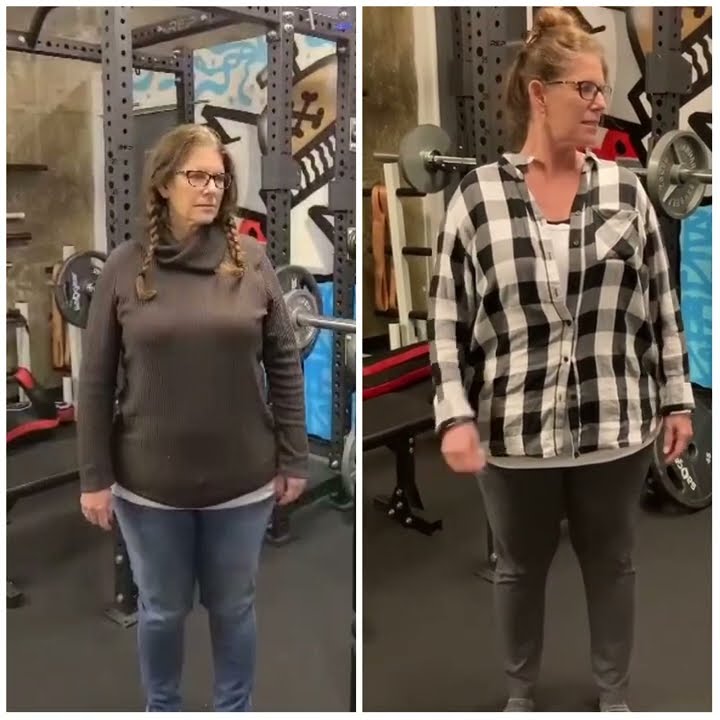 Play video: Client testimonial: Sandy, 3 years of neck pain rated 8/10
 “My office job means my neck is in constant pain, nothing seems to help”
— Natasha, 4 weeks of 7/10 neck painYour results may vary.
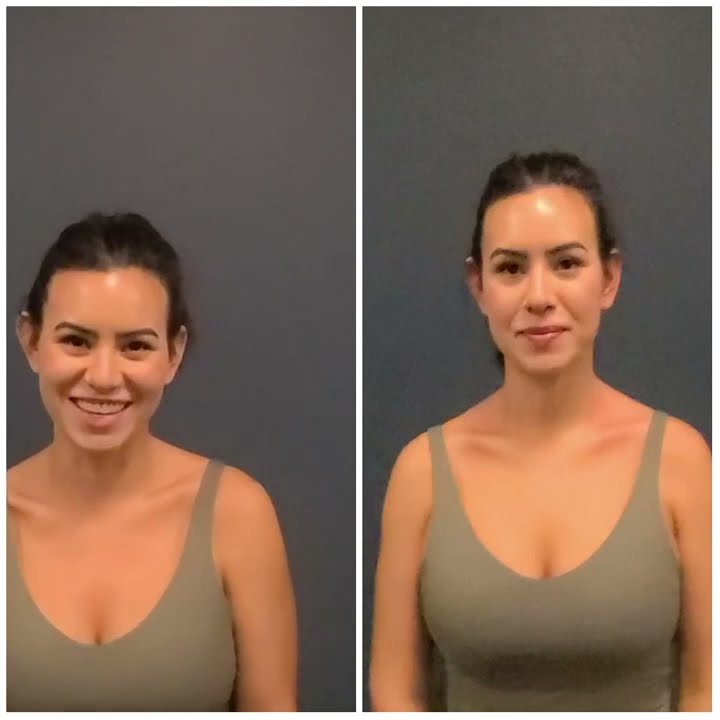 Play video: Client testimonial: Natasha, 4 weeks of neck pain rated 7/10
 “It's too hard to get in shape when I've had knee pain ever since I can remember”
— Cindy, a lifetime of 6/10 knee painYour results may vary.
 Play video: Client testimonial: Cindy, a lifetime of knee pain rated 6/10
 “I tore my ACL in an MMA match and haven't been able to train since”
— Meghan, 4/10 knee pain after an ACL tearYour results may vary.
 Play video: Client testimonial: Meghan, knee pain after an ACL tear, 4 out of 10 down to 0
 “After my fall my knee was in pain and I couldn't stand on one leg”
— Brad, 6 months of 6/10 knee painYour results may vary.
 Play video: Client testimonial: Brad, 6 months of knee pain rated 6/10
 “I got surgery on my shoulder 2 years ago and have been getting rolfing and PT”
— Samantha, 5 years of 7/10 shoulder painYour results may vary.
 Play video: Client testimonial: Samantha, 5 years of shoulder pain rated 7/10
 “My shoulder numbness and tingling was so bad I drove 2 hours to see Jamie Atlas”
— Heather, 6 weeks of 10/10 shoulder nerve painYour results may vary.
 Play video: Client testimonial: Heather, 6 weeks of shoulder nerve pain rated 10/10
 “I've been in physical therapy for 6 months and I'm stalled on my results”
— Judy, 6 months of 10/10 shoulder painYour results may vary.
 Play video: Client testimonial: Judy, 6 months of shoulder pain rated 10/10
 “My shoulder pain meant I couldn't take my shirt on or off without hurting”
— Sharon, 4 months of 6/10 shoulder painYour results may vary.
 Play video: Client testimonial: Sharon, 4 months of shoulder pain rated 6/10
 “3 surgeries over 10 years and I still can't get my shoulder above my head”
— Clay, 10 years of 7/10 shoulder painYour results may vary.
 Play video: Client testimonial: Clay, 10 years of shoulder pain rated 7/10
 “Taking my dog for a walk he pulled on my shoulder and now it hurts to move”
— Kendall, 2 weeks of 6/10 shoulder painYour results may vary.
 Play video: Client testimonial: Kendall, 2 weeks of shoulder pain rated 6/10
 “I was squatting at the gym when I felt a pop and my leg went numb”
— Kelly, 12 months of 8/10 back painYour results may vary.
 Play video: Client testimonial: Kelly, 12 months of back pain rated 8/10
 “After the car accident the hospital said I was fine but my back pain says otherwise”
— Dax, 5 days of 10/10 back painYour results may vary.
 Play video: Client testimonial: Dax, 5 days of back pain rated 10/10
 “Playing football has left me with constant back pain that I can't get rid of”
— Matthew, 7 weeks of 7/10 back painYour results may vary.
 Play video: Client testimonial: Matthew, 7 weeks of back pain rated 7/10
 “I went to Pilates to fix my back but it ended up making it worse”
— Colleen, 8 weeks of 7/10 back painYour results may vary.
 Play video: Client testimonial: Colleen, 8 weeks of back pain rated 7/10
 “I was thrown from a horse and couldn't bend over without pain”
— Katrina, 4 weeks of 6/10 back painYour results may vary.
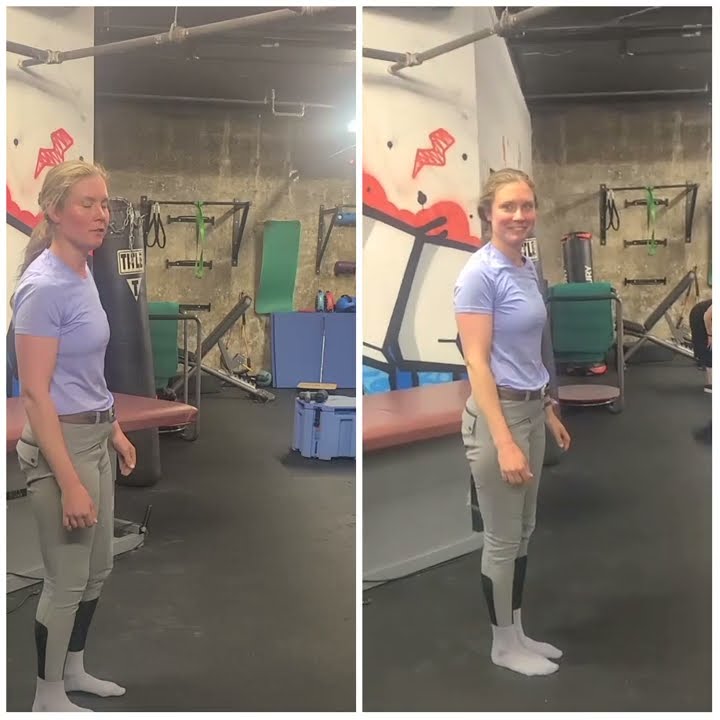 Play video: Client testimonial: Katrina, 4 weeks of back pain rated 6/10
 “This 9/10 back pain is stopping me from sleeping at night”
— Alexis, 2 months of 10/10 back painYour results may vary.
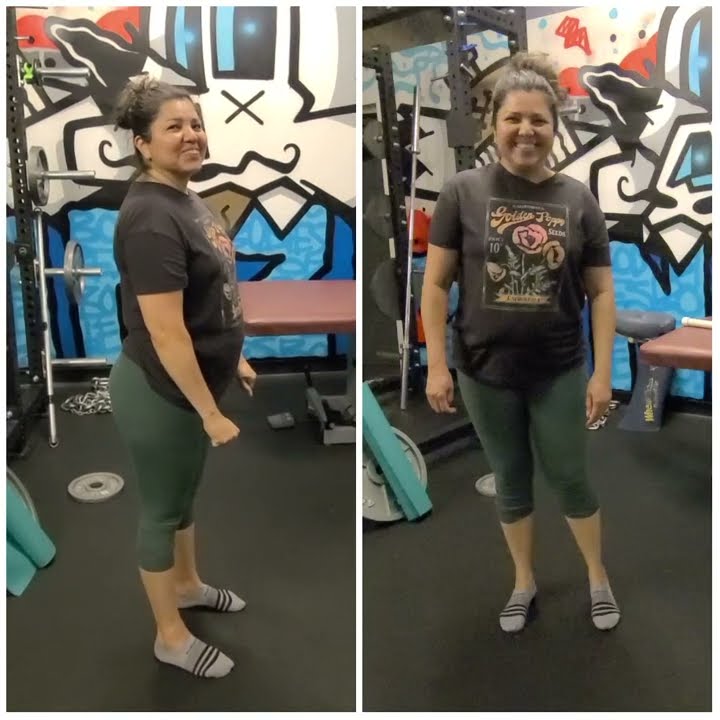 Play video: Client testimonial: Alexis, 2 months of back pain rated 10/10
 “My back pain is so bad I can't put on my shoes”
— Penelope, 5 weeks of 7/10 back painYour results may vary.
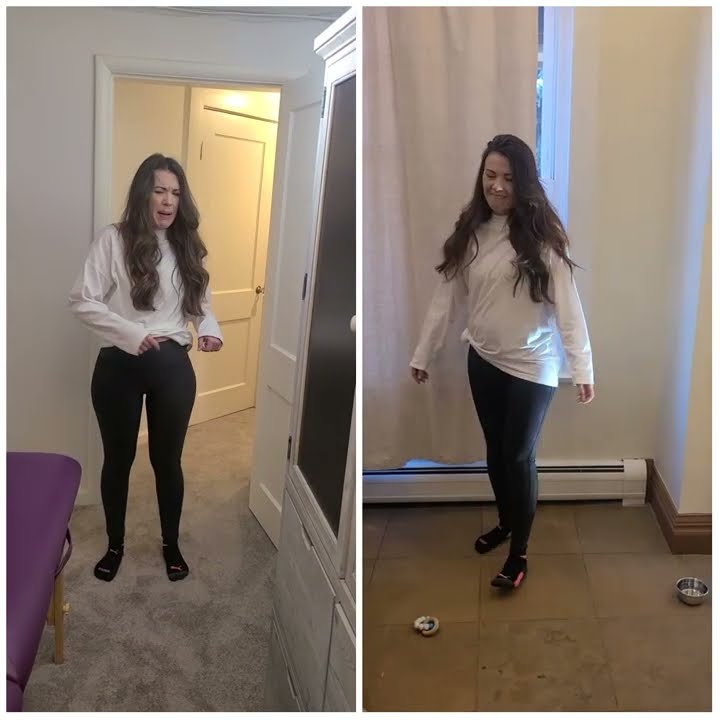 Play video: Client testimonial: Penelope, 5 weeks of back pain rated 7/10
 “Living with back pain has me living at a 7/10 pain that I can't find relief from”
— Chris, 8 weeks of 7/10 back painYour results may vary.
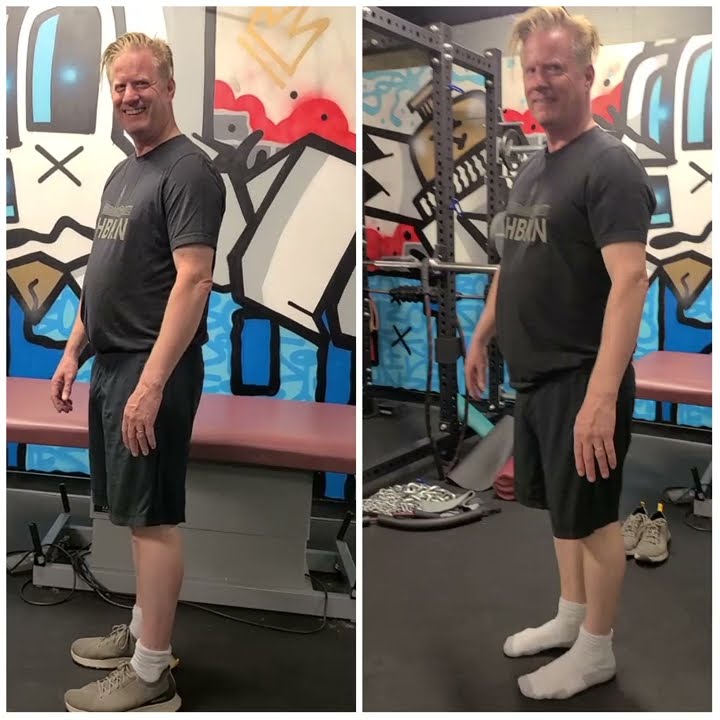 Play video: Client testimonial: Chris, 8 weeks of back pain rated 7/10
 “I have a herniated L4/L5 and my sciatic pain feels like a screwdriver in my back”
— Kendra, 2 years of shooting sciatic painYour results may vary.
 Play video: Client testimonial: Kendra, two years of shooting sciatic pain resolved
 “The doctor told me my spondylolisthesis back pain could only be cured with surgery”
— Tony, 2 weeks of lightning-bolt back painYour results may vary.
 Play video: Client testimonial: Tony, two weeks of severe back pain down to 1 out of 10
 Performing or protecting?
When you do balance work, it helps to know which question you are answering: are you training to perform, or training to protect?
Training to perform is the athlete's version. You want to hold an edge through a hard turn, recover when a landing is not where you expected, and change direction without your ankles filing a complaint. Training to protect is quieter but just as real. I have lost count of the clients who have told me about a close shave — a missed step on a stairwell, a patch of ice outside the front door — where they caught themselves and were deeply glad they could.
The good news: the training is nearly identical. The drills below serve both — as filler between strength sets so you are not just standing around watching the clock, or as its own short session. What changes is how hard you push each progression.
Watch it first
I demonstrated every progression in this article on 9NEWS during my years as their fitness expert — five minutes, all four tools, including the moment the Core-Tex gets real.
 Play video: Workout Wednesday balance training segment on 9NEWS
 From my time as the 9NEWS fitness expert. The principles have not changed — good balance training still looks like the sport you are training for.
Four progressions, easiest to hardest
1. The rocker board, side to side
Stand on the board with the rocker running so it tips left and right. Let it move — the job is not to freeze it, it is to keep recovering it. Once that feels steady, add slow squats, and let each one get a little deeper and a little more athletic.
This is lateral agility training for your ankles. On snow, when an edge catches or the surface changes, your ankles have to react and not roll over. There is no way to train that reaction by holding still.
2. The rocker board, front to back
Turn ninety degrees so the board now tips toes-down and heels-down. Same rules: let it move, keep recovering, then add squats.
It feels like a completely different exercise — because it is. Front-to-back control is what catches you when a foot slips forward off a step, a patch of ice, or the back of a mogul. Different direction, different reflex, and most people have only ever trained one of them.
3. The BOSU ball squat
Place one foot on the edge of the dome, find the opposite edge with the other foot, and stand up onto it. Settle, then squat. One note: BOSU balls are inflated to different firmness in different gyms, so what works on one may feel very different on another.
Now the surface can go anywhere — forward, back, side to side, at any moment. It is also an honest mirror: the ball will show you where your body wants to cheat. If your toes roll forward or you drift to one side, that is information. Shift your weight back toward your heels and watch the squat clean itself up.
4. The Core-Tex reactive trainer
This is the one that surprises people. The platform does not tip — it translates, sliding underneath you like the ground itself is moving. Hold both handles and step on. Start with an easy squat, hands hovering above the bar. Then take one hand off. Then add a squat with a twist, each direction.
Everything else in the gym teeter-totters. This slides — which is what snow actually does. It is the closest thing to a snowboard, skis, or a surfboard you will find indoors, and taking a hand away converts it from a supported exercise into genuine balance work that looks and feels like the sport you are training for.
A bonus for the trainers and the self-coached: the BOSU doubles as a squat assessment. Put someone on it and watch where their body wants to go. A lean to one side, toes rolling forward — the ball reveals in ten seconds what a stable floor hides. It is one of the fastest ways I know to find out what a squat actually looks like under the surface.
The drill that needs no equipment at all
Stand on one leg. Most people stop there — eyes locked on a point across the room, perfectly still, quietly proud. That is about as far from the real world as balance training gets.
Think about when you actually need balance. You are walking and talking, looking at the person next to you, and you miss a step — and your head snaps around trying to work out where your foot is going. The challenge was never standing still. It was rebalancing while your eyes and attention were somewhere else.
So train that. Fair warning: it feels a bit like a sobriety test.
- Stand on one leg. Hold both thumbs up at arm's width, and look at one thumb.
- On your own count, snap your head to look at the other thumb — and hold your balance.
- Snap back. Hold again.
- When that gets easy: double snap — boom, boom — and freeze.
It is harder than it sounds, it needs nothing but a hallway, and it trains the exact reflex that turns a missed step into a story instead of an injury.
The quiet reason this matters
If you are reading this as ski prep, the payoff is obvious: more control, more confidence, fewer of those moments where the run ends differently than you planned.
But there is a second audience, and I want to speak to them directly. Past a certain age, a fall stops being a trivial thing — a bad one can mean a hospital stay, and the road back is not guaranteed. That is not a reason to fear movement. It is a reason to train it. The people who catch themselves on the icy step are not lucky — they are the ones whose ankles and reflexes had practiced the recovery before it was needed.
Balance is trainable at any age. The progressions above scale from "holding the handles with both hands" to "squatting with a twist on a moving platform." Wherever you are on that line, the next step is available.
Common questions
Is balance training good for skiing and snowboarding?
Yes, and it covers something strength work cannot. Squats and lunges build the engine, but skiing and riding constantly move the ground underneath you — an edge catches, the snow changes, a landing is not where you expected it. Balance training teaches your ankles, hips, and trunk to react and recover in that moment. Strength gets you down the mountain; balance is what keeps a surprise from becoming a fall.
What equipment do I need for balance training?
Less than you would think. A rocker or balance board and a BOSU ball cover most of it, and both are common in Denver gyms. A reactive trainer like the Core-Tex — where the platform actually translates under you — is the closest thing to snow you will find indoors, but it is not required. And the most underrated balance drill of all needs no equipment: standing on one leg while turning your head, which is far closer to how balance is actually challenged in real life than standing still and staring at a spot on the wall.
Does standing on one leg actually improve balance?
It is a start, but the way most people do it misses the point. Locking your eyes on a fixed point and holding still trains a situation that almost never happens in real life. Falls and near-misses happen mid-motion — you are walking, talking, looking at something else, and suddenly your foot is not where you thought it was. Adding head turns to a single-leg stance trains your balance system to cope when your eyes and inner ear are busy doing something else, which is exactly when you need it.
How often should I do balance training?
Little and often beats occasional and heroic. Balance work is skill practice more than muscle work, so it responds well to short, frequent doses — a few minutes between strength sets, or five minutes most days. It makes an ideal filler between exercises: instead of standing around watching the clock, you are training the reactions you will want on the mountain.
Is balance training only for older adults worried about falling?
No — the same ability serves two very different goals. An athlete trains balance to perform: to hold an edge, recover from a bad landing, change direction under control. Someone who has had a close call on stairs or ice trains balance to protect: to make sure a slip stays a slip. The drills overlap almost completely. What changes is the intensity and the intent.
I first covered training balance in motion in The Denver Post, October 2010. See the full Denver Post series.
Want your balance tested before the mountain tests it?
A 30-minute assessment, $57: your history, my plain read on whether I can help, and one change you can measure before you leave. I have been running ski conditioning in Denver since 2008, and the Core-Tex lives in my studio.
Book a 30-minute assessmentOr call (720) 257-9328 · Read the ski squats article