
What I work with · Post-Surgical Return-to-Sport
Your post-surgery recovery took you almost to the finish line. I get you the rest of the way, and then some
The surgery went fine. The twelve sessions of physical therapy got you up the stairs, back in the car, back at work, and then someone wrote "functional" on a form and the referral ran out. You didn’t have surgery to be functional. You had it to get back on the bike, back on the slopes, back under the bar. Nobody in that chain was paid to take you there.
Jamie Atlas, Personal Trainer & Rehab Specialist · 6× 5280 Top of the Town winner · 2× Denver A-List winner · 9NEWS fitness expert
“I picked up my daughter and my neck went numb”
— Monique, 4 weeks of 7/10 neck painYour results may vary.
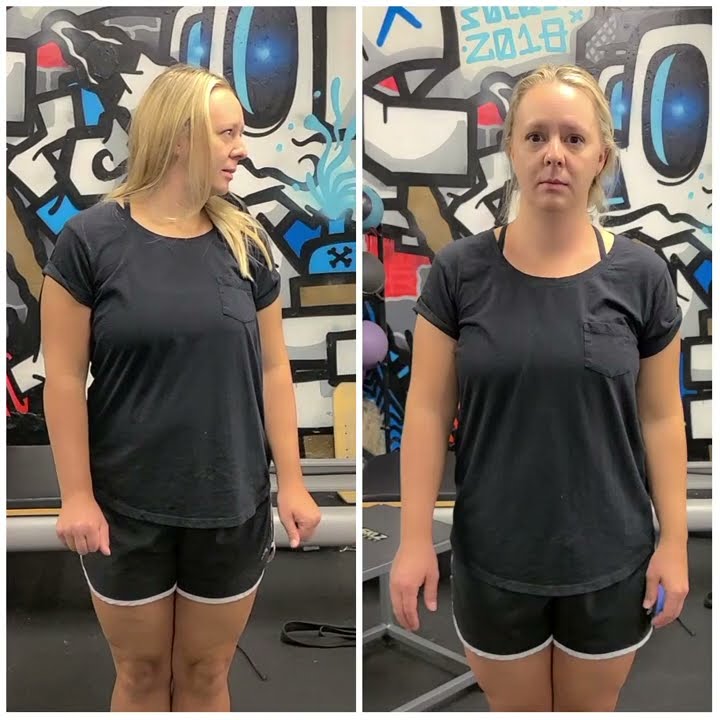 Play video: Client testimonial: Monique, 4 weeks of neck pain rated 7/10
 “I tried a new move in yoga. I woke up the next morning and couldn't move my neck”
— Danielle, 6 weeks of 7/10 neck painYour results may vary.
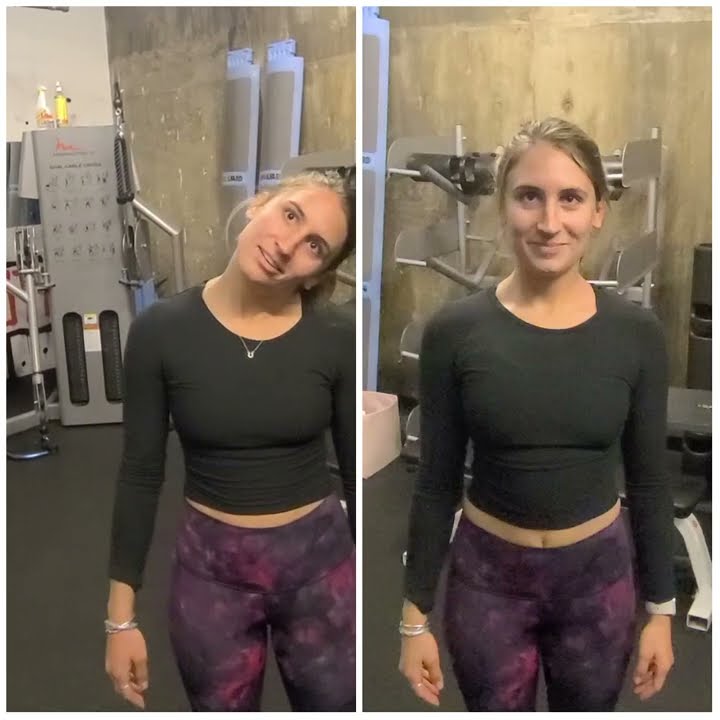 Play video: Client testimonial: Danielle, 6 weeks of neck pain rated 7/10
 “After 3 years I didn't think anyone could help me fix my neck”
— Sandy, 3 years of 8/10 neck painYour results may vary.
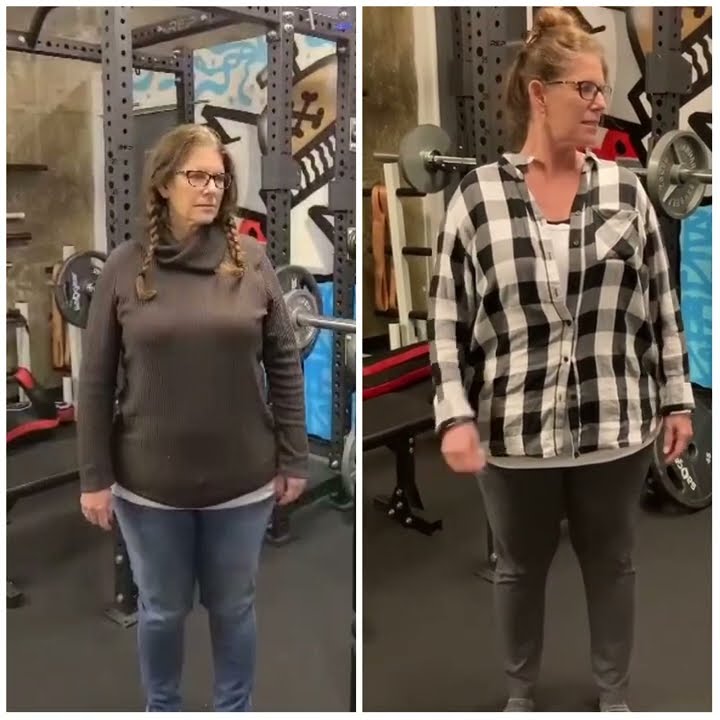 Play video: Client testimonial: Sandy, 3 years of neck pain rated 8/10
 “My office job means my neck is in constant pain, nothing seems to help”
— Natasha, 4 weeks of 7/10 neck painYour results may vary.
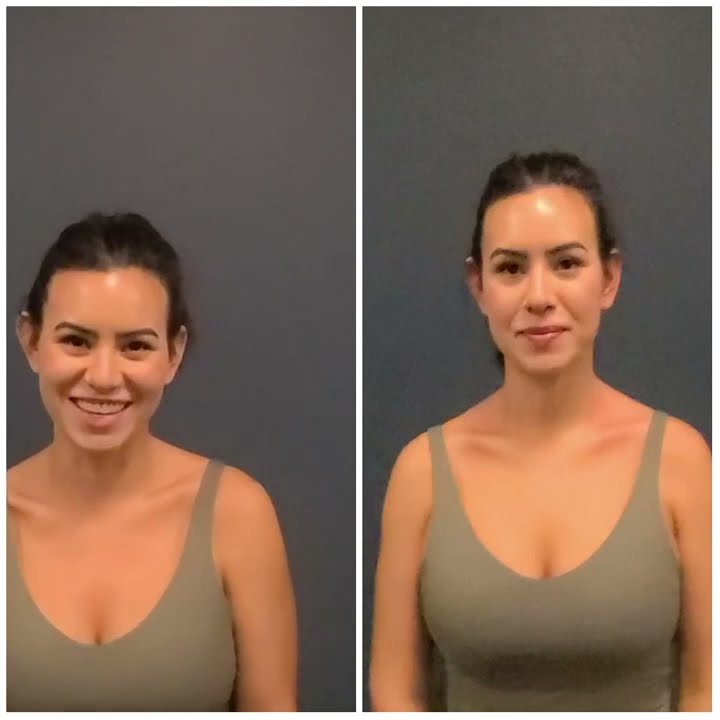 Play video: Client testimonial: Natasha, 4 weeks of neck pain rated 7/10
 “It's too hard to get in shape when I've had knee pain ever since I can remember”
— Cindy, a lifetime of 6/10 knee painYour results may vary.
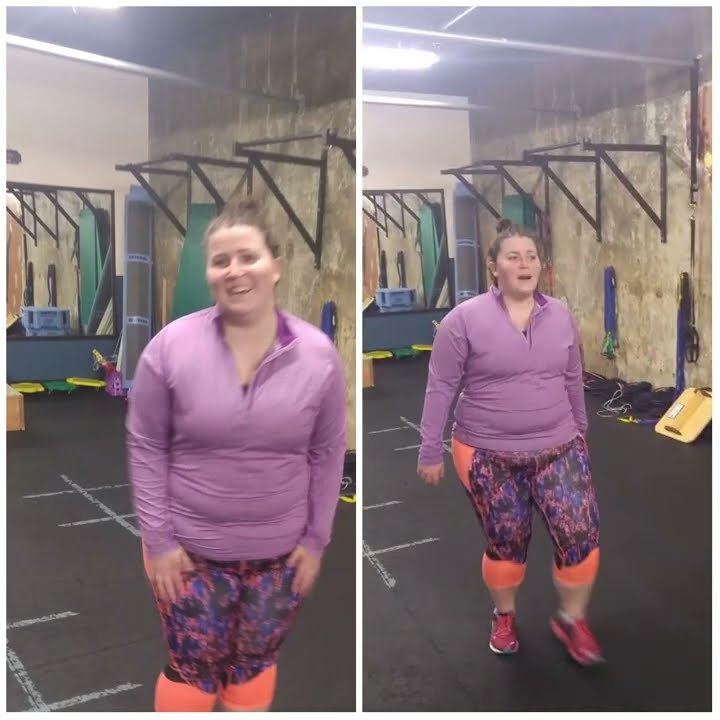 Play video: Client testimonial: Cindy, a lifetime of knee pain rated 6/10
 “I tore my ACL in an MMA match and haven't been able to train since”
— Meghan, 4/10 knee pain after an ACL tearYour results may vary.
 Play video: Client testimonial: Meghan, knee pain after an ACL tear, 4 out of 10 down to 0
 “After my fall my knee was in pain and I couldn't stand on one leg”
— Brad, 6 months of 6/10 knee painYour results may vary.
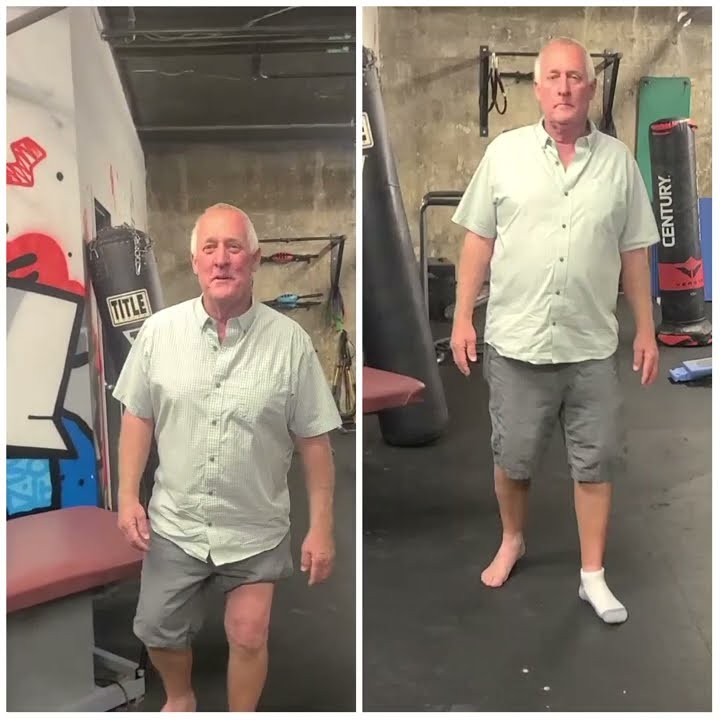 Play video: Client testimonial: Brad, 6 months of knee pain rated 6/10
 “I got surgery on my shoulder 2 years ago and have been getting rolfing and PT”
— Samantha, 5 years of 7/10 shoulder painYour results may vary.
 Play video: Client testimonial: Samantha, 5 years of shoulder pain rated 7/10
 “My shoulder numbness and tingling was so bad I drove 2 hours to see Jamie Atlas”
— Heather, 6 weeks of 10/10 shoulder nerve painYour results may vary.
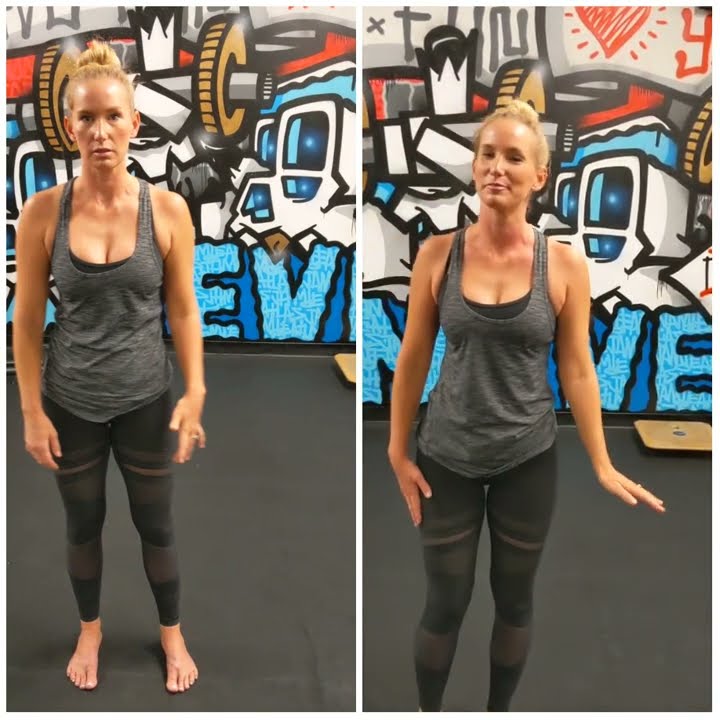 Play video: Client testimonial: Heather, 6 weeks of shoulder nerve pain rated 10/10
 “I've been in physical therapy for 6 months and I'm stalled on my results”
— Judy, 6 months of 10/10 shoulder painYour results may vary.
 Play video: Client testimonial: Judy, 6 months of shoulder pain rated 10/10
 “My shoulder pain meant I couldn't take my shirt on or off without hurting”
— Sharon, 4 months of 6/10 shoulder painYour results may vary.
 Play video: Client testimonial: Sharon, 4 months of shoulder pain rated 6/10
 “3 surgeries over 10 years and I still can't get my shoulder above my head”
— Clay, 10 years of 7/10 shoulder painYour results may vary.
 Play video: Client testimonial: Clay, 10 years of shoulder pain rated 7/10
 “Taking my dog for a walk he pulled on my shoulder and now it hurts to move”
— Kendall, 2 weeks of 6/10 shoulder painYour results may vary.
 Play video: Client testimonial: Kendall, 2 weeks of shoulder pain rated 6/10
 “I was squatting at the gym when I felt a pop and my leg went numb”
— Kelly, 12 months of 8/10 back painYour results may vary.
 Play video: Client testimonial: Kelly, 12 months of back pain rated 8/10
 “After the car accident the hospital said I was fine but my back pain says otherwise”
— Dax, 5 days of 10/10 back painYour results may vary.
 Play video: Client testimonial: Dax, 5 days of back pain rated 10/10
 “Playing football has left me with constant back pain that I can't get rid of”
— Matthew, 7 weeks of 7/10 back painYour results may vary.
 Play video: Client testimonial: Matthew, 7 weeks of back pain rated 7/10
 “I went to Pilates to fix my back but it ended up making it worse”
— Colleen, 8 weeks of 7/10 back painYour results may vary.
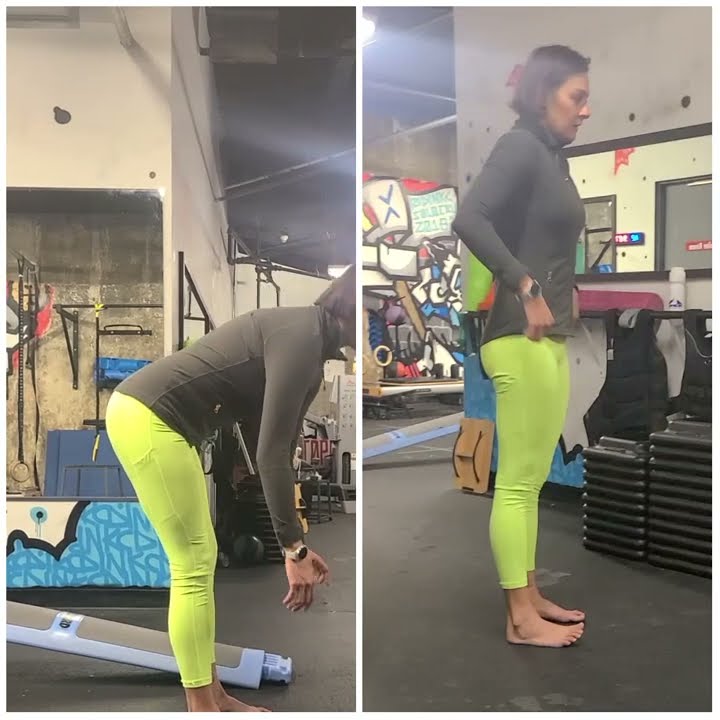 Play video: Client testimonial: Colleen, 8 weeks of back pain rated 7/10
 “I was thrown from a horse and couldn't bend over without pain”
— Katrina, 4 weeks of 6/10 back painYour results may vary.
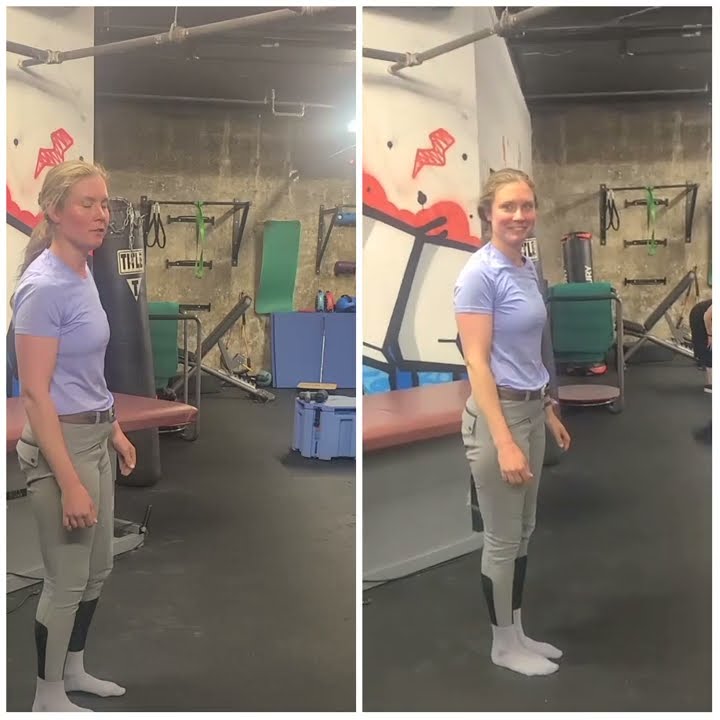 Play video: Client testimonial: Katrina, 4 weeks of back pain rated 6/10
 “This 9/10 back pain is stopping me from sleeping at night”
— Alexis, 2 months of 10/10 back painYour results may vary.
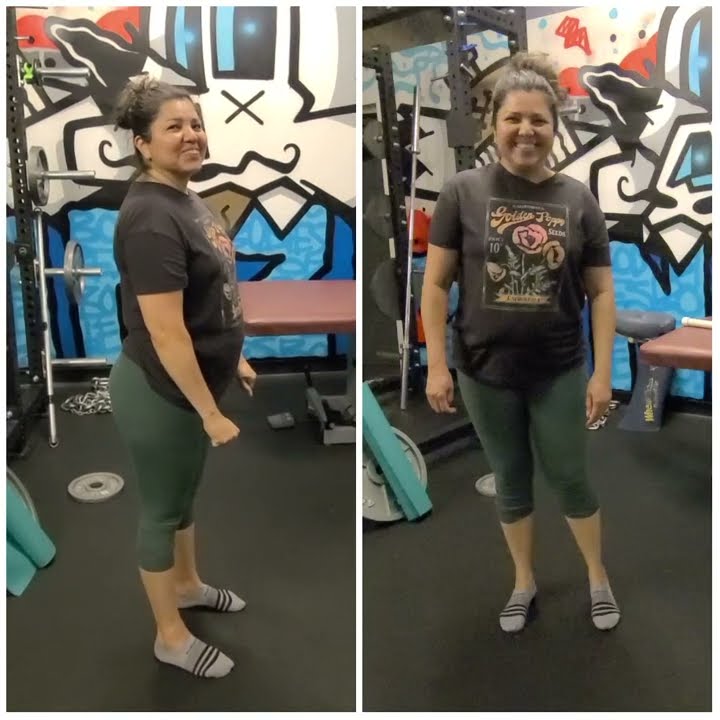 Play video: Client testimonial: Alexis, 2 months of back pain rated 10/10
 “My back pain is so bad I can't put on my shoes”
— Penelope, 5 weeks of 7/10 back painYour results may vary.
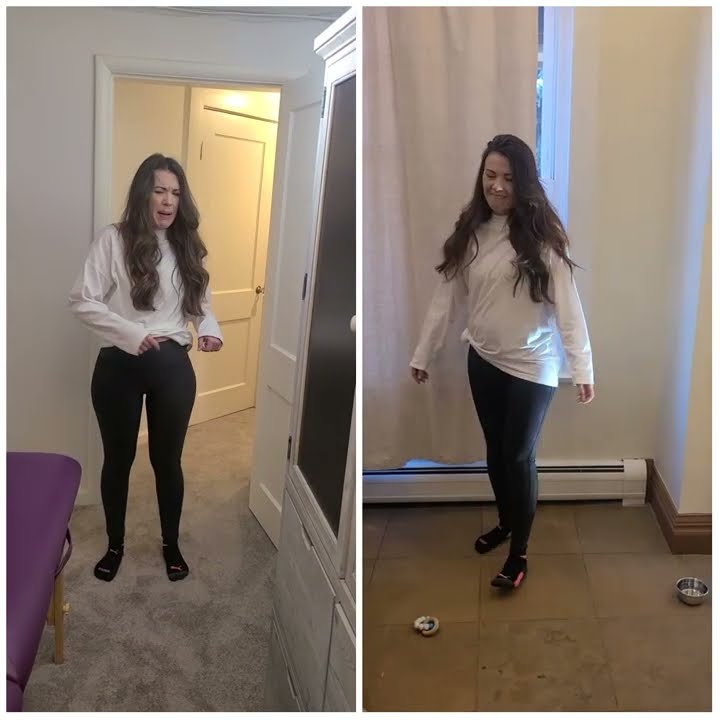 Play video: Client testimonial: Penelope, 5 weeks of back pain rated 7/10
 “Living with back pain has me living at a 7/10 pain that I can't find relief from”
— Chris, 8 weeks of 7/10 back painYour results may vary.
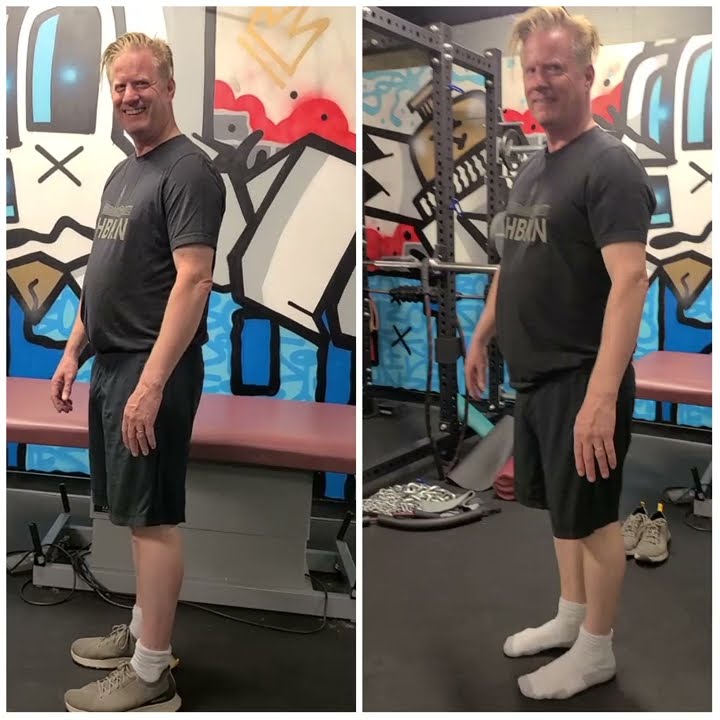 Play video: Client testimonial: Chris, 8 weeks of back pain rated 7/10
 “I have a herniated L4/L5 and my sciatic pain feels like a screwdriver in my back”
— Kendra, 2 years of shooting sciatic painYour results may vary.
 Play video: Client testimonial: Kendra, two years of shooting sciatic pain resolved
 “The doctor told me my spondylolisthesis back pain could only be cured with surgery”
— Tony, 2 weeks of lightning-bolt back painYour results may vary.
 Play video: Client testimonial: Tony, two weeks of severe back pain down to 1 out of 10
 Why did the rehab stop before you were back?
It wasn’t your therapist. It was the brief they were handed. Insurance pays to make you functional, not to make you an athlete again.
Discharge measures the things the system measures, and every one of them is a floor, not a ceiling:
- can you walk without a limp
- can you manage stairs and get in and out of a car
- can you do your job
- has your range come back to something close to the other side
Clear all four and coverage ends, whether your goal was the grocery store or a century ride. The six to nine months of progressive loading between those two is real work, it is well described, and almost nobody sells it, because almost nobody gets reimbursed for it.
That is the part I do. One-on-one, 60 minutes or 30, in the studio or on Zoom, starting from your discharge and ending at your sport.
Why are you still nervous about loading it?
Because the fear is doing its job. Your nervous system has no way of knowing the surgeon fixed it.
Tissue heals on a timeline. Confidence does not. Long after the repair is solid, the system that got you hurt is still on guard, and it shows up as stiffness that comes and goes, strength that doesn’t match the scan, and a quiet reluctance to take that joint anywhere near the movement that put you on the table.
That reluctance is the symptom. It is not the thing to argue with. What changes it is evidence: find the edge of what feels safe, load it properly, let you feel yourself be strong there, then move the edge. Repeat until the edge is past what your sport asks of you.
You don’t talk yourself out of the fear. You out-train it.
What happens here?
First visit is a 30-minute assessment, $57: your history, a look at how you move, one change you can measure before you leave, and a straight conversation about your sport and your timeline. You leave with a plain read on fit and a number of sessions, not an open tab.
After that it is progressive strength work built around three things: the surgery you had, the sport you want back, and the week you live in. Usually one session a week with work of your own in between.
I don’t guess at when you’re ready. Load, range and confidence get tracked, you pass sport-specific benchmarks, and then you graduate. That last part is the point.
Common questions
How soon after surgery can I start?
Most people come to me after insurance physical therapy ends, usually 2–6 months post-op. If you’re earlier than that, I’ll coordinate with your surgeon’s protocol.
Do you replace my physical therapist?
No. I start where physical therapy discharge ends. If you still have coverage, use it. When it runs out and you’re not back to your sport, that’s when this work makes sense.
How many sessions does it take?
Typically 6–8 sessions spread over 2–4 months, depending on the surgery and the sport. You’ll get a straight estimate at the first visit, not an open-ended commitment.
Why can it change this fast?
Pain is produced by your nervous system, not simply reported by your tissues. When pain outlasts healing, what usually keeps it going is a protection response — guarding, avoiding certain movements, a system that has learned to read ordinary load as danger. That's a learned pattern, and patterns can shift quickly when you give the system genuinely new information. Fast change proves the pain is changeable. Making it hold is the work that follows, and for most people that's six to eight sessions.
Then the training starts
Benchmarks passed, you are not finished with me; you are finished with rehab. Most people who get back to their sport keep training here once or twice a week, because the thing that got them back is the thing that keeps them there. Same person, same room, now with the injury as history instead of the headline.
Read more
Related to this
- Stay in your sport for the next twenty years
Recurring injuries for athletes 40+: tendinopathy, joint pain, the boom-bust cycle. Break the pattern and keep training. One-on-one strength and rehab in downtown Denver.
- The evidence-based approach most providers don’t know
What Cognitive Functional Therapy is, the Lancet RESTORE evidence behind it, and how it combines with Applied Functional Science in practice. One of a handful of practitioners in Colorado.
Find out if this is your way out
A 30-minute assessment, $57: your story, my plain read on whether I can help, and one change you can measure before you leave.
Not in pain, just want to train hard without getting hurt? That's most of what I do →
Book a 30-minute assessmentOr call (720) 257-9328 · See how it works