
For skiers
You usually know by November whether you're going to get a season.
Not from a scan. From the way you come down your own stairs at home. There's a particular piece of information your body hands you around the first cold week, and every skier who walks in here had it months before they called anybody. Skiing is the last thing people are willing to give up, and almost always the first thing they quietly stop doing.
Colleen Went From 7/10 Bending to a Full Toe-Touch
Results vary from person to person.
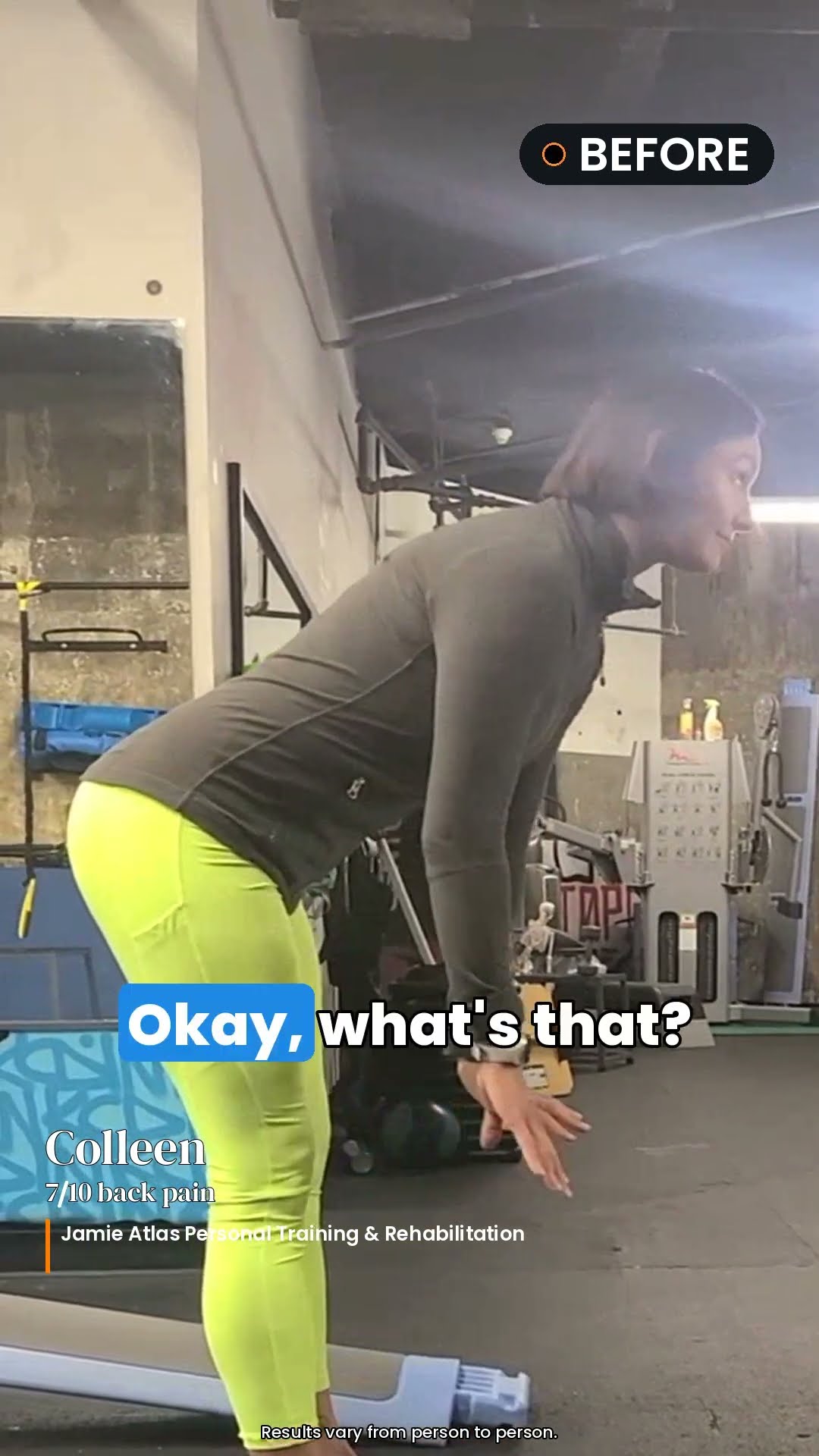 Play video: Back Pain Relief in Denver: Colleen Went From 7/10 Bending to a Full Toe-Touch
Grant Went From 4-5/10 to Zero Before His Fight
Results vary from person to person.
 Play video: Neck Pain Relief in Denver: Grant Went From 4-5/10 to Zero Before His Fight
Judy Went From 10/10 to No Pain in About Half an Hour
Results vary from person to person.
 Play video: Shoulder Pain Relief in Denver: Judy Went From 10/10 to No Pain in About Half an Hour
Cindy Went From 6-7/10 to 2/10 in Under 10 Minutes
Results vary from person to person.
 Play video: Knee Pain Relief in Denver: Cindy Went From 6-7/10 to 2/10 in Under 10 Minutes
Kendra Went From 7-8/10 to Zero in 20 to 30 Minutes
Results vary from person to person.
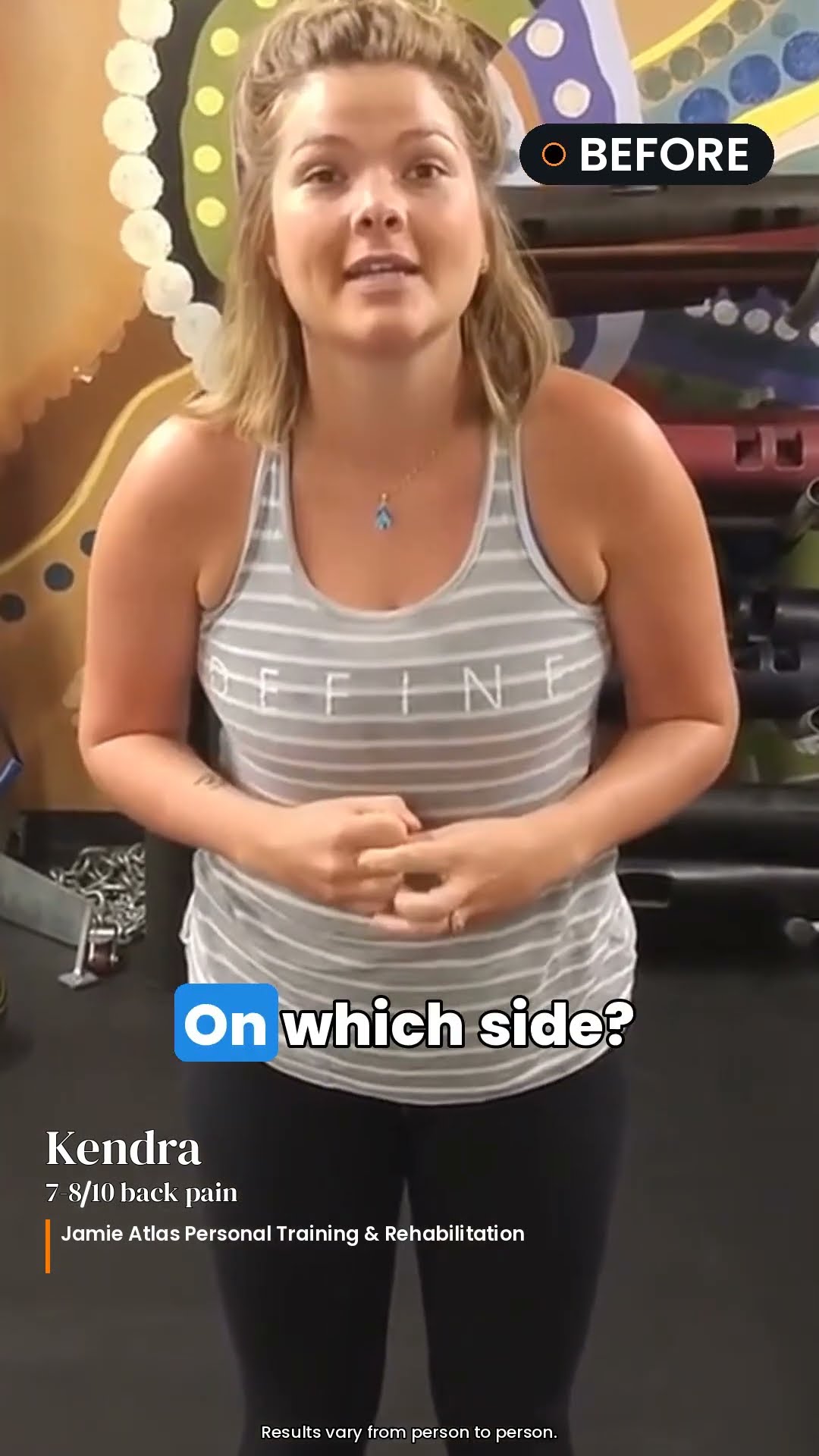 Play video: Back Pain Relief in Denver: Kendra Went From 7-8/10 to Zero in 20 to 30 Minutes
Wendy Was Told She Needed Surgery. Walked Pain-Free After One Session
Results vary from person to person.
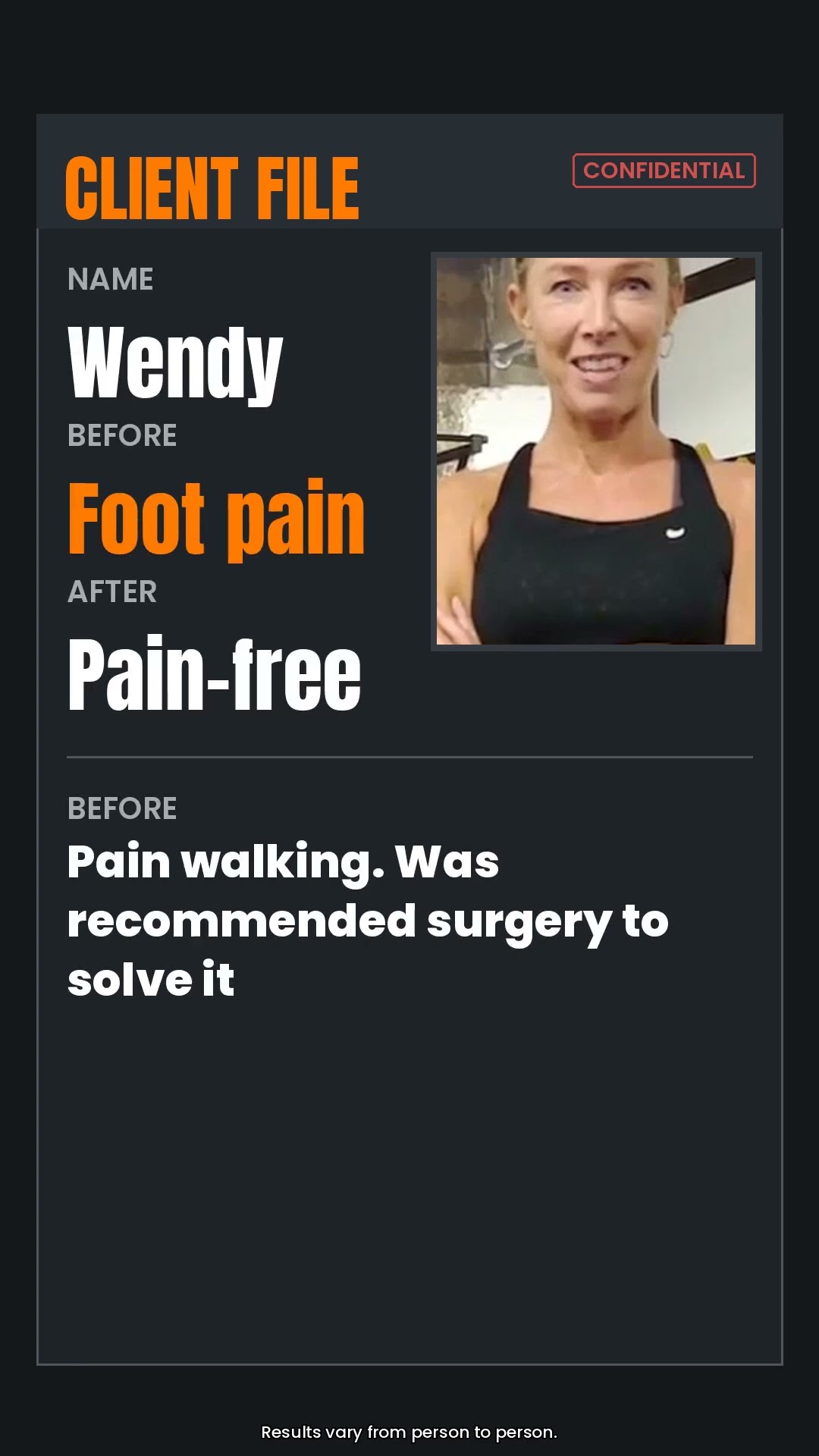 Play video: Foot Pain Relief in Denver: Wendy Was Told She Needed Surgery. Walked Pain-Free After One Session
Which of these is you?
You're hurting now, and the season is coming. The knee, the back, the shoulder: you've had it looked at, or you haven't, and either way it hasn't resolved. Start with what to do when you've tried everything.
You've been cleared, but you don't trust it. Surgery or a serious injury, rehab completed, paperwork signed, and you still haven't booked the trip. This is the gap between cleared and ready.
You're fine, and you want to stay that way. You've watched friends lose a season to one bad afternoon. Training so it doesn't happen to you.
Why skiing catches people out
Here's the thing it took me an embarrassingly long time to say out loud: almost nothing about a ski turn resembles the way we all train for one.
The stance is asymmetric, one ski carrying far more than the other. The hips are turned relative to the feet. The ground under one foot is higher than the ground under the other. The torso is doing something entirely different from the legs, and the terrain changes its mind about all of it every few seconds.
Now picture the standard preparation for it. Squats, facing forward. Leg press, facing forward. A machine that helpfully holds your torso still so you can isolate one thing at a time. Every one of those is a perfectly good exercise. Not one of them has ever met a mogul.
Then there's the arithmetic of day one, which nobody does. For most Colorado skiers the first day is more total leg volume than anything they've done in eight months: at altitude, in the cold, on snow they haven't stood on since March. Treating that as the opening session of a season rather than a normal Saturday isn't being precious. It's just counting.
The full breakdown lives in the ski season prep guide, along with squats that match the turn, balance for the moment an edge catches, and the mobility side of it.
People who came in with this
Danielle Came In at 7-8/10. See What Changed in 30 Minutes
A skier who'd had it for six weeks. Neck pain at 7 to 8/10, and a clear change about half an hour later.
Results vary from person to person.
 Play video: Neck Pain Relief in Denver: Danielle Came In at 7-8/10. See What Changed in 30 Minutes
Brad Went From 6/10 to 1/10 After a Fall
A hiker who'd had it for six months, since a fall. 6/10 squatting to about 1/10, about 50 minutes later.
Results vary from person to person.
 Play video: Knee Pain Relief in Denver: Brad Went From 6/10 to 1/10 After a Fall
Meghan's Locking Knee Went From 5/10 to 0
An MMA fighter with a high-grade MCL tear and a mild ACL tear. 1 to 2/10 standing, 5/10 when the knee locked. About 50 minutes later: 0.
Results vary from person to person.
 Play video: Knee Pain Relief in Denver: Meghan's Locking Knee Went From 5/10 to 0
All client videos · results vary from person to person.
What working together looks like
It starts with a 30-minute assessment session, $57: your history, the injury or the surgery if there was one, the rehab you already did, and the specific thing you want back. Then we find out what your body currently accepts under the kind of load skiing applies: one leg, sideways, decelerating, on a base that isn't level and won't hold still.
From there it's one-on-one sessions of 60 or 30 minutes, with me, at the private studio at 1800 Glenarm Place downtown. Not a printed sheet. Not a shared appointment. And if your case isn't a fit for what I do, I'll say so in the first half hour and point you at whoever is, a considerably cheaper conversation on day one than on day forty.
I've been running ski conditioning in Denver since 2008. The Denver Post ran my ski prep work in December 2010, and I've covered it on 9NEWS as their fitness expert.
Common questions
When should I start getting ready for ski season in Colorado?
Six to eight weeks before your first day gives the tissue time to adapt. So late September or early October for most Colorado skiers. That window matters more than the total amount of work: tendons and connective tissue respond to load slowly, and there is no way to compress that into the week before opening day. If you are coming back from a knee or back problem, start earlier and get assessed first, because the question is not how fit you are but what the repaired side currently tolerates under lateral load.
I was cleared after my knee surgery but I am scared to ski. Is that normal?
Extremely. Discharge from physical therapy usually means you met a functional benchmark: stairs, walking, basic strength. It rarely means anyone tested you against a ski turn at speed on variable snow. The hesitation you feel is your nervous system asking for evidence it has not been given yet. That gap between cleared and ready is specific, it is measurable, and it is most of what this studio does.
Why do so many ski injuries happen on the first and last run?
First run, nothing is warm and the movement pattern has not been used since last season. Last run, the muscles that decelerate you are fatigued and the joint starts absorbing what the muscle no longer can. Both are load-management problems rather than bad luck. Conditioning that builds endurance in the specific braking muscles (not just general fitness) is what moves both ends of that day.
So. The turn is asymmetric, the training is symmetrical, and the biggest day of the year is the one nobody prepares for. Read that back and it's fairly obvious, which is the irritating part, because it was obvious the whole time, to all of us, and we went and did leg press anyway.
Anyway. You know it now. Best of luck going back to not knowing it, and to being the one who gets down the mountain on a single ski with the paperboy still after him. Two dollars was a lot of money in 1985.
How many seasons do you have left to waste?
A 30-minute assessment session, $57: your history, my plain read on whether I can help, and one change you can measure before you leave. Best booked six to eight weeks before your first day.
Not in pain, just want to train hard without getting hurt? That's most of what I do →
Book me in for my first session nowOr call (303) 625-9446 · Knee pain · Skiing with bad knees · Post-surgical return to sport