
For cyclists
You got fitter and your back got worse, and those two facts are related.
Which feels like an insult from your own body, so let me put it the right way round. Nothing about you deteriorated. Your engine improved to the point where you can now hold a slightly compromised position for four hours instead of one — and the tissue that was quietly absorbing the difference is now doing it four times as long.
“I picked up my daughter and my neck went numb”
— Monique, 4 weeks of 7/10 neck painYour results may vary.
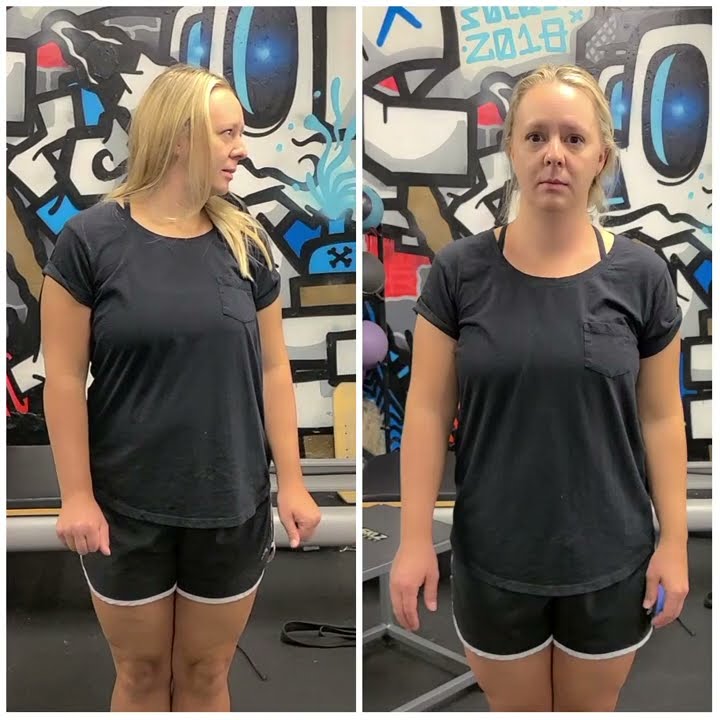 Play video: Client testimonial: Monique, 4 weeks of neck pain rated 7/10
 “I tried a new move in yoga. I woke up the next morning and couldn't move my neck”
— Danielle, 6 weeks of 7/10 neck painYour results may vary.
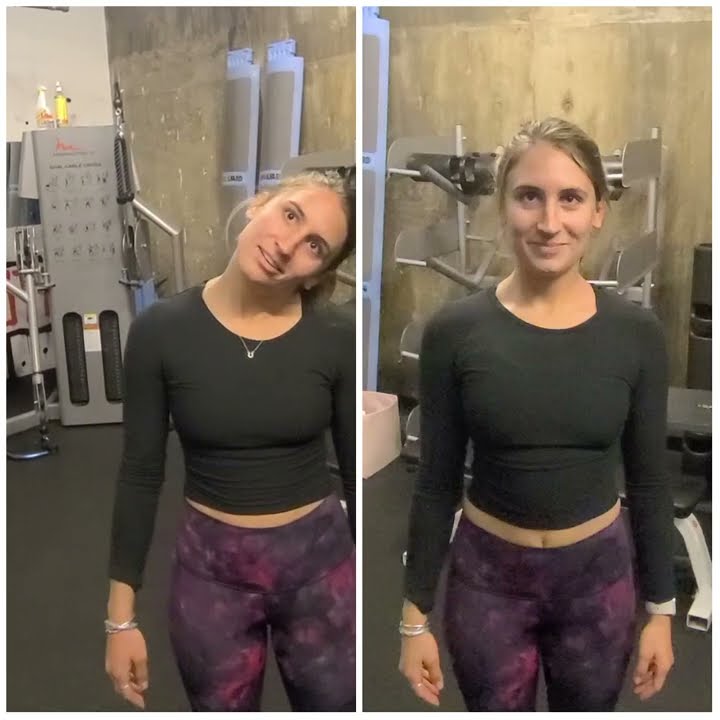 Play video: Client testimonial: Danielle, 6 weeks of neck pain rated 7/10
 “After 3 years I didn't think anyone could help me fix my neck”
— Sandy, 3 years of 8/10 neck painYour results may vary.
 Play video: Client testimonial: Sandy, 3 years of neck pain rated 8/10
 “My office job means my neck is in constant pain, nothing seems to help”
— Natasha, 4 weeks of 7/10 neck painYour results may vary.
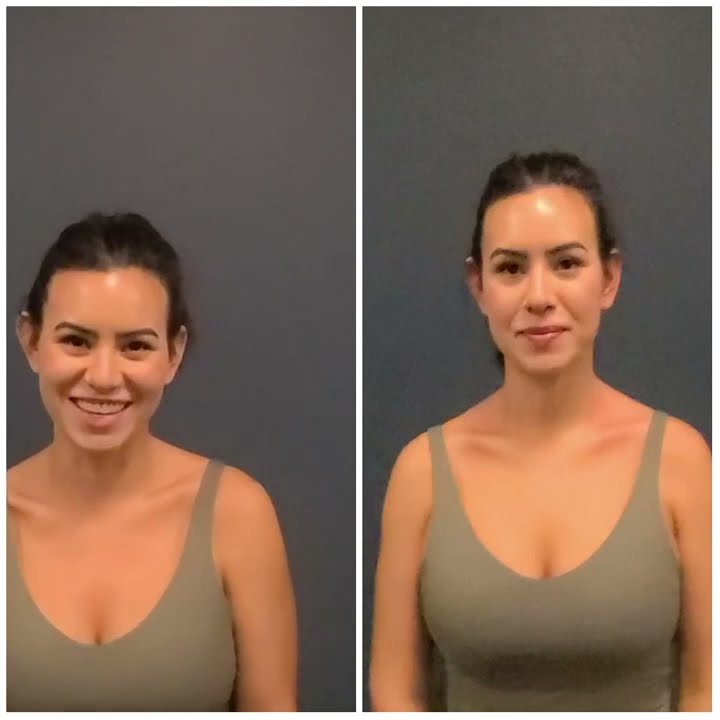 Play video: Client testimonial: Natasha, 4 weeks of neck pain rated 7/10
 “It's too hard to get in shape when I've had knee pain ever since I can remember”
— Cindy, a lifetime of 6/10 knee painYour results may vary.
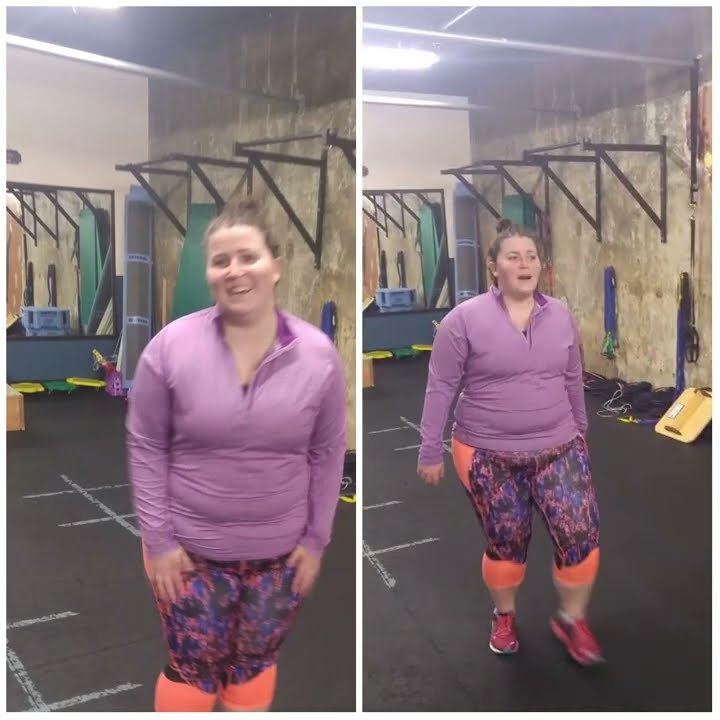 Play video: Client testimonial: Cindy, a lifetime of knee pain rated 6/10
 “I tore my ACL in an MMA match and haven't been able to train since”
— Meghan, 4/10 knee pain after an ACL tearYour results may vary.
 Play video: Client testimonial: Meghan, knee pain after an ACL tear, 4 out of 10 down to 0
 “After my fall my knee was in pain and I couldn't stand on one leg”
— Brad, 6 months of 6/10 knee painYour results may vary.
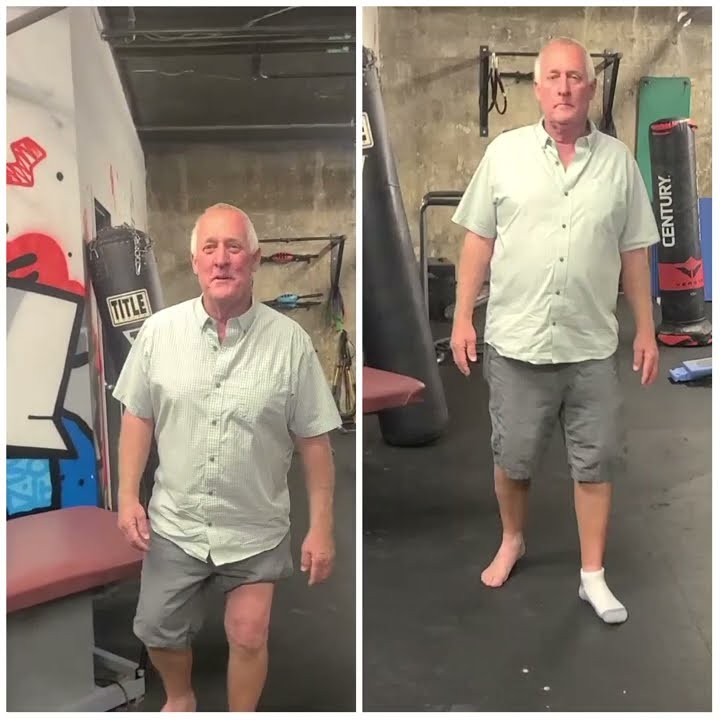 Play video: Client testimonial: Brad, 6 months of knee pain rated 6/10
 “I got surgery on my shoulder 2 years ago and have been getting rolfing and PT”
— Samantha, 5 years of 7/10 shoulder painYour results may vary.
 Play video: Client testimonial: Samantha, 5 years of shoulder pain rated 7/10
 “My shoulder numbness and tingling was so bad I drove 2 hours to see Jamie Atlas”
— Heather, 6 weeks of 10/10 shoulder nerve painYour results may vary.
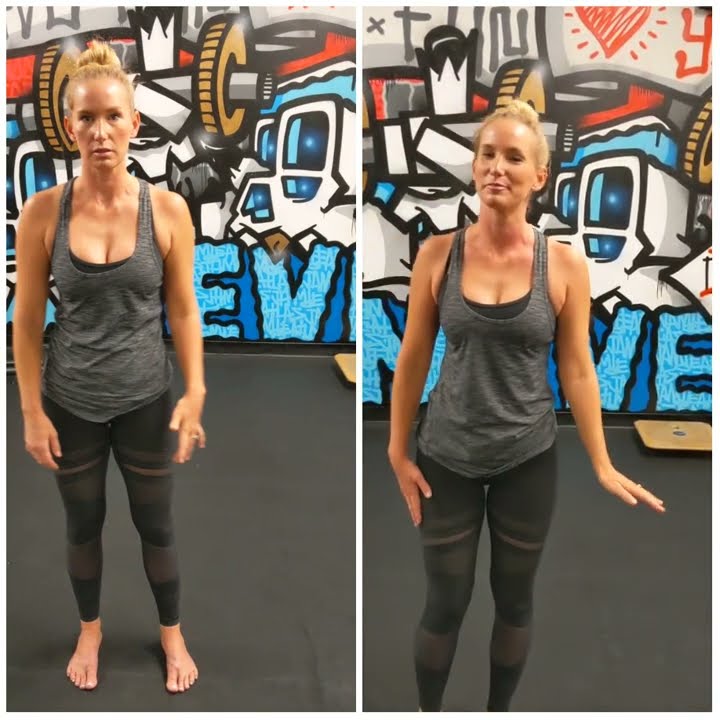 Play video: Client testimonial: Heather, 6 weeks of shoulder nerve pain rated 10/10
 “I've been in physical therapy for 6 months and I'm stalled on my results”
— Judy, 6 months of 10/10 shoulder painYour results may vary.
 Play video: Client testimonial: Judy, 6 months of shoulder pain rated 10/10
 “My shoulder pain meant I couldn't take my shirt on or off without hurting”
— Sharon, 4 months of 6/10 shoulder painYour results may vary.
 Play video: Client testimonial: Sharon, 4 months of shoulder pain rated 6/10
 “3 surgeries over 10 years and I still can't get my shoulder above my head”
— Clay, 10 years of 7/10 shoulder painYour results may vary.
 Play video: Client testimonial: Clay, 10 years of shoulder pain rated 7/10
 “Taking my dog for a walk he pulled on my shoulder and now it hurts to move”
— Kendall, 2 weeks of 6/10 shoulder painYour results may vary.
 Play video: Client testimonial: Kendall, 2 weeks of shoulder pain rated 6/10
 “I was squatting at the gym when I felt a pop and my leg went numb”
— Kelly, 12 months of 8/10 back painYour results may vary.
 Play video: Client testimonial: Kelly, 12 months of back pain rated 8/10
 “After the car accident the hospital said I was fine but my back pain says otherwise”
— Dax, 5 days of 10/10 back painYour results may vary.
 Play video: Client testimonial: Dax, 5 days of back pain rated 10/10
 “Playing football has left me with constant back pain that I can't get rid of”
— Matthew, 7 weeks of 7/10 back painYour results may vary.
 Play video: Client testimonial: Matthew, 7 weeks of back pain rated 7/10
 “I went to Pilates to fix my back but it ended up making it worse”
— Colleen, 8 weeks of 7/10 back painYour results may vary.
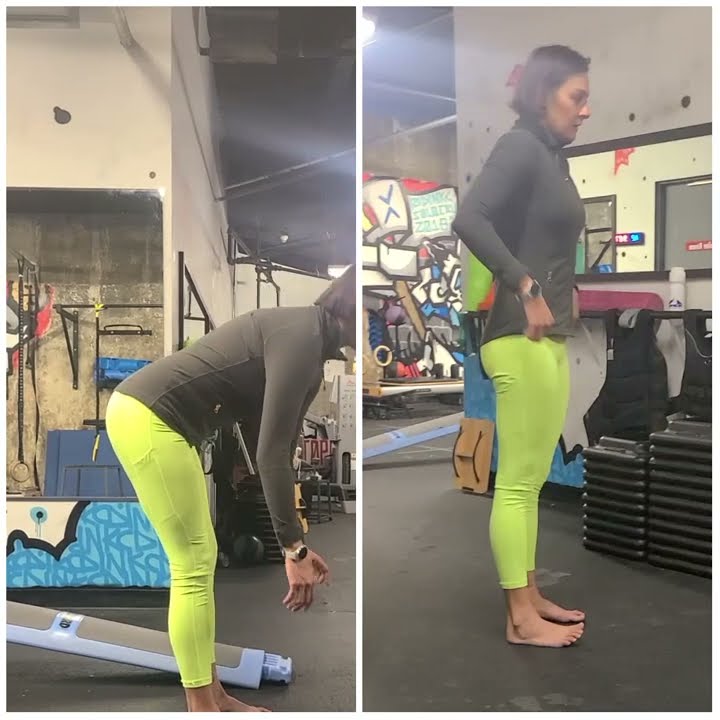 Play video: Client testimonial: Colleen, 8 weeks of back pain rated 7/10
 “I was thrown from a horse and couldn't bend over without pain”
— Katrina, 4 weeks of 6/10 back painYour results may vary.
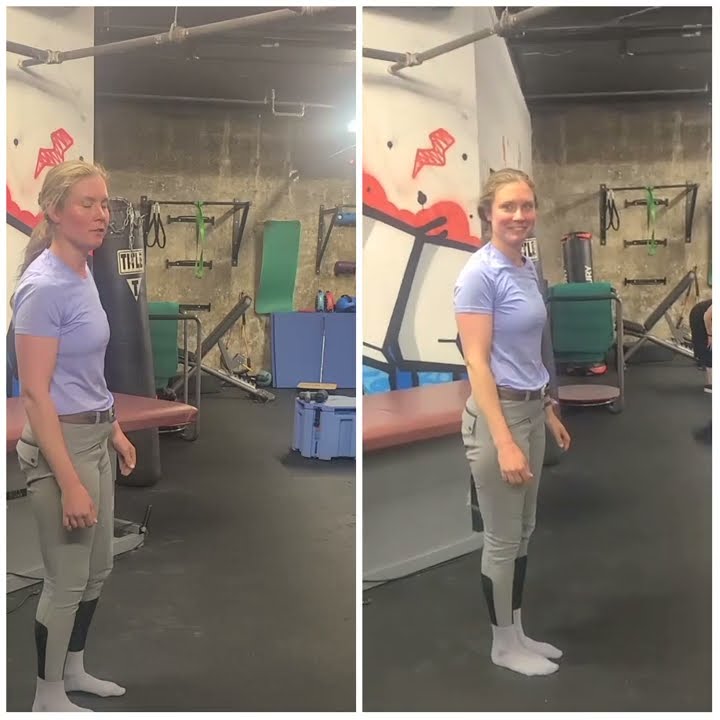 Play video: Client testimonial: Katrina, 4 weeks of back pain rated 6/10
 “This 9/10 back pain is stopping me from sleeping at night”
— Alexis, 2 months of 10/10 back painYour results may vary.
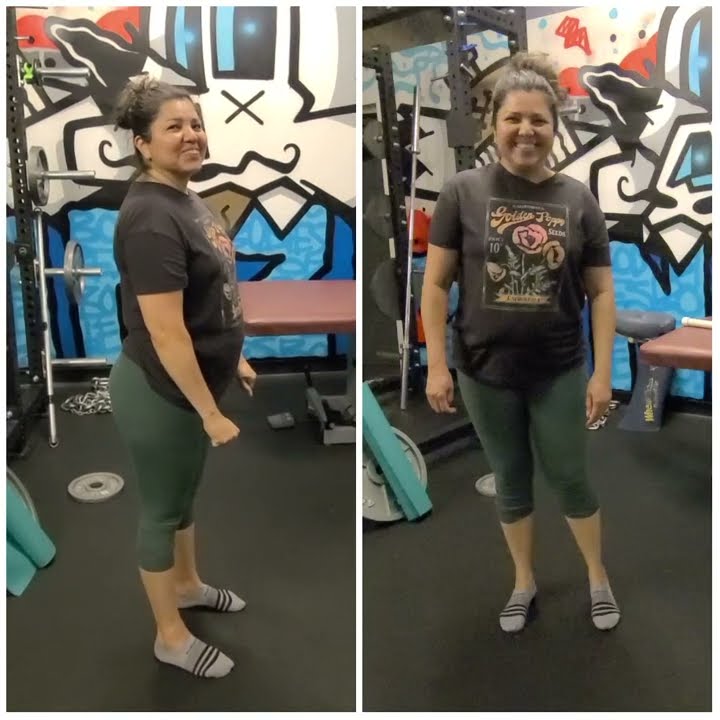 Play video: Client testimonial: Alexis, 2 months of back pain rated 10/10
 “My back pain is so bad I can't put on my shoes”
— Penelope, 5 weeks of 7/10 back painYour results may vary.
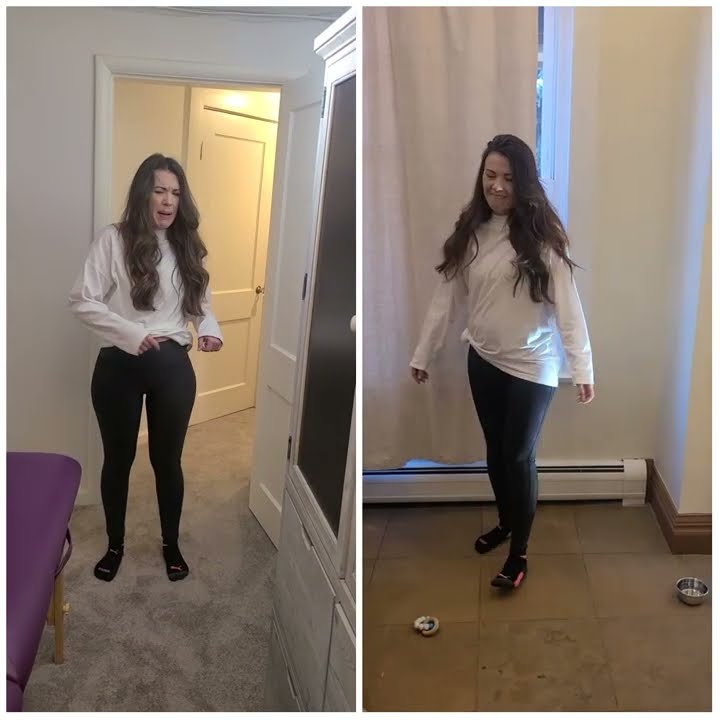 Play video: Client testimonial: Penelope, 5 weeks of back pain rated 7/10
 “Living with back pain has me living at a 7/10 pain that I can't find relief from”
— Chris, 8 weeks of 7/10 back painYour results may vary.
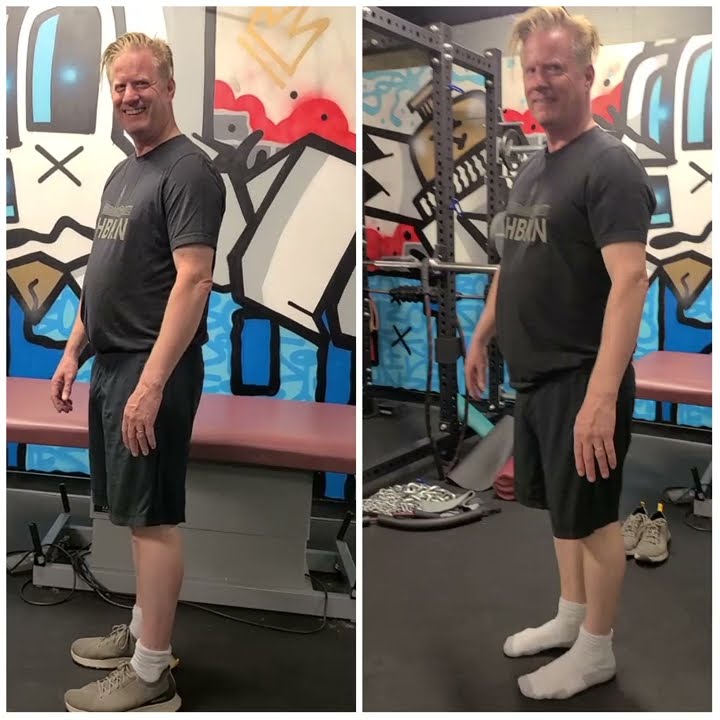 Play video: Client testimonial: Chris, 8 weeks of back pain rated 7/10
 “I have a herniated L4/L5 and my sciatic pain feels like a screwdriver in my back”
— Kendra, 2 years of shooting sciatic painYour results may vary.
 Play video: Client testimonial: Kendra, two years of shooting sciatic pain resolved
 “The doctor told me my spondylolisthesis back pain could only be cured with surgery”
— Tony, 2 weeks of lightning-bolt back painYour results may vary.
 Play video: Client testimonial: Tony, two weeks of severe back pain down to 1 out of 10
 Which of these is you?
It's there on every long ride now. You've moved the saddle, you've had the fit done, you've bought the other stem. Start here.
There's something going down the leg. Not just the back any more. Sciatica that hasn't responded to the usual treatments.
You're fine and you'd like to keep the volume up. Riding a lot without paying for it later.
Eight hours at a desk, then two hours in the same shape
Here's the thing nobody wants to hear, and I say it as someone who has ridden a great deal and enjoyed all of it: the position you adopt on a road bike is not enormously different from the position you adopt at a desk.
Hips flexed. Trunk forward. Shoulders reaching. Head lifted against the whole arrangement so you can see where you're going. If you spend the working day in that shape and then choose it again as recreation, you have found a way to spend ten hours in one posture and call half of it exercise.
The muscular version is that the hip flexors and the front of the chest spend all that time shortened, the glutes and the back of the shoulder spend it lengthened and largely unrecruited, and the pedal stroke itself tends to become quad-dominant — pushing down hard, and doing much less through the back half of the circle. That last one is the piece riders most often don't know about themselves.
Road and mountain are genuinely different problems, though, and it's worth splitting them. Road is a duration problem: one position, held for hours, with the load almost entirely predictable. Mountain is an impact and reaction problem: constant changes of direction, absorbing terrain through the arms and legs, and repeated short efforts out of the saddle. A rider who does both has two separate demands and usually one set of preparation, which is normally none.
The specifics: low back pain on the bike, power on the road, and conditioning for the trail.
Someone who came in with this
Tony, 2 weeks of lightning-bolt back pain
A mountain biker, two weeks of what he called lightning-bolt pain. Down to 1/10 in 50 minutes.
Your results may vary.
Play video: Client testimonial: Tony, two weeks of severe back pain down to 1 out of 10 All client videos · results vary from person to person.
What working together actually looks like
A 60-minute assessment first — history, what's been tried, whether you've had a proper fit done, and what your riding week actually is rather than what you'd like it to be. Then we test hip range, trunk control and what your back tolerates in the positions cycling puts you in, off the bike, where I can change one variable at a time.
Then one-on-one sessions of 45 to 60 minutes with me at the studio on Glenarm Place. The work is mostly upright and mostly loaded, which is the direct opposite of what you've spent your season doing — that's rather the point.
One honest note. If you haven't had a professional bike fit, get one before you spend money with me. It solves a real category of problem faster and cheaper than I will, and I would rather tell you that now than take six sessions to arrive at it.
Common questions
Why does my back hurt more the fitter I get on the bike?
Because fitness is what lets you hold a position long enough for it to matter. When you were less conditioned you got off the bike before the compensation had time to accumulate; now you can hold the same slightly-off shape for four hours instead of one. Nothing got worse — your capacity to keep going got better, and the tissue that was quietly absorbing the difference is now doing it four times as long. It feels like a betrayal by your own training. It is really just arithmetic catching up.
Will a professional bike fit fix my back pain?
A good fit is genuinely worth having and it solves a real category of problem — if your saddle height, reach or cleat position is wrong, no amount of strength work compensates for it, and a fitter will find that faster than I will. What a fit cannot do is change what your hips and back are currently capable of. If the fit is correct and the pain persists, the constraint has moved from the bike to the body. Get the fit first. Then, if it is still there, the question is a different one.
Should I stop riding while my sciatica settles?
Usually not completely, and complete rest is rarely the right prescription — guidance for persistent back pain has moved firmly towards staying active. What normally changes is the dose and the shape: shorter rides, a more upright position, less time in the drops, fewer big efforts, and specific work off the bike in between. Some presentations do need a physician first, and those need identifying before anything else — which is part of what an assessment is for. Riding through worsening leg symptoms without getting it looked at is the version I would argue against.
So the fitness didn't cause the problem — it extended the window in which the problem could happen. And the recreation you chose to escape the desk is, from your hips' point of view, more desk.
I appreciate that is not what anyone wants read back to them about a bike they saved up for. Anyway. You know it now.
You've got a season's worth of rides planned.
A 30-minute assessment, $57: your history, my plain read on whether I can help, and one change you can measure before you leave.
Not in pain, just want to train hard without getting hurt? That's most of what I do →
Book a 30-minute assessmentOr call (720) 257-9328 · Sciatica · Chronic back pain