
Resources · Mountain biking
Mountain biking: the skills start in your body
Riders chase skills clinics and suspension setups, and both help. But the platform every skill stands on is physical: a hinge you can hold, a grip that outlasts the descent, and balance that reacts faster than you think.
“I picked up my daughter and my neck went numb”
— Monique, 4 weeks of 7/10 neck painYour results may vary.
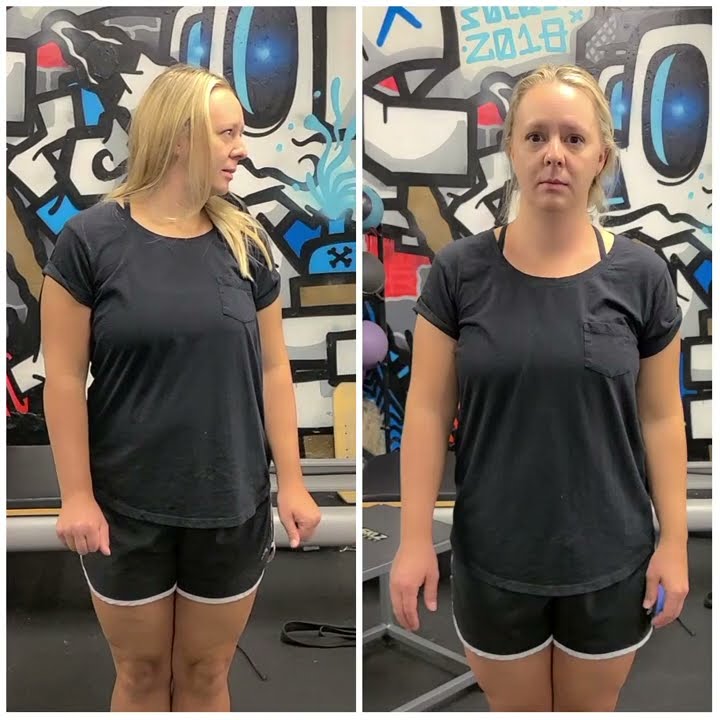 Play video: Client testimonial: Monique, 4 weeks of neck pain rated 7/10
 “I tried a new move in yoga. I woke up the next morning and couldn't move my neck”
— Danielle, 6 weeks of 7/10 neck painYour results may vary.
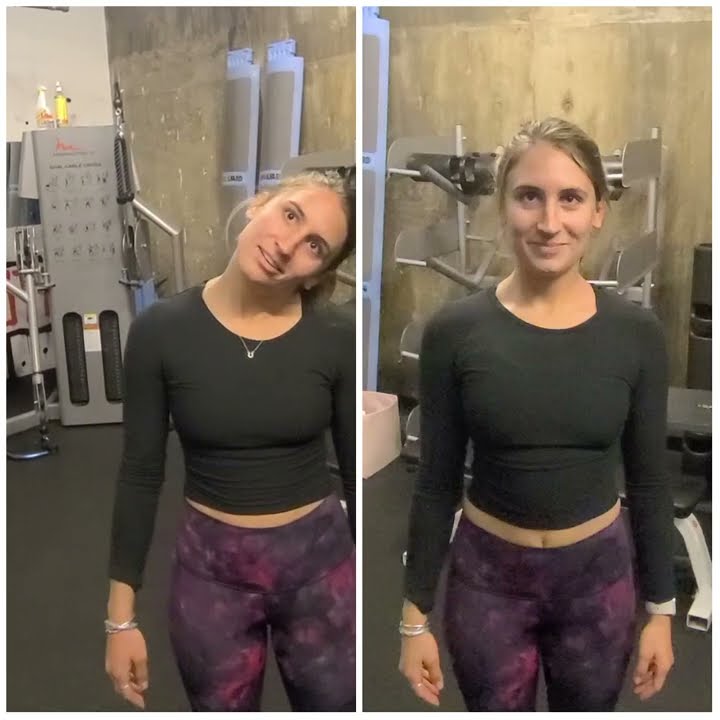 Play video: Client testimonial: Danielle, 6 weeks of neck pain rated 7/10
 “After 3 years I didn't think anyone could help me fix my neck”
— Sandy, 3 years of 8/10 neck painYour results may vary.
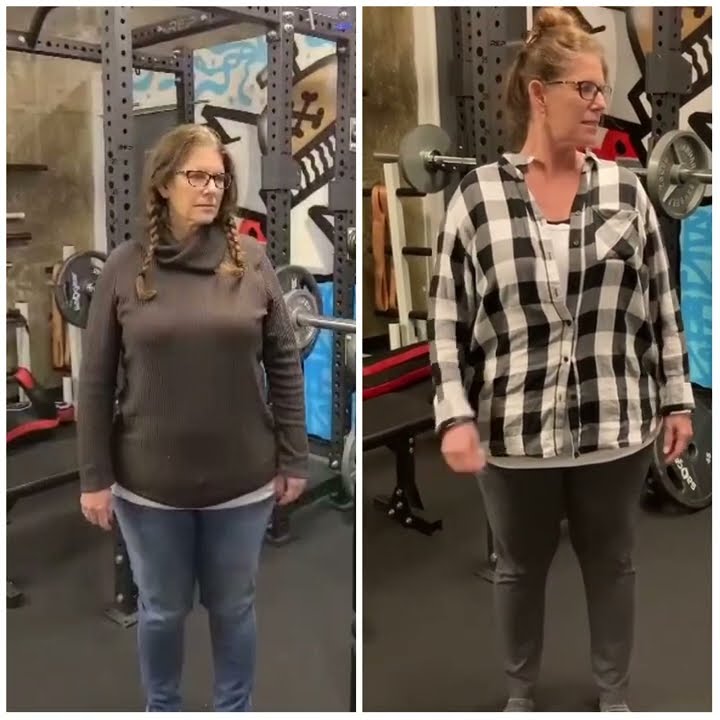 Play video: Client testimonial: Sandy, 3 years of neck pain rated 8/10
 “My office job means my neck is in constant pain, nothing seems to help”
— Natasha, 4 weeks of 7/10 neck painYour results may vary.
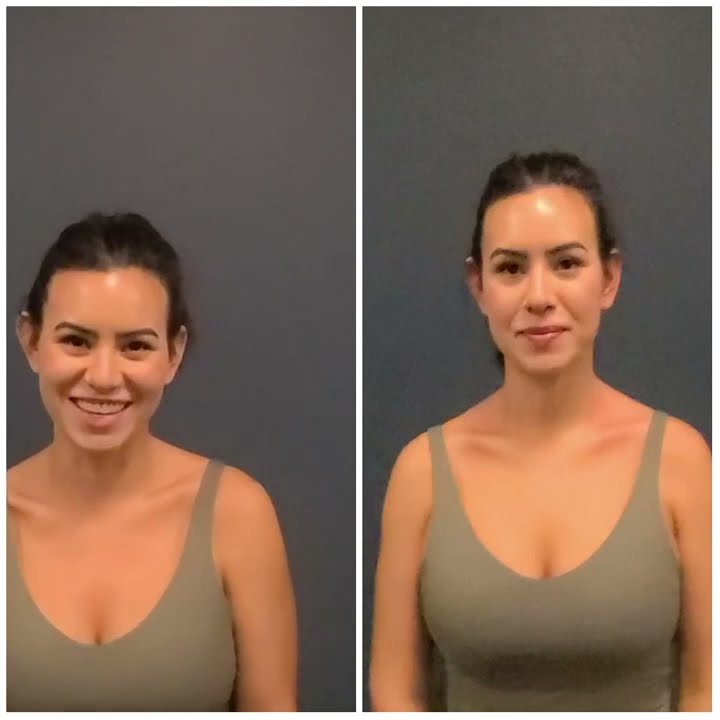 Play video: Client testimonial: Natasha, 4 weeks of neck pain rated 7/10
 “It's too hard to get in shape when I've had knee pain ever since I can remember”
— Cindy, a lifetime of 6/10 knee painYour results may vary.
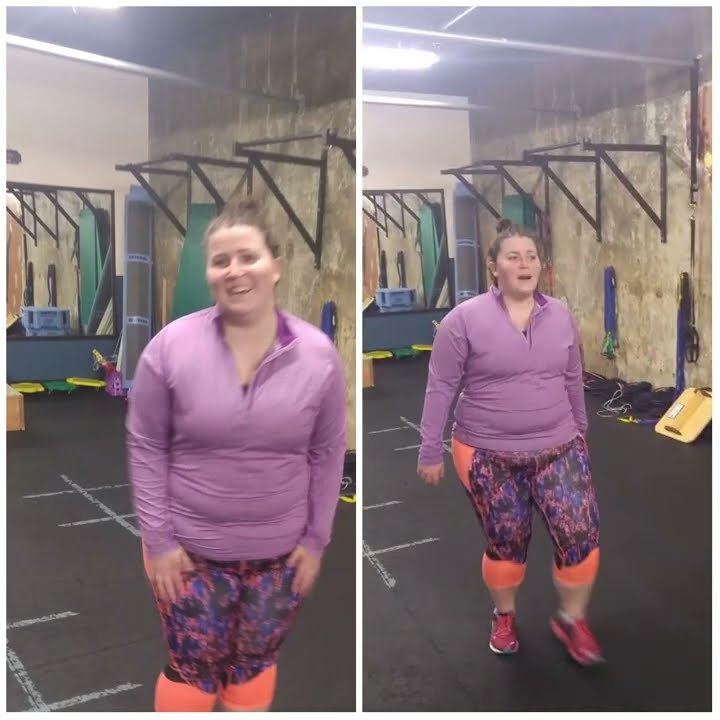 Play video: Client testimonial: Cindy, a lifetime of knee pain rated 6/10
 “I tore my ACL in an MMA match and haven't been able to train since”
— Meghan, 4/10 knee pain after an ACL tearYour results may vary.
 Play video: Client testimonial: Meghan, knee pain after an ACL tear, 4 out of 10 down to 0
 “After my fall my knee was in pain and I couldn't stand on one leg”
— Brad, 6 months of 6/10 knee painYour results may vary.
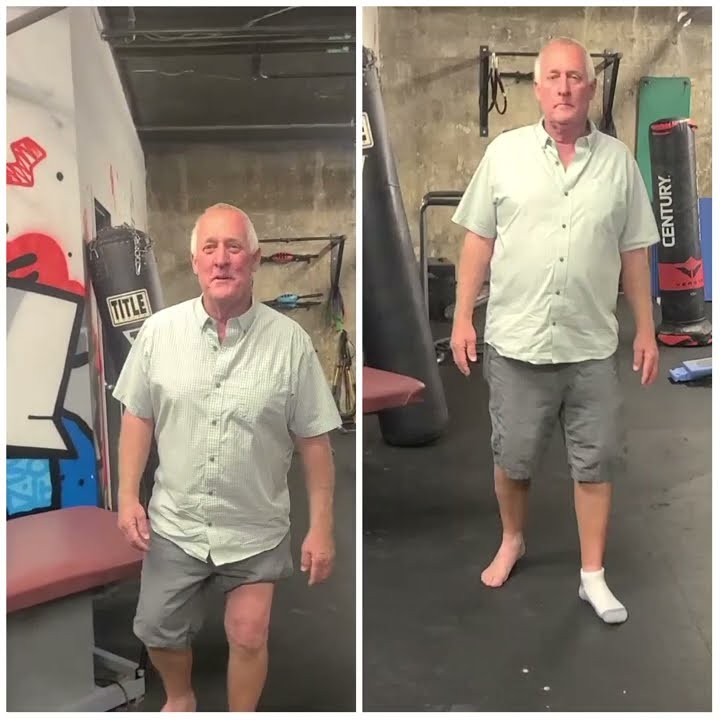 Play video: Client testimonial: Brad, 6 months of knee pain rated 6/10
 “I got surgery on my shoulder 2 years ago and have been getting rolfing and PT”
— Samantha, 5 years of 7/10 shoulder painYour results may vary.
 Play video: Client testimonial: Samantha, 5 years of shoulder pain rated 7/10
 “My shoulder numbness and tingling was so bad I drove 2 hours to see Jamie Atlas”
— Heather, 6 weeks of 10/10 shoulder nerve painYour results may vary.
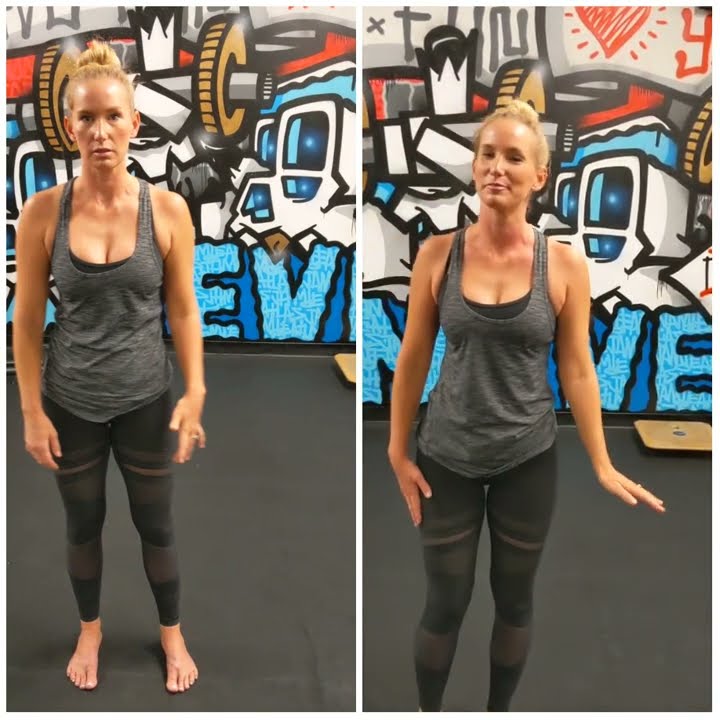 Play video: Client testimonial: Heather, 6 weeks of shoulder nerve pain rated 10/10
 “I've been in physical therapy for 6 months and I'm stalled on my results”
— Judy, 6 months of 10/10 shoulder painYour results may vary.
 Play video: Client testimonial: Judy, 6 months of shoulder pain rated 10/10
 “My shoulder pain meant I couldn't take my shirt on or off without hurting”
— Sharon, 4 months of 6/10 shoulder painYour results may vary.
 Play video: Client testimonial: Sharon, 4 months of shoulder pain rated 6/10
 “3 surgeries over 10 years and I still can't get my shoulder above my head”
— Clay, 10 years of 7/10 shoulder painYour results may vary.
 Play video: Client testimonial: Clay, 10 years of shoulder pain rated 7/10
 “Taking my dog for a walk he pulled on my shoulder and now it hurts to move”
— Kendall, 2 weeks of 6/10 shoulder painYour results may vary.
 Play video: Client testimonial: Kendall, 2 weeks of shoulder pain rated 6/10
 “I was squatting at the gym when I felt a pop and my leg went numb”
— Kelly, 12 months of 8/10 back painYour results may vary.
 Play video: Client testimonial: Kelly, 12 months of back pain rated 8/10
 “After the car accident the hospital said I was fine but my back pain says otherwise”
— Dax, 5 days of 10/10 back painYour results may vary.
 Play video: Client testimonial: Dax, 5 days of back pain rated 10/10
 “Playing football has left me with constant back pain that I can't get rid of”
— Matthew, 7 weeks of 7/10 back painYour results may vary.
 Play video: Client testimonial: Matthew, 7 weeks of back pain rated 7/10
 “I went to Pilates to fix my back but it ended up making it worse”
— Colleen, 8 weeks of 7/10 back painYour results may vary.
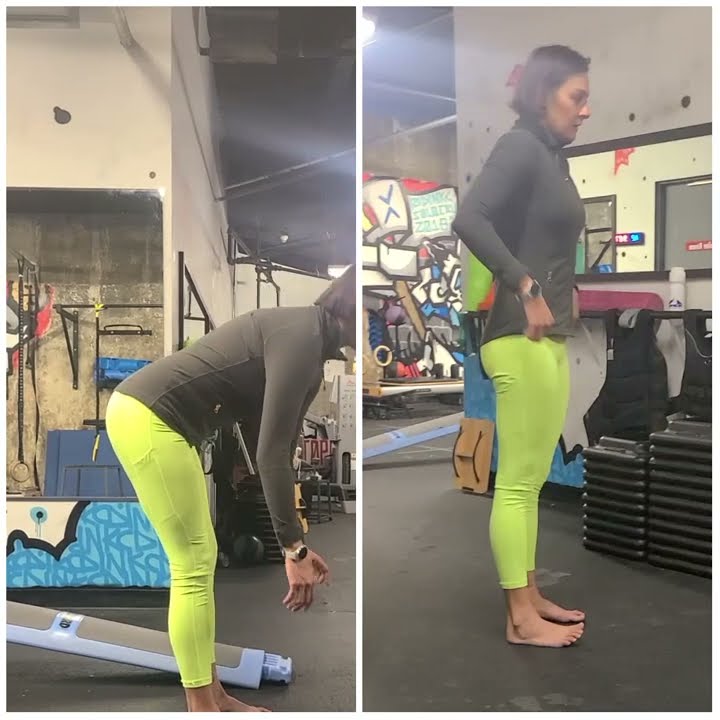 Play video: Client testimonial: Colleen, 8 weeks of back pain rated 7/10
 “I was thrown from a horse and couldn't bend over without pain”
— Katrina, 4 weeks of 6/10 back painYour results may vary.
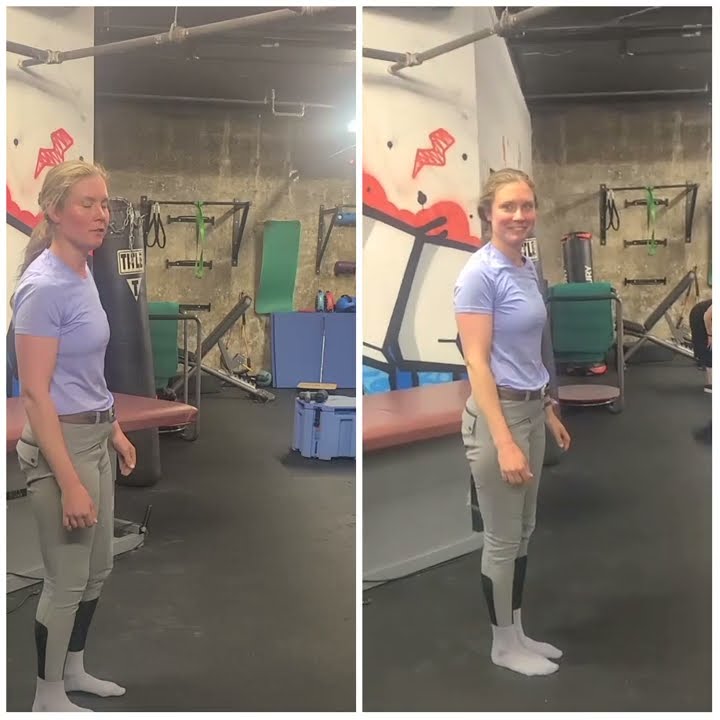 Play video: Client testimonial: Katrina, 4 weeks of back pain rated 6/10
 “This 9/10 back pain is stopping me from sleeping at night”
— Alexis, 2 months of 10/10 back painYour results may vary.
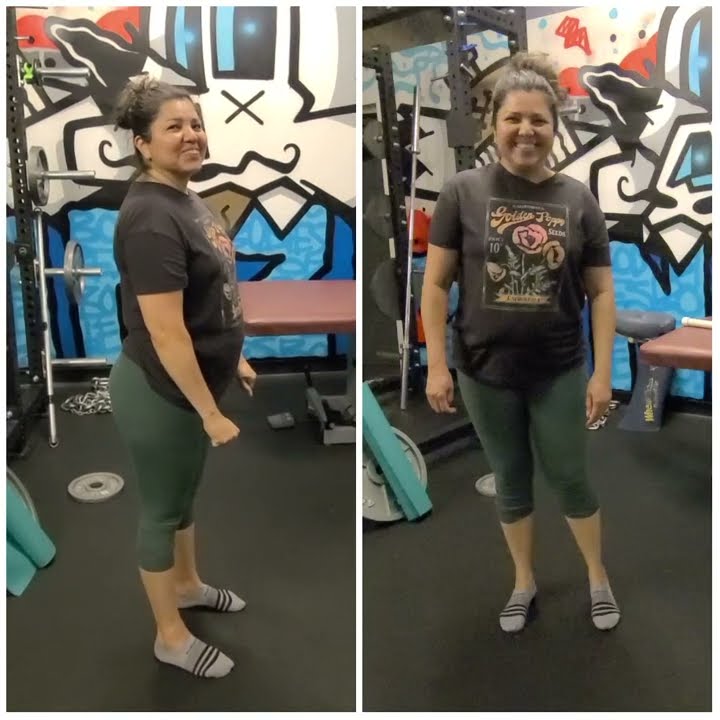 Play video: Client testimonial: Alexis, 2 months of back pain rated 10/10
 “My back pain is so bad I can't put on my shoes”
— Penelope, 5 weeks of 7/10 back painYour results may vary.
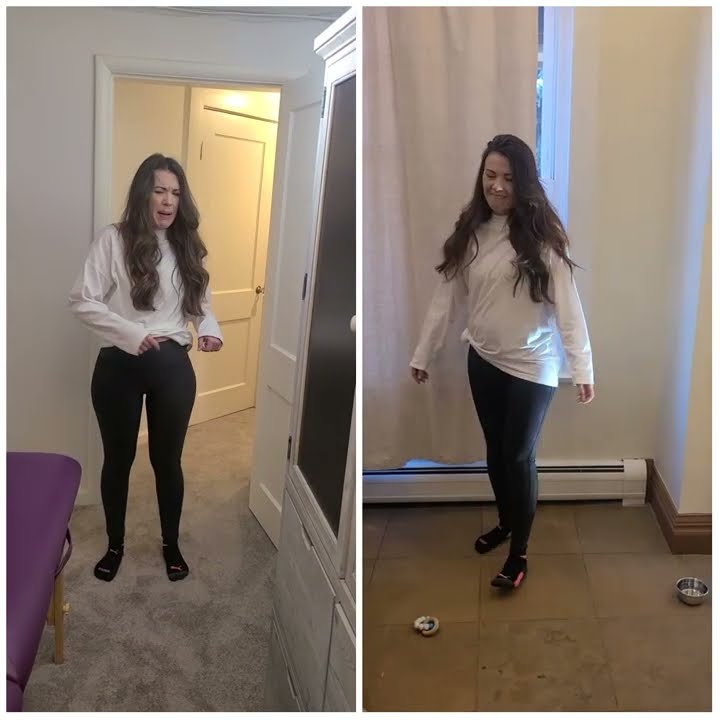 Play video: Client testimonial: Penelope, 5 weeks of back pain rated 7/10
 “Living with back pain has me living at a 7/10 pain that I can't find relief from”
— Chris, 8 weeks of 7/10 back painYour results may vary.
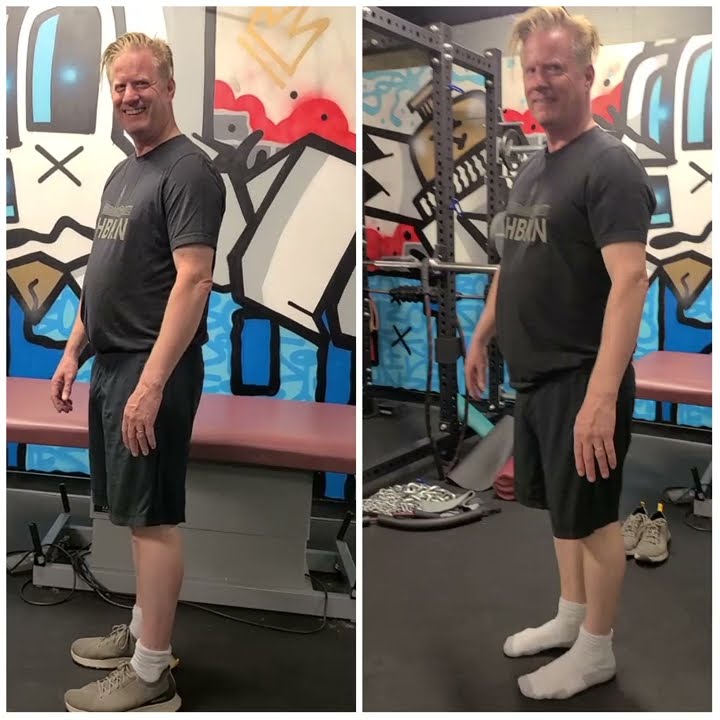 Play video: Client testimonial: Chris, 8 weeks of back pain rated 7/10
 “I have a herniated L4/L5 and my sciatic pain feels like a screwdriver in my back”
— Kendra, 2 years of shooting sciatic painYour results may vary.
 Play video: Client testimonial: Kendra, two years of shooting sciatic pain resolved
 “The doctor told me my spondylolisthesis back pain could only be cured with surgery”
— Tony, 2 weeks of lightning-bolt back painYour results may vary.
 Play video: Client testimonial: Tony, two weeks of severe back pain down to 1 out of 10
 Watch the segment
Three exercises to improve mountain biking, from my 9NEWS years — short and trail-focused.
 Play video: Wellness Wednesday: 3 exercises to improve mountain biking skills — 9NEWS
 Three directions that show up on the trail
Own the hinge. The attack position — hips back, chest low, arms soft — is a barely disguised deadlift held for minutes. Riders with weak hinge endurance drift upright as they tire, weight creeps forward, and the front wheel starts making decisions. Deadlift patterns, kettlebell swings and timed hinge holds transfer almost one-to-one.
Train rotation — and the resisting of it. When a root kicks your rear wheel sideways, what saves the line is your trunk absorbing rotation your arms did not order. Band chops, single-arm carries and anti-rotation presses build exactly that. This is the same principle running through the whole series: sports rotate, so training should too.
Make balance reactive. Track stands are nice; reacting is nicer. The moving-surface work in the balance training article — where the ground shifts under you and your ankles and hips answer without a committee meeting — is the gym version of every off-camber root section in Colorado.
One more, for riders over 40 especially: the neck and low back absorb what the suspension does not. If rides end with a stiff neck or a familiar back ache, that is not the price of the sport — it is usually a position and capacity problem with a fix.
Common questions
What exercises improve mountain biking?
The ones that match riding positions. The attack position is a loaded hip hinge held for minutes at a time, so hinge strength and endurance (deadlift patterns, iso-holds) transfer directly. Rotation and anti-rotation work stabilize you when the trail kicks the bike sideways. And single-leg strength covers punchy climbs and the pedal-strike moments where one leg suddenly does everything.
Why do my hands and forearms give out on descents?
Descending is a grip-endurance event — brakes feathered, bars absorbing chatter, often for ten minutes straight. When forearms cook, braking gets choppy and confidence goes with it. Loaded carries, dead hangs, and simply riding more chunk build it. If numbness or tingling comes with it, that is a different conversation worth having — nerve irritation and pump are not the same problem.
Does core strength really matter for mountain biking?
On a mountain bike your trunk is the suspension linkage between two contact patches — soft where it should be firm and the bike wanders; rigid where it should be springy and every hit reaches your neck. What riders need is less crunch strength and more control: the ability to hold a hinge while arms and legs move independently, and to resist rotation when the trail applies it. That is very trainable.
Riding around an old injury instead of through your potential?
A 30-minute assessment, $57: your history, my plain read on whether I can help, and one change you can measure before you leave.
Book a 30-minute assessmentOr call (720) 257-9328 · See what I work with