
Resources · Cycling
Cyclists' low back pain usually isn't coming from the back
You stretched it. You foam rolled it. You got the bike refitted, twice, and the second fitter contradicted the first. It helped for a few weeks, then the ache came back exactly where it was. Brief relief, reliable return — that's the signature of treating a symptom where it's felt rather than where it's generated.
“I picked up my daughter and my neck went numb”
— Monique, 4 weeks of 7/10 neck painYour results may vary.
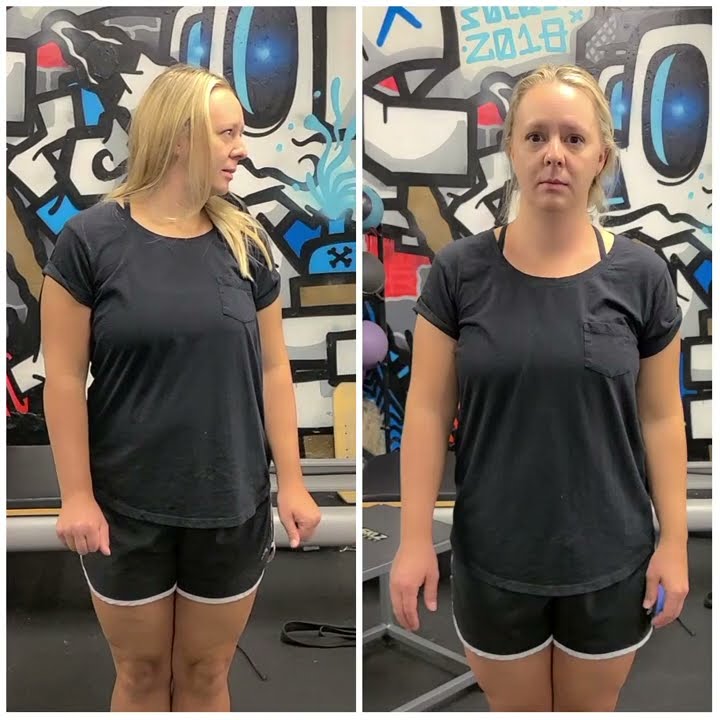 Play video: Client testimonial: Monique, 4 weeks of neck pain rated 7/10
 “I tried a new move in yoga. I woke up the next morning and couldn't move my neck”
— Danielle, 6 weeks of 7/10 neck painYour results may vary.
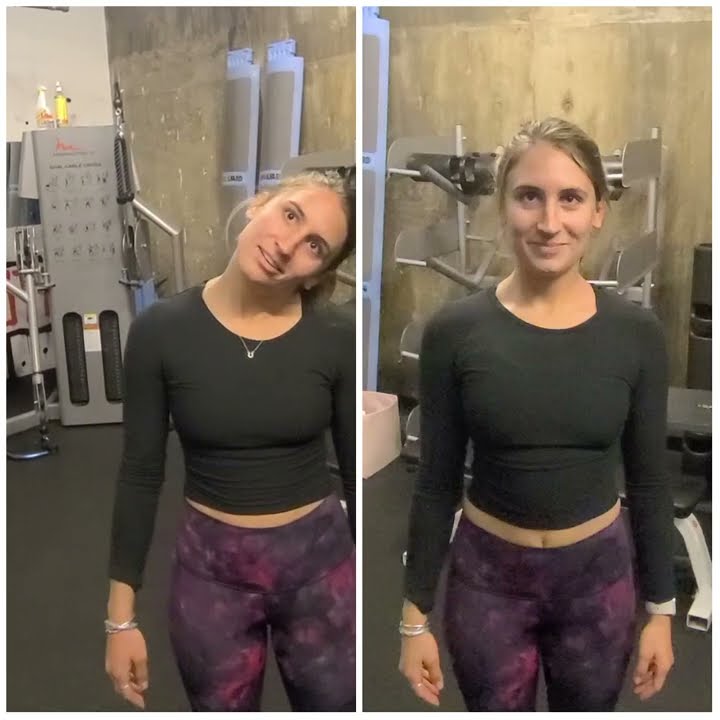 Play video: Client testimonial: Danielle, 6 weeks of neck pain rated 7/10
 “After 3 years I didn't think anyone could help me fix my neck”
— Sandy, 3 years of 8/10 neck painYour results may vary.
 Play video: Client testimonial: Sandy, 3 years of neck pain rated 8/10
 “My office job means my neck is in constant pain, nothing seems to help”
— Natasha, 4 weeks of 7/10 neck painYour results may vary.
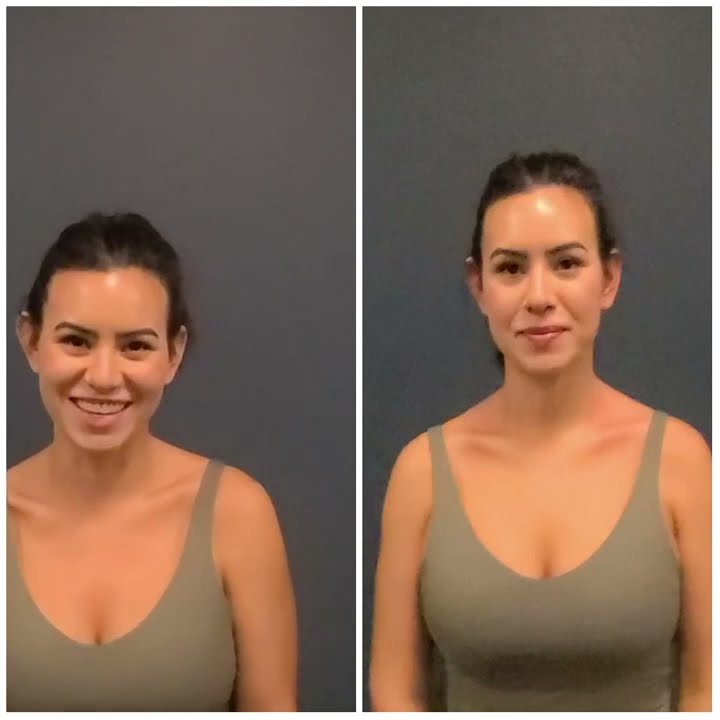 Play video: Client testimonial: Natasha, 4 weeks of neck pain rated 7/10
 “It's too hard to get in shape when I've had knee pain ever since I can remember”
— Cindy, a lifetime of 6/10 knee painYour results may vary.
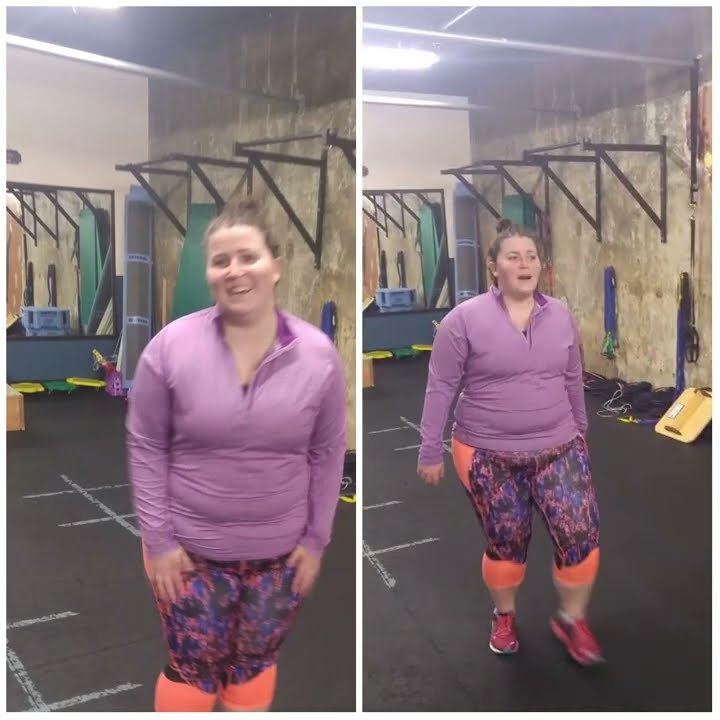 Play video: Client testimonial: Cindy, a lifetime of knee pain rated 6/10
 “I tore my ACL in an MMA match and haven't been able to train since”
— Meghan, 4/10 knee pain after an ACL tearYour results may vary.
 Play video: Client testimonial: Meghan, knee pain after an ACL tear, 4 out of 10 down to 0
 “After my fall my knee was in pain and I couldn't stand on one leg”
— Brad, 6 months of 6/10 knee painYour results may vary.
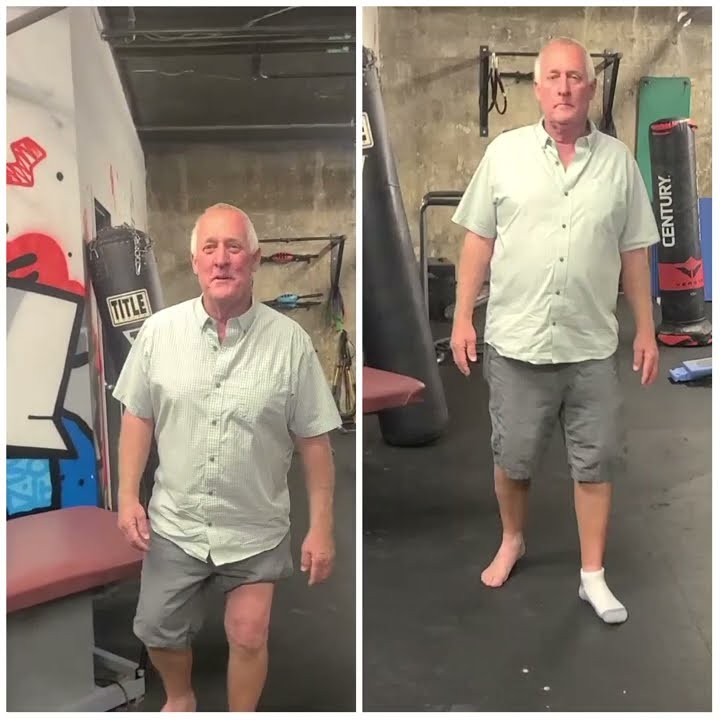 Play video: Client testimonial: Brad, 6 months of knee pain rated 6/10
 “I got surgery on my shoulder 2 years ago and have been getting rolfing and PT”
— Samantha, 5 years of 7/10 shoulder painYour results may vary.
 Play video: Client testimonial: Samantha, 5 years of shoulder pain rated 7/10
 “My shoulder numbness and tingling was so bad I drove 2 hours to see Jamie Atlas”
— Heather, 6 weeks of 10/10 shoulder nerve painYour results may vary.
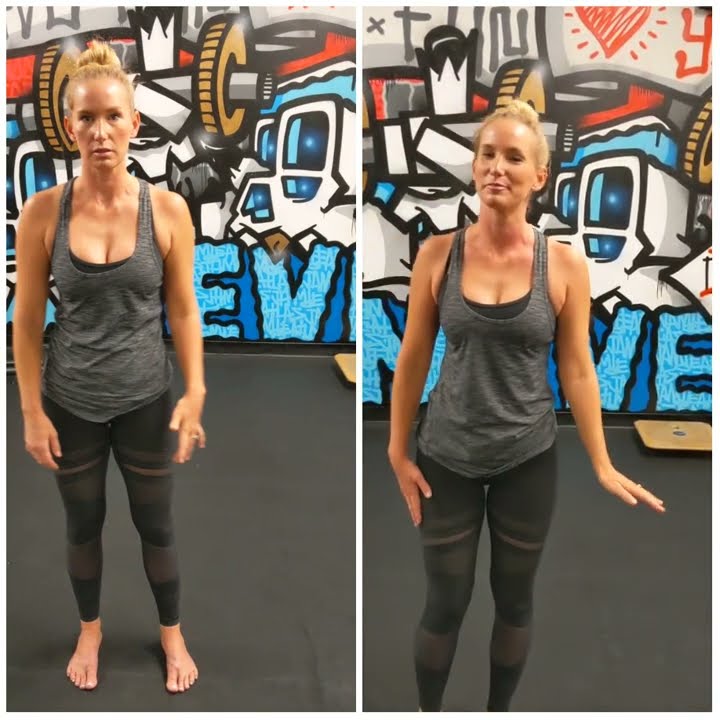 Play video: Client testimonial: Heather, 6 weeks of shoulder nerve pain rated 10/10
 “I've been in physical therapy for 6 months and I'm stalled on my results”
— Judy, 6 months of 10/10 shoulder painYour results may vary.
 Play video: Client testimonial: Judy, 6 months of shoulder pain rated 10/10
 “My shoulder pain meant I couldn't take my shirt on or off without hurting”
— Sharon, 4 months of 6/10 shoulder painYour results may vary.
 Play video: Client testimonial: Sharon, 4 months of shoulder pain rated 6/10
 “3 surgeries over 10 years and I still can't get my shoulder above my head”
— Clay, 10 years of 7/10 shoulder painYour results may vary.
 Play video: Client testimonial: Clay, 10 years of shoulder pain rated 7/10
 “Taking my dog for a walk he pulled on my shoulder and now it hurts to move”
— Kendall, 2 weeks of 6/10 shoulder painYour results may vary.
 Play video: Client testimonial: Kendall, 2 weeks of shoulder pain rated 6/10
 “I was squatting at the gym when I felt a pop and my leg went numb”
— Kelly, 12 months of 8/10 back painYour results may vary.
 Play video: Client testimonial: Kelly, 12 months of back pain rated 8/10
 “After the car accident the hospital said I was fine but my back pain says otherwise”
— Dax, 5 days of 10/10 back painYour results may vary.
 Play video: Client testimonial: Dax, 5 days of back pain rated 10/10
 “Playing football has left me with constant back pain that I can't get rid of”
— Matthew, 7 weeks of 7/10 back painYour results may vary.
 Play video: Client testimonial: Matthew, 7 weeks of back pain rated 7/10
 “I went to Pilates to fix my back but it ended up making it worse”
— Colleen, 8 weeks of 7/10 back painYour results may vary.
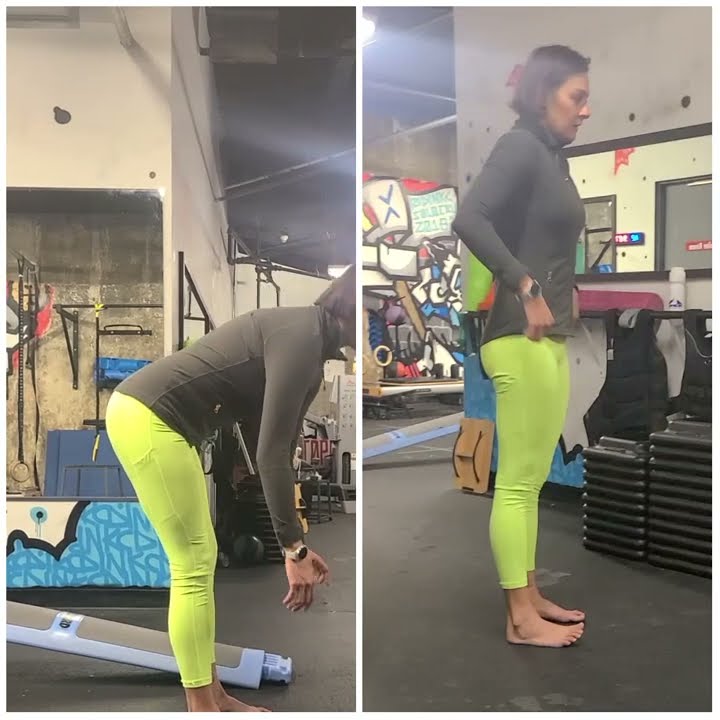 Play video: Client testimonial: Colleen, 8 weeks of back pain rated 7/10
 “I was thrown from a horse and couldn't bend over without pain”
— Katrina, 4 weeks of 6/10 back painYour results may vary.
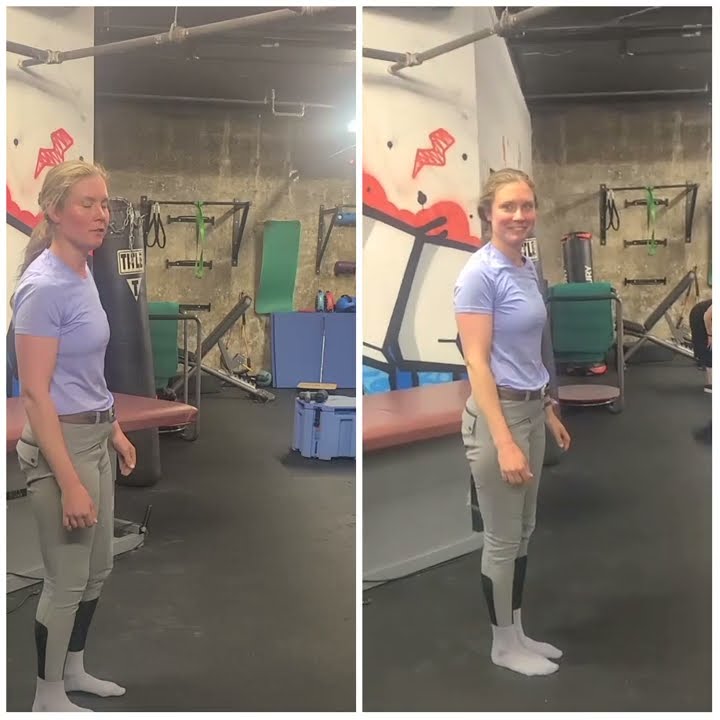 Play video: Client testimonial: Katrina, 4 weeks of back pain rated 6/10
 “This 9/10 back pain is stopping me from sleeping at night”
— Alexis, 2 months of 10/10 back painYour results may vary.
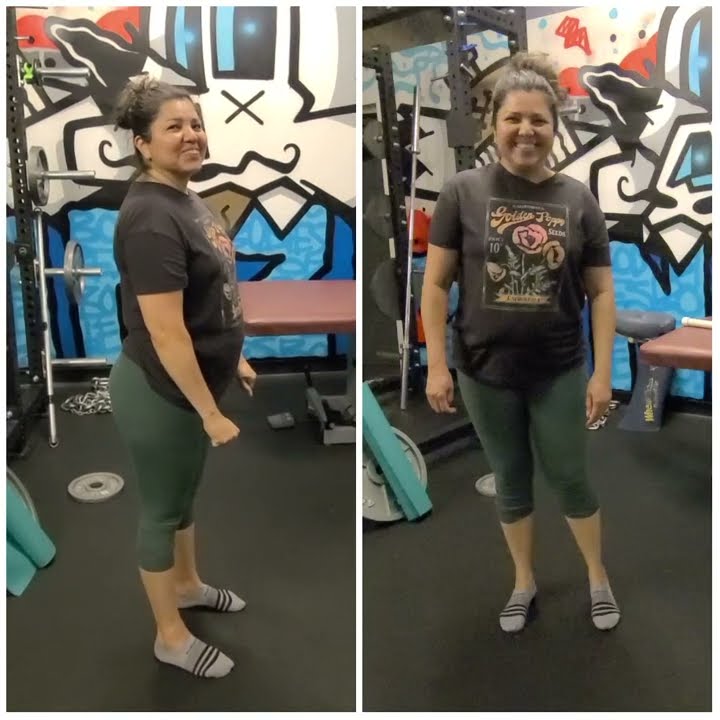 Play video: Client testimonial: Alexis, 2 months of back pain rated 10/10
 “My back pain is so bad I can't put on my shoes”
— Penelope, 5 weeks of 7/10 back painYour results may vary.
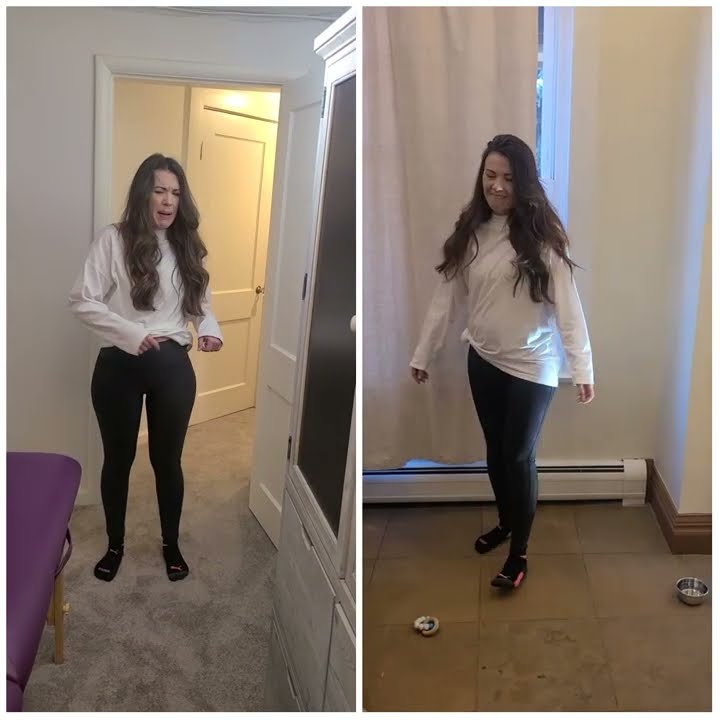 Play video: Client testimonial: Penelope, 5 weeks of back pain rated 7/10
 “Living with back pain has me living at a 7/10 pain that I can't find relief from”
— Chris, 8 weeks of 7/10 back painYour results may vary.
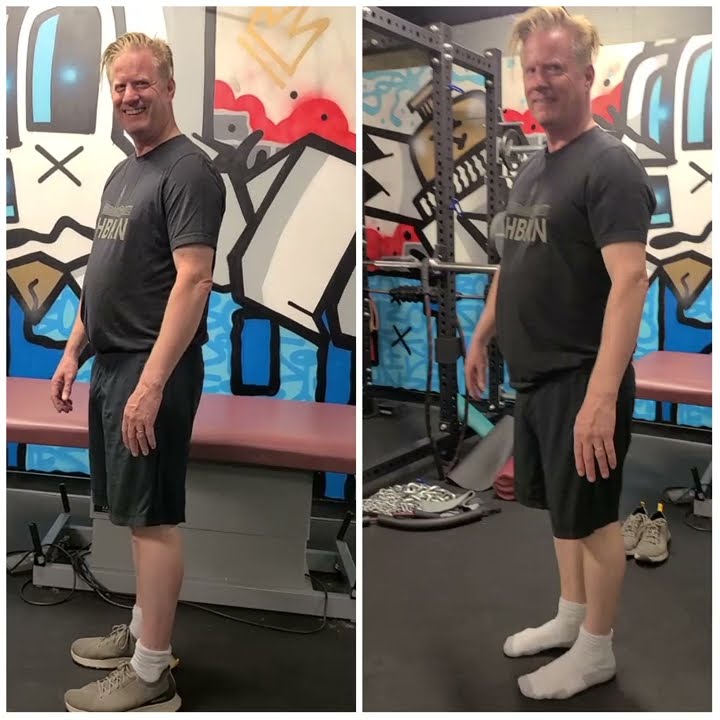 Play video: Client testimonial: Chris, 8 weeks of back pain rated 7/10
 “I have a herniated L4/L5 and my sciatic pain feels like a screwdriver in my back”
— Kendra, 2 years of shooting sciatic painYour results may vary.
 Play video: Client testimonial: Kendra, two years of shooting sciatic pain resolved
 “The doctor told me my spondylolisthesis back pain could only be cured with surgery”
— Tony, 2 weeks of lightning-bolt back painYour results may vary.
 Play video: Client testimonial: Tony, two weeks of severe back pain down to 1 out of 10
 What hours in the saddle do to a hip
A riding position holds the hip in deep flexion for hours. The muscles at the front of the hip sit short the entire time. The adductors on the inside of the thigh work continuously to stabilize the leg through the stroke, and they also sit short.
Muscle held short and working hard for long periods adapts to that length. It gets strong in a narrow range and stiff outside it.
Then you stand up off the bike, and the pelvis is asked to return to neutral by tissue that has spent four hours deciding it lives somewhere else. The pelvis tilts forward. The lumbar spine takes up the extra range, because something has to. Your back isn't the problem. Your back is the part that moved because the hip wouldn't.
Test it off the bike
Kneel on one knee, other foot forward, knee bent to about 90 degrees. Keep your ribs down and your pelvis tucked under — this is the part everyone skips, and skipping it lets you fake the whole test with your lower back. Now gently push your hips forward.
You should feel a clear pull across the front of your kneeling-side hip. If you feel it in your low back instead, or you feel almost nothing until you let your ribs flare, your hip extension is limited and your spine has been covering for it.
Add the second layer: reach the same-side arm overhead and tilt away. That should produce a deep stretch through the inner thigh and groin. If it doesn't, and you're a rider, that's the adductor stiffness that has been quietly tilting your pelvis.
What actually changes it
Not passive stretching alone. Range you can't control is range your nervous system won't let you use under load — it will simply guard it back.
What works is range plus load. Get into the position, then work actively in it: shift the hips side to side while holding the overhead reach, hold the end position and gently push into it. Then load the hip through that new range with strength work — split-stance hinges, single-leg work, the same pattern that fills in the dead spot in your pedal stroke — so the range becomes something your body trusts at 40rpm on a climb.
Three sets, twenty seconds a side, then load it. Daily through a heavy riding block. The glute work belongs here too — a hip that can't extend and a glute that isn't contributing are usually the same story told twice.
The part that needs a real assessment
Back pain that radiates below the knee, comes with numbness, pins and needles, or weakness in the leg, or that wakes you at night, is a different category and should be assessed properly.
So should back pain you have had for more than three months. Persistent pain changes how the nervous system processes load, and at that point the useful work is as much about how you move and what you believe about your back as it is about tissue. That is the specific thing Cognitive Functional Therapy is built for, and it is why I trained in it. More on that on the chronic back pain page.
Common questions
Why does my bike fit keep not fixing my back pain?
A fit changes the geometry you're placed into, and a genuinely bad fit is worth correcting. But a fit cannot change what your hip is capable of. If your hip extension is limited before you get on the bike, adjusting the saddle just changes which structure compensates. That's why fits so often produce a few good weeks — a new position redistributes load, the irritated tissue calms down, then the new arrangement finds its own weak link. The better question isn't whether your position is right; it's whether your hip has the range that position requires.
Is stretching enough to fix a cyclist’s tight hips?
Rarely on its own. Range you can't control is range your nervous system won't let you use under load — it will simply guard it back within hours. What works is range plus load: get into the position, work actively in it, then load the hip through that new range with split-stance hinges and single-leg work so the range becomes something your body trusts at 40rpm on a climb.
When should cycling back pain be properly assessed?
If it radiates below the knee, comes with numbness, pins and needles, or weakness in the leg, or wakes you at night — those warrant assessment rather than self-management. So does back pain you have had for more than three months. Persistent pain changes how the nervous system processes load, and at that point the useful work is as much about how you move and what you believe about your back as it is about tissue.
I first covered the cyclist's hip and groin work in The Denver Post, May 2011. See the full Denver Post series.
Has your back been shortening your rides for months?
A 30-minute assessment, $57: your history, my plain read on whether I can help, and one change you can measure before you leave.
Book a 30-minute assessmentOr call (720) 257-9328 · Read about back pain