
Resources · Road cycling
The dead spot in your pedal stroke is costing you more than watts
Every road rider has a part of the pedal circle where the power drops off. You feel it as fatigue in the back half of a long climb. What you don't feel, until later, is what the rest of your body does to cover for it.
“I picked up my daughter and my neck went numb”
— Monique, 4 weeks of 7/10 neck painYour results may vary.
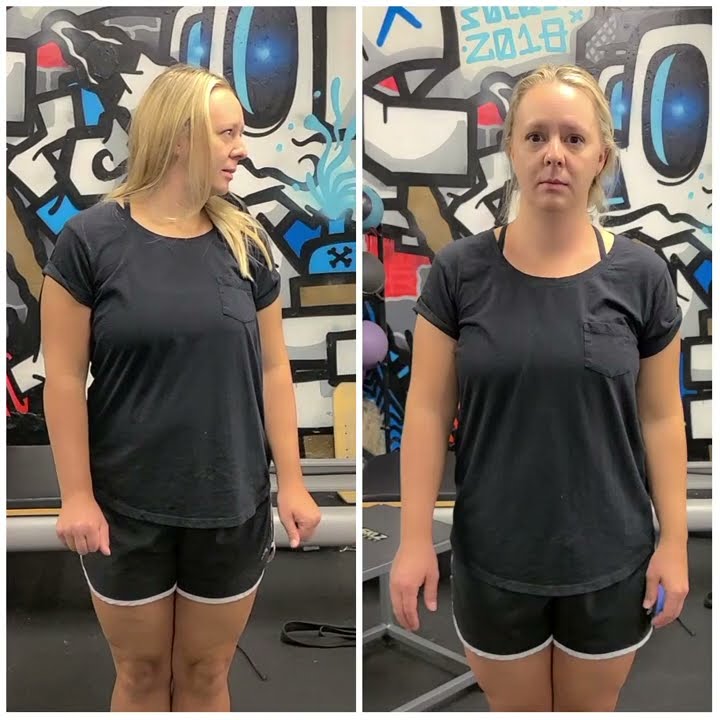 Play video: Client testimonial: Monique, 4 weeks of neck pain rated 7/10
 “I tried a new move in yoga. I woke up the next morning and couldn't move my neck”
— Danielle, 6 weeks of 7/10 neck painYour results may vary.
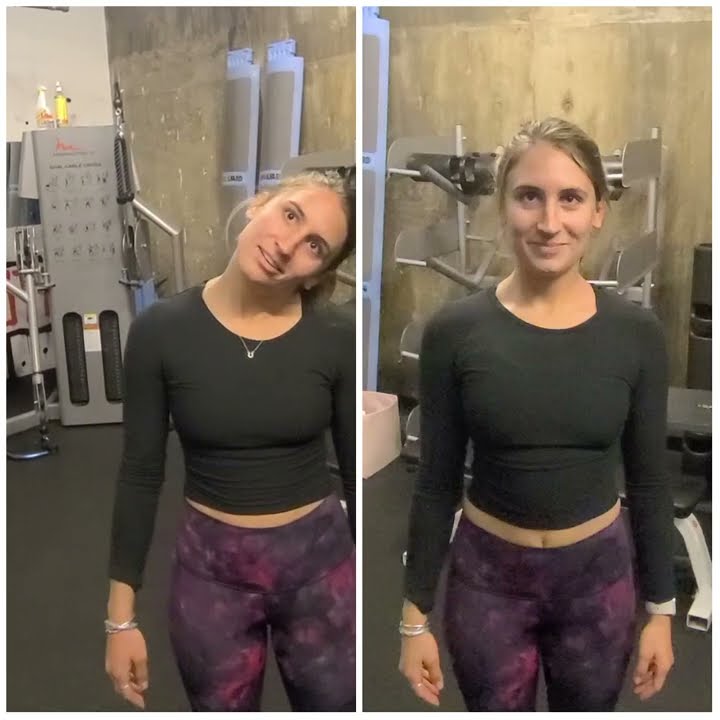 Play video: Client testimonial: Danielle, 6 weeks of neck pain rated 7/10
 “After 3 years I didn't think anyone could help me fix my neck”
— Sandy, 3 years of 8/10 neck painYour results may vary.
 Play video: Client testimonial: Sandy, 3 years of neck pain rated 8/10
 “My office job means my neck is in constant pain, nothing seems to help”
— Natasha, 4 weeks of 7/10 neck painYour results may vary.
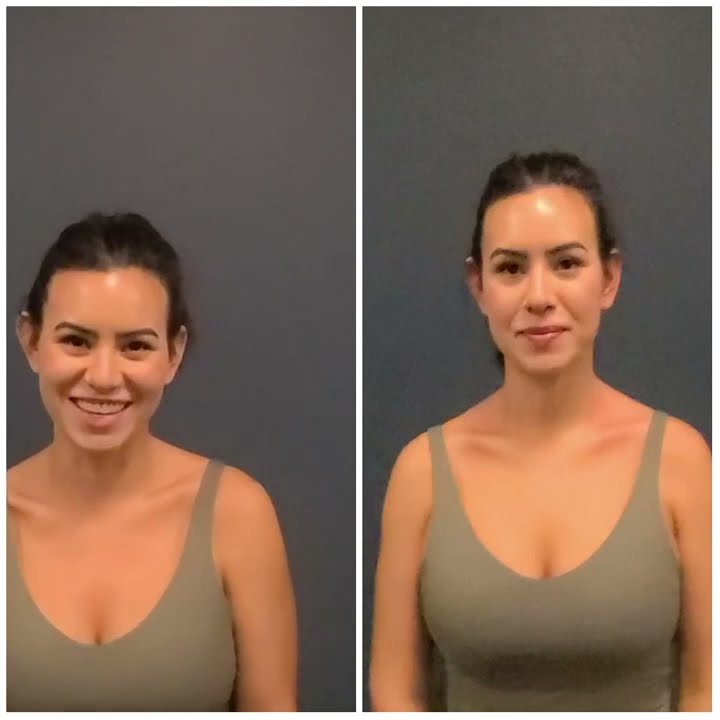 Play video: Client testimonial: Natasha, 4 weeks of neck pain rated 7/10
 “It's too hard to get in shape when I've had knee pain ever since I can remember”
— Cindy, a lifetime of 6/10 knee painYour results may vary.
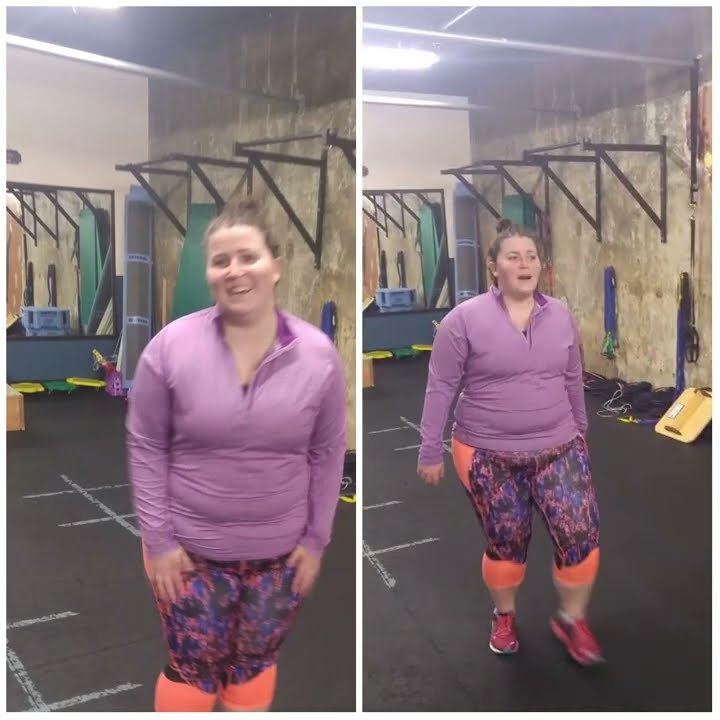 Play video: Client testimonial: Cindy, a lifetime of knee pain rated 6/10
 “I tore my ACL in an MMA match and haven't been able to train since”
— Meghan, 4/10 knee pain after an ACL tearYour results may vary.
 Play video: Client testimonial: Meghan, knee pain after an ACL tear, 4 out of 10 down to 0
 “After my fall my knee was in pain and I couldn't stand on one leg”
— Brad, 6 months of 6/10 knee painYour results may vary.
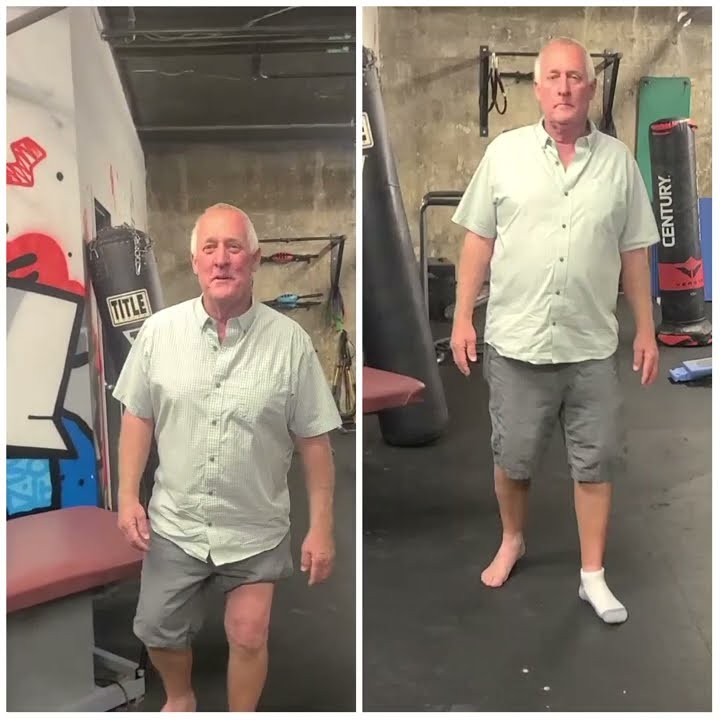 Play video: Client testimonial: Brad, 6 months of knee pain rated 6/10
 “I got surgery on my shoulder 2 years ago and have been getting rolfing and PT”
— Samantha, 5 years of 7/10 shoulder painYour results may vary.
 Play video: Client testimonial: Samantha, 5 years of shoulder pain rated 7/10
 “My shoulder numbness and tingling was so bad I drove 2 hours to see Jamie Atlas”
— Heather, 6 weeks of 10/10 shoulder nerve painYour results may vary.
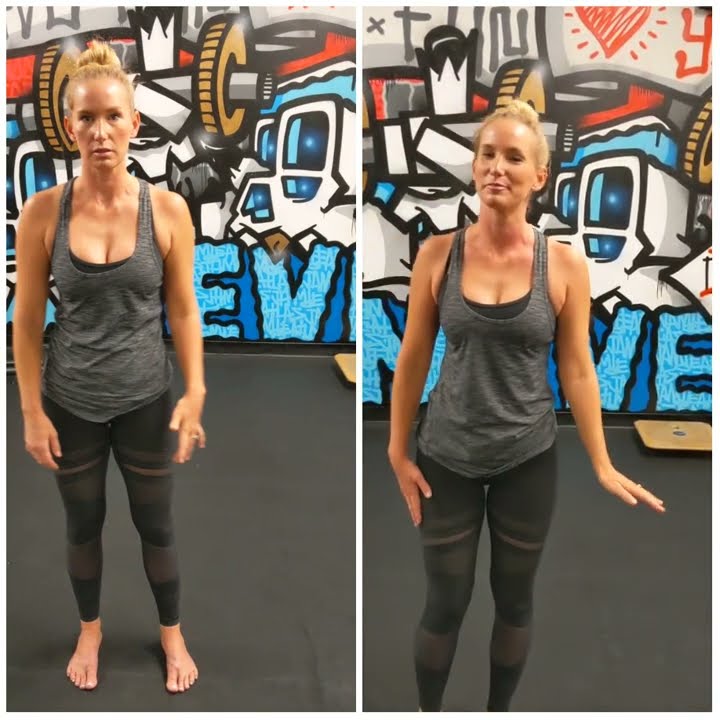 Play video: Client testimonial: Heather, 6 weeks of shoulder nerve pain rated 10/10
 “I've been in physical therapy for 6 months and I'm stalled on my results”
— Judy, 6 months of 10/10 shoulder painYour results may vary.
 Play video: Client testimonial: Judy, 6 months of shoulder pain rated 10/10
 “My shoulder pain meant I couldn't take my shirt on or off without hurting”
— Sharon, 4 months of 6/10 shoulder painYour results may vary.
 Play video: Client testimonial: Sharon, 4 months of shoulder pain rated 6/10
 “3 surgeries over 10 years and I still can't get my shoulder above my head”
— Clay, 10 years of 7/10 shoulder painYour results may vary.
 Play video: Client testimonial: Clay, 10 years of shoulder pain rated 7/10
 “Taking my dog for a walk he pulled on my shoulder and now it hurts to move”
— Kendall, 2 weeks of 6/10 shoulder painYour results may vary.
 Play video: Client testimonial: Kendall, 2 weeks of shoulder pain rated 6/10
 “I was squatting at the gym when I felt a pop and my leg went numb”
— Kelly, 12 months of 8/10 back painYour results may vary.
 Play video: Client testimonial: Kelly, 12 months of back pain rated 8/10
 “After the car accident the hospital said I was fine but my back pain says otherwise”
— Dax, 5 days of 10/10 back painYour results may vary.
 Play video: Client testimonial: Dax, 5 days of back pain rated 10/10
 “Playing football has left me with constant back pain that I can't get rid of”
— Matthew, 7 weeks of 7/10 back painYour results may vary.
 Play video: Client testimonial: Matthew, 7 weeks of back pain rated 7/10
 “I went to Pilates to fix my back but it ended up making it worse”
— Colleen, 8 weeks of 7/10 back painYour results may vary.
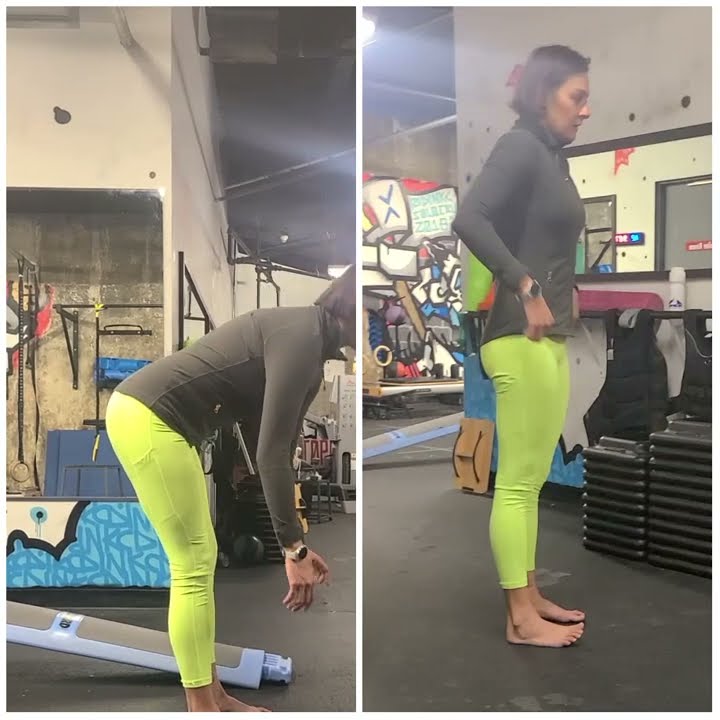 Play video: Client testimonial: Colleen, 8 weeks of back pain rated 7/10
 “I was thrown from a horse and couldn't bend over without pain”
— Katrina, 4 weeks of 6/10 back painYour results may vary.
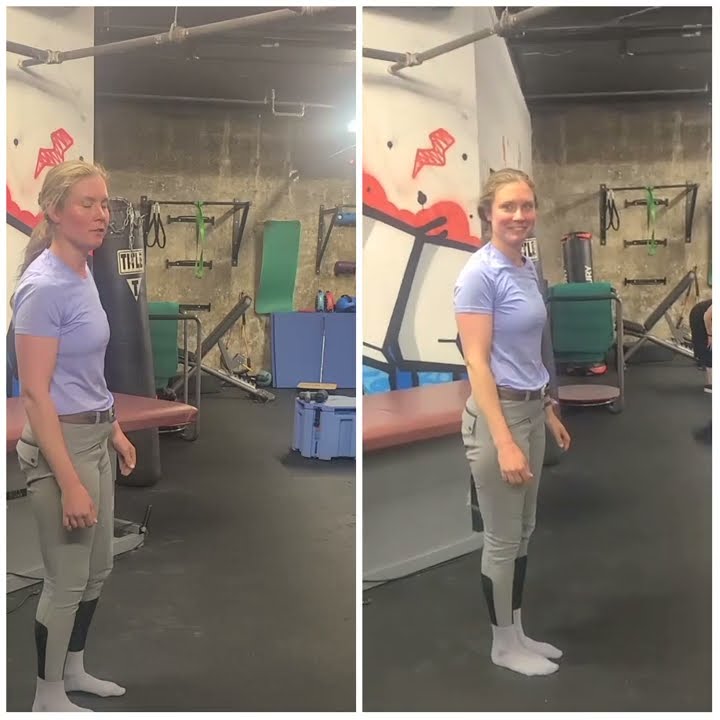 Play video: Client testimonial: Katrina, 4 weeks of back pain rated 6/10
 “This 9/10 back pain is stopping me from sleeping at night”
— Alexis, 2 months of 10/10 back painYour results may vary.
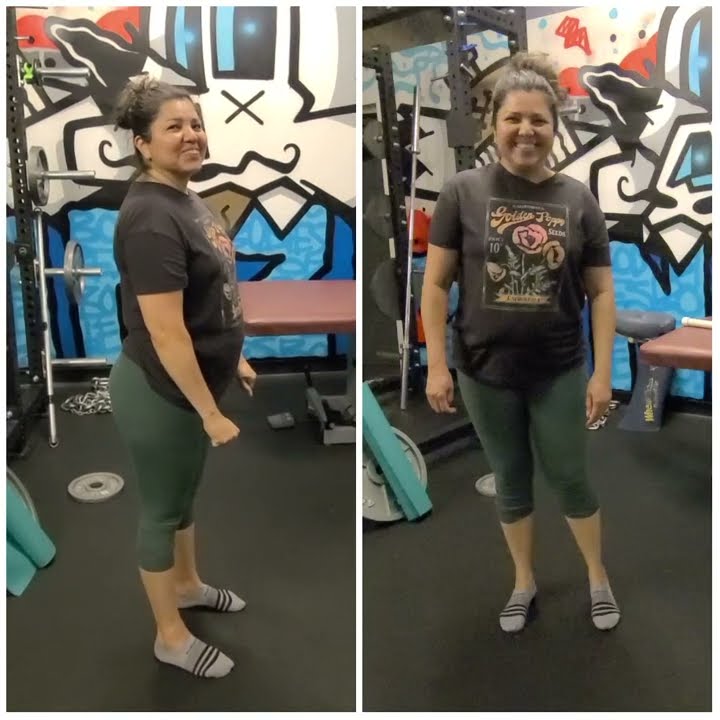 Play video: Client testimonial: Alexis, 2 months of back pain rated 10/10
 “My back pain is so bad I can't put on my shoes”
— Penelope, 5 weeks of 7/10 back painYour results may vary.
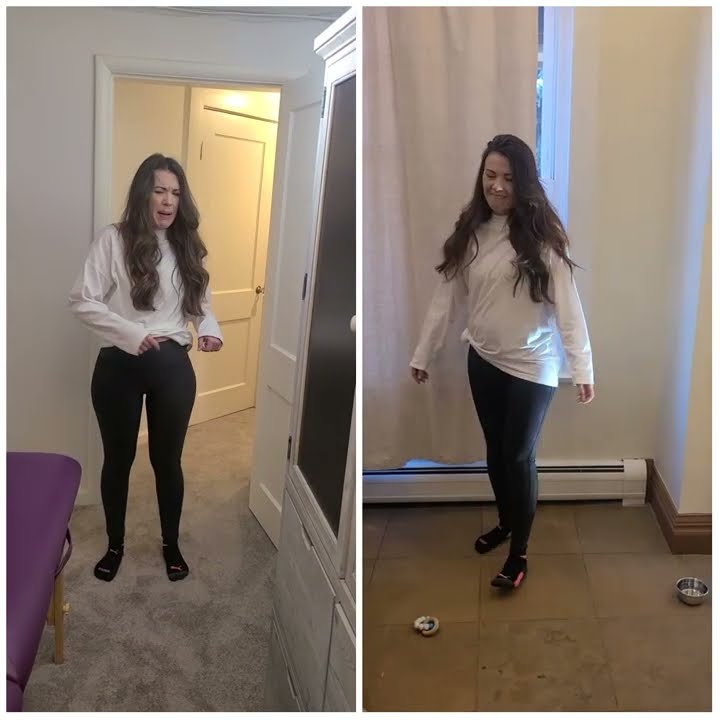 Play video: Client testimonial: Penelope, 5 weeks of back pain rated 7/10
 “Living with back pain has me living at a 7/10 pain that I can't find relief from”
— Chris, 8 weeks of 7/10 back painYour results may vary.
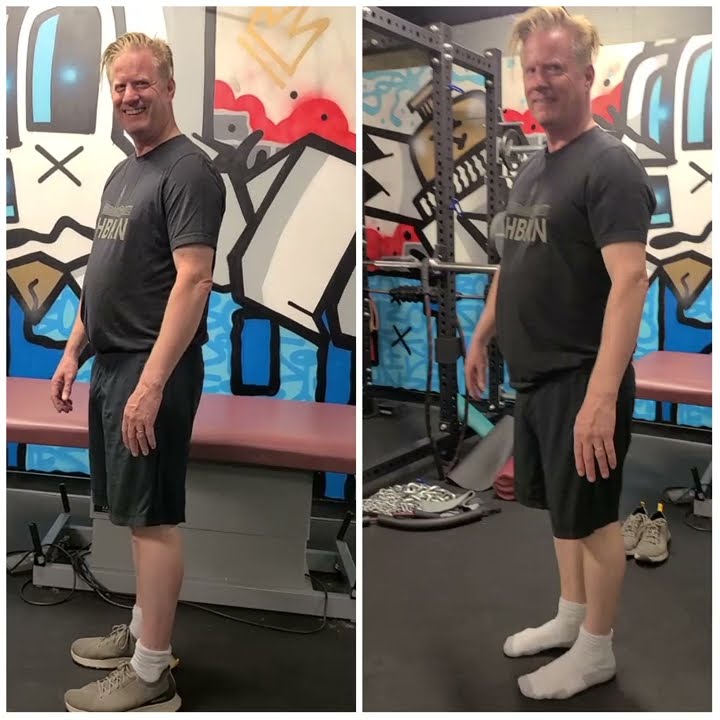 Play video: Client testimonial: Chris, 8 weeks of back pain rated 7/10
 “I have a herniated L4/L5 and my sciatic pain feels like a screwdriver in my back”
— Kendra, 2 years of shooting sciatic painYour results may vary.
 Play video: Client testimonial: Kendra, two years of shooting sciatic pain resolved
 “The doctor told me my spondylolisthesis back pain could only be cured with surgery”
— Tony, 2 weeks of lightning-bolt back painYour results may vary.
 Play video: Client testimonial: Tony, two weeks of severe back pain down to 1 out of 10
 This is a road problem, not a mountain bike problem
Worth separating the two, because riders assume time on any bike trains the same thing. It doesn't.
Mountain biking is intermittent and postural. You're out of the saddle constantly, absorbing terrain, braking, cornering, changing position. The demand is broad and unpredictable, and it loads the hip through a wide range whether you plan it or not — which is a different set of problems, covered in the mountain biking article.
Road riding is the opposite. Seated, one position, cadence held in a narrow band, the same arc of hip motion repeated for hours. That repetition is what makes road riders efficient — and it is exactly what makes a weak section of the stroke so expensive. On a mountain bike a dead spot gets covered by the next thing that happens. On the road there is no next thing. There's just the same rotation, thousands more times.
Compensation always has an address
For most riders the weak section is the bottom of the circle — roughly four o'clock through seven, where the leg is extending and the hip is opening. When one section is weak, the body doesn't simply produce less power. It recruits from somewhere else to hold the pace.
On the road that somewhere else is usually the low back and hip flexors. You start pulling yourself through the dead spot from above rather than driving through it from below. Over a three-hour ride that's tens of thousands of repetitions of a pattern you never chose.
It's why so many riders who have never crashed arrive with low back pain that gets worse the fitter they get. They aren't overtraining. They're training a compensation.
The bottom of the stroke is a posterior chain job
Driving through the bottom of the circle is glute, hamstring and calf firing in sequence, with the trunk stable enough to give them something to push against. Road cycling on its own builds almost none of it. The hip range is small, the load is light and continuous rather than heavy and intermittent, and the posterior chain is never once asked to work at length. Riders end up strong in a narrow band and weak either side of it — fine until the gradient changes or the ride goes long.
Single-leg hip hinge. Split stance, most of the weight on the front foot, weight held in the opposite hand. Hinge from the hip — not the low back — until the hamstring loads, then drive the floor away. The opposite-hand load is deliberate: it forces the trunk to resist rotation, which is what it has to do when you're out of the saddle on a climb.
Slow, heavy, few reps. Six to eight controlled reps beats twenty rushed ones. You're recruiting muscle that has been quiet, not building endurance you already have in abundance. Pair it with the glute work that underpins most back and knee stories.
The tell. Get off the bike and stand on one leg. Hinge forward, reaching toward the floor, back leg staying in line with your spine. If your low back rounds before your hip has moved far, or you can't do it at all on one side, you've found the reason the bottom of your stroke is empty.
When it isn't a training problem
Low back pain that wakes you at night, radiates below the knee, or comes with numbness or weakness in the leg is a different conversation and should be assessed rather than trained around.
The far more common story is a strong, fit road rider with a hip that has never been loaded outside a 90-degree arc, and a back that has been quietly paying for it for years. That version responds fast.
Common questions
Why does my low back hurt more the fitter I get on the bike?
Because fitness lets you hold a compensation for longer. If the bottom of your pedal stroke is weak, the body recruits the low back and hip flexors to pull you through it. Better aerobic fitness means more hours doing that, not fewer. Riders who have never crashed regularly arrive with back pain that has tracked their training volume upward for years. The fix is loading the hip through the range the bike never asks for, not riding less.
Is training for road cycling different from mountain biking?
Yes, and it matters. Mountain biking is intermittent and postural — out of the saddle, absorbing terrain, changing position constantly, which loads the hip through a wide range whether you plan it or not. Road riding is seated, single-position, and holds cadence in a narrow band for hours. That repetition is what makes road riders efficient, and it is also what makes a weak section of the stroke expensive. If you do both, train for both.
Should I stretch my hamstrings if they feel tight from riding?
Usually not as the main strategy. A hamstring that is tight because it is weak at length and working overtime will feel better for about twenty minutes after stretching and then go straight back. Strength through the full range is what holds the change. Load it — single-leg hinges, slow and heavy for six to eight reps — rather than trying to lengthen it passively.
I first covered single-leg loading for cyclists in The Denver Post, August 2010. See the full Denver Post series.
Riding well, hurting anyway?
A 30-minute assessment, $57: your history, my plain read on whether I can help, and one change you can measure before you leave.
Book a 30-minute assessmentOr call (720) 257-9328 · Read about back pain