
Resources · After a collision
The car came through the intersection at forty miles an hour and I did not have a moment of clarity.
No slow motion. No flash of everything that matters. I've since read that people get those, and I feel a bit cheated, frankly.
“I picked up my daughter and my neck went numb”
— Monique, 4 weeks of 7/10 neck painYour results may vary.
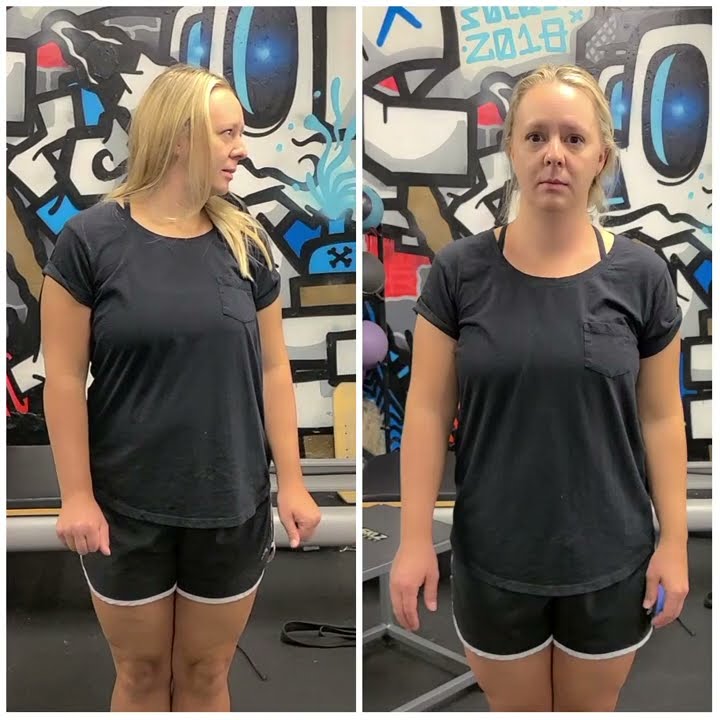 Play video: Client testimonial: Monique, 4 weeks of neck pain rated 7/10
 “I tried a new move in yoga. I woke up the next morning and couldn't move my neck”
— Danielle, 6 weeks of 7/10 neck painYour results may vary.
 Play video: Client testimonial: Danielle, 6 weeks of neck pain rated 7/10
 “After 3 years I didn't think anyone could help me fix my neck”
— Sandy, 3 years of 8/10 neck painYour results may vary.
 Play video: Client testimonial: Sandy, 3 years of neck pain rated 8/10
 “My office job means my neck is in constant pain, nothing seems to help”
— Natasha, 4 weeks of 7/10 neck painYour results may vary.
 Play video: Client testimonial: Natasha, 4 weeks of neck pain rated 7/10
 “It's too hard to get in shape when I've had knee pain ever since I can remember”
— Cindy, a lifetime of 6/10 knee painYour results may vary.
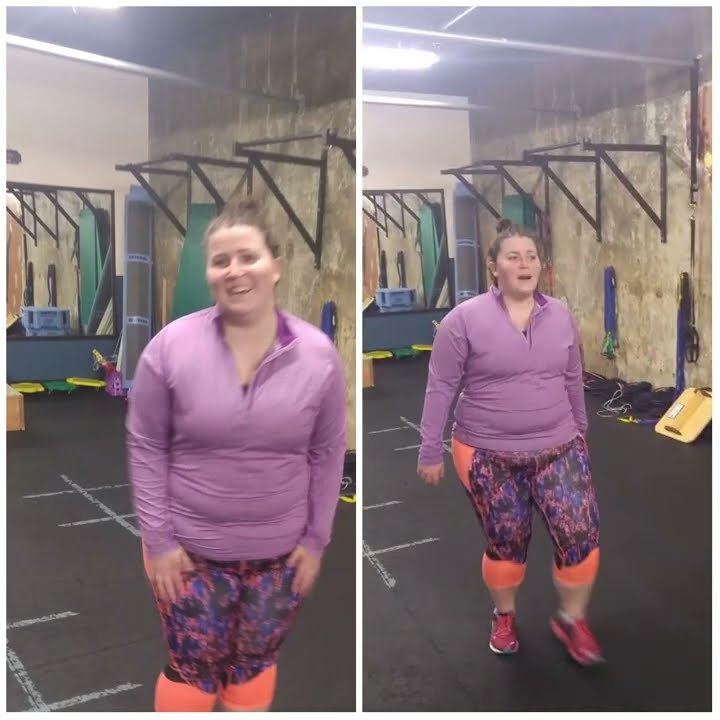 Play video: Client testimonial: Cindy, a lifetime of knee pain rated 6/10
 “I tore my ACL in an MMA match and haven't been able to train since”
— Meghan, 4/10 knee pain after an ACL tearYour results may vary.
 Play video: Client testimonial: Meghan, knee pain after an ACL tear, 4 out of 10 down to 0
 “After my fall my knee was in pain and I couldn't stand on one leg”
— Brad, 6 months of 6/10 knee painYour results may vary.
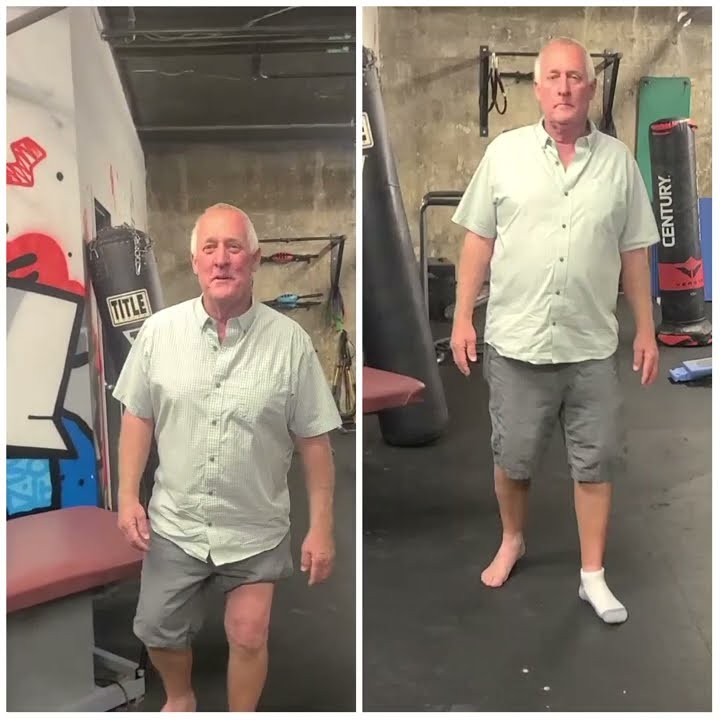 Play video: Client testimonial: Brad, 6 months of knee pain rated 6/10
 “I got surgery on my shoulder 2 years ago and have been getting rolfing and PT”
— Samantha, 5 years of 7/10 shoulder painYour results may vary.
 Play video: Client testimonial: Samantha, 5 years of shoulder pain rated 7/10
 “My shoulder numbness and tingling was so bad I drove 2 hours to see Jamie Atlas”
— Heather, 6 weeks of 10/10 shoulder nerve painYour results may vary.
 Play video: Client testimonial: Heather, 6 weeks of shoulder nerve pain rated 10/10
 “I've been in physical therapy for 6 months and I'm stalled on my results”
— Judy, 6 months of 10/10 shoulder painYour results may vary.
 Play video: Client testimonial: Judy, 6 months of shoulder pain rated 10/10
 “My shoulder pain meant I couldn't take my shirt on or off without hurting”
— Sharon, 4 months of 6/10 shoulder painYour results may vary.
 Play video: Client testimonial: Sharon, 4 months of shoulder pain rated 6/10
 “3 surgeries over 10 years and I still can't get my shoulder above my head”
— Clay, 10 years of 7/10 shoulder painYour results may vary.
 Play video: Client testimonial: Clay, 10 years of shoulder pain rated 7/10
 “Taking my dog for a walk he pulled on my shoulder and now it hurts to move”
— Kendall, 2 weeks of 6/10 shoulder painYour results may vary.
 Play video: Client testimonial: Kendall, 2 weeks of shoulder pain rated 6/10
 “I was squatting at the gym when I felt a pop and my leg went numb”
— Kelly, 12 months of 8/10 back painYour results may vary.
 Play video: Client testimonial: Kelly, 12 months of back pain rated 8/10
 “After the car accident the hospital said I was fine but my back pain says otherwise”
— Dax, 5 days of 10/10 back painYour results may vary.
 Play video: Client testimonial: Dax, 5 days of back pain rated 10/10
 “Playing football has left me with constant back pain that I can't get rid of”
— Matthew, 7 weeks of 7/10 back painYour results may vary.
 Play video: Client testimonial: Matthew, 7 weeks of back pain rated 7/10
 “I went to Pilates to fix my back but it ended up making it worse”
— Colleen, 8 weeks of 7/10 back painYour results may vary.
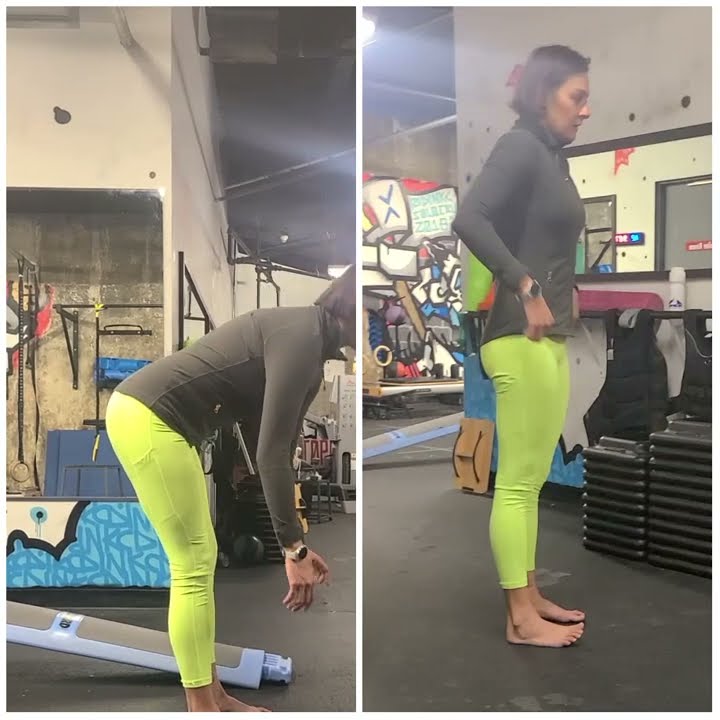 Play video: Client testimonial: Colleen, 8 weeks of back pain rated 7/10
 “I was thrown from a horse and couldn't bend over without pain”
— Katrina, 4 weeks of 6/10 back painYour results may vary.
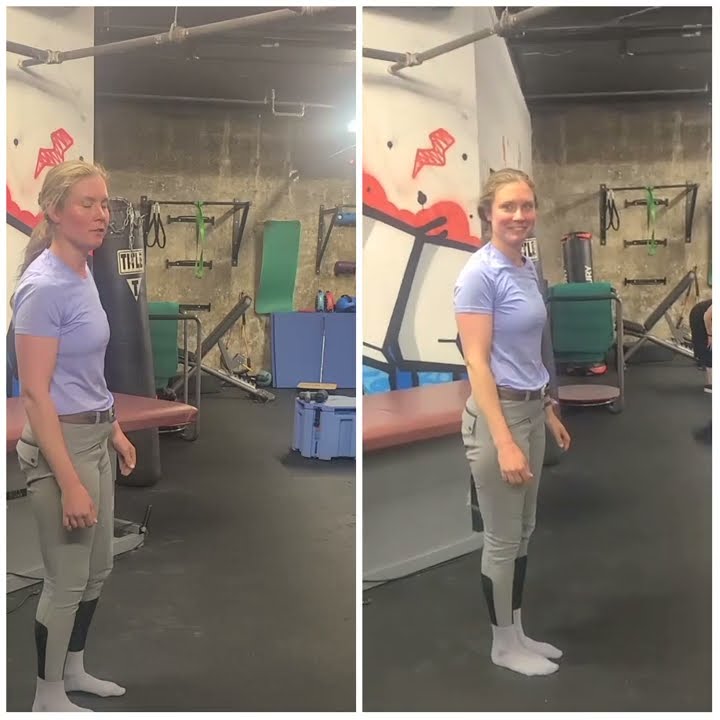 Play video: Client testimonial: Katrina, 4 weeks of back pain rated 6/10
 “This 9/10 back pain is stopping me from sleeping at night”
— Alexis, 2 months of 10/10 back painYour results may vary.
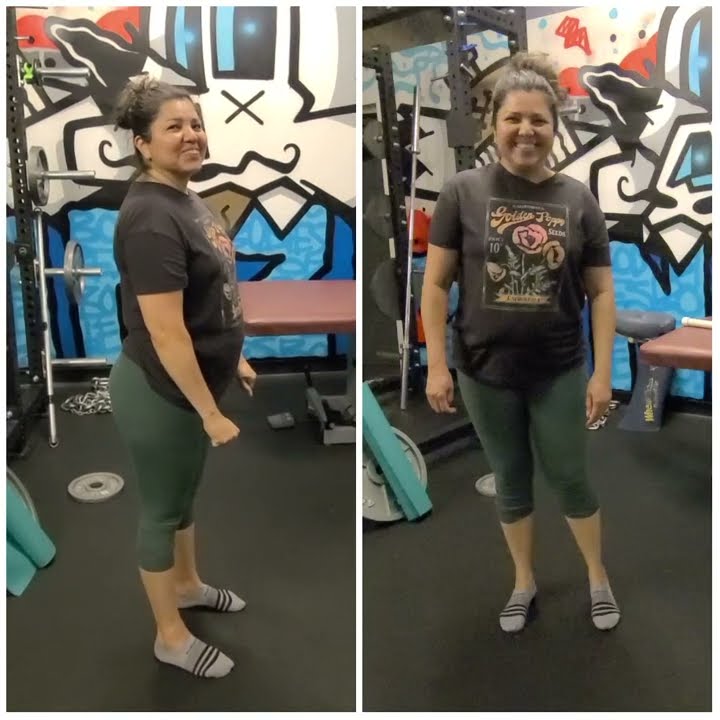 Play video: Client testimonial: Alexis, 2 months of back pain rated 10/10
 “My back pain is so bad I can't put on my shoes”
— Penelope, 5 weeks of 7/10 back painYour results may vary.
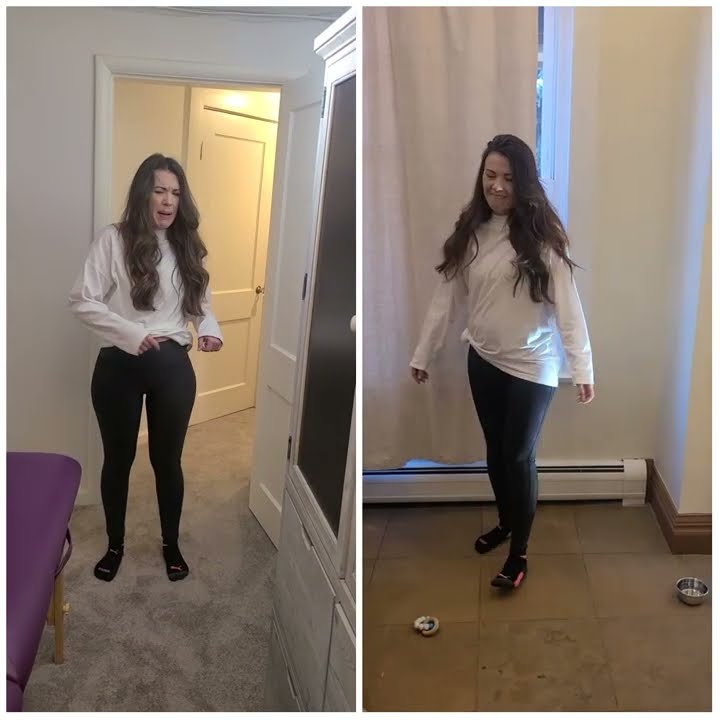 Play video: Client testimonial: Penelope, 5 weeks of back pain rated 7/10
 “Living with back pain has me living at a 7/10 pain that I can't find relief from”
— Chris, 8 weeks of 7/10 back painYour results may vary.
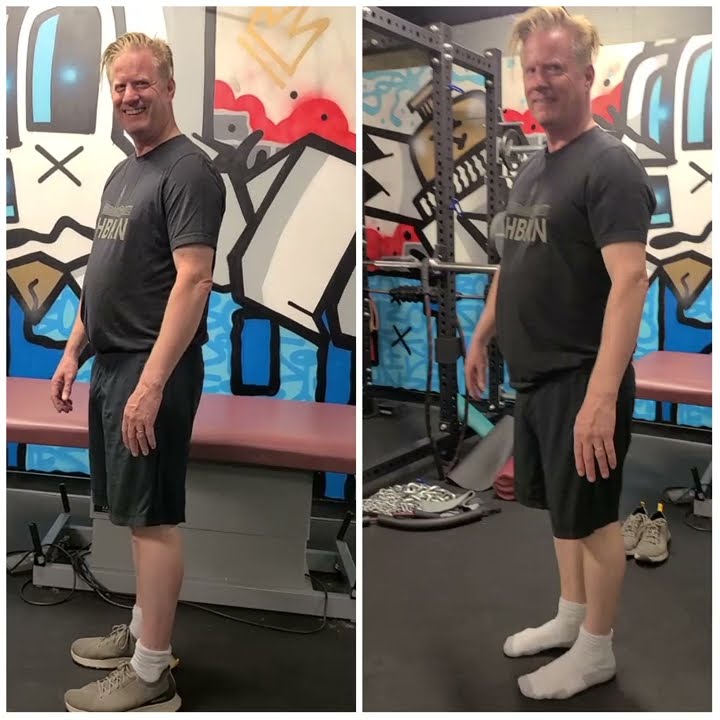 Play video: Client testimonial: Chris, 8 weeks of back pain rated 7/10
 “I have a herniated L4/L5 and my sciatic pain feels like a screwdriver in my back”
— Kendra, 2 years of shooting sciatic painYour results may vary.
 Play video: Client testimonial: Kendra, two years of shooting sciatic pain resolved
 “The doctor told me my spondylolisthesis back pain could only be cured with surgery”
— Tony, 2 weeks of lightning-bolt back painYour results may vary.
 Play video: Client testimonial: Tony, two weeks of severe back pain down to 1 out of 10
 What I got was one swear word, delivered under my breath with great sincerity, and then — genuinely, this is what my brain produced with a vehicle arriving — this is what I get for cutting off a nun in traffic this morning.
I had, in fact, cut off a nun in traffic that morning. She was very gracious about it, which made it worse.
So there I am at the wheel, mid-impact, doing theology.
The thing that surprised me wasn't any of that. It was the next three months.
Because here's what nobody told me, and it's the same thing nobody has told you: nobody at the hospital lied. They X-rayed the right things. They ruled out what kills people, which is exactly what an emergency department is for and it is very good at it. No fracture, no dislocation, nothing that needed a surgeon at eleven at night. All of it correct.
And then you go home, and four days later you can't turn your head to reverse off the driveway.
How bad the crash looked tells you almost nothing
This is the one that takes people a minute.
There's a Task Force review — the big one, from the Bone and Joint Decade, published in Spine — that went looking for what actually predicts whether someone is still in pain a year after a collision. They tested the obvious candidates. Which seat you were in. Whether you saw it coming. Head restraint or no head restraint. Seat belt type. Direction of impact. Whether your head was turned. How fast the other car was going.
None of them predicted anything. Their words: collision-related factors "are not prognostics of recovery."
Read that again, because it runs both ways and both directions matter.
It means the person whose car was written off is not doomed. And it means the person whose bumper has a scuff, who has been quietly told by a brother-in-law that it couldn't have been that bad — that person is not making it up, and there is a body of research saying so.
Which raises a fairly obvious question. If it isn't the crash, what is it?
What does show up
Two things, mostly, and neither is glamorous.
How much pain and disability you had at the start. In a study following people for twelve months, a high initial disability score was far and away the dominant variable — an odds ratio of 7.49 for ending up in the persistent moderate-to-severe group. Everything else in the model was a fraction of that.
And what you expect is going to happen to you. In a Saskatchewan cohort of just over six thousand people, those who expected to get better soon recovered about 3.6 times faster than those who expected never to recover — and that held after adjusting for how bad their pain was, for depression, and for their health before the crash. A separate Swedish study of around a thousand people found the same pattern.
I want to be careful with that second one, because it is very easy to turn into something ugly. The authors of the Swedish study say plainly that they cannot be confident the relationship is causal. Expectations predict. Nobody has shown that changing your mind fixes your neck, and if anyone implies you are still sore because you weren't positive enough, they have gone a long way past the evidence and should be told so.
What it does mean is that the questions worth asking early are not the ones most people get asked.
The part that's awkward for me
My industry has a line it likes. Get treated early enough and you'll head off the chronic version.
There's a trial called MINT. Nearly four thousand people across fifteen English emergency departments. Half got active management advice, half got usual care. The difference between them was half a point on a fifty-point scale, with a confidence interval sitting cheerfully astride zero. A second stage offered up to six physiotherapy sessions against a single advice session; that one did win, by about three points, which the authors described as "a modest acceleration to early recovery."
Then there's PROMISE. A hundred and seventy-two people with chronic whiplash, randomised to a twenty-session comprehensive physiotherapy exercise programme, or to one advice session with some phone support.
The difference in pain at fourteen weeks was 0.0. Not nearly zero. Zero. At six months it was 0.2, at twelve months it was minus 0.1, and every confidence interval was wide enough to drive a car through. The authors wrote: "simple advice is equally as effective as a more intense and comprehensive physiotherapy exercise programme."
Twenty sessions. One conversation. No difference.
I'm telling you this because I sell sessions, and it's the kind of thing you'd rather I left out. What it honestly supports is not a package — it's getting you reassured, getting you moving, and getting you back into normal life early. That's a considerably less impressive sentence to put on a website, and it's what the two largest trials in the field actually say.
Guidelines have followed. Collars are graded at the highest evidence level as something that should not be used for acute whiplash. Staying active is recommended. Reducing your usual activities for more than about four days is not.
So when is somebody like me any use?
Not in week one. In week one you want a doctor to rule out the dangerous things, and then you want permission to move.
Where this studio is useful is later, and specifically: when the healing time has passed and the pain hasn't, when you've been cleared but you're still bracing before you reverse the car, and when the thing you actually want back is a sport or a job that nobody in the chain so far has been paid to get you to.
The method here is Cognitive Functional Therapy combined with Applied Functional Science. One honest scoping note, because it matters: the large trial behind CFT — RESTORE, in The Lancet — studied chronic low back pain that was explicitly not post-traumatic. It produced large, sustained improvements in that population. It has not been tested specifically in people whose pain started with a collision, and I'm not going to imply otherwise.
What I'll say instead is what the assessment does: sixty minutes on your history, what's been done, what you're avoiding and why, and then finding out what your body currently accepts. If what you have needs a physician before it needs me, you'll know inside the first half hour.
Somebody who came in five days after a collision
Dax, 5 days of 10/10 back pain
A golfer, five days in and at 10/10. Pain went from 10/10 to 0/10 in two weeks.
Your results may vary.
Play video: Client testimonial: Dax, 5 days of back pain rated 10/10 All client videos · results vary from person to person.
Common questions
The hospital said nothing was broken. Why do I still hurt?
Because an emergency department is answering a different question from the one you are now asking. Its job is to rule out fracture, dislocation and the things that are dangerous tonight, and it is very good at that. Nothing in that assessment is designed to predict whether you will still be sore in three months. Those are two separate questions, and being cleared on the first tells you almost nothing about the second.
My scan showed something. Is that what is causing the pain?
Possibly not, and the guidelines are unusually direct about this. Australian clinical guidelines carrying their highest evidence grade advise clinicians to reassure patients that changes on X-ray, MRI and CT after a whiplash injury — including degenerative changes — are not associated with ongoing pain and disability. Separately, a review of imaging in people with no symptoms at all found disc degeneration in 37% of pain-free 20-year-olds, rising to 96% of pain-free 80-year-olds. Finding something on a scan does not establish that it is the reason you hurt.
How long should this take?
Honestly, it varies enormously and anyone offering you a timeline on a website is guessing. What the research can say is that recovery is front-loaded: most of the improvement that happens tends to happen in the first two to three months, after which it slows. Roughly half of people report some ongoing neck symptoms a year after a whiplash injury, and about a quarter are left with persistent moderate or severe problems. Those are population figures, not a prediction about you — and the most useful thing you can do with them is stop treating a slow week as evidence that something is wrong.
So the damage to the car doesn't predict the damage to you, the scan can be both clean and beside the point, and the two biggest trials in the field say the expensive version isn't the part that helps.
None of which anybody explained at the hospital, because the hospital was busy doing its actual job rather well.
Anyway. You know it now. Which should at least make the next conversation with your brother-in-law about your bumper considerably shorter.
Still sore, months later, and out of people to ask
A 30-minute assessment, $57: your history, my plain read on whether I can help, and one change you can measure before you leave.
Book a 30-minute assessmentOr call (720) 257-9328 · Neck pain · Chronic back pain