
For hikers
Everybody trains for the way up. Nobody has ever trained for the way down.
And the way down is where the knees go. Every single time. You got to the summit feeling strong, which is the part that confuses people, because it means the fitness was never the issue. The four hours that followed were a completely different job, and you'd done no preparation for it whatsoever. Neither had I, for about twenty years.
“I picked up my daughter and my neck went numb”
— Monique, 4 weeks of 7/10 neck painYour results may vary.
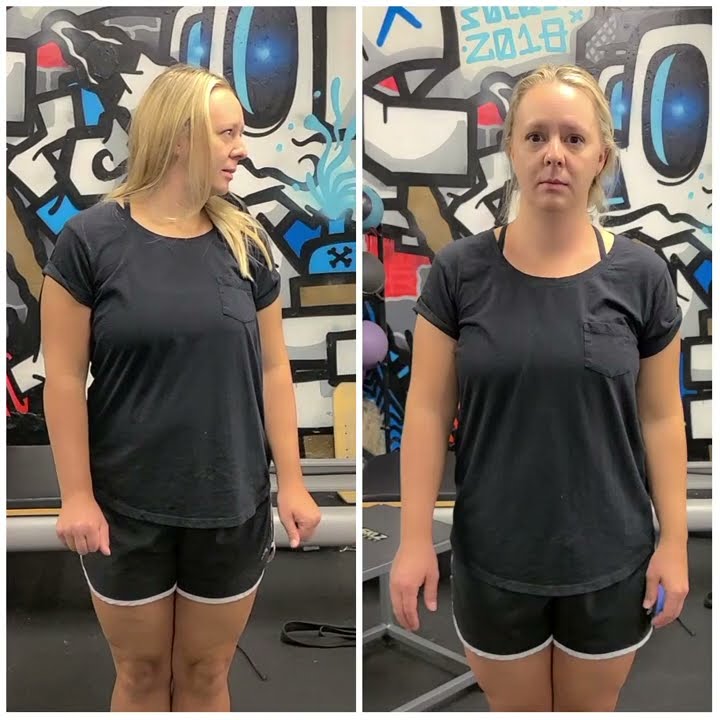 Play video: Client testimonial: Monique, 4 weeks of neck pain rated 7/10
 “I tried a new move in yoga. I woke up the next morning and couldn't move my neck”
— Danielle, 6 weeks of 7/10 neck painYour results may vary.
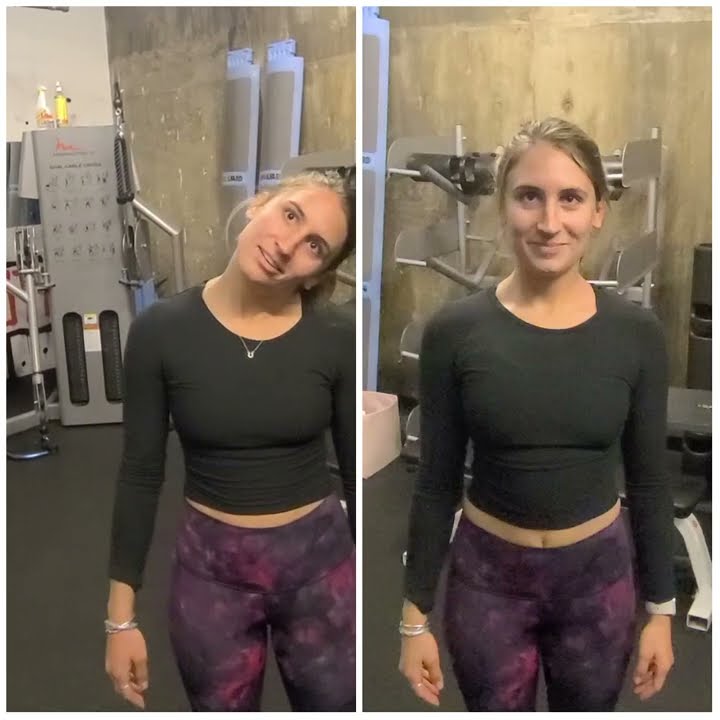 Play video: Client testimonial: Danielle, 6 weeks of neck pain rated 7/10
 “After 3 years I didn't think anyone could help me fix my neck”
— Sandy, 3 years of 8/10 neck painYour results may vary.
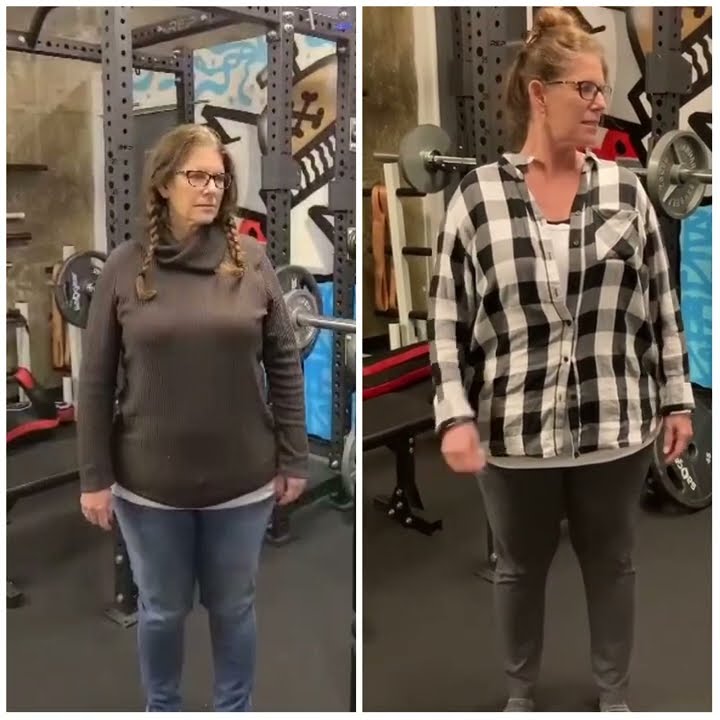 Play video: Client testimonial: Sandy, 3 years of neck pain rated 8/10
 “My office job means my neck is in constant pain, nothing seems to help”
— Natasha, 4 weeks of 7/10 neck painYour results may vary.
 Play video: Client testimonial: Natasha, 4 weeks of neck pain rated 7/10
 “It's too hard to get in shape when I've had knee pain ever since I can remember”
— Cindy, a lifetime of 6/10 knee painYour results may vary.
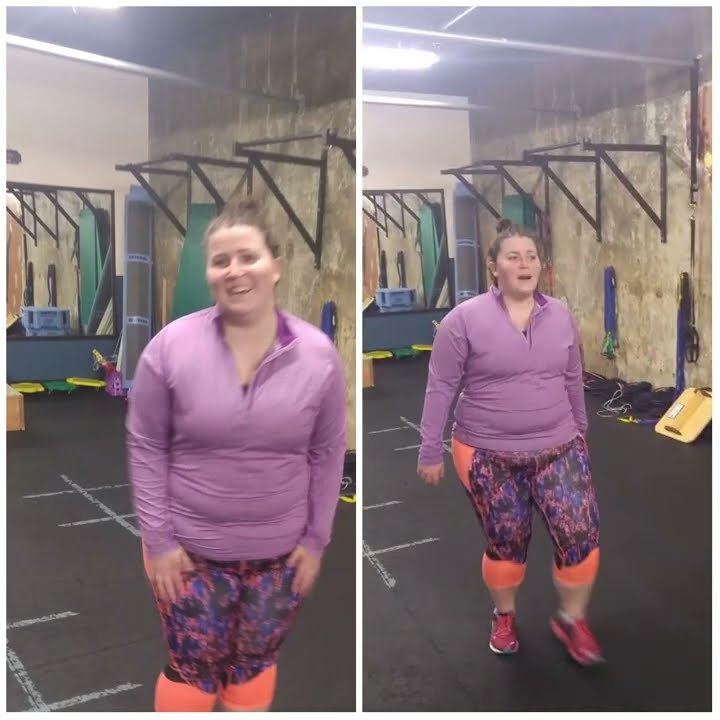 Play video: Client testimonial: Cindy, a lifetime of knee pain rated 6/10
 “I tore my ACL in an MMA match and haven't been able to train since”
— Meghan, 4/10 knee pain after an ACL tearYour results may vary.
 Play video: Client testimonial: Meghan, knee pain after an ACL tear, 4 out of 10 down to 0
 “After my fall my knee was in pain and I couldn't stand on one leg”
— Brad, 6 months of 6/10 knee painYour results may vary.
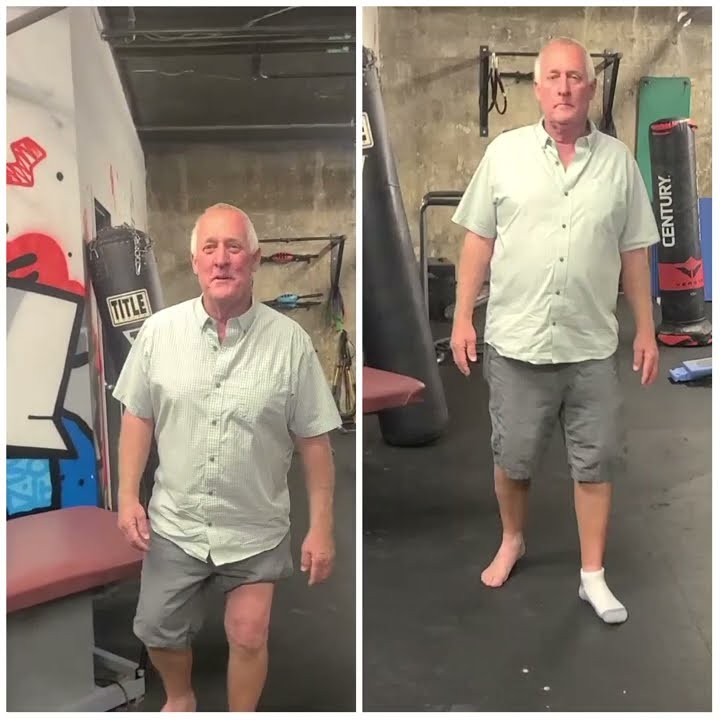 Play video: Client testimonial: Brad, 6 months of knee pain rated 6/10
 “I got surgery on my shoulder 2 years ago and have been getting rolfing and PT”
— Samantha, 5 years of 7/10 shoulder painYour results may vary.
 Play video: Client testimonial: Samantha, 5 years of shoulder pain rated 7/10
 “My shoulder numbness and tingling was so bad I drove 2 hours to see Jamie Atlas”
— Heather, 6 weeks of 10/10 shoulder nerve painYour results may vary.
 Play video: Client testimonial: Heather, 6 weeks of shoulder nerve pain rated 10/10
 “I've been in physical therapy for 6 months and I'm stalled on my results”
— Judy, 6 months of 10/10 shoulder painYour results may vary.
 Play video: Client testimonial: Judy, 6 months of shoulder pain rated 10/10
 “My shoulder pain meant I couldn't take my shirt on or off without hurting”
— Sharon, 4 months of 6/10 shoulder painYour results may vary.
 Play video: Client testimonial: Sharon, 4 months of shoulder pain rated 6/10
 “3 surgeries over 10 years and I still can't get my shoulder above my head”
— Clay, 10 years of 7/10 shoulder painYour results may vary.
 Play video: Client testimonial: Clay, 10 years of shoulder pain rated 7/10
 “Taking my dog for a walk he pulled on my shoulder and now it hurts to move”
— Kendall, 2 weeks of 6/10 shoulder painYour results may vary.
 Play video: Client testimonial: Kendall, 2 weeks of shoulder pain rated 6/10
 “I was squatting at the gym when I felt a pop and my leg went numb”
— Kelly, 12 months of 8/10 back painYour results may vary.
 Play video: Client testimonial: Kelly, 12 months of back pain rated 8/10
 “After the car accident the hospital said I was fine but my back pain says otherwise”
— Dax, 5 days of 10/10 back painYour results may vary.
 Play video: Client testimonial: Dax, 5 days of back pain rated 10/10
 “Playing football has left me with constant back pain that I can't get rid of”
— Matthew, 7 weeks of 7/10 back painYour results may vary.
 Play video: Client testimonial: Matthew, 7 weeks of back pain rated 7/10
 “I went to Pilates to fix my back but it ended up making it worse”
— Colleen, 8 weeks of 7/10 back painYour results may vary.
 Play video: Client testimonial: Colleen, 8 weeks of back pain rated 7/10
 “I was thrown from a horse and couldn't bend over without pain”
— Katrina, 4 weeks of 6/10 back painYour results may vary.
 Play video: Client testimonial: Katrina, 4 weeks of back pain rated 6/10
 “This 9/10 back pain is stopping me from sleeping at night”
— Alexis, 2 months of 10/10 back painYour results may vary.
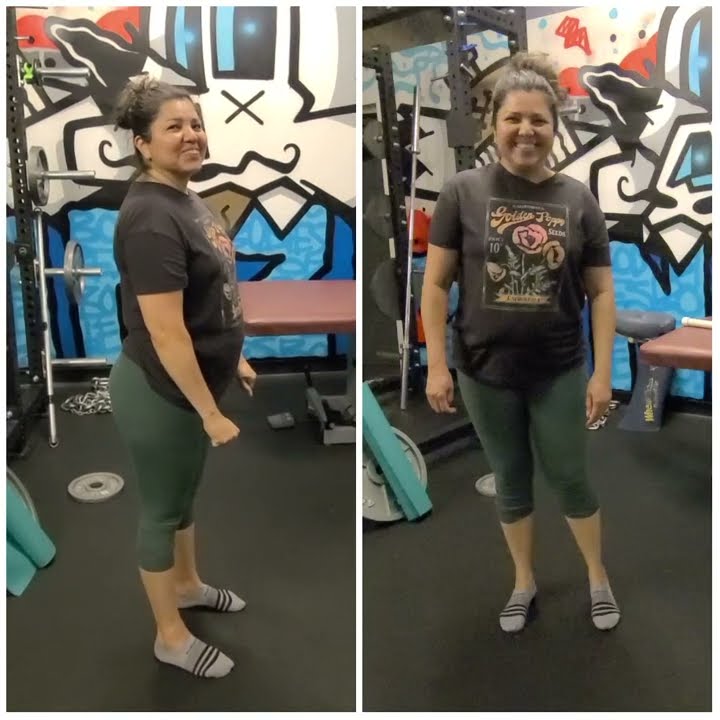 Play video: Client testimonial: Alexis, 2 months of back pain rated 10/10
 “My back pain is so bad I can't put on my shoes”
— Penelope, 5 weeks of 7/10 back painYour results may vary.
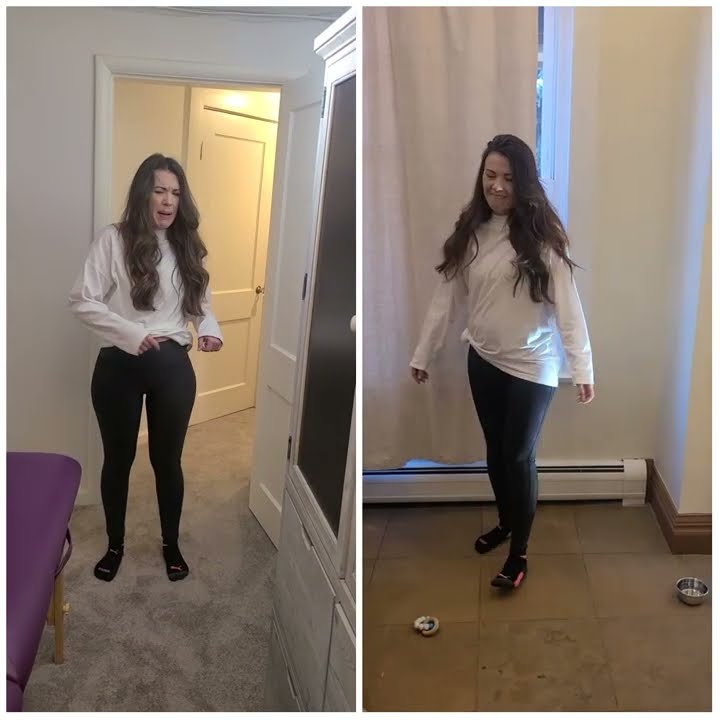 Play video: Client testimonial: Penelope, 5 weeks of back pain rated 7/10
 “Living with back pain has me living at a 7/10 pain that I can't find relief from”
— Chris, 8 weeks of 7/10 back painYour results may vary.
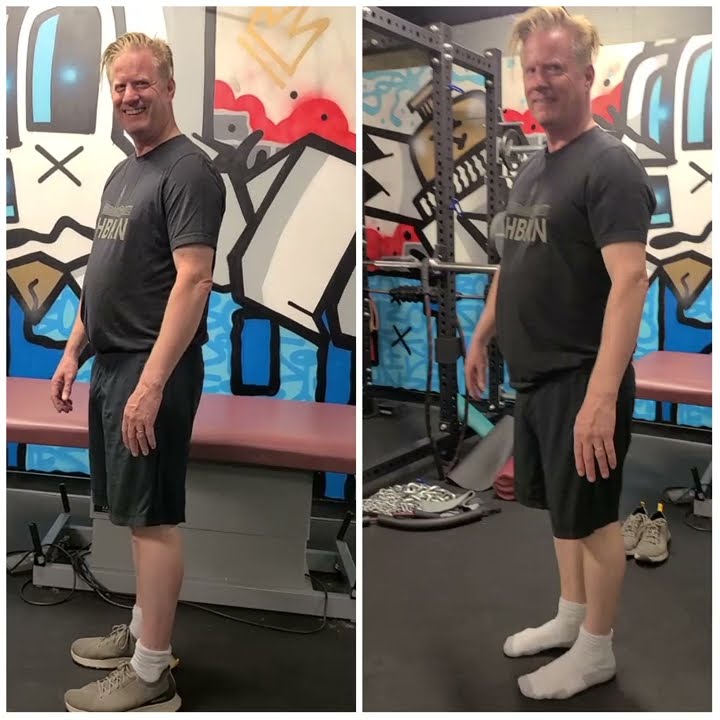 Play video: Client testimonial: Chris, 8 weeks of back pain rated 7/10
 “I have a herniated L4/L5 and my sciatic pain feels like a screwdriver in my back”
— Kendra, 2 years of shooting sciatic painYour results may vary.
 Play video: Client testimonial: Kendra, two years of shooting sciatic pain resolved
 “The doctor told me my spondylolisthesis back pain could only be cured with surgery”
— Tony, 2 weeks of lightning-bolt back painYour results may vary.
 Play video: Client testimonial: Tony, two weeks of severe back pain down to 1 out of 10
 Which of these is you?
The knee has been grumbling for a season or two. You've shortened the hikes, you take the poles now, and you've quietly stopped suggesting the big ones. Start here.
You've had it operated on or treated and you're hesitant. Cleared on paper, and still standing at the top of a steep section doing arithmetic. The gap between cleared and ready.
Nothing's wrong and you'd like to keep it that way. You've got a list of peaks and you'd like the knees to still be interested in ten years. Training so it doesn't happen.
The descent is a different sport
Going up, your muscles shorten to lift you. It's hard, you breathe like a horse, and the tissue is doing the job it finds most natural. That's why you can be genuinely unfit and still get up a mountain on stubbornness.
Going down, the same muscles have to lengthen while resisting — braking you, step after step, for hours. That contraction is where actual muscle damage comes from, and the numbers are not subtle. A review of the downhill running literature reports immediate strength losses in the knee extensors of roughly 14 to 55 per cent, creatine kinase — a marker of muscle damage — elevated around 420 per cent at twenty-four hours, and recovery taking four to five days.
Now here's the part that matters, and it's the most useful sentence on this page: prior exposure protects you. The people who take the most damage from a descent are consistently the ones least accustomed to descending. Your body will absorb this if you let it rehearse. It just has never once been asked to.
Which is why the standard advice — build up your cardio, get some miles in — reliably produces someone who is superbly prepared for the first half of the day. We were all taught to train the climb. Trails go up on the way out and everyone's watch measures elevation gained, and somewhere in there the entire industry forgot that you have to come back.
The practical version is in the hiking conditioning guide, with the winter equivalent in snowshoe preparation. And if the season after this one involves a chairlift, it's the same knee and the same conversation six weeks earlier — that's over here.
Someone who came in with this
Brad, 6 months of 6/10 knee pain
A hiker who'd had it for six months. Pain went from 6/10 to 1/10 in 50 minutes.
Your results may vary.
Play video: Client testimonial: Brad, 6 months of knee pain rated 6/10 All client videos · results vary from person to person.
What working together actually looks like
A 60-minute assessment first — the knee's history, any surgery, what you've already tried, and the actual hikes you want back. Then we test what it currently accepts going down: single leg, controlled, under load, repeatedly. That last word is the one that finds things. Plenty of knees pass a step-down. Fewer pass the fortieth.
From there, one-on-one sessions of 45 to 60 minutes with me at the studio at 1800 Glenarm Place. We build braking capacity progressively, in doses your knee will accept, and then we build the endurance of it — because the problem was never the first descent of the day.
I've covered the hiking version of this on 9NEWS as their fitness expert, and I've been doing this in Colorado since 2001. If your case isn't a fit for what I do, I'll tell you in the first half hour and point you at whoever is.
Common questions
Why do my knees only hurt hiking downhill?
Going up, your muscles shorten to lift you — the work is hard but the tissue is doing what it finds easiest. Coming down, the same muscles have to lengthen under load to stop you, which is a far more demanding kind of contraction and the one that produces genuine muscle damage. A review of the downhill running literature reports immediate strength losses in the knee extensors ranging from roughly 14 to 55 per cent, with recovery taking four to five days. So it is not that your knees are weak going down. It is that going down is a different and much harder job, and almost nobody trains for it.
How do I train for a fourteener with a knee that already complains?
Backwards from the descent. Most people build up their climbing fitness, arrive at the summit in good shape, and then spend four hours doing the thing they never practised. The useful work is loaded lowering — step-downs, controlled eccentric work, and progressive downhill exposure — because prior exposure is genuinely protective; the people who take the most damage from a descent are the ones least accustomed to descending. If the knee already has a history, get it assessed before you build the mileage rather than after, because the question is not how fit you are, it is what that knee currently tolerates under braking load.
What's the best conditioning for hiking at altitude?
Altitude changes how hard the cardiovascular work feels; it does not change what the joints are being asked to do. Which means the conditioning that matters most is still load-based rather than lung-based: single-leg strength, controlled lowering, and enough endurance in the braking muscles that they are still working on the last mile down. Acclimatisation is real and worth respecting, but the knee that gives out at the trailhead at four in the afternoon almost never gave out because of the air.
So half the day is a lifting job and half the day is a braking job, and we all trained one of them. Written down like that it sounds like something you'd work out in an afternoon, which is roughly the reaction I had when it was finally explained to me, some years into a career built on knowing things about legs.
Anyway. You know it now. Good luck un-knowing it at four in the afternoon on the last mile down.
There's a list of peaks and a finite number of summers.
A 30-minute assessment, $57: your history, my plain read on whether I can help, and one change you can measure before you leave.
Not in pain, just want to train hard without getting hurt? That's most of what I do →
Book a 30-minute assessmentOr call (720) 257-9328 · Knee pain · Masters athlete injuries