
For pickleball players
The gentle sport is sending me more shoulders than skiing is.
Which surprised me, and I've stopped being surprised by much. Everyone arrives saying the same slightly sheepish sentence — it's only pickleball — as though the joint files a report on what the sport is called. It doesn't. It files a report on how many times you went overhead and how many times you changed direction, and on both counts this sport is quietly enormous.
“I picked up my daughter and my neck went numb”
— Monique, 4 weeks of 7/10 neck painYour results may vary.
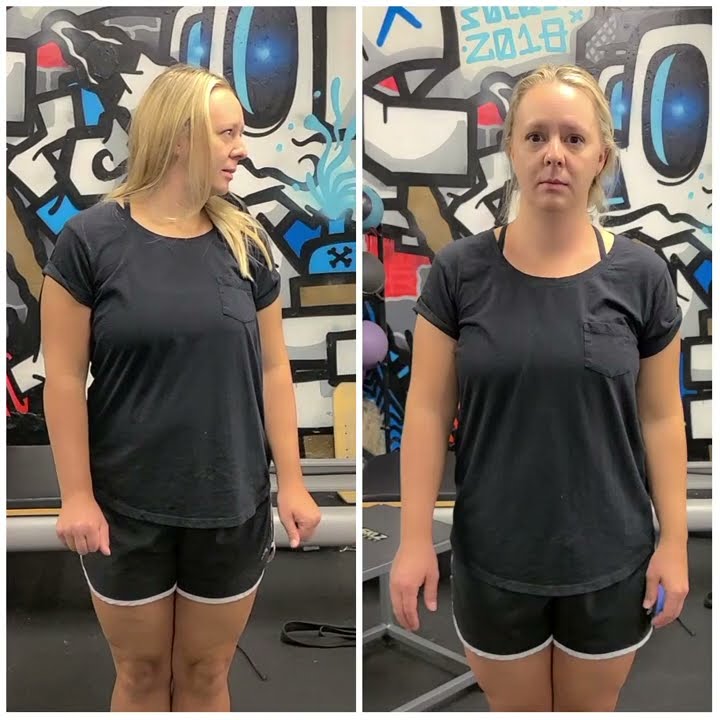 Play video: Client testimonial: Monique, 4 weeks of neck pain rated 7/10
 “I tried a new move in yoga. I woke up the next morning and couldn't move my neck”
— Danielle, 6 weeks of 7/10 neck painYour results may vary.
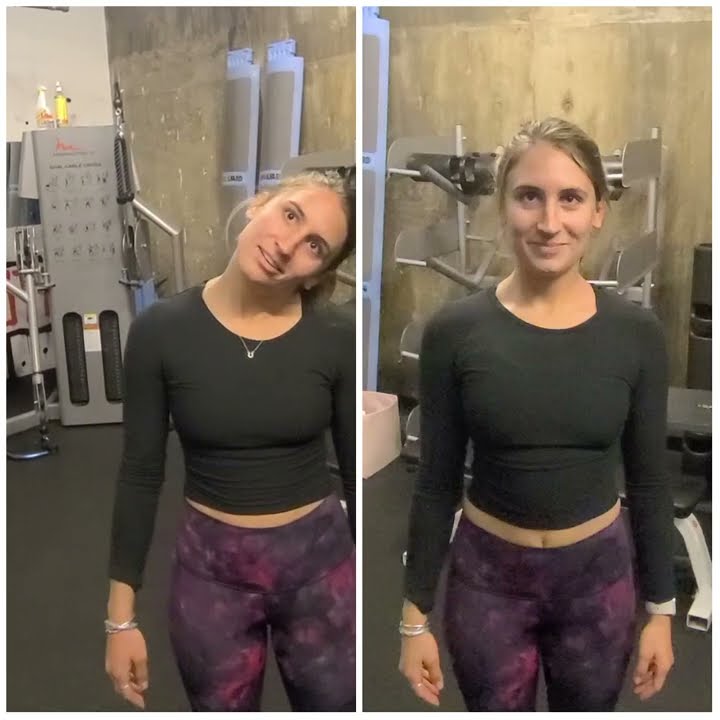 Play video: Client testimonial: Danielle, 6 weeks of neck pain rated 7/10
 “After 3 years I didn't think anyone could help me fix my neck”
— Sandy, 3 years of 8/10 neck painYour results may vary.
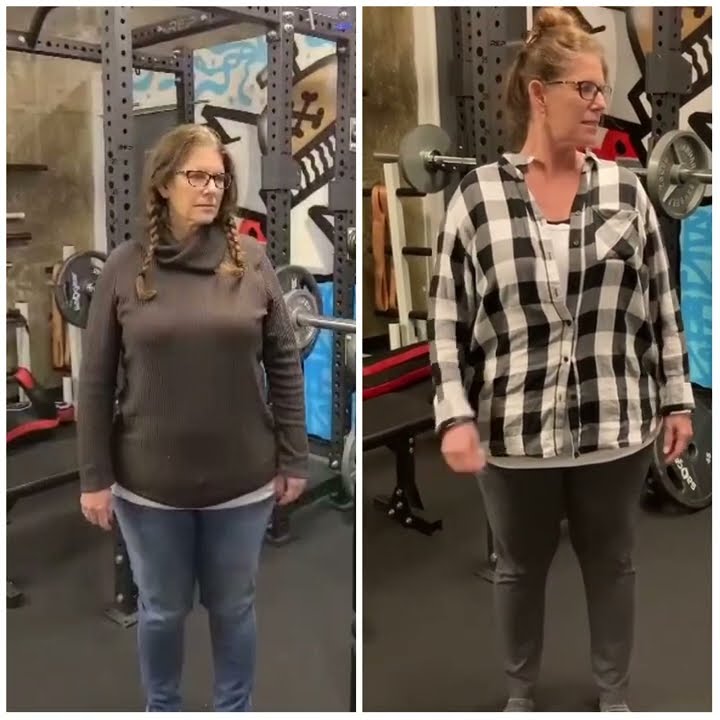 Play video: Client testimonial: Sandy, 3 years of neck pain rated 8/10
 “My office job means my neck is in constant pain, nothing seems to help”
— Natasha, 4 weeks of 7/10 neck painYour results may vary.
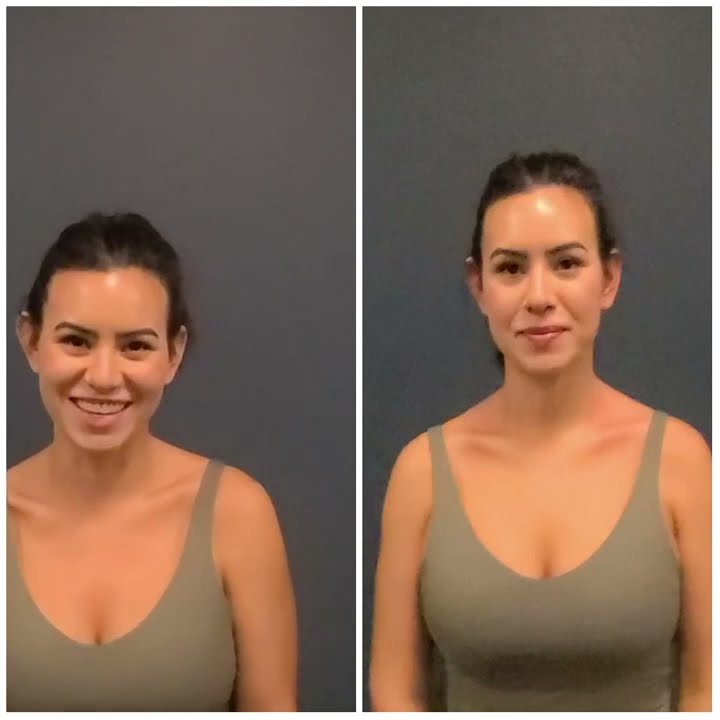 Play video: Client testimonial: Natasha, 4 weeks of neck pain rated 7/10
 “It's too hard to get in shape when I've had knee pain ever since I can remember”
— Cindy, a lifetime of 6/10 knee painYour results may vary.
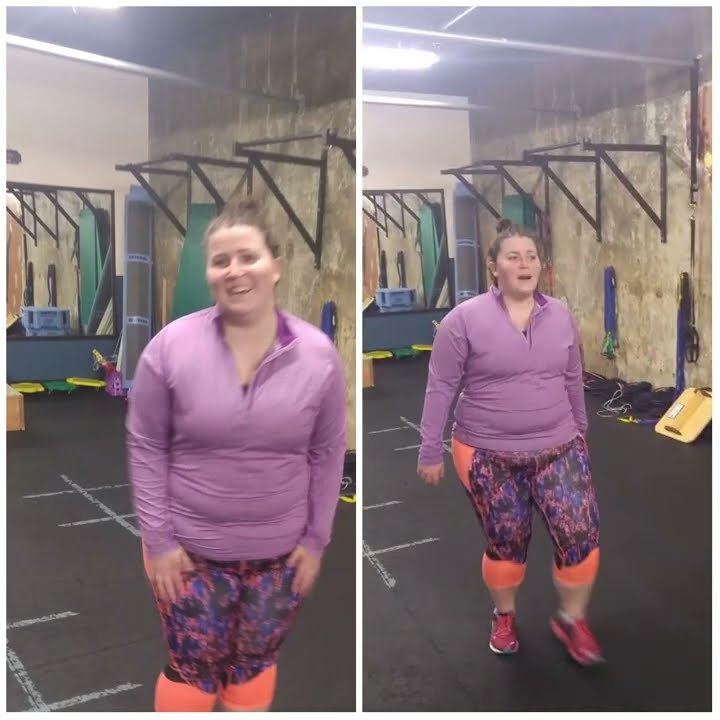 Play video: Client testimonial: Cindy, a lifetime of knee pain rated 6/10
 “I tore my ACL in an MMA match and haven't been able to train since”
— Meghan, 4/10 knee pain after an ACL tearYour results may vary.
 Play video: Client testimonial: Meghan, knee pain after an ACL tear, 4 out of 10 down to 0
 “After my fall my knee was in pain and I couldn't stand on one leg”
— Brad, 6 months of 6/10 knee painYour results may vary.
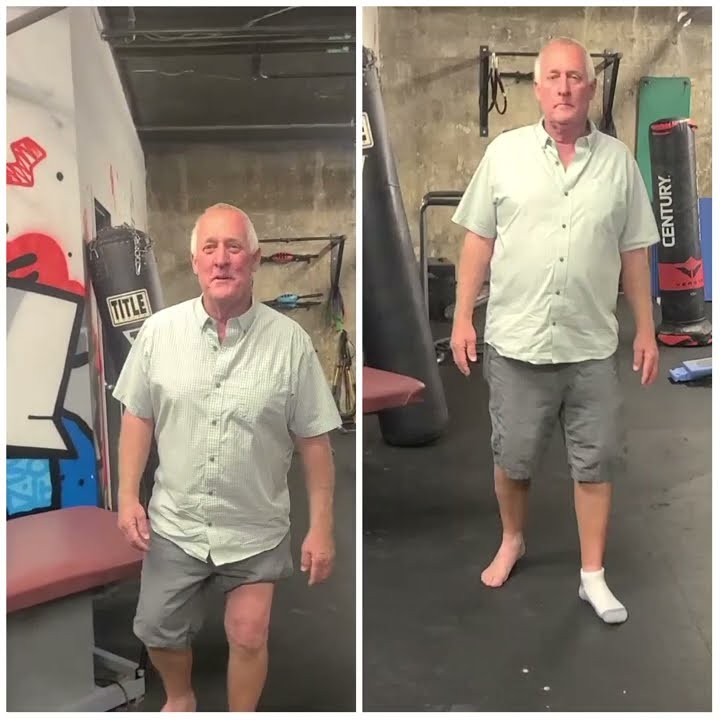 Play video: Client testimonial: Brad, 6 months of knee pain rated 6/10
 “I got surgery on my shoulder 2 years ago and have been getting rolfing and PT”
— Samantha, 5 years of 7/10 shoulder painYour results may vary.
 Play video: Client testimonial: Samantha, 5 years of shoulder pain rated 7/10
 “My shoulder numbness and tingling was so bad I drove 2 hours to see Jamie Atlas”
— Heather, 6 weeks of 10/10 shoulder nerve painYour results may vary.
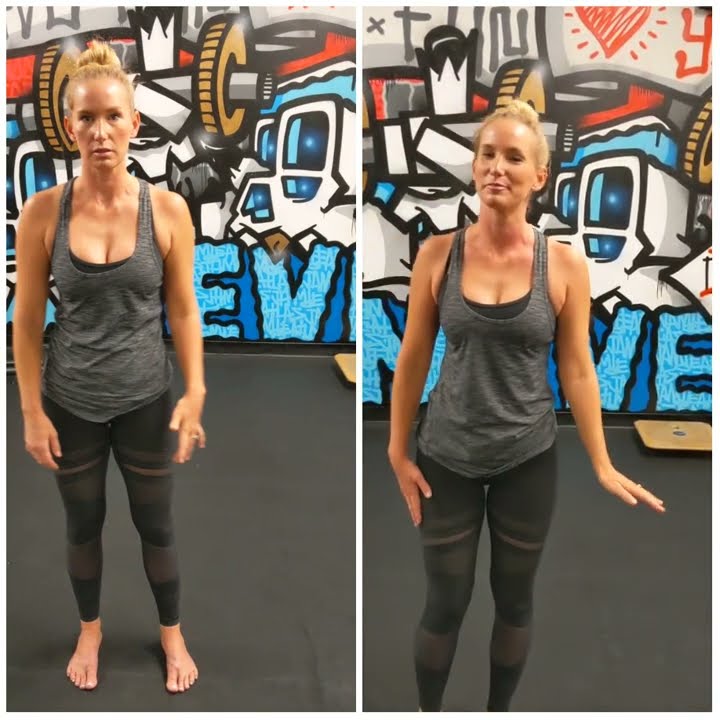 Play video: Client testimonial: Heather, 6 weeks of shoulder nerve pain rated 10/10
 “I've been in physical therapy for 6 months and I'm stalled on my results”
— Judy, 6 months of 10/10 shoulder painYour results may vary.
 Play video: Client testimonial: Judy, 6 months of shoulder pain rated 10/10
 “My shoulder pain meant I couldn't take my shirt on or off without hurting”
— Sharon, 4 months of 6/10 shoulder painYour results may vary.
 Play video: Client testimonial: Sharon, 4 months of shoulder pain rated 6/10
 “3 surgeries over 10 years and I still can't get my shoulder above my head”
— Clay, 10 years of 7/10 shoulder painYour results may vary.
 Play video: Client testimonial: Clay, 10 years of shoulder pain rated 7/10
 “Taking my dog for a walk he pulled on my shoulder and now it hurts to move”
— Kendall, 2 weeks of 6/10 shoulder painYour results may vary.
 Play video: Client testimonial: Kendall, 2 weeks of shoulder pain rated 6/10
 “I was squatting at the gym when I felt a pop and my leg went numb”
— Kelly, 12 months of 8/10 back painYour results may vary.
 Play video: Client testimonial: Kelly, 12 months of back pain rated 8/10
 “After the car accident the hospital said I was fine but my back pain says otherwise”
— Dax, 5 days of 10/10 back painYour results may vary.
 Play video: Client testimonial: Dax, 5 days of back pain rated 10/10
 “Playing football has left me with constant back pain that I can't get rid of”
— Matthew, 7 weeks of 7/10 back painYour results may vary.
 Play video: Client testimonial: Matthew, 7 weeks of back pain rated 7/10
 “I went to Pilates to fix my back but it ended up making it worse”
— Colleen, 8 weeks of 7/10 back painYour results may vary.
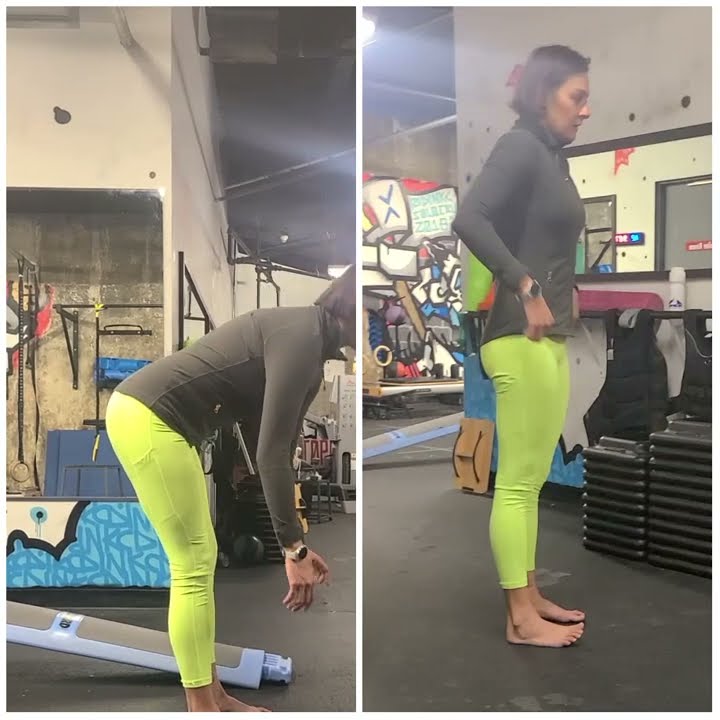 Play video: Client testimonial: Colleen, 8 weeks of back pain rated 7/10
 “I was thrown from a horse and couldn't bend over without pain”
— Katrina, 4 weeks of 6/10 back painYour results may vary.
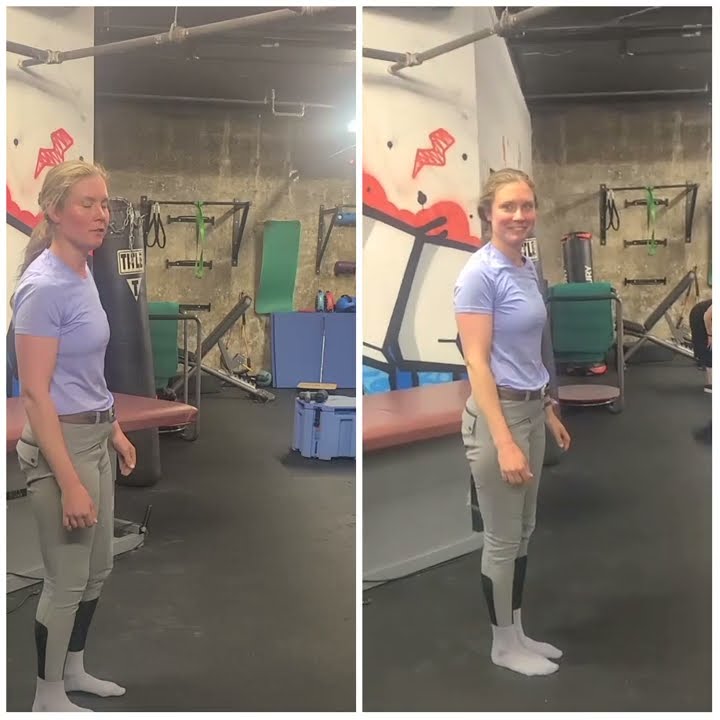 Play video: Client testimonial: Katrina, 4 weeks of back pain rated 6/10
 “This 9/10 back pain is stopping me from sleeping at night”
— Alexis, 2 months of 10/10 back painYour results may vary.
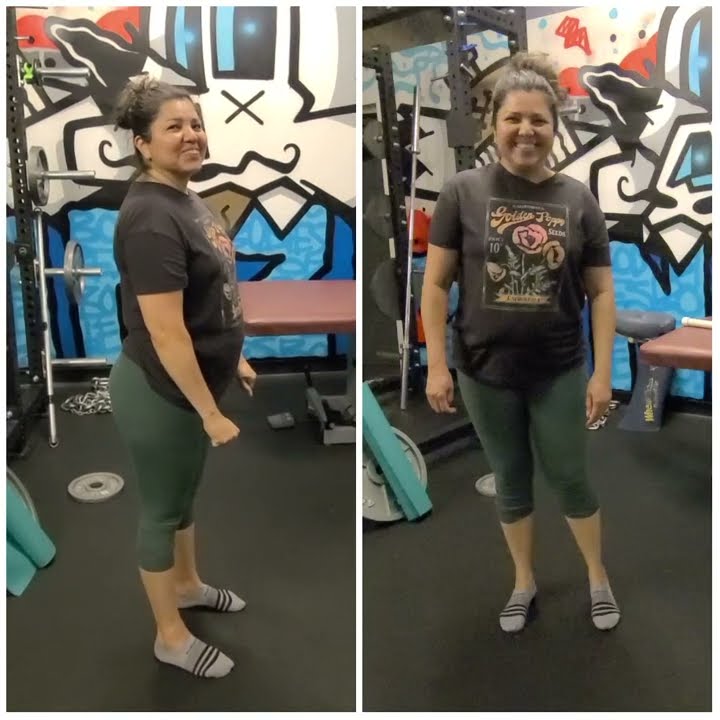 Play video: Client testimonial: Alexis, 2 months of back pain rated 10/10
 “My back pain is so bad I can't put on my shoes”
— Penelope, 5 weeks of 7/10 back painYour results may vary.
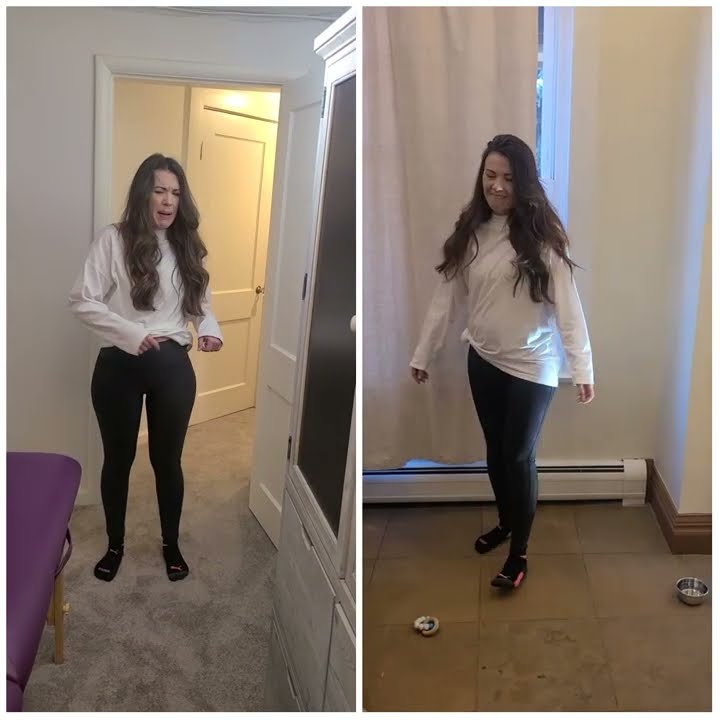 Play video: Client testimonial: Penelope, 5 weeks of back pain rated 7/10
 “Living with back pain has me living at a 7/10 pain that I can't find relief from”
— Chris, 8 weeks of 7/10 back painYour results may vary.
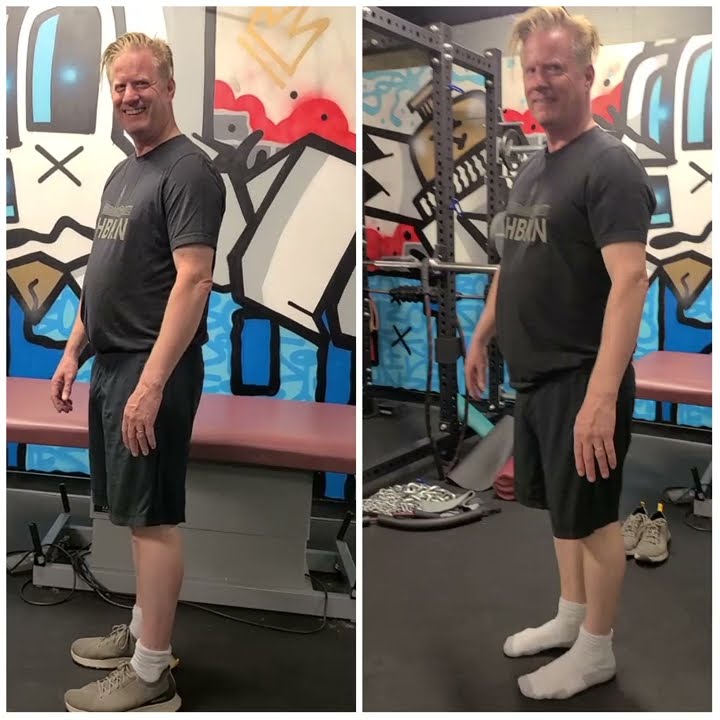 Play video: Client testimonial: Chris, 8 weeks of back pain rated 7/10
 “I have a herniated L4/L5 and my sciatic pain feels like a screwdriver in my back”
— Kendra, 2 years of shooting sciatic painYour results may vary.
 Play video: Client testimonial: Kendra, two years of shooting sciatic pain resolved
 “The doctor told me my spondylolisthesis back pain could only be cured with surgery”
— Tony, 2 weeks of lightning-bolt back painYour results may vary.
 Play video: Client testimonial: Tony, two weeks of severe back pain down to 1 out of 10
 Which of these is you?
You're playing through something. It grumbles on Tuesday, it's fine by Thursday, and you've built a little routine of ice and hope around it. Start here.
You've had it treated and you're not back properly. The surgery or the physio is behind you, and you're still playing at about seventy per cent and calling it eighty. The gap between cleared and ready.
You're fine and you'd like to stay on court. You've watched three people in your group go down this year and you'd rather not be the fourth. Playing without collecting injuries.
Why the easiest sport to start is a hard sport to absorb
Pickleball's genius is that you can play a real point within about four minutes of picking up a paddle. No sport has ever been so generous about letting you in.
That generosity is also the problem. The barrier that keeps people out of most sports — the year of being bad at it — is the same barrier that would otherwise have built the tissue up slowly. You skipped straight to competitive, at pace, three times a week, on a body that agreed to none of this.
Two things then take the load. The shoulder, because the game lives overhead and the points are short, so the repetitions per hour are far higher than they feel. And the knee, because pickleball is played sideways — and sideways is the direction almost nothing else in a modern adult life asks for.
That second one is worth sitting with. Think honestly about the last decade of your movement. Walking: forwards. Cycling: forwards. Running: forwards. Every machine at every gym you've belonged to since the Reagan administration: forwards, backwards, up, down. Then on a Tuesday evening somebody dinks it wide and your knee is asked to brake, sideways, at speed, for the first time since a school sports day.
That knee isn't failing. It's being asked a question it was never taught the answer to. Which is genuinely good news, because unrehearsed is a much more solvable state than damaged.
The shoulder half of the work starts with these overhead patterns, and the sideways half starts with balance and deceleration.
People who came in with this
Clay, 10 years of 7/10 shoulder pain
A pickleball player who'd had it for ten years. Pain went from 7/10 to 1/10 in three weeks.
Your results may vary.
Play video: Client testimonial: Clay, 10 years of shoulder pain rated 7/10 Cindy, a lifetime of 6/10 knee pain
A walker who'd had pain lunging for as long as she could remember. Pain went from 6/10 to 2/10 in 10 minutes.
Your results may vary.
Play video: Client testimonial: Cindy, a lifetime of knee pain rated 6/10 All client videos · results vary from person to person.
What working together actually looks like
A 60-minute assessment first: what happened, what's been done about it, what your playing week looks like, and then testing what the shoulder and the knee currently accept — overhead, across the body, and sideways under load. That last one is the test most people have never had, and it is usually the revealing one.
Then one-on-one sessions of 45 to 60 minutes with me at the studio on Glenarm Place downtown. The goal isn't a shoulder that behaves in a clinic. It's a shoulder that behaves in the third game, when you're tired and the ball is above your head and you're going to go for it anyway, because of course you are.
And if what you've got needs a physician before it needs me, I'll say so in the first half hour.
Common questions
Why does pickleball hurt my shoulder when tennis never did?
Mostly volume and height. A pickleball point involves far more short, sharp actions per minute than a tennis point, many of them at or above shoulder height, and the court is small enough that you rarely get the walking-back reset that tennis builds in. Add a lighter paddle, which encourages faster arm-led swings rather than whole-body ones, and you have a shoulder doing a great many repetitions in the exact range it is least conditioned for. It is not that the sport is dangerous. It is that the dose is much higher than it feels.
Is pickleball bad for your knees after 50?
The sport is not the problem; the direction is. Pickleball is played sideways — split step, push off, change direction, stop. For most people over 50 that is the first significant sideways loading their knees have seen since a school sports field, because walking, cycling, running and every gym machine in the building all move forwards and backwards. A knee that has only been asked to go one way for thirty years is not weak. It is unrehearsed, which is a different problem and a more fixable one.
How do I get back on court after a shoulder injury?
By finding out what the shoulder currently tolerates and building from there, rather than testing it in a game and hoping. In practice that means checking overhead range and control first, then loading the positions the sport actually uses — overhead, across the body, decelerating — and only then adding speed. Most people need six to eight sessions to know where they stand and to have a plan they trust. Complex or long-standing cases take longer, and I will tell you which one you are after the assessment rather than after the money.
So the sport that let you in without an entrance exam also skipped the part where your body got ready for it, and the joint doesn't care what the sport is called. Once you've seen that, "it's only pickleball" stops being available as an explanation — which is a shame, because it was a good one and I liked hearing it.
Anyway. You know it now. See you on Tuesday.
How many seasons of this do you want?
A 30-minute assessment, $57: your history, my plain read on whether I can help, and one change you can measure before you leave.
Not in pain, just want to train hard without getting hurt? That's most of what I do →
Book a 30-minute assessmentOr call (720) 257-9328 · Shoulder pain · Knee pain