
For golfers
Somebody has told you your swing is why your back hurts. There's a problem with that.
It's been looked for, properly, more than once. A 2023 systematic review of the swing biomechanics literature put it about as plainly as these things get: there is no conclusive evidence to support the commonly held belief that low back pain is associated with "poor" golf swing technique. Which is awkward, because an entire industry is built on the opposite sentence.
“I picked up my daughter and my neck went numb”
— Monique, 4 weeks of 7/10 neck painYour results may vary.
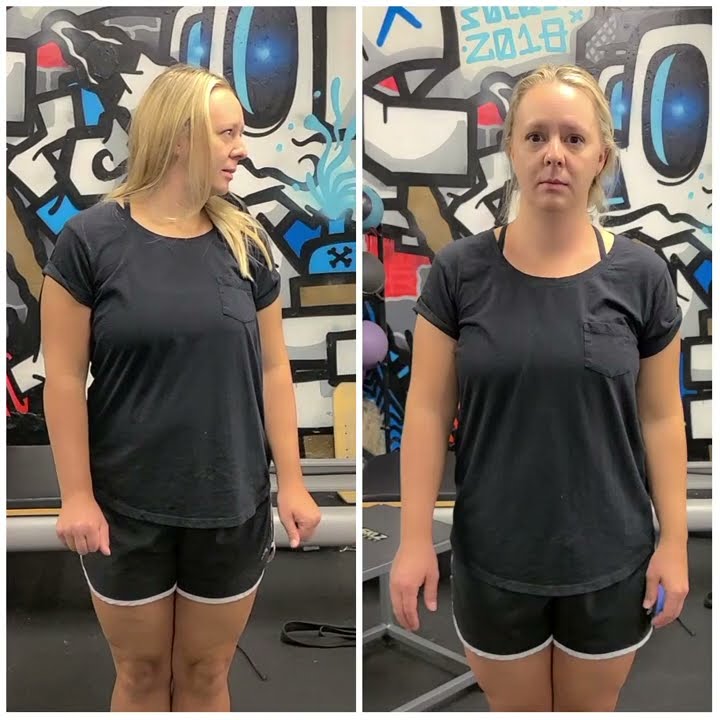 Play video: Client testimonial: Monique, 4 weeks of neck pain rated 7/10
 “I tried a new move in yoga. I woke up the next morning and couldn't move my neck”
— Danielle, 6 weeks of 7/10 neck painYour results may vary.
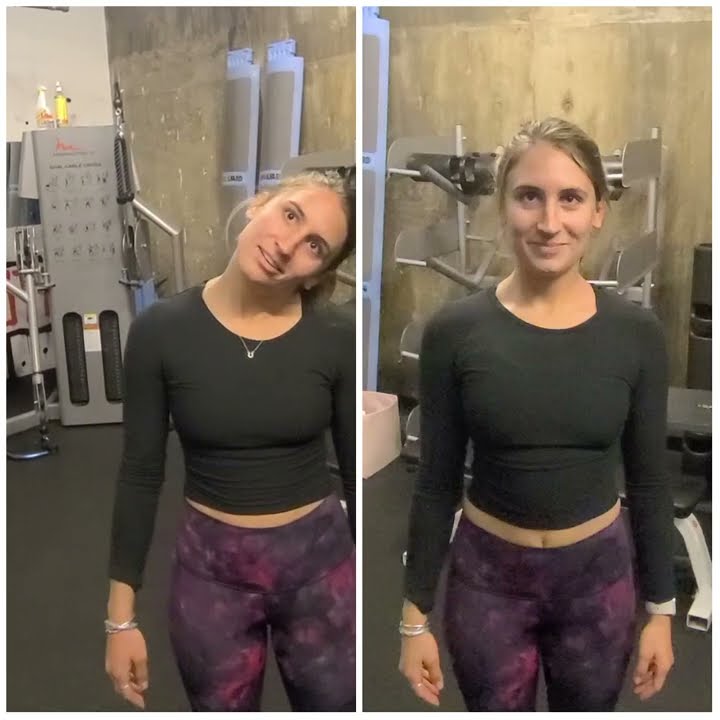 Play video: Client testimonial: Danielle, 6 weeks of neck pain rated 7/10
 “After 3 years I didn't think anyone could help me fix my neck”
— Sandy, 3 years of 8/10 neck painYour results may vary.
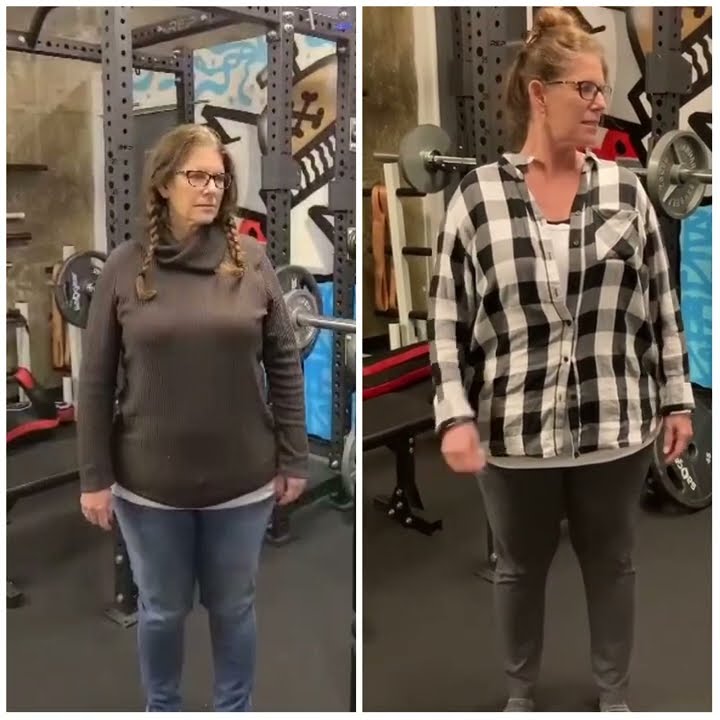 Play video: Client testimonial: Sandy, 3 years of neck pain rated 8/10
 “My office job means my neck is in constant pain, nothing seems to help”
— Natasha, 4 weeks of 7/10 neck painYour results may vary.
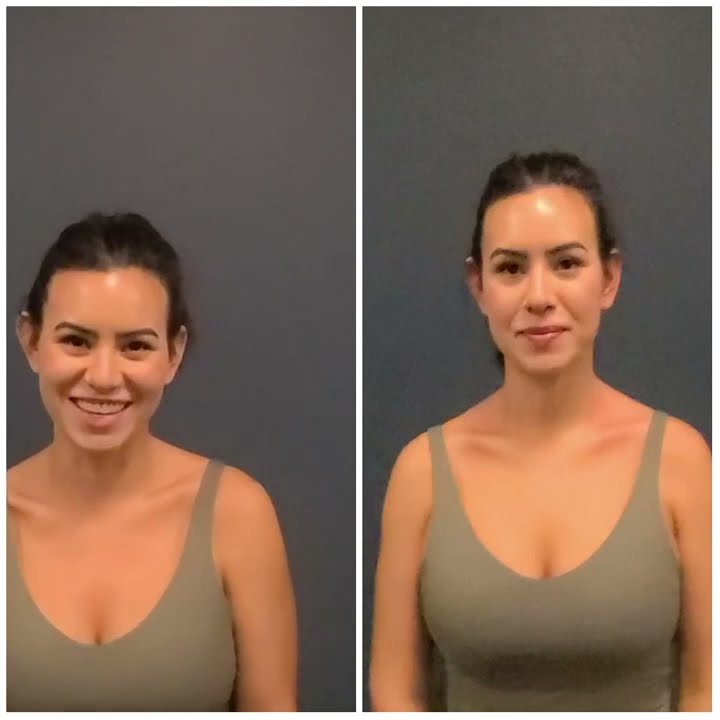 Play video: Client testimonial: Natasha, 4 weeks of neck pain rated 7/10
 “It's too hard to get in shape when I've had knee pain ever since I can remember”
— Cindy, a lifetime of 6/10 knee painYour results may vary.
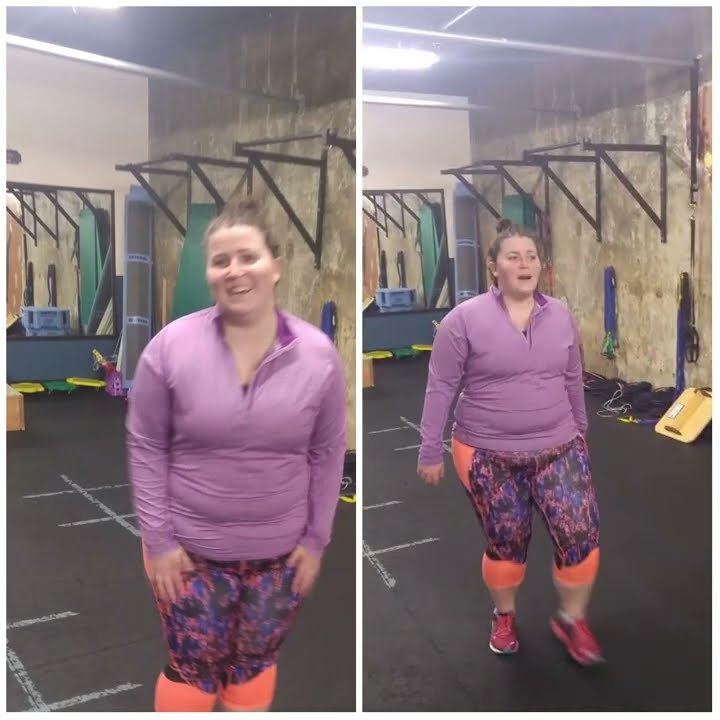 Play video: Client testimonial: Cindy, a lifetime of knee pain rated 6/10
 “I tore my ACL in an MMA match and haven't been able to train since”
— Meghan, 4/10 knee pain after an ACL tearYour results may vary.
 Play video: Client testimonial: Meghan, knee pain after an ACL tear, 4 out of 10 down to 0
 “After my fall my knee was in pain and I couldn't stand on one leg”
— Brad, 6 months of 6/10 knee painYour results may vary.
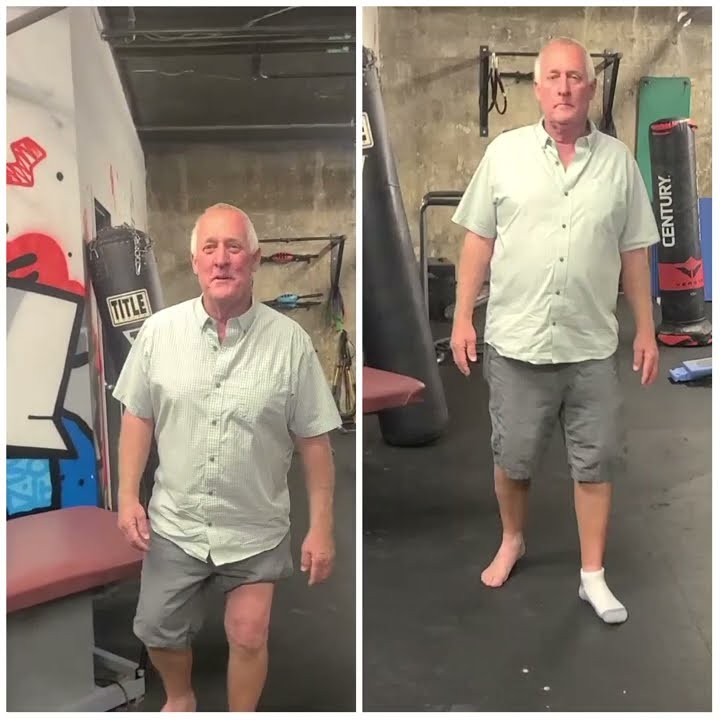 Play video: Client testimonial: Brad, 6 months of knee pain rated 6/10
 “I got surgery on my shoulder 2 years ago and have been getting rolfing and PT”
— Samantha, 5 years of 7/10 shoulder painYour results may vary.
 Play video: Client testimonial: Samantha, 5 years of shoulder pain rated 7/10
 “My shoulder numbness and tingling was so bad I drove 2 hours to see Jamie Atlas”
— Heather, 6 weeks of 10/10 shoulder nerve painYour results may vary.
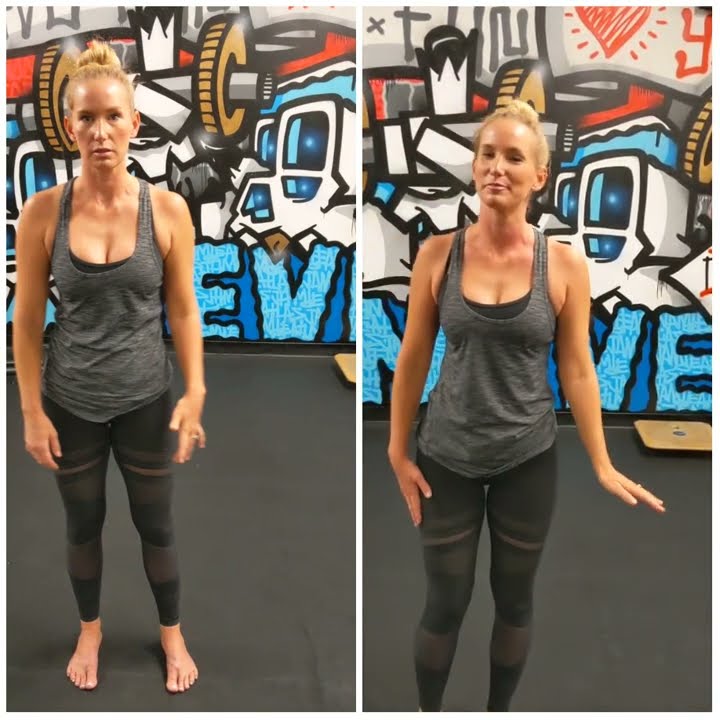 Play video: Client testimonial: Heather, 6 weeks of shoulder nerve pain rated 10/10
 “I've been in physical therapy for 6 months and I'm stalled on my results”
— Judy, 6 months of 10/10 shoulder painYour results may vary.
 Play video: Client testimonial: Judy, 6 months of shoulder pain rated 10/10
 “My shoulder pain meant I couldn't take my shirt on or off without hurting”
— Sharon, 4 months of 6/10 shoulder painYour results may vary.
 Play video: Client testimonial: Sharon, 4 months of shoulder pain rated 6/10
 “3 surgeries over 10 years and I still can't get my shoulder above my head”
— Clay, 10 years of 7/10 shoulder painYour results may vary.
 Play video: Client testimonial: Clay, 10 years of shoulder pain rated 7/10
 “Taking my dog for a walk he pulled on my shoulder and now it hurts to move”
— Kendall, 2 weeks of 6/10 shoulder painYour results may vary.
 Play video: Client testimonial: Kendall, 2 weeks of shoulder pain rated 6/10
 “I was squatting at the gym when I felt a pop and my leg went numb”
— Kelly, 12 months of 8/10 back painYour results may vary.
 Play video: Client testimonial: Kelly, 12 months of back pain rated 8/10
 “After the car accident the hospital said I was fine but my back pain says otherwise”
— Dax, 5 days of 10/10 back painYour results may vary.
 Play video: Client testimonial: Dax, 5 days of back pain rated 10/10
 “Playing football has left me with constant back pain that I can't get rid of”
— Matthew, 7 weeks of 7/10 back painYour results may vary.
 Play video: Client testimonial: Matthew, 7 weeks of back pain rated 7/10
 “I went to Pilates to fix my back but it ended up making it worse”
— Colleen, 8 weeks of 7/10 back painYour results may vary.
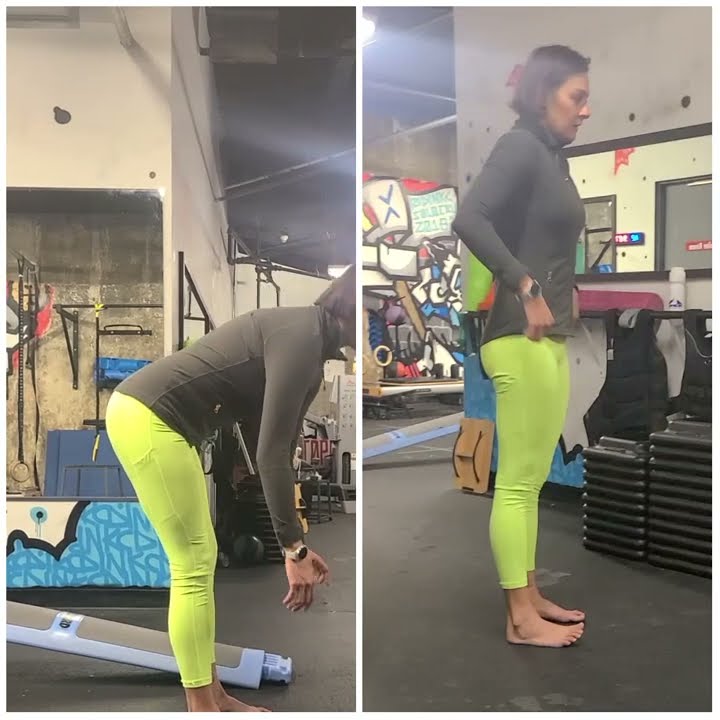 Play video: Client testimonial: Colleen, 8 weeks of back pain rated 7/10
 “I was thrown from a horse and couldn't bend over without pain”
— Katrina, 4 weeks of 6/10 back painYour results may vary.
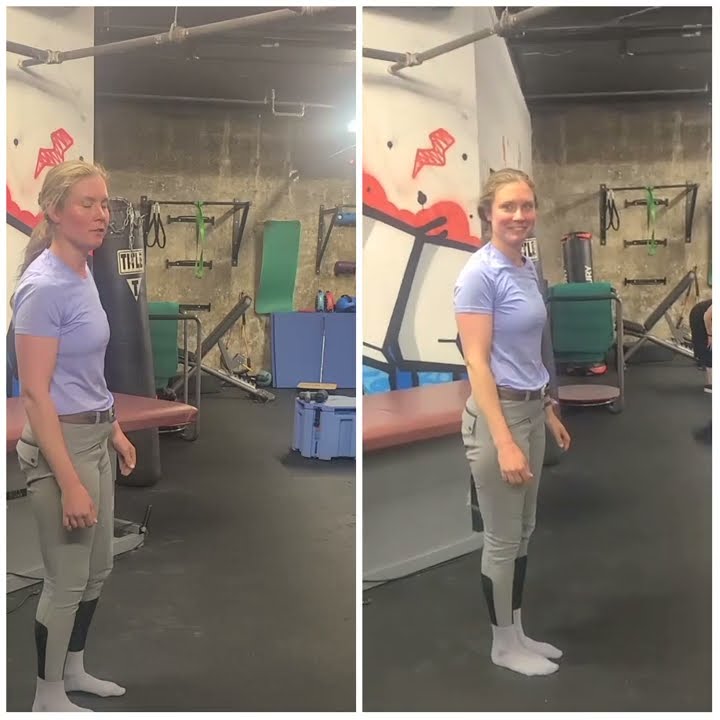 Play video: Client testimonial: Katrina, 4 weeks of back pain rated 6/10
 “This 9/10 back pain is stopping me from sleeping at night”
— Alexis, 2 months of 10/10 back painYour results may vary.
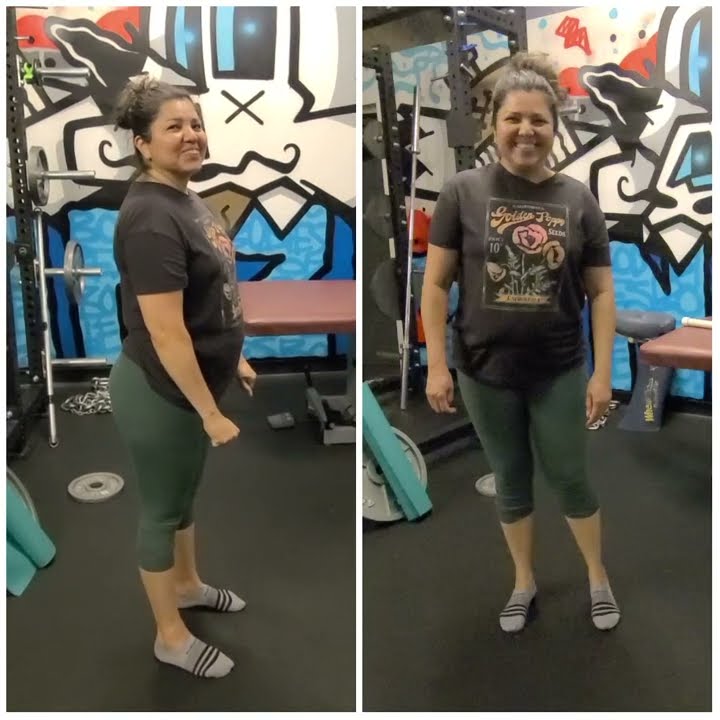 Play video: Client testimonial: Alexis, 2 months of back pain rated 10/10
 “My back pain is so bad I can't put on my shoes”
— Penelope, 5 weeks of 7/10 back painYour results may vary.
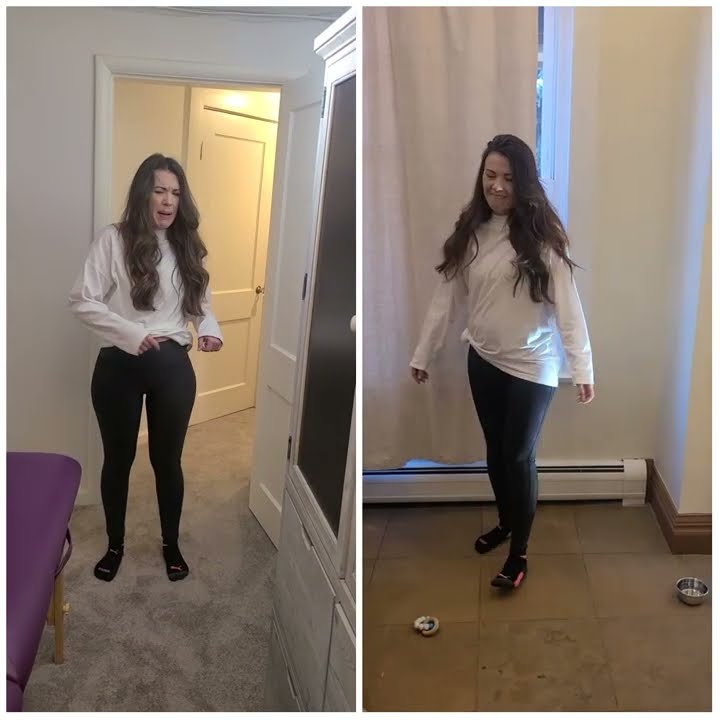 Play video: Client testimonial: Penelope, 5 weeks of back pain rated 7/10
 “Living with back pain has me living at a 7/10 pain that I can't find relief from”
— Chris, 8 weeks of 7/10 back painYour results may vary.
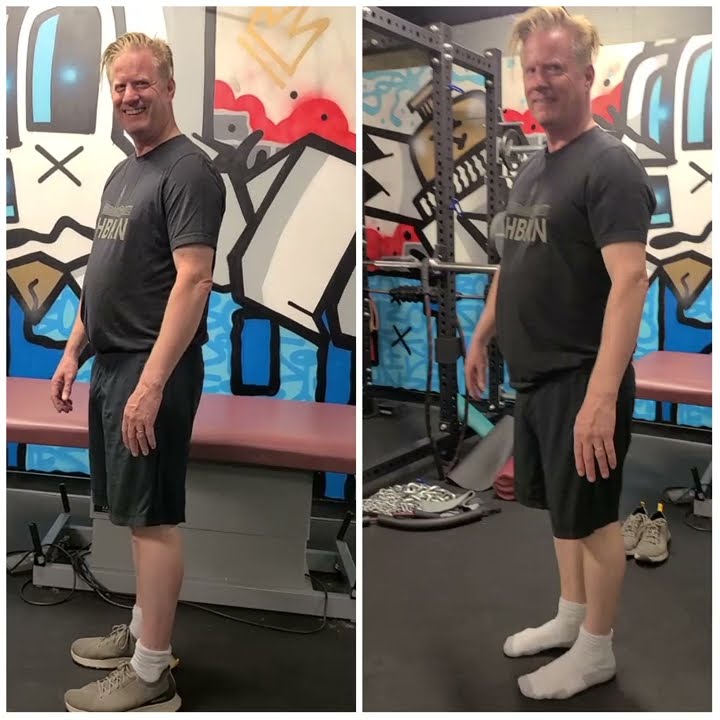 Play video: Client testimonial: Chris, 8 weeks of back pain rated 7/10
 “I have a herniated L4/L5 and my sciatic pain feels like a screwdriver in my back”
— Kendra, 2 years of shooting sciatic painYour results may vary.
 Play video: Client testimonial: Kendra, two years of shooting sciatic pain resolved
 “The doctor told me my spondylolisthesis back pain could only be cured with surgery”
— Tony, 2 weeks of lightning-bolt back painYour results may vary.
 Play video: Client testimonial: Tony, two weeks of severe back pain down to 1 out of 10
 Which of these is you?
It's there by the back nine and you've stopped mentioning it. You've had the lesson, you've had the fitting, you take the anti-inflammatories in the cart. Start here.
You've had surgery or an injection and you're tentative. Cleared, technically. Not swinging freely. The gap between cleared and ready.
Nothing hurts and you intend to keep playing into your eighties. Building a body that lasts the game.
The swing-fault story, and what happened when it was tested
You will have met some version of this. There is a named fault in your swing — too much side bend, too much separation, the spine angle, the early extension — and that named fault is what your back is paying for. Screen the fault, fix the fault, fix the back.
It is a wonderful story. It has a villain you can see on video. I have told versions of it.
The best-known of these is the crunch factor — side bend combined with rotation speed through impact. In 2013 researchers put golfers with golf-related low back pain and golfers without it through 3D motion analysis and compared them directly. Peak crunch factor: 4,879 in the pain group, 4,920 in the pain-free group. A p-value of 0.96. There is no polite way to describe that result other than nothing whatsoever.
The X-factor — the separation between your shoulders and hips at the top — has a genuine relationship with ball speed, and it's a reasonable thing for a coach to care about. Its relationship with injury is a different matter: the systematic review that pooled the risk-factor literature found no support for a relationship between swing characteristics and the development of golf-related pain.
And screening? In elite golfers followed for six months, thirty movement screening tests were applied to forty-one injury-free players. Three were associated with going on to develop back pain, all weakly — and the golfers who developed pain had performed better on them. The authors' own conclusion was that this brings the usefulness of such screening into question.
What actually survived meta-analysis as associated with golfers' low back pain was rather less marketable: age, body mass, and having had back pain before.
So what do I actually look at?
Hips. And I want to be careful about how strongly I put this, because being careful about it is rather the point of everything above.
Golfers with a history of low back pain have been found, on average, to have less internal rotation in the lead hip than golfers without — around seven to ten degrees in one study of amateurs. Outside golf, restricted hip internal rotation is the one hip movement that keeps turning up alongside low back pain.
Now the limits, which most people selling you a hip programme will leave out. Those studies compare people who already have pain. Whether the stiff hip came first or arrived as a consequence of guarding a sore back has never been established, no study has shown that measuring it predicts who will develop pain, and the pooled golf analysis didn't find hip range among its associated factors at all.
So it is a reasonable thing to assess and often a useful thing to change. It is not your root cause, and anyone who tells you it is has gone further than the evidence goes.
What has better support is unglamorous: strength, and graded loading of the positions the game asks for. Across sports, strength training reduces injury risk to roughly a third of the control rate — that's across sports rather than golf specifically, and I'll flag it rather than quietly upgrade it. And for clubhead speed, the 2024 meta-analysis is unambiguous: jump impulse, upper-body explosive strength and peak power are what correlate. Flexibility correlates with essentially nothing.
The practical version is in the golf conditioning guide, and the clinical detail if the back is the loud part is in chronic back pain.
A golfer who came in with this
Dax, 5 days of 10/10 back pain
A golfer, five days in and at 10/10. Pain went from 10/10 to 0/10 in two weeks.
Your results may vary.
Play video: Client testimonial: Dax, 5 days of back pain rated 10/10 All client videos · results vary from person to person.
Before you worry: the game is good for you
I have just spent several hundred words on golfers' backs, so let me put the other side up with equal prominence.
The 2018 international consensus statement on golf and health found unanimous expert agreement that playing golf regularly is associated with increased longevity, and that it is likely to provide strength and balance benefits for older adults. On injury it is similarly reassuring: the risk of injury per hour played is low compared with other sports.
And in a randomised cross-over study of healthy older golfers with an average age of 68, eighteen holes produced more favourable acute effects on blood glucose and lipids than either a six-kilometre Nordic walk or a six-kilometre walk.
Nothing on this page is an argument for playing less. It's an argument about what to do with the twenty minutes a week you were going to spend stretching your hamstrings anyway.
What working together actually looks like
A 60-minute assessment — history, what's been tried, how much you play and walk, and then testing hip rotation, trunk control and what your back accepts under rotational load. Then one-on-one sessions of 45 to 60 minutes with me at the studio at 1800 Glenarm Place downtown.
One thing I am not: a swing coach. I don't teach the golf swing, I don't film it and tell you what's wrong with it, and after everything above you'll understand why I'm not in a hurry to. If your ball flight is the problem, that's a professional's job and a good one is worth every penny. What I do is the body underneath it.
And if what you have needs a physician before it needs me, I'll say so in the first half hour rather than the fifth session.
Common questions
Why does my back hurt after 18 holes?
Low back pain is the most commonly reported complaint in golfers at every level, and the honest answer to why is usually accumulated load rather than a fault in your swing. A round is four or five hours of walking, standing, bending to the ball and around sixty to ninety full-speed rotations, and the back is the region that shows it first. In a prospective study following 910 amateur golfers with a median age of 60 across a season, the lumbosacral spine carried the highest injury burden of any body region — while the same study concluded that amateur golf injury rates are low relative to other sports. Both of those things are true at once.
Can I keep golfing with a disc problem?
Very often yes, and the decision should be made with whoever is managing the disc rather than from a website. What can be said generally is that findings like disc degeneration and bulges are extremely common in people with no pain at all and become more common with age, so a scan finding on its own does not settle the question. In athletes generally, return-to-play rates after lumbar disc herniation are high, and reviews have found no significant difference between those treated surgically and non-surgically. In one case series of 34 golfers following lumbar fusion, about half were back on the course within a year. Those are other people, not a prediction about you.
Does golf fitness training actually add distance?
Some of it does, and it is probably not the part you expect. A 2024 meta-analysis of the physical qualities associated with clubhead speed found the strongest relationships were with jump impulse, upper-body explosive strength and peak power. Flexibility and balance showed essentially no association with clubhead speed at all. A twelve-week supervised strength programme, at one session a week, produced a meaningful clubhead speed increase in competitive youth golfers. So the evidence points at force production rather than at getting looser — which is close to the opposite of what most golfers are handed.
So the named fault on the video has been tested and didn't separate the sore golfers from the comfortable ones, the screen doesn't predict who gets hurt, and the things that do show up are age, body mass and whether your back has been sore before. None of which fits on a launch monitor.
Oh, and if you'd like to spend a weekend going through the biomechanics literature to check my working — genuinely, be my guest. I'll leave the light on. Mind the studies that all cite each other and none of which followed anybody forwards in time.
Anyway. You know it now. Sorry about your next lesson.
You'd like to still be playing in twenty years.
A 30-minute assessment, $57: your history, my plain read on whether I can help, and one change you can measure before you leave.
Not in pain, just want to train hard without getting hurt? That's most of what I do →
Book a 30-minute assessmentOr call (720) 257-9328 · Chronic back pain · Masters athlete injuries