
For riders
Your back is not the problem. Your back is the one paying for it.
A horse moves your pelvis a few thousand times an hour and that movement has to go somewhere. If your hips take it, you ride well and nothing hurts. If your hips have quietly stopped taking it, your lower back becomes the shock absorber for a large animal — a job it did not apply for and is not built to hold down.
“I picked up my daughter and my neck went numb”
— Monique, 4 weeks of 7/10 neck painYour results may vary.
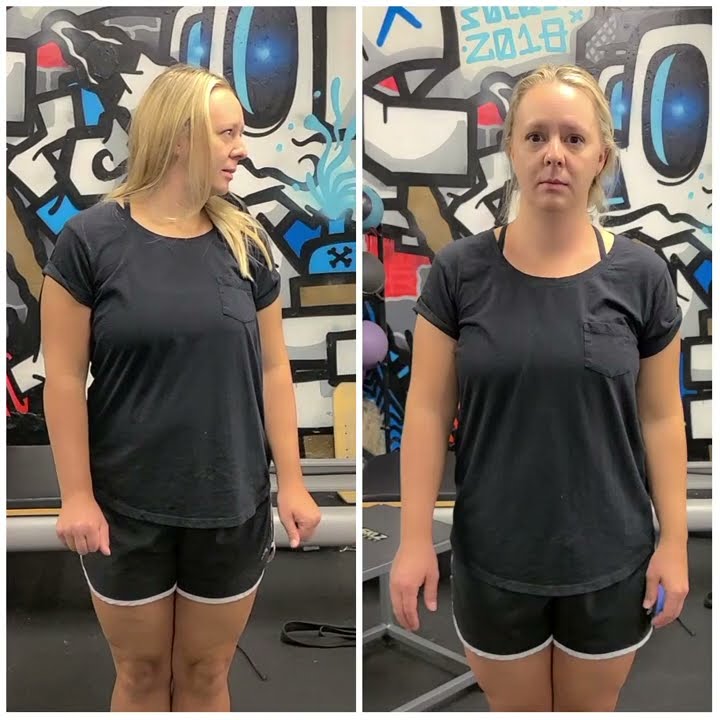 Play video: Client testimonial: Monique, 4 weeks of neck pain rated 7/10
 “I tried a new move in yoga. I woke up the next morning and couldn't move my neck”
— Danielle, 6 weeks of 7/10 neck painYour results may vary.
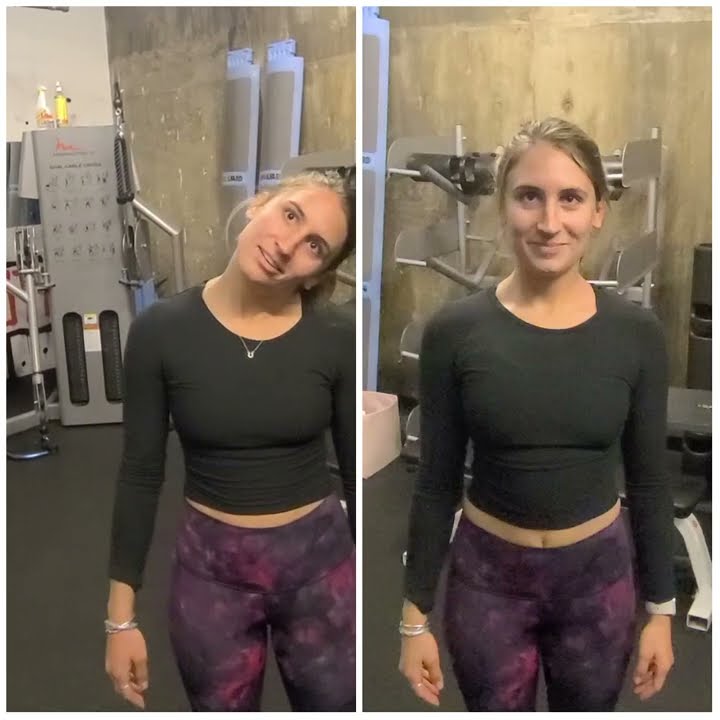 Play video: Client testimonial: Danielle, 6 weeks of neck pain rated 7/10
 “After 3 years I didn't think anyone could help me fix my neck”
— Sandy, 3 years of 8/10 neck painYour results may vary.
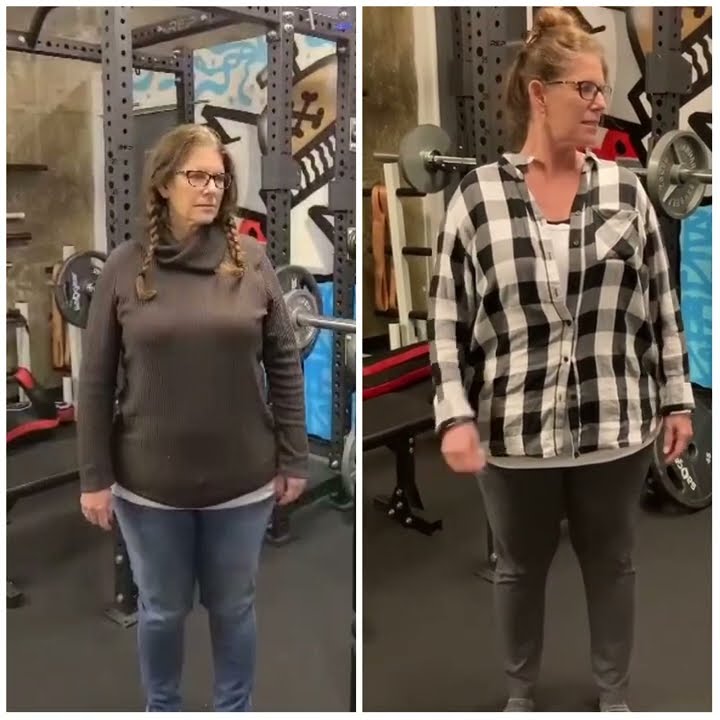 Play video: Client testimonial: Sandy, 3 years of neck pain rated 8/10
 “My office job means my neck is in constant pain, nothing seems to help”
— Natasha, 4 weeks of 7/10 neck painYour results may vary.
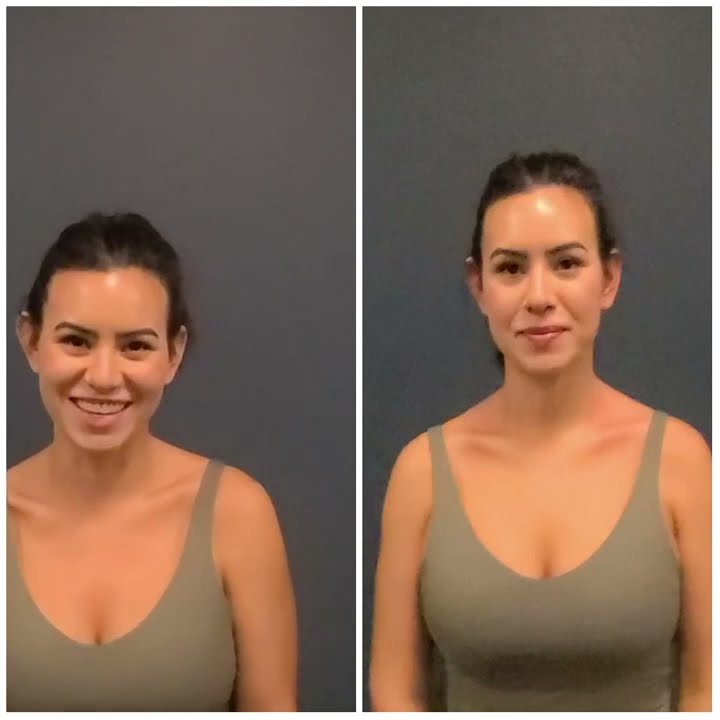 Play video: Client testimonial: Natasha, 4 weeks of neck pain rated 7/10
 “It's too hard to get in shape when I've had knee pain ever since I can remember”
— Cindy, a lifetime of 6/10 knee painYour results may vary.
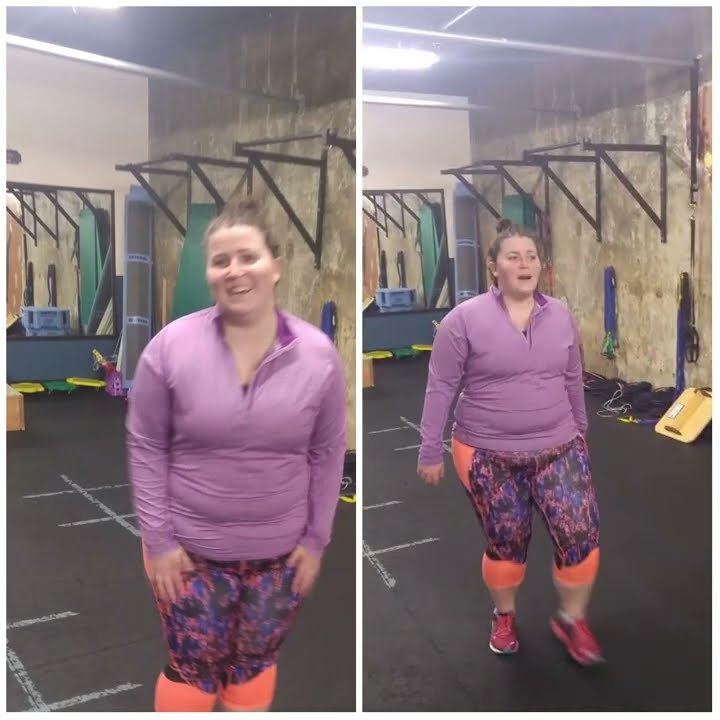 Play video: Client testimonial: Cindy, a lifetime of knee pain rated 6/10
 “I tore my ACL in an MMA match and haven't been able to train since”
— Meghan, 4/10 knee pain after an ACL tearYour results may vary.
 Play video: Client testimonial: Meghan, knee pain after an ACL tear, 4 out of 10 down to 0
 “After my fall my knee was in pain and I couldn't stand on one leg”
— Brad, 6 months of 6/10 knee painYour results may vary.
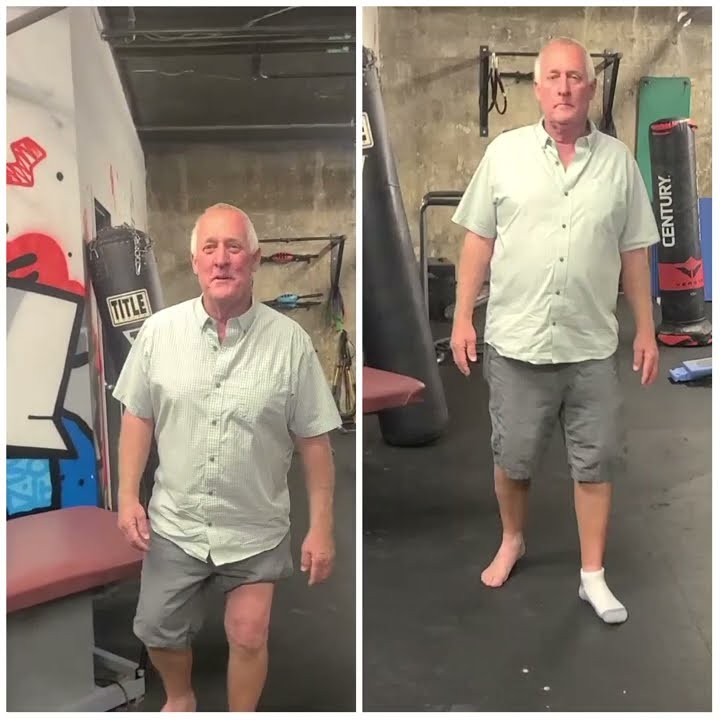 Play video: Client testimonial: Brad, 6 months of knee pain rated 6/10
 “I got surgery on my shoulder 2 years ago and have been getting rolfing and PT”
— Samantha, 5 years of 7/10 shoulder painYour results may vary.
 Play video: Client testimonial: Samantha, 5 years of shoulder pain rated 7/10
 “My shoulder numbness and tingling was so bad I drove 2 hours to see Jamie Atlas”
— Heather, 6 weeks of 10/10 shoulder nerve painYour results may vary.
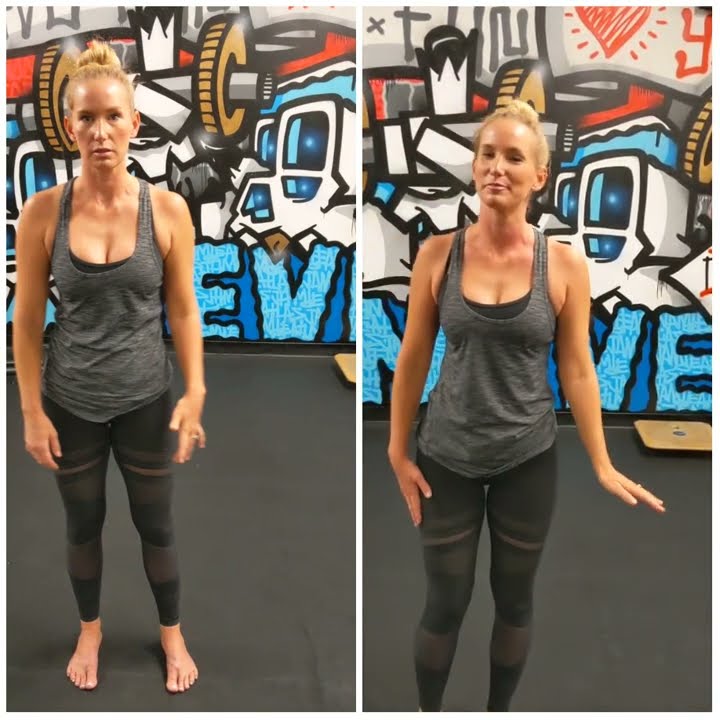 Play video: Client testimonial: Heather, 6 weeks of shoulder nerve pain rated 10/10
 “I've been in physical therapy for 6 months and I'm stalled on my results”
— Judy, 6 months of 10/10 shoulder painYour results may vary.
 Play video: Client testimonial: Judy, 6 months of shoulder pain rated 10/10
 “My shoulder pain meant I couldn't take my shirt on or off without hurting”
— Sharon, 4 months of 6/10 shoulder painYour results may vary.
 Play video: Client testimonial: Sharon, 4 months of shoulder pain rated 6/10
 “3 surgeries over 10 years and I still can't get my shoulder above my head”
— Clay, 10 years of 7/10 shoulder painYour results may vary.
 Play video: Client testimonial: Clay, 10 years of shoulder pain rated 7/10
 “Taking my dog for a walk he pulled on my shoulder and now it hurts to move”
— Kendall, 2 weeks of 6/10 shoulder painYour results may vary.
 Play video: Client testimonial: Kendall, 2 weeks of shoulder pain rated 6/10
 “I was squatting at the gym when I felt a pop and my leg went numb”
— Kelly, 12 months of 8/10 back painYour results may vary.
 Play video: Client testimonial: Kelly, 12 months of back pain rated 8/10
 “After the car accident the hospital said I was fine but my back pain says otherwise”
— Dax, 5 days of 10/10 back painYour results may vary.
 Play video: Client testimonial: Dax, 5 days of back pain rated 10/10
 “Playing football has left me with constant back pain that I can't get rid of”
— Matthew, 7 weeks of 7/10 back painYour results may vary.
 Play video: Client testimonial: Matthew, 7 weeks of back pain rated 7/10
 “I went to Pilates to fix my back but it ended up making it worse”
— Colleen, 8 weeks of 7/10 back painYour results may vary.
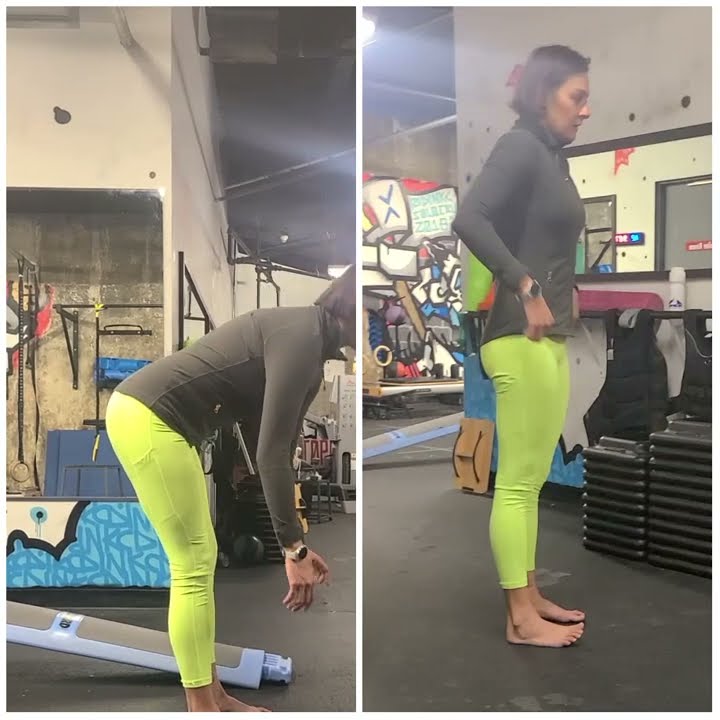 Play video: Client testimonial: Colleen, 8 weeks of back pain rated 7/10
 “I was thrown from a horse and couldn't bend over without pain”
— Katrina, 4 weeks of 6/10 back painYour results may vary.
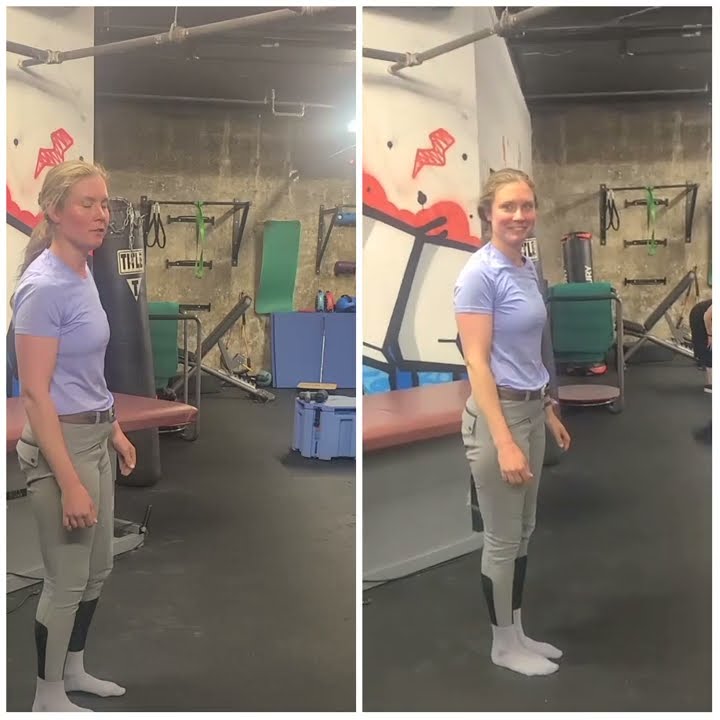 Play video: Client testimonial: Katrina, 4 weeks of back pain rated 6/10
 “This 9/10 back pain is stopping me from sleeping at night”
— Alexis, 2 months of 10/10 back painYour results may vary.
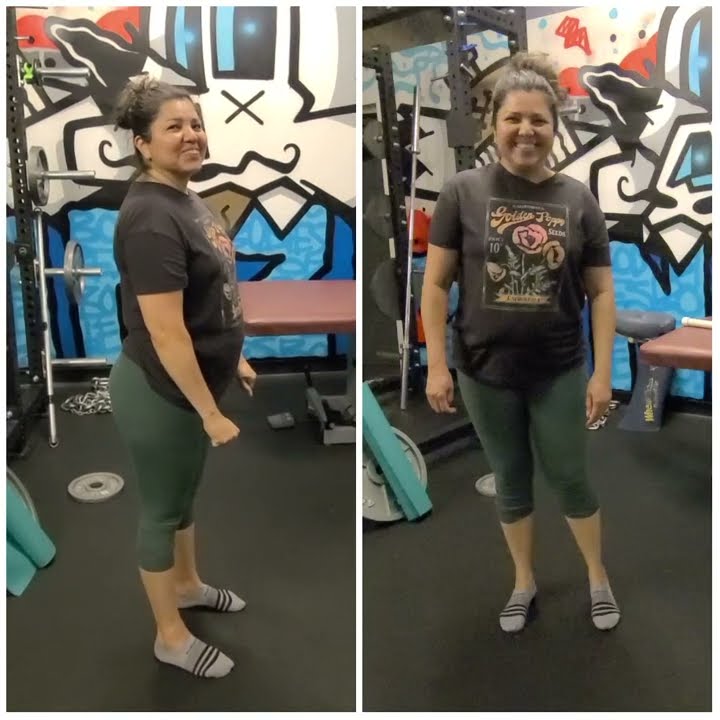 Play video: Client testimonial: Alexis, 2 months of back pain rated 10/10
 “My back pain is so bad I can't put on my shoes”
— Penelope, 5 weeks of 7/10 back painYour results may vary.
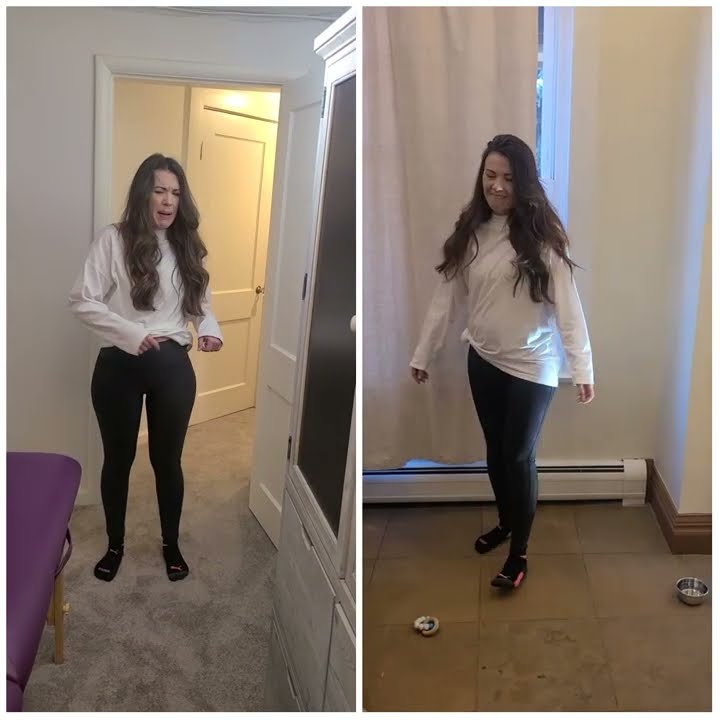 Play video: Client testimonial: Penelope, 5 weeks of back pain rated 7/10
 “Living with back pain has me living at a 7/10 pain that I can't find relief from”
— Chris, 8 weeks of 7/10 back painYour results may vary.
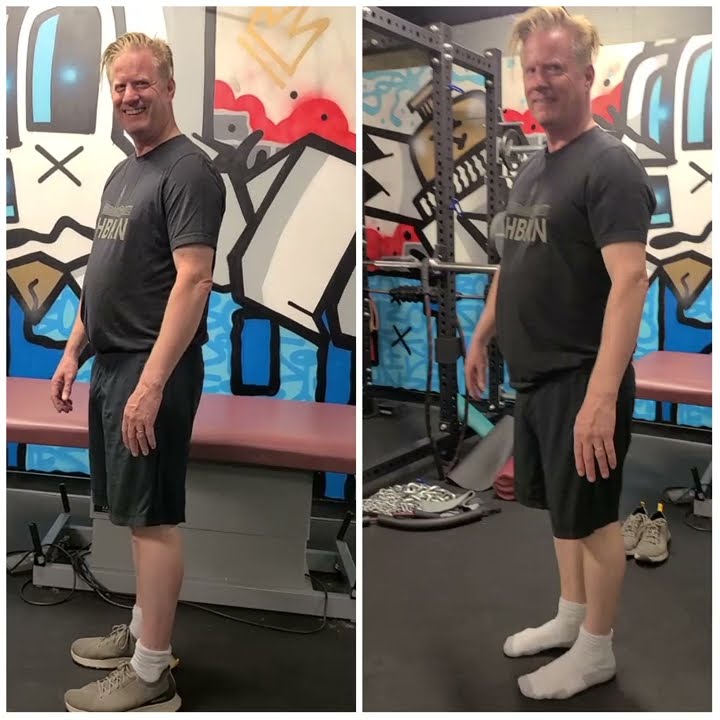 Play video: Client testimonial: Chris, 8 weeks of back pain rated 7/10
 “I have a herniated L4/L5 and my sciatic pain feels like a screwdriver in my back”
— Kendra, 2 years of shooting sciatic painYour results may vary.
 Play video: Client testimonial: Kendra, two years of shooting sciatic pain resolved
 “The doctor told me my spondylolisthesis back pain could only be cured with surgery”
— Tony, 2 weeks of lightning-bolt back painYour results may vary.
 Play video: Client testimonial: Tony, two weeks of severe back pain down to 1 out of 10
 Which of these is you?
It aches after every ride and you've stopped mentioning it. You've adjusted the saddle, you've had it looked at, and it's still there on the drive home. Start here.
You came off, and something changed. Whether or not the scans found anything, you don't sit the same way you did, and you both know it. The gap between cleared and ready.
You're fine and you intend to still be riding at seventy. Building a body that lasts the discipline.
Riders get told to strengthen their core. It's the wrong core.
Riding asks for something genuinely unusual, and it's worth naming precisely, because the precision is where the fix lives.
You need a pelvis that follows the horse. An upper body that stays quiet and independent of it. Legs doing a third thing entirely. All of it in rotation, all of it asymmetric, all of it responding to an animal that has its own opinions about the next four seconds.
Now consider what "core strengthening" usually means. Planks. Crunches. Something on the floor, facing up, holding still. Every one of those trains your trunk to resist movement. You have just spent an hour needing yours to absorb it, in three planes, while remaining relaxed.
There is nothing wrong with a plank. It just answers a question nobody on a horse is being asked.
What I look for first with riders is hip rotation, and it is very often the thing that has gone without anybody noticing — because a rider is fit, and fitness lets you hold a compensation for a long time before it complains. The back is the loudest structure in the chain, so the back is what you feel. It's seldom where it started.
The groundwork lives in the hip and glute work and balance and control. The clinical detail, if the back is the part that's shouting, is in chronic back pain.
Two riders who came in with this
Katrina, 4 weeks of 6/10 back pain
An equestrian, four weeks in. Pain went from 6/10 to 0/10 in 50 minutes.
Your results may vary.
Play video: Client testimonial: Katrina, 4 weeks of back pain rated 6/10 Colleen, 8 weeks of 7/10 back pain
A riding instructor, eight weeks in. Pain went from 7/10 to 0/10 in 55 minutes.
Your results may vary.
Play video: Client testimonial: Colleen, 8 weeks of back pain rated 7/10 All client videos · results vary from person to person.
The part after a fall that nobody schedules
If you've come off, there are two separate things to deal with and only one of them tends to get an appointment.
The first is whatever the tissue actually did, and that gets assessed, imaged and treated. The second is that your nervous system has now met the ground at speed and has updated its file accordingly. That second one shows up as guarding, as a seat that won't soften, as a body that braces a quarter-second before it needs to. It is not nervousness and it is not something to be talked out of. It's a protective response doing exactly its job, on information that is now out of date.
Changing it takes graded exposure to the specific demands of riding — on the ground first, where the variables are yours to set. That work is most of what Cognitive Functional Therapy is for, and it's described properly in how the method works.
Sessions are 60 minutes for the first assessment, then 45 to 60 one-on-one with me at 1800 Glenarm Place downtown. If what you have needs a physician before it needs me, I'll say so in the first half hour.
Common questions
Why does my lower back hurt after riding?
Usually because it is absorbing movement that the hips are no longer taking. A horse moves your pelvis several thousand times an hour, and that movement has to be accepted somewhere. If the hips have full, easy rotation, they take most of it. If they have quietly lost range — from age, from an old injury, from a great deal of sitting between rides — the lumbar spine takes it instead, and the lumbar spine is not built to be the primary shock absorber for a moving animal. The back is where you feel it. It is rarely where the problem started.
Can I ride again after a back injury or a fall?
Most people can, and the honest answer is that it depends on what your back currently tolerates rather than on what happened to it. Falls produce two separate problems: whatever the tissue actually did, and a nervous system that has since learned to expect the ground. Both are addressable, and they need addressing in that order. What I would not do is test it by getting back on and finding out — graded exposure to the specific demands of the seat, on the ground first, gives you far better information and a much shorter route back.
What core work actually helps a rider's seat?
Not the sort you do lying on the floor. A rider needs a pelvis that can stay independent of a moving upper body, in rotation, while the legs do something else entirely — which is close to the opposite of a plank. The work that transfers is upright, loaded, rotational and asymmetric: single-leg control, hip rotation under load, and trunk work where the arms and legs are doing different jobs at the same time. Riders often have excellent endurance and very little rotational range, which is a specific combination and a very fixable one.
So the sport is rotational and asymmetric and responsive, and the preparation everyone recommends for it is symmetrical, still, and on the floor. Once you've seen that mismatch it's difficult to look at a plank the same way — which I'm aware is an inconvenient thing to have done to your Tuesday routine, and I'd apologise except that it's true.
Anyway. You know it now.
You'd like to be riding in twenty years.
A 30-minute assessment, $57: your history, my plain read on whether I can help, and one change you can measure before you leave.
Not in pain, just want to train hard without getting hurt? That's most of what I do →
Book a 30-minute assessmentOr call (720) 257-9328 · Chronic back pain · Post-surgical return to sport