
For desk workers
Nobody has ever fixed this with a chair.
Not the ergonomic assessment. Not the lumbar roll. Not the standing desk that is currently at standing height because you forgot about it in April. Your problem is not the shape you're in. It's that you've been in one shape for eight hours. Those sound like the same sentence. They are not, and the difference is the entire reason nothing has worked yet.
“I picked up my daughter and my neck went numb”
— Monique, 4 weeks of 7/10 neck painYour results may vary.
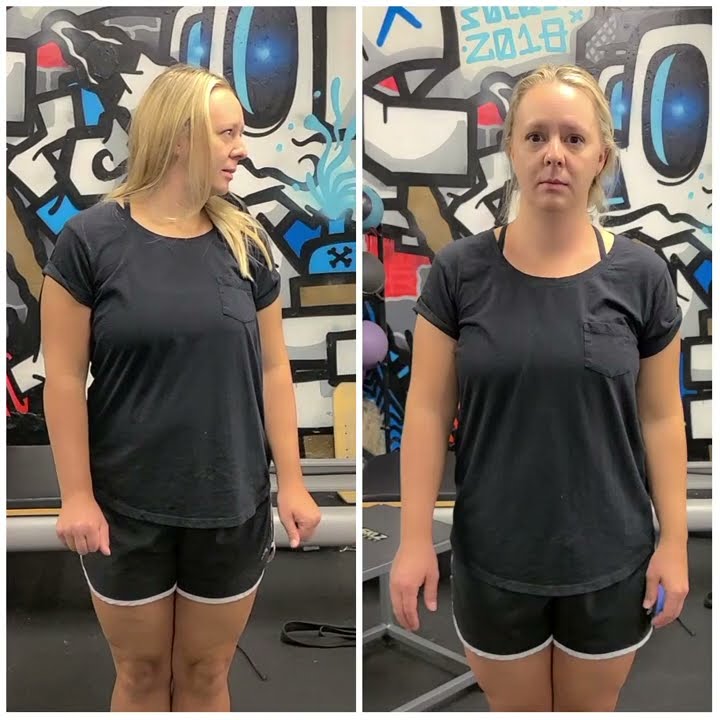 Play video: Client testimonial: Monique, 4 weeks of neck pain rated 7/10
 “I tried a new move in yoga. I woke up the next morning and couldn't move my neck”
— Danielle, 6 weeks of 7/10 neck painYour results may vary.
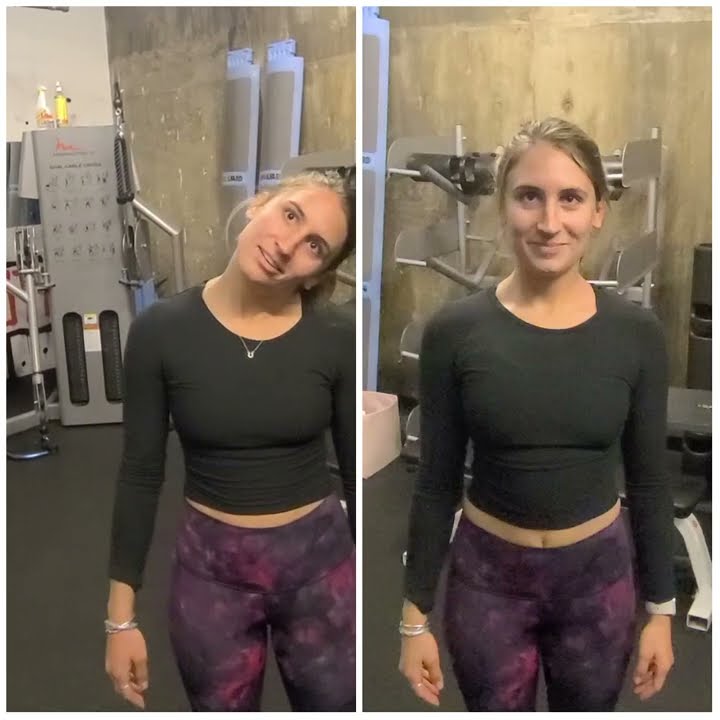 Play video: Client testimonial: Danielle, 6 weeks of neck pain rated 7/10
 “After 3 years I didn't think anyone could help me fix my neck”
— Sandy, 3 years of 8/10 neck painYour results may vary.
 Play video: Client testimonial: Sandy, 3 years of neck pain rated 8/10
 “My office job means my neck is in constant pain, nothing seems to help”
— Natasha, 4 weeks of 7/10 neck painYour results may vary.
 Play video: Client testimonial: Natasha, 4 weeks of neck pain rated 7/10
 “It's too hard to get in shape when I've had knee pain ever since I can remember”
— Cindy, a lifetime of 6/10 knee painYour results may vary.
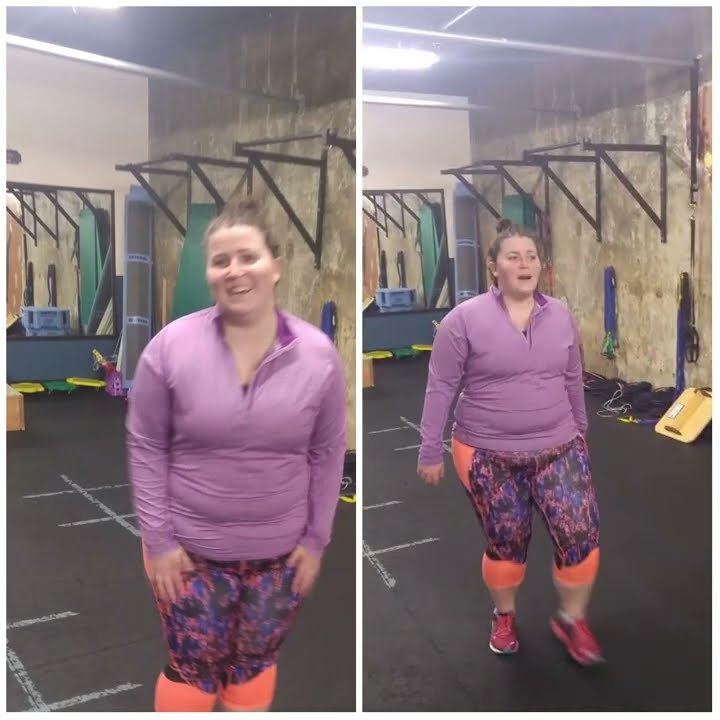 Play video: Client testimonial: Cindy, a lifetime of knee pain rated 6/10
 “I tore my ACL in an MMA match and haven't been able to train since”
— Meghan, 4/10 knee pain after an ACL tearYour results may vary.
 Play video: Client testimonial: Meghan, knee pain after an ACL tear, 4 out of 10 down to 0
 “After my fall my knee was in pain and I couldn't stand on one leg”
— Brad, 6 months of 6/10 knee painYour results may vary.
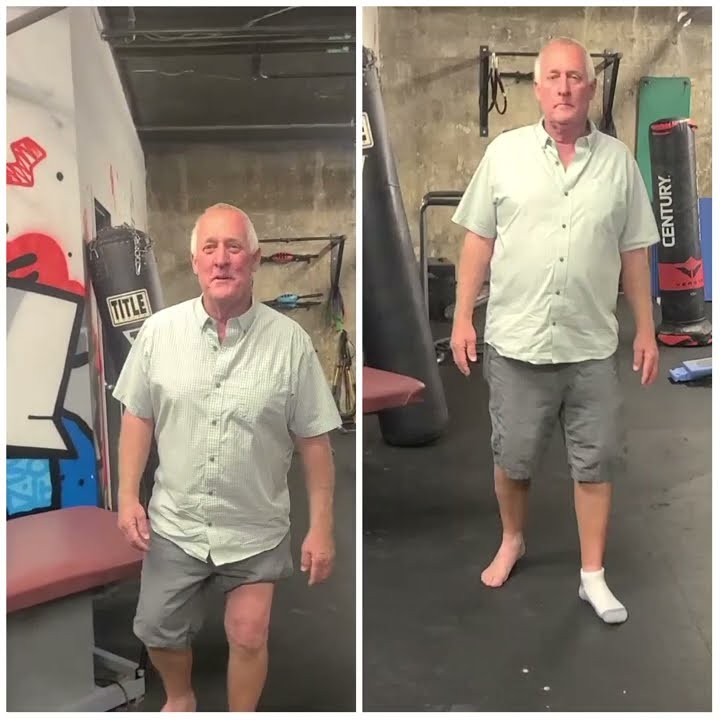 Play video: Client testimonial: Brad, 6 months of knee pain rated 6/10
 “I got surgery on my shoulder 2 years ago and have been getting rolfing and PT”
— Samantha, 5 years of 7/10 shoulder painYour results may vary.
 Play video: Client testimonial: Samantha, 5 years of shoulder pain rated 7/10
 “My shoulder numbness and tingling was so bad I drove 2 hours to see Jamie Atlas”
— Heather, 6 weeks of 10/10 shoulder nerve painYour results may vary.
 Play video: Client testimonial: Heather, 6 weeks of shoulder nerve pain rated 10/10
 “I've been in physical therapy for 6 months and I'm stalled on my results”
— Judy, 6 months of 10/10 shoulder painYour results may vary.
 Play video: Client testimonial: Judy, 6 months of shoulder pain rated 10/10
 “My shoulder pain meant I couldn't take my shirt on or off without hurting”
— Sharon, 4 months of 6/10 shoulder painYour results may vary.
 Play video: Client testimonial: Sharon, 4 months of shoulder pain rated 6/10
 “3 surgeries over 10 years and I still can't get my shoulder above my head”
— Clay, 10 years of 7/10 shoulder painYour results may vary.
 Play video: Client testimonial: Clay, 10 years of shoulder pain rated 7/10
 “Taking my dog for a walk he pulled on my shoulder and now it hurts to move”
— Kendall, 2 weeks of 6/10 shoulder painYour results may vary.
 Play video: Client testimonial: Kendall, 2 weeks of shoulder pain rated 6/10
 “I was squatting at the gym when I felt a pop and my leg went numb”
— Kelly, 12 months of 8/10 back painYour results may vary.
 Play video: Client testimonial: Kelly, 12 months of back pain rated 8/10
 “After the car accident the hospital said I was fine but my back pain says otherwise”
— Dax, 5 days of 10/10 back painYour results may vary.
 Play video: Client testimonial: Dax, 5 days of back pain rated 10/10
 “Playing football has left me with constant back pain that I can't get rid of”
— Matthew, 7 weeks of 7/10 back painYour results may vary.
 Play video: Client testimonial: Matthew, 7 weeks of back pain rated 7/10
 “I went to Pilates to fix my back but it ended up making it worse”
— Colleen, 8 weeks of 7/10 back painYour results may vary.
 Play video: Client testimonial: Colleen, 8 weeks of back pain rated 7/10
 “I was thrown from a horse and couldn't bend over without pain”
— Katrina, 4 weeks of 6/10 back painYour results may vary.
 Play video: Client testimonial: Katrina, 4 weeks of back pain rated 6/10
 “This 9/10 back pain is stopping me from sleeping at night”
— Alexis, 2 months of 10/10 back painYour results may vary.
 Play video: Client testimonial: Alexis, 2 months of back pain rated 10/10
 “My back pain is so bad I can't put on my shoes”
— Penelope, 5 weeks of 7/10 back painYour results may vary.
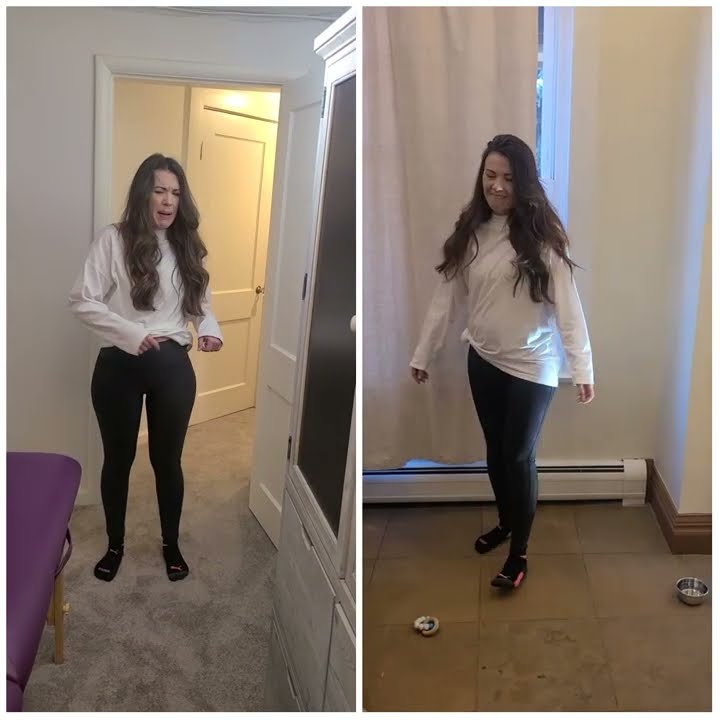 Play video: Client testimonial: Penelope, 5 weeks of back pain rated 7/10
 “Living with back pain has me living at a 7/10 pain that I can't find relief from”
— Chris, 8 weeks of 7/10 back painYour results may vary.
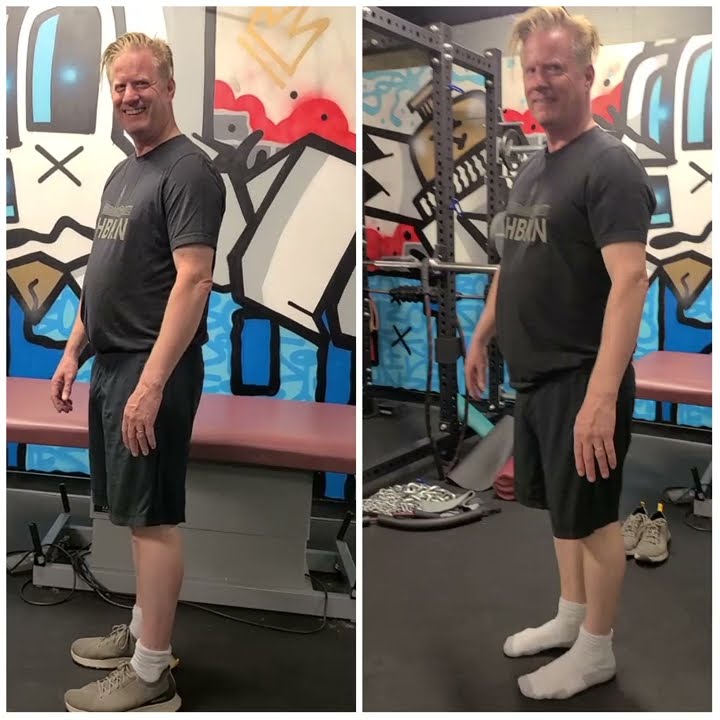 Play video: Client testimonial: Chris, 8 weeks of back pain rated 7/10
 “I have a herniated L4/L5 and my sciatic pain feels like a screwdriver in my back”
— Kendra, 2 years of shooting sciatic painYour results may vary.
 Play video: Client testimonial: Kendra, two years of shooting sciatic pain resolved
 “The doctor told me my spondylolisthesis back pain could only be cured with surgery”
— Tony, 2 weeks of lightning-bolt back painYour results may vary.
 Play video: Client testimonial: Tony, two weeks of severe back pain down to 1 out of 10
 Which of these is you?
It's been months and nothing has held. Massage helps for two days. The chiropractor helps for three. Then Thursday happens again. Start here.
You've been discharged and you still guard it. The course of physio ended, the notes said improved, and you still turn your whole body to reverse the car. This is the gap between cleared and ready.
You want to train and you're wary. You'd happily lift again if you were confident it wouldn't set the neck off for a week. Training around a body with history.
The posture story, and why it hasn't helped you
You have been told, by somebody, that you sit badly. Possibly with a diagram. Possibly with a red line drawn down a photograph of a stranger's spine.
In 2020 a group went through the whole literature on this, forty-one systematic reviews, more than four thousand papers screened, asking a simple question: does the evidence show that spinal posture causes back pain? Their answer was that there is no consensus that it does. Association, yes. Causation, no.
I want to be careful here, because this is where people hear something I don't mean. Your pain is real and it is coming from somewhere. What the evidence doesn't support is the idea that you have been sitting incorrectly and that assuming a better shape will fix it. That story has been sold hard for thirty years, with furniture attached, and it has left an enormous number of people believing they are one posture correction away from relief, and failing at it without anyone noticing.
Nobody set out to mislead you. The posture model is intuitive, it's easy to draw, and it was taught to every one of us. I taught it. Confidently, with a whiteboard, for years.
The thing that does hold up is duration and capacity. Not what shape, but how long, and how much your tissue can currently tolerate. Those are two things you can change. The angle of your monitor is not really one of them.
The practical version is in the desk posture guide, and the unglamorous half nobody mentions, what happens to hips that sit all day, is next door to it. And if the week has a shape to it, fine Tuesday, wrecked Thursday, why it is worse some weeks is the one to read next.
People who came in with this
Sandy, 3 years of 8/10 neck pain
An office worker who'd had it for three years. Pain went from 8/10 to 0/10 in three weeks, and her tears of happiness are 100% in-the-moment real.
Your results may vary.
Play video: Client testimonial: Sandy, 3 years of neck pain rated 8/10 Alexis, 2 months of 10/10 back pain
A receptionist who had been at 10/10 for two months. Pain went from 10/10 to 1/10 in 60 minutes.
Your results may vary.
Play video: Client testimonial: Alexis, 2 months of back pain rated 10/10 Kendall, 2 weeks of 6/10 shoulder pain
An office manager, two weeks in. Pain went from 6/10 to 2/10 in 45 minutes.
Your results may vary.
Play video: Client testimonial: Kendall, 2 weeks of shoulder pain rated 6/10 All client videos · results vary from person to person.
Five blocks, and a lunch hour
The studio is at 1800 Glenarm Place, basement level, downtown. If you work in the LoDo or Uptown core you're walking distance, which matters more than it sounds. The single biggest predictor of whether training works is whether you turn up to it, and a thing you can reach on foot at 12:15 gets turned up to.
Sessions are 60 minutes, or 30 when that's what the work needs, one-on-one, with me, in the studio or on Zoom. First visit is a 30-minute assessment, $57: your history, what's been tried, what your week looks like, and then testing what your neck, back and hips currently accept. Not a shared appointment, not a printed sheet, and no part of it happens on a machine that holds you still.
I've covered the desk-bound version of this on 9NEWS more than once, posture in the workplace, and returning to it, which is a polite way of saying I've been arguing about office chairs on regional television for some years now.
Common questions
Why does my neck hurt more at the end of the work week?
Because the load is cumulative and the recovery is not. Tissue tolerates a given position for a while and then starts asking for a change; by Thursday you have spent roughly thirty hours in a shape you spent none of your evolutionary history in, on top of whatever sleep and stress the week brought with it. The pattern is so common it is almost diagnostic. It also tells you something useful: a problem that tracks with accumulated load is a problem that responds to changing the load, which is a much better position to be in than a problem that arrives from nowhere.
Will a standing desk fix my back pain?
It helps some people and does nothing for others, and the reason is simple: a standing desk changes which single position you are stuck in, not the fact that you are stuck in one. Standing still for eight hours has its own bill. What seems to matter is variability: changing shape often, and having a body that tolerates a range of shapes rather than one. Buy the desk if you want it. Just do not expect furniture to do the work of movement.
I stretch every day and it still comes back. Why?
Almost certainly because stretching is aimed at a sensation rather than a cause. Range-of-motion gains from stretching track how much stretch you tolerate rather than any lasting change in muscle length, which is why the relief is real and short. If a tissue is being asked to hold a position for hours, the thing that changes its tolerance is loading it: building capacity in the muscles that hold you up, so holding you up stops being an event. That is a different piece of work from a morning stretch, and it lasts longer.
So it was never the chair. It was thirty hours a week in one shape, and a body that has lost the range it isn't being asked for. Which, read back, is not a complicated idea, and is a much more hopeful one than being told your spine is wrong.
So there you have it. You know it now. Enjoy the ergonomic assessment.
You've been managing this for a while.
A 30-minute assessment, $57: your history, my plain read on whether I can help, and one change you can measure before you leave. Five blocks from most of downtown.
Not in pain, just want to train hard without getting hurt? That's most of what I do →
Book a 30-minute assessmentOr call (720) 257-9328 · Neck pain · Chronic back pain