
Resources · Who to see
Personal trainer or physical therapist? Here's how I'd decide, and I'm the trainer.
The usual rule goes like this. Hurt? See a physical therapist. Healthy? See a trainer. It's a fair rule, it's mostly right, and it falls apart the moment you're somewhere in between, which is where most adults over forty spend the bulk of their week.
So here's the version I'd give my own family.
“I picked up my daughter and my neck went numb”
— Monique, 4 weeks of 7/10 neck painResults vary from person to person.
 Play video: Client testimonial: Monique, 4 weeks of neck pain rated 7/10
“I tried a new move in yoga. I woke up the next morning and couldn't move my neck”
— Danielle, 6 weeks of 7/10 neck painResults vary from person to person.
 Play video: Client testimonial: Danielle, 6 weeks of neck pain rated 7/10
“After 3 years I didn't think anyone could help me fix my neck”
— Sandy, 3 years of 8/10 neck painResults vary from person to person.
 Play video: Client testimonial: Sandy, 3 years of neck pain rated 8/10
“My office job means my neck is in constant pain, nothing seems to help”
— Natasha, 4 weeks of 7/10 neck painResults vary from person to person.
 Play video: Client testimonial: Natasha, 4 weeks of neck pain rated 7/10
“It's too hard to get in shape when I've had knee pain ever since I can remember”
— Cindy, a lifetime of 6/10 knee painResults vary from person to person.
 Play video: Client testimonial: Cindy, a lifetime of knee pain rated 6/10
“I tore my ACL in an MMA match and haven't been able to train since”
— Meghan, 4/10 knee pain after an ACL tearResults vary from person to person.
 Play video: Client testimonial: Meghan, knee pain after an ACL tear, 4 out of 10 down to 0
“After my fall my knee was in pain and I couldn't stand on one leg”
— Brad, 6 months of 6/10 knee painResults vary from person to person.
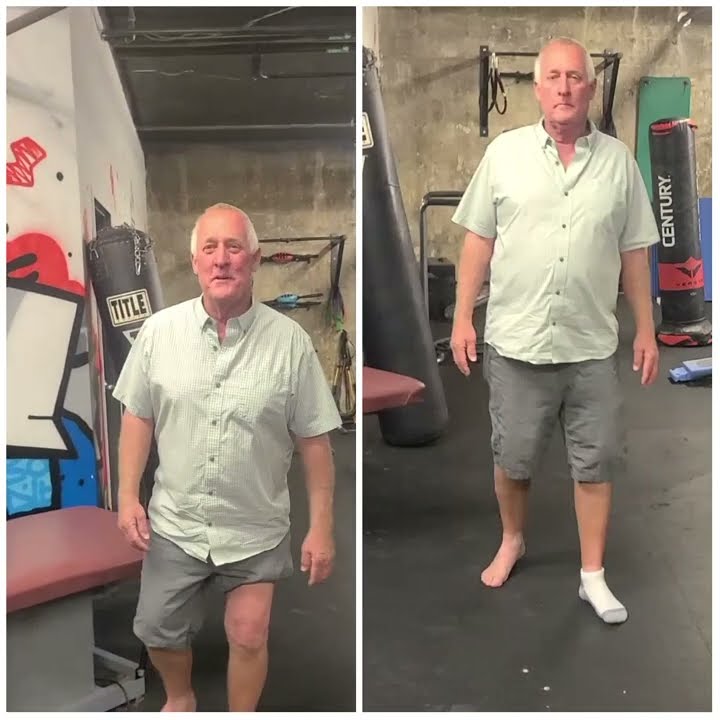 Play video: Client testimonial: Brad, 6 months of knee pain rated 6/10
“I got surgery on my shoulder 2 years ago and have been getting rolfing and PT”
— Samantha, 5 years of 7/10 shoulder painResults vary from person to person.
 Play video: Client testimonial: Samantha, 5 years of shoulder pain rated 7/10
“My shoulder numbness and tingling was so bad I drove 2 hours to see Jamie Atlas”
— Heather, 6 weeks of 10/10 shoulder nerve painResults vary from person to person.
 Play video: Client testimonial: Heather, 6 weeks of shoulder nerve pain rated 10/10
“I've been in physical therapy for 6 months and I'm stalled on my results”
— Judy, 6 months of 10/10 shoulder painResults vary from person to person.
 Play video: Client testimonial: Judy, 6 months of shoulder pain rated 10/10
“My shoulder pain meant I couldn't take my shirt on or off without hurting”
— Sharon, 4 months of 6/10 shoulder painResults vary from person to person.
 Play video: Client testimonial: Sharon, 4 months of shoulder pain rated 6/10
“3 surgeries over 10 years and I still can't get my shoulder above my head”
— Clay, 10 years of 7/10 shoulder painResults vary from person to person.
 Play video: Client testimonial: Clay, 10 years of shoulder pain rated 7/10
“Taking my dog for a walk he pulled on my shoulder and now it hurts to move”
— Kendall, 2 weeks of 6/10 shoulder painResults vary from person to person.
 Play video: Client testimonial: Kendall, 2 weeks of shoulder pain rated 6/10
“I was squatting at the gym when I felt a pop and my leg went numb”
— Kelly, 12 months of 8/10 back painResults vary from person to person.
 Play video: Client testimonial: Kelly, 12 months of back pain rated 8/10
“After the car accident the hospital said I was fine but my back pain says otherwise”
— Dax, 5 days of 10/10 back painResults vary from person to person.
 Play video: Client testimonial: Dax, 5 days of back pain rated 10/10
“Playing football has left me with constant back pain that I can't get rid of”
— Matthew, 7 weeks of 7/10 back painResults vary from person to person.
 Play video: Client testimonial: Matthew, 7 weeks of back pain rated 7/10
“I went to Pilates to fix my back but it ended up making it worse”
— Colleen, 8 weeks of 7/10 back painResults vary from person to person.
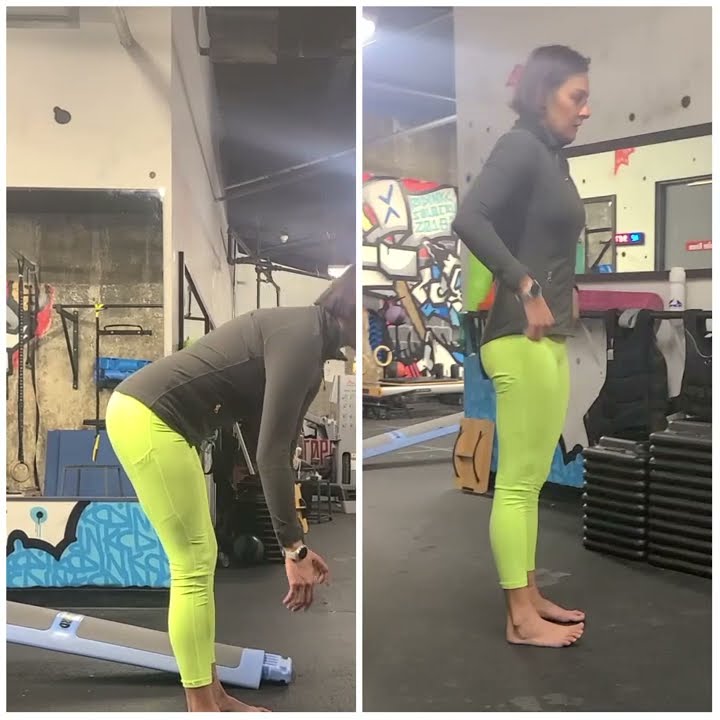 Play video: Client testimonial: Colleen, 8 weeks of back pain rated 7/10
“I was thrown from a horse and couldn't bend over without pain”
— Katrina, 4 weeks of 6/10 back painResults vary from person to person.
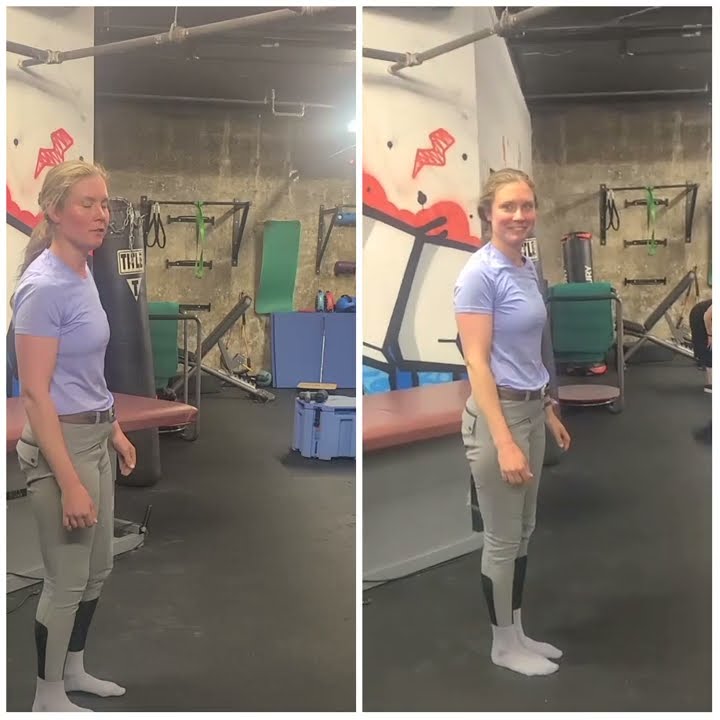 Play video: Client testimonial: Katrina, 4 weeks of back pain rated 6/10
“This 9/10 back pain is stopping me from sleeping at night”
— Alexis, 2 months of 10/10 back painResults vary from person to person.
 Play video: Client testimonial: Alexis, 2 months of back pain rated 10/10
“My back pain is so bad I can't put on my shoes”
— Penelope, 5 weeks of 7/10 back painResults vary from person to person.
 Play video: Client testimonial: Penelope, 5 weeks of back pain rated 7/10
“Living with back pain has me living at a 7/10 pain that I can't find relief from”
— Chris, 8 weeks of 7/10 back painResults vary from person to person.
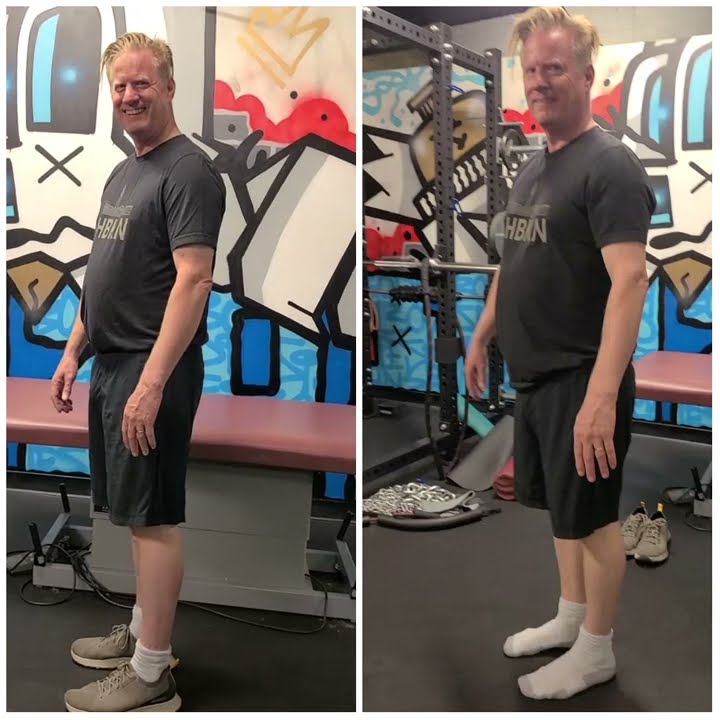 Play video: Client testimonial: Chris, 8 weeks of back pain rated 7/10
“I have a herniated L4/L5 and my sciatic pain feels like a screwdriver in my back”
— Kendra, 2 years of shooting sciatic painResults vary from person to person.
 Play video: Client testimonial: Kendra, two years of shooting sciatic pain resolved
“The doctor told me my spondylolisthesis back pain could only be cured with surgery”
— Tony, 2 weeks of lightning-bolt back painResults vary from person to person.
 Play video: Client testimonial: Tony, two weeks of severe back pain down to 1 out of 10
See a physical therapist first if
- It happened in the last few weeks, it's swollen, or you can't put weight on it.
- You've just had surgery. Early rehab follows your surgeon's protocol, and a physical therapist is the person who runs it.
- You want a diagnosis. I don't diagnose, and anyone in my line of work who says they do is guessing in a nicer shirt.
- Your insurance covers it. Use it. That's what you're paying for.
And one that isn't a physical therapist at all: numbness around the groin or inner thighs, new trouble controlling your bladder or bowels, or weakness that's spreading. That's a doctor, today. Not me, not a physical therapist, not a YouTube video.
Come to a trainer like me if
- You've been discharged, you're "functional", and functional isn't what you had in mind. Stairs are fine. Steeps at Mary Jane are another matter.
- It's been hanging around for months, it comes and goes, and every scan you've had says you're fine.
- You want to train hard, properly hard, around a knee, back or shoulder with a history.
- You're over forty and you'd like to build muscle without auditioning a new injury every six weeks.
- You want the strength work, the rehab work and the nutrition in one room, from one person.
That's the gap I work in. Insurance physical therapy is built to get you to functional in a set number of visits, and it's good at that. What it isn't built for is the next twelve months, when the goal moves from walking without a limp to skiing, golfing or lifting without thinking about it.
Where the line sits
I'm not a physical therapist. In Colorado, "physical therapist" and "PT" are protected titles, and I don't hold the licence, so I don't use either. I don't diagnose, I don't bill insurance, and if something in the first thirty minutes says you need a doctor or a physical therapist before you need me, I'll say so.
What I am: an NSCA Certified Strength and Conditioning Specialist, trained in Cognitive Functional Therapy under Peter O'Sullivan and in Applied Functional Science at the Gray Institute, with 25 years training Denver. In other words, a personal trainer who spent the better part of a decade learning why joints keep coming back into the conversation.
For years this got treated as a turf war. Trainers rolled their eyes at physical therapists, physical therapists rolled their eyes at trainers, and the client stood in the middle holding a resistance band and a printout. I was one of the eye-rollers, for about fifteen years.
Isn't it a bit ridiculous that the person in pain was the one left to work out the handover?
The handover is the whole game
A lot of my clients arrive straight from physical therapy. The good outcomes almost always share one thing: nobody stopped. The last week of physical therapy and the first week with me looked a bit alike, then the load went up, then the goal got bigger.
The bad outcomes share one thing too. A gap. Six weeks on the couch after discharge, waiting to feel ready, and then a return to the exact activity that started it. That's when the knee files a formal complaint.
So if you're mid physical therapy, keep going. If you're about to be discharged, that's the moment to book the assessment, not six weeks later.
Common questions
Do I need a referral to see you?
No. You book the 30-minute assessment yourself, $57. I don't bill insurance, so there's no referral, no pre-authorisation and no visit cap. If something in that first half hour says you need a doctor or a physical therapist first, I'll tell you, and I'll tell you who.
Can I see you and a physical therapist at the same time?
Yes, and plenty of people do. If you're still in physical therapy, keep going. Tell me what they've got you doing, I'll stay out of its way, and we'll build the strength and the sport on top. The handover at discharge is where most people fall through the gap, so it helps if I'm already in the picture.
Are you a physical therapist?
No. I'm a personal trainer with rehabilitation training, and I've spent 25 years training Denver. I hold a BSc in Neuroscience from the Australian National University, trained in Cognitive Functional Therapy under Peter O'Sullivan, did a 40-week mentorship in Applied Functional Science with Gary Gray at the Gray Institute, and I'm an NSCA Certified Strength and Conditioning Specialist with a Certificate IV in Nutrition Coaching. I've trained UFC, NFL, NBA and NHL athletes, military personnel, and a great many Coloradans coming back from surgery, living with back, knee or shoulder pain, getting strong after 40, or keeping their muscle on a GLP-1. In Colorado, physical therapist and PT are protected titles, and I don't use them.
So pick by what you need this month, not by the job title. New injury, fresh surgery, or you need a diagnosis: physical therapist. Cleared, still not right, and you want your sport back: that's me.
And now you know which door is which, you'll never again stand in a waiting room wondering whether you're in the right one.
Yours in health,
Jamie Atlas
PS If you're not sure which side of the line you're on, that's exactly what the first thirty minutes are for. Worst case, you leave with the name of the right person.
Discharged, but not done?
A 30-minute assessment, $57: your history, my plain read on whether I can help, and one change you can measure before you leave.
Book a 30-minute assessmentOr call (720) 257-9328 · Cleared but not ready · Return to sport after surgery