
Resources · Shoulders
Shoulder exercises that won't cause aggravation
A cranky shoulder puts people in an unfair spot: training it seems to make it angry, and resting it makes it weaker and just as angry later. There is a third option — and it is the one that actually works.
“I picked up my daughter and my neck went numb”
— Monique, 4 weeks of 7/10 neck painYour results may vary.
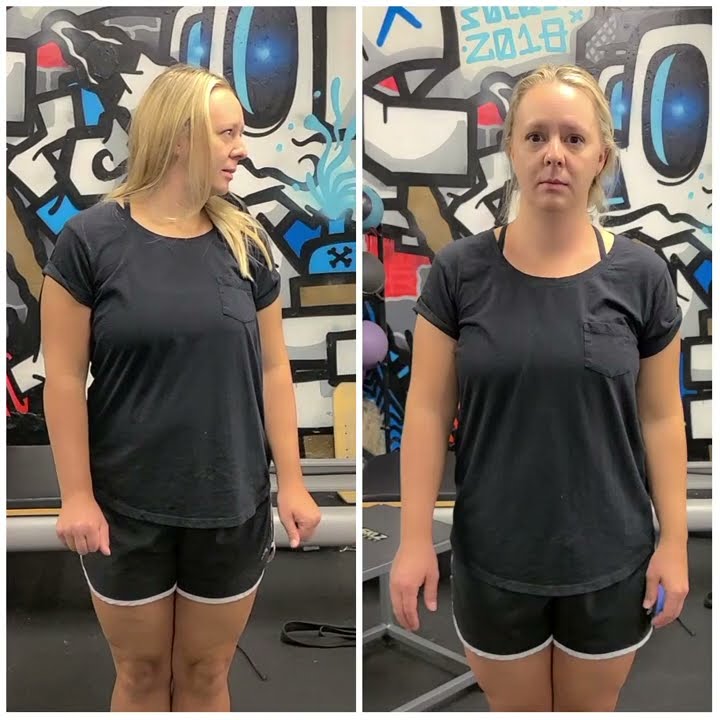 Play video: Client testimonial: Monique, 4 weeks of neck pain rated 7/10
 “I tried a new move in yoga. I woke up the next morning and couldn't move my neck”
— Danielle, 6 weeks of 7/10 neck painYour results may vary.
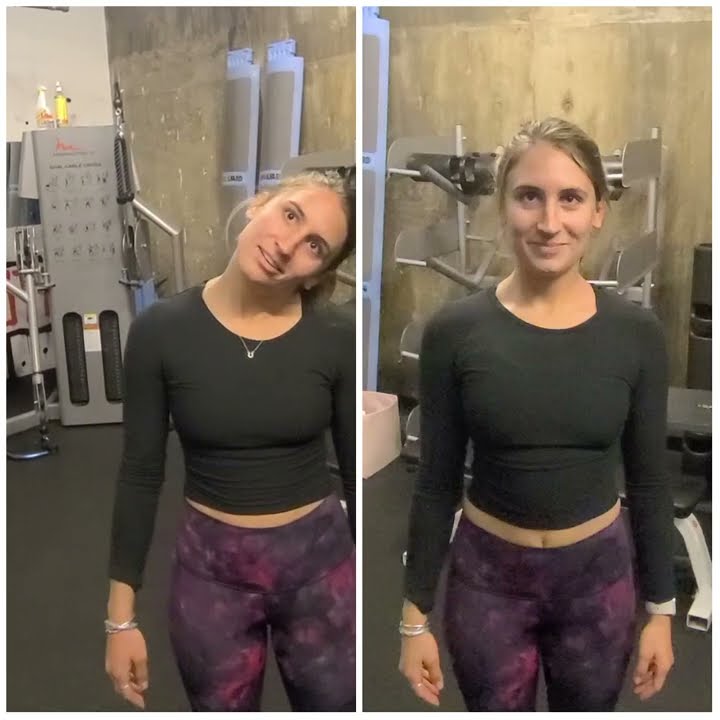 Play video: Client testimonial: Danielle, 6 weeks of neck pain rated 7/10
 “After 3 years I didn't think anyone could help me fix my neck”
— Sandy, 3 years of 8/10 neck painYour results may vary.
 Play video: Client testimonial: Sandy, 3 years of neck pain rated 8/10
 “My office job means my neck is in constant pain, nothing seems to help”
— Natasha, 4 weeks of 7/10 neck painYour results may vary.
 Play video: Client testimonial: Natasha, 4 weeks of neck pain rated 7/10
 “It's too hard to get in shape when I've had knee pain ever since I can remember”
— Cindy, a lifetime of 6/10 knee painYour results may vary.
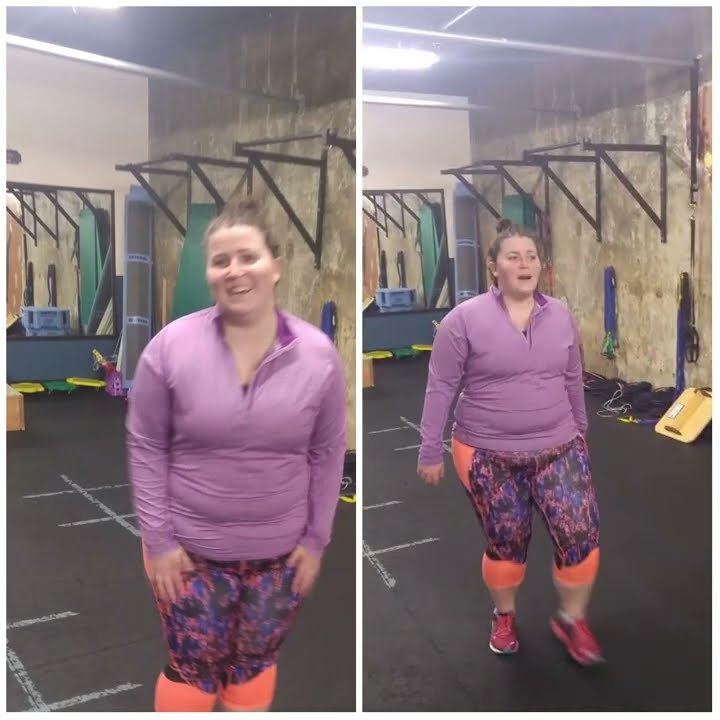 Play video: Client testimonial: Cindy, a lifetime of knee pain rated 6/10
 “I tore my ACL in an MMA match and haven't been able to train since”
— Meghan, 4/10 knee pain after an ACL tearYour results may vary.
 Play video: Client testimonial: Meghan, knee pain after an ACL tear, 4 out of 10 down to 0
 “After my fall my knee was in pain and I couldn't stand on one leg”
— Brad, 6 months of 6/10 knee painYour results may vary.
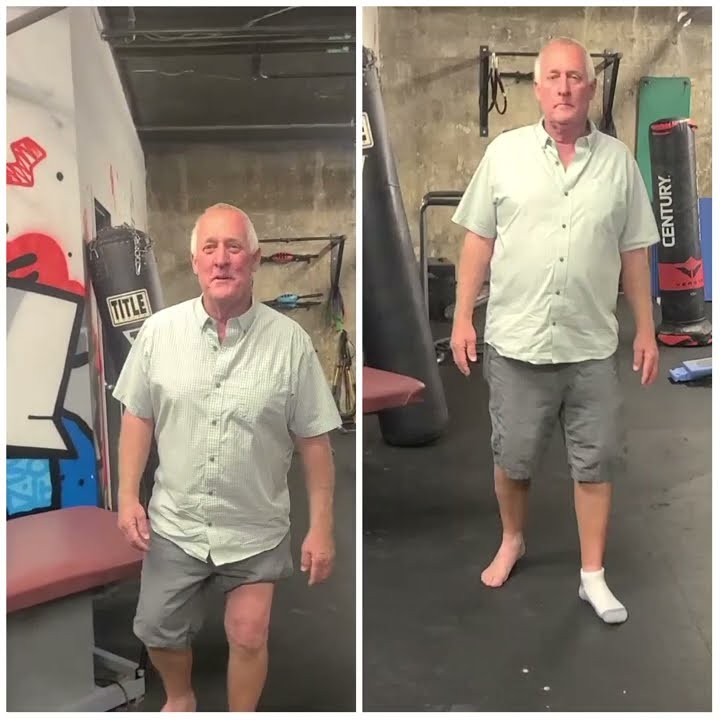 Play video: Client testimonial: Brad, 6 months of knee pain rated 6/10
 “I got surgery on my shoulder 2 years ago and have been getting rolfing and PT”
— Samantha, 5 years of 7/10 shoulder painYour results may vary.
 Play video: Client testimonial: Samantha, 5 years of shoulder pain rated 7/10
 “My shoulder numbness and tingling was so bad I drove 2 hours to see Jamie Atlas”
— Heather, 6 weeks of 10/10 shoulder nerve painYour results may vary.
 Play video: Client testimonial: Heather, 6 weeks of shoulder nerve pain rated 10/10
 “I've been in physical therapy for 6 months and I'm stalled on my results”
— Judy, 6 months of 10/10 shoulder painYour results may vary.
 Play video: Client testimonial: Judy, 6 months of shoulder pain rated 10/10
 “My shoulder pain meant I couldn't take my shirt on or off without hurting”
— Sharon, 4 months of 6/10 shoulder painYour results may vary.
 Play video: Client testimonial: Sharon, 4 months of shoulder pain rated 6/10
 “3 surgeries over 10 years and I still can't get my shoulder above my head”
— Clay, 10 years of 7/10 shoulder painYour results may vary.
 Play video: Client testimonial: Clay, 10 years of shoulder pain rated 7/10
 “Taking my dog for a walk he pulled on my shoulder and now it hurts to move”
— Kendall, 2 weeks of 6/10 shoulder painYour results may vary.
 Play video: Client testimonial: Kendall, 2 weeks of shoulder pain rated 6/10
 “I was squatting at the gym when I felt a pop and my leg went numb”
— Kelly, 12 months of 8/10 back painYour results may vary.
 Play video: Client testimonial: Kelly, 12 months of back pain rated 8/10
 “After the car accident the hospital said I was fine but my back pain says otherwise”
— Dax, 5 days of 10/10 back painYour results may vary.
 Play video: Client testimonial: Dax, 5 days of back pain rated 10/10
 “Playing football has left me with constant back pain that I can't get rid of”
— Matthew, 7 weeks of 7/10 back painYour results may vary.
 Play video: Client testimonial: Matthew, 7 weeks of back pain rated 7/10
 “I went to Pilates to fix my back but it ended up making it worse”
— Colleen, 8 weeks of 7/10 back painYour results may vary.
 Play video: Client testimonial: Colleen, 8 weeks of back pain rated 7/10
 “I was thrown from a horse and couldn't bend over without pain”
— Katrina, 4 weeks of 6/10 back painYour results may vary.
 Play video: Client testimonial: Katrina, 4 weeks of back pain rated 6/10
 “This 9/10 back pain is stopping me from sleeping at night”
— Alexis, 2 months of 10/10 back painYour results may vary.
 Play video: Client testimonial: Alexis, 2 months of back pain rated 10/10
 “My back pain is so bad I can't put on my shoes”
— Penelope, 5 weeks of 7/10 back painYour results may vary.
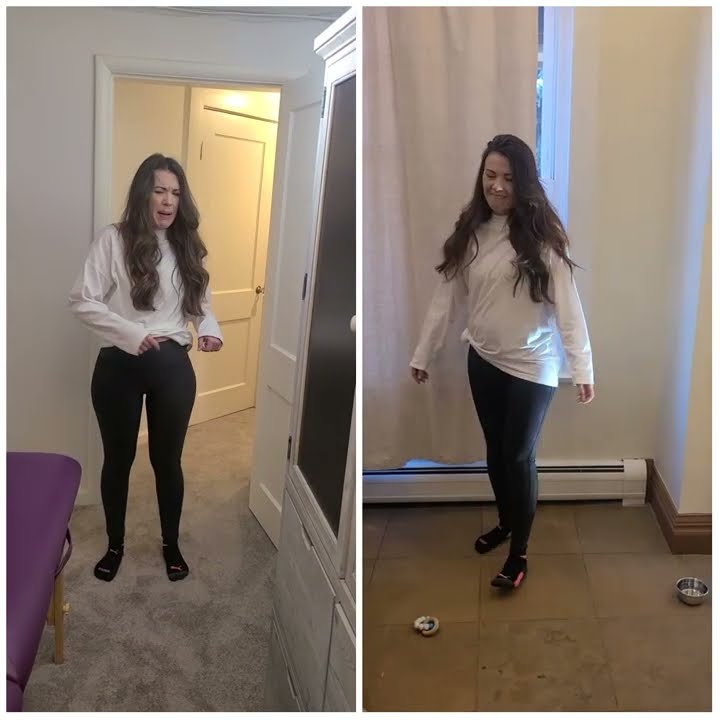 Play video: Client testimonial: Penelope, 5 weeks of back pain rated 7/10
 “Living with back pain has me living at a 7/10 pain that I can't find relief from”
— Chris, 8 weeks of 7/10 back painYour results may vary.
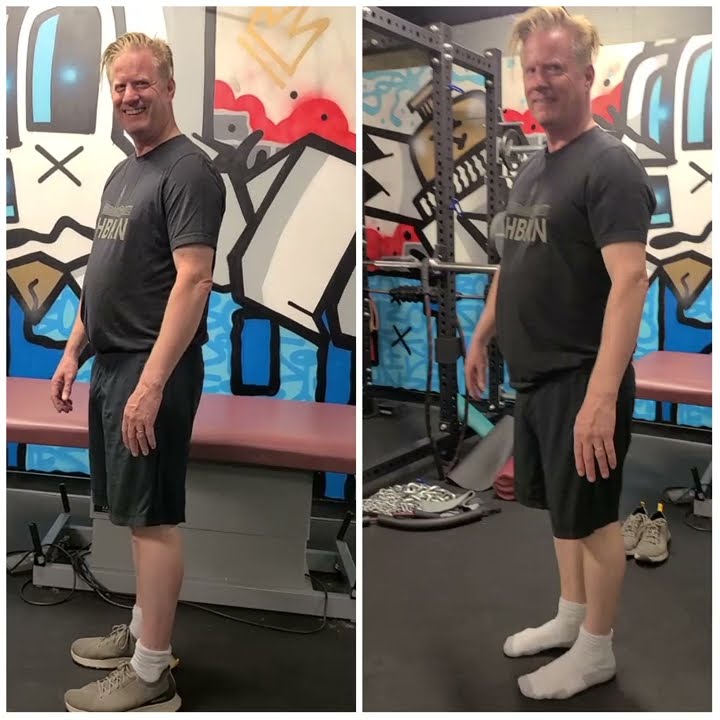 Play video: Client testimonial: Chris, 8 weeks of back pain rated 7/10
 “I have a herniated L4/L5 and my sciatic pain feels like a screwdriver in my back”
— Kendra, 2 years of shooting sciatic painYour results may vary.
 Play video: Client testimonial: Kendra, two years of shooting sciatic pain resolved
 “The doctor told me my spondylolisthesis back pain could only be cured with surgery”
— Tony, 2 weeks of lightning-bolt back painYour results may vary.
 Play video: Client testimonial: Tony, two weeks of severe back pain down to 1 out of 10
 Watch the segment
Three shoulder exercises chosen specifically not to poke the bear, from my 9NEWS years.
 Play video: 3 shoulder exercises that won't cause aggravation — 9NEWS
 The principles behind non-aggravating shoulder work
Start where the shoulder is happy, not where the program says. Almost every irritated shoulder has ranges and angles it tolerates well right now. Work generously inside those, and the tolerated zone tends to expand. Charge into the provocative range because the plan said "overhead press," and you re-run the flare cycle that brought you here.
Train the shoulder blade and the mid-back, not just the arm. The shoulder joint sits on a moving platform. When the blade does not glide or the upper back does not extend, the joint runs out of room at the top of movements — and pinches. Rows, controlled reaches and mid-back mobility often calm a shoulder faster than anything aimed at the sore spot itself.
Let load in earlier than instinct suggests, gently. Tendons and muscles adapt to load — it is the only language they speak. Isometrics (pushing against something that does not move) are often the doorway: they build strength, frequently settle pain, and give a nervous shoulder evidence that effort is safe. From there, range and resistance grow together.
Why has the relief never lasted before? Usually because something only treated the symptom — the sore tissue got attention while the reason it was overloaded went unexamined. A shoulder is part of a bigger web. Change what the web is doing and the sore spot finally gets to stop compensating. That is the approach behind everything on the shoulder pain page, where you can also watch clients describe the before-and-after themselves.
Common questions
Should I stop working out if my shoulder hurts?
Usually not entirely — and complete rest often backfires. Shoulders that stop moving tend to become more protective and more sensitive, not less. The better question is which versions of which movements you can do today without a flare that lasts, and that answer exists for almost every shoulder. Modify range, angle and load first; abandon movements last.
Why does my shoulder hurt on some exercises but not others?
Because "the shoulder" is really a partnership between the ball-and-socket joint, the shoulder blade gliding on the rib cage, and the mid-back that sets the foundation for both. Change the angle, the grip or how the blade moves, and you change which tissues take the load. That is useful news: it means the aggravating version of an exercise usually has a non-aggravating cousin.
Do I need an MRI before training a painful shoulder?
Rarely as a first step. Imaging of shoulders finds "abnormalities" in huge numbers of people with no pain at all — rotator cuff changes and labral fraying are close to normal aging, like grey hair on the inside. Red flags aside (trauma, night pain that will not settle, rapid weakness), how a shoulder responds to well-chosen movement usually says more than a scan. Your clinician can help you judge which camp you are in.
Tired of guessing which exercises your shoulder will tolerate?
A 30-minute assessment, $57: your history, my plain read on whether I can help, and one change you can measure before you leave.
Book a 30-minute assessmentOr call (720) 257-9328 · Read about shoulder pain