
Resources · Skiing
Ski squats: train for the turn, not the gym
Every September, Denver gyms fill up with people doing squats and lunges to get ready for ski season. Both are good exercises. Neither is shaped much like skiing. Here is what to change — and what to do if your knee is already telling you something.
“I picked up my daughter and my neck went numb”
— Monique, 4 weeks of 7/10 neck painResults vary from person to person.
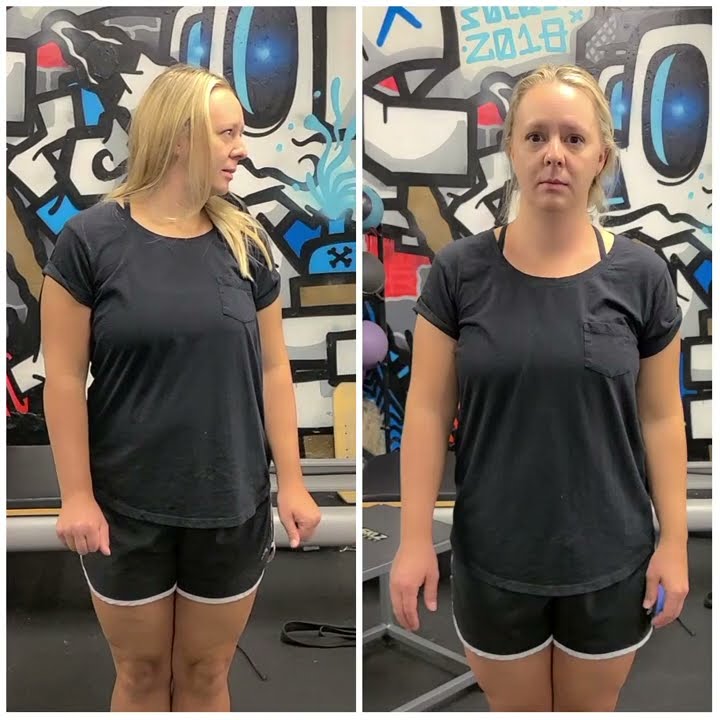 Play video: Client testimonial: Monique, 4 weeks of neck pain rated 7/10
 “I tried a new move in yoga. I woke up the next morning and couldn't move my neck”
— Danielle, 6 weeks of 7/10 neck painResults vary from person to person.
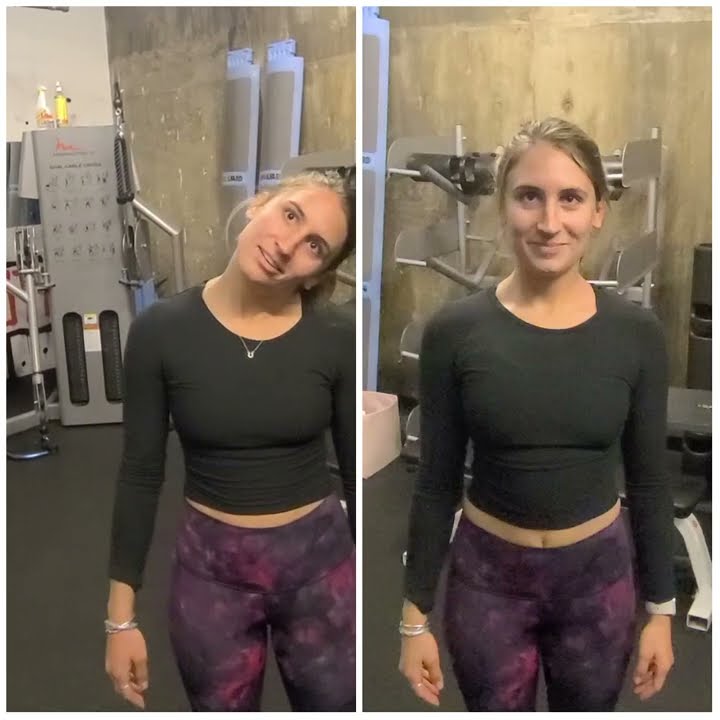 Play video: Client testimonial: Danielle, 6 weeks of neck pain rated 7/10
 “After 3 years I didn't think anyone could help me fix my neck”
— Sandy, 3 years of 8/10 neck painResults vary from person to person.
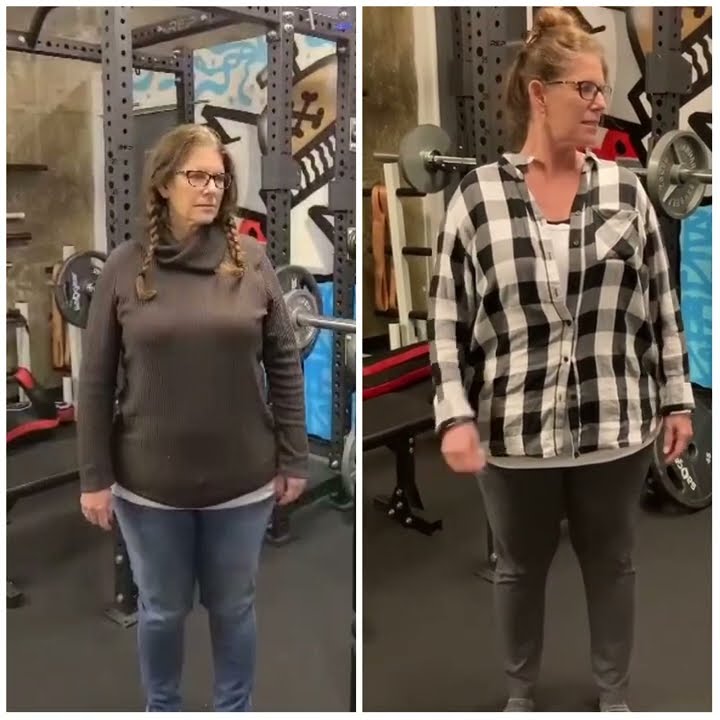 Play video: Client testimonial: Sandy, 3 years of neck pain rated 8/10
 “My office job means my neck is in constant pain, nothing seems to help”
— Natasha, 4 weeks of 7/10 neck painResults vary from person to person.
 Play video: Client testimonial: Natasha, 4 weeks of neck pain rated 7/10
 “It's too hard to get in shape when I've had knee pain ever since I can remember”
— Cindy, a lifetime of 6/10 knee painResults vary from person to person.
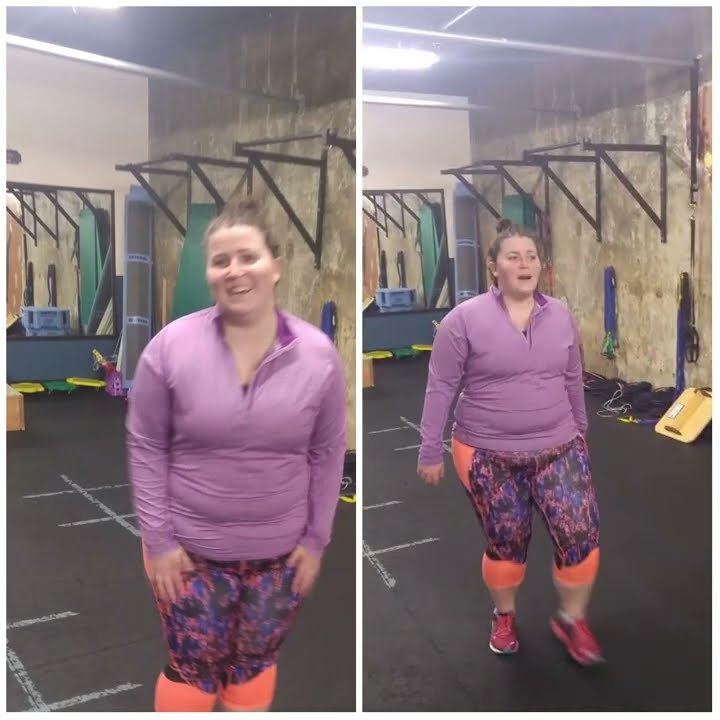 Play video: Client testimonial: Cindy, a lifetime of knee pain rated 6/10
 “I tore my ACL in an MMA match and haven't been able to train since”
— Meghan, 4/10 knee pain after an ACL tearResults vary from person to person.
 Play video: Client testimonial: Meghan, knee pain after an ACL tear, 4 out of 10 down to 0
 “After my fall my knee was in pain and I couldn't stand on one leg”
— Brad, 6 months of 6/10 knee painResults vary from person to person.
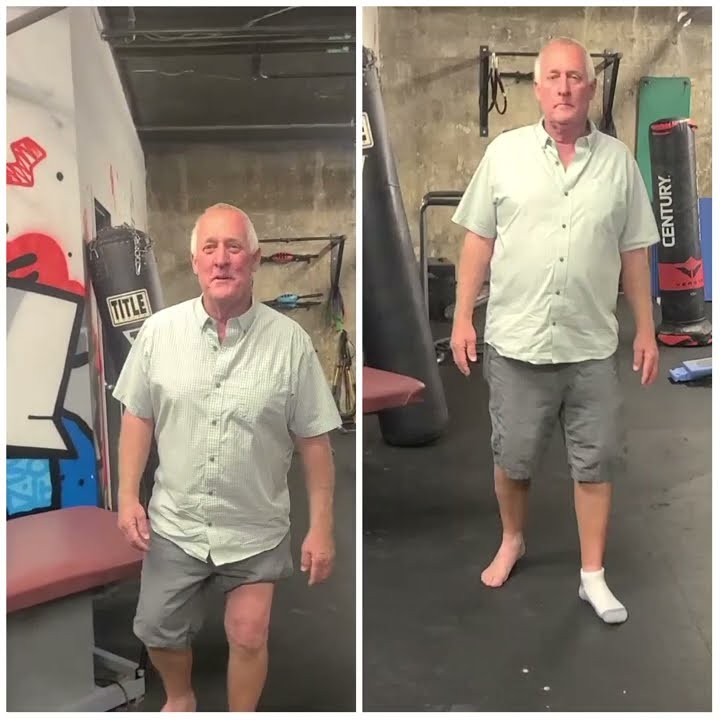 Play video: Client testimonial: Brad, 6 months of knee pain rated 6/10
 “I got surgery on my shoulder 2 years ago and have been getting rolfing and PT”
— Samantha, 5 years of 7/10 shoulder painResults vary from person to person.
 Play video: Client testimonial: Samantha, 5 years of shoulder pain rated 7/10
 “My shoulder numbness and tingling was so bad I drove 2 hours to see Jamie Atlas”
— Heather, 6 weeks of 10/10 shoulder nerve painResults vary from person to person.
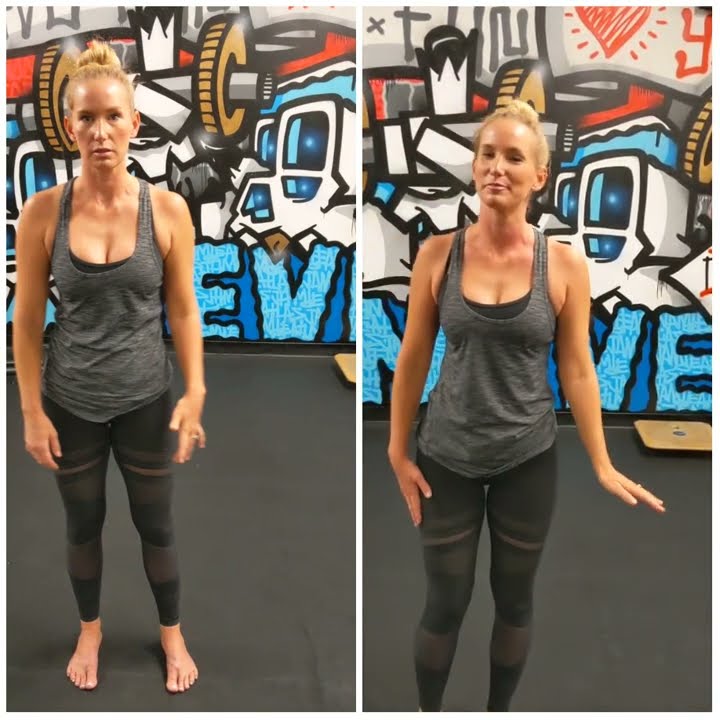 Play video: Client testimonial: Heather, 6 weeks of shoulder nerve pain rated 10/10
 “I've been in physical therapy for 6 months and I'm stalled on my results”
— Judy, 6 months of 10/10 shoulder painResults vary from person to person.
 Play video: Client testimonial: Judy, 6 months of shoulder pain rated 10/10
 “My shoulder pain meant I couldn't take my shirt on or off without hurting”
— Sharon, 4 months of 6/10 shoulder painResults vary from person to person.
 Play video: Client testimonial: Sharon, 4 months of shoulder pain rated 6/10
 “3 surgeries over 10 years and I still can't get my shoulder above my head”
— Clay, 10 years of 7/10 shoulder painResults vary from person to person.
 Play video: Client testimonial: Clay, 10 years of shoulder pain rated 7/10
 “Taking my dog for a walk he pulled on my shoulder and now it hurts to move”
— Kendall, 2 weeks of 6/10 shoulder painResults vary from person to person.
 Play video: Client testimonial: Kendall, 2 weeks of shoulder pain rated 6/10
 “I was squatting at the gym when I felt a pop and my leg went numb”
— Kelly, 12 months of 8/10 back painResults vary from person to person.
 Play video: Client testimonial: Kelly, 12 months of back pain rated 8/10
 “After the car accident the hospital said I was fine but my back pain says otherwise”
— Dax, 5 days of 10/10 back painResults vary from person to person.
 Play video: Client testimonial: Dax, 5 days of back pain rated 10/10
 “Playing football has left me with constant back pain that I can't get rid of”
— Matthew, 7 weeks of 7/10 back painResults vary from person to person.
 Play video: Client testimonial: Matthew, 7 weeks of back pain rated 7/10
 “I went to Pilates to fix my back but it ended up making it worse”
— Colleen, 8 weeks of 7/10 back painResults vary from person to person.
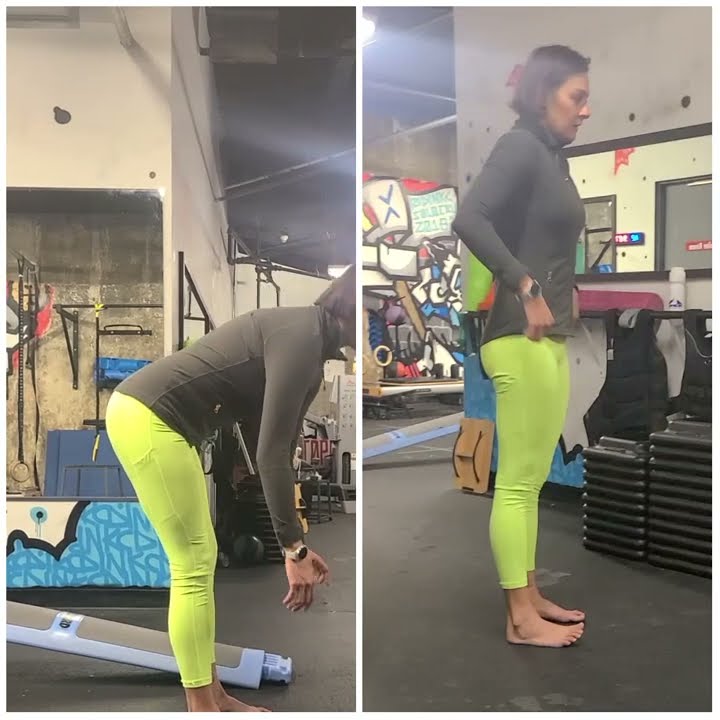 Play video: Client testimonial: Colleen, 8 weeks of back pain rated 7/10
 “I was thrown from a horse and couldn't bend over without pain”
— Katrina, 4 weeks of 6/10 back painResults vary from person to person.
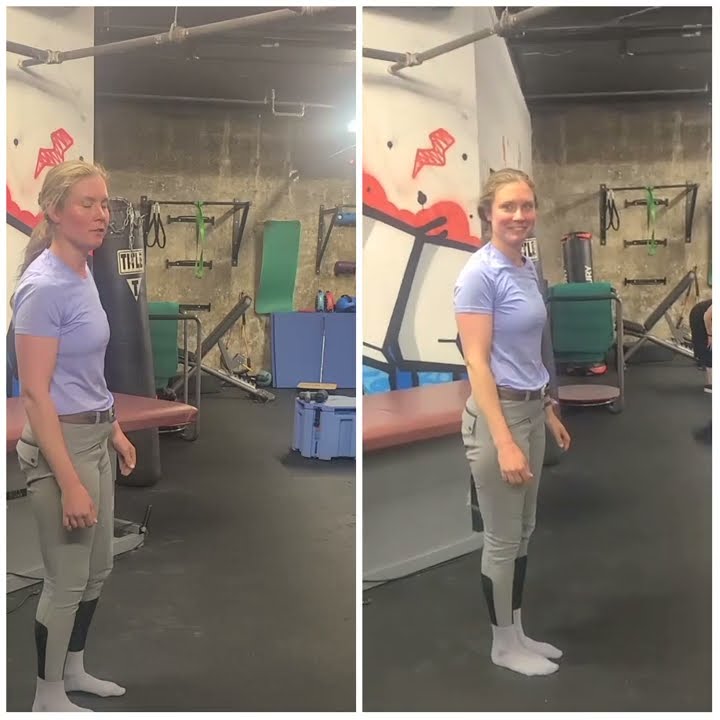 Play video: Client testimonial: Katrina, 4 weeks of back pain rated 6/10
 “This 9/10 back pain is stopping me from sleeping at night”
— Alexis, 2 months of 10/10 back painResults vary from person to person.
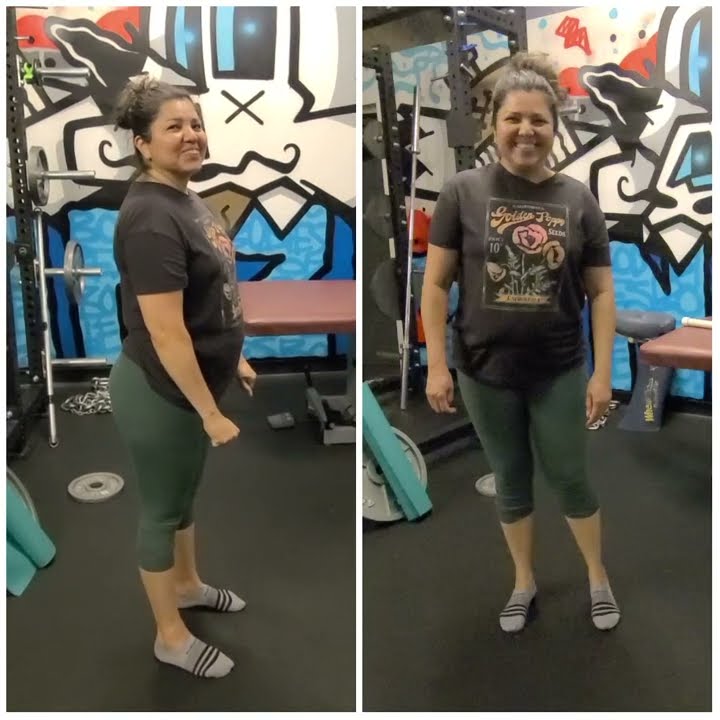 Play video: Client testimonial: Alexis, 2 months of back pain rated 10/10
 “My back pain is so bad I can't put on my shoes”
— Penelope, 5 weeks of 7/10 back painResults vary from person to person.
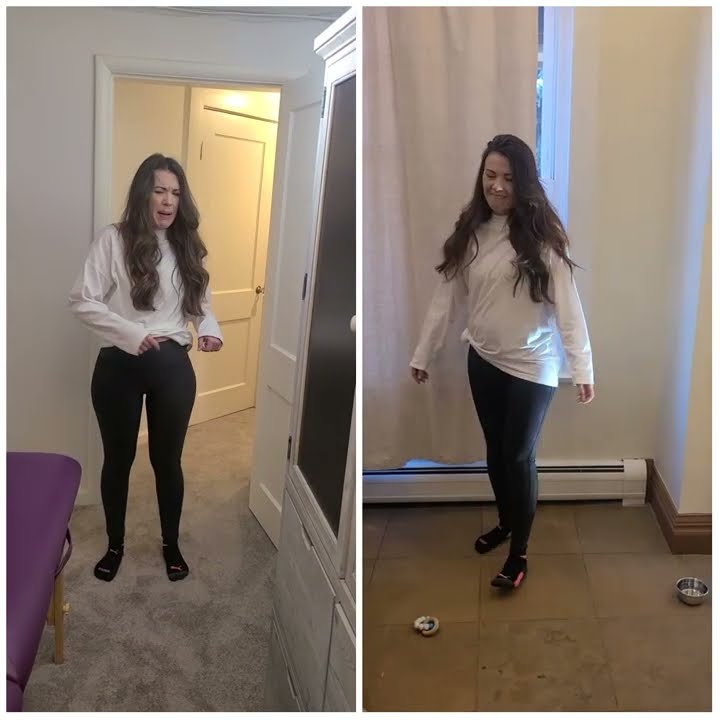 Play video: Client testimonial: Penelope, 5 weeks of back pain rated 7/10
 “Living with back pain has me living at a 7/10 pain that I can't find relief from”
— Chris, 8 weeks of 7/10 back painResults vary from person to person.
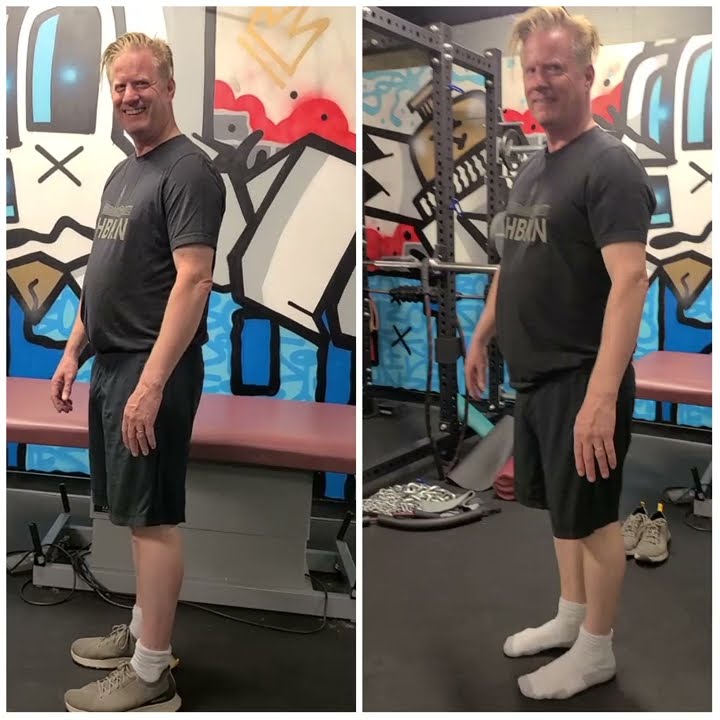 Play video: Client testimonial: Chris, 8 weeks of back pain rated 7/10
 “I have a herniated L4/L5 and my sciatic pain feels like a screwdriver in my back”
— Kendra, 2 years of shooting sciatic painResults vary from person to person.
 Play video: Client testimonial: Kendra, two years of shooting sciatic pain resolved
 “The doctor told me my spondylolisthesis back pain could only be cured with surgery”
— Tony, 2 weeks of lightning-bolt back painResults vary from person to person.
 Play video: Client testimonial: Tony, two weeks of severe back pain down to 1 out of 10
 The problem with the standard squat
The squat is a fundamental movement and there is nothing wrong with it. But take a moment to picture an actual turn. How wide are your feet on the mountain compared to in the squat rack? Is one leg more bent than the other? Is your body rotating?
Three yeses, and the standard squat answers none of them. It is symmetrical, narrow, and moves in a single plane. Skiing is asymmetrical, wide, and rotational. You can be genuinely strong in the gym and still find your legs burning out by lunchtime on day one.
Here is a quick test you can do standing where you are. Feet at shoulder width, knees bent about twenty degrees. Put a hand on each glute. Now rotate to look behind you to the left. Feel that? The left side switched on and lengthened differently than the right. You use each side differently in every single turn — and you use them while rotating. Now ask yourself how much of your training involves any rotation at all.
Why rotation is the piece that gets missed
Your glutes do the bulk of the work in a ski turn. They absorb the shock, distribute it down through the thigh and calf, then help drive you out of the turn. When they cannot do that job well, your quads take on more of it, and your knees end up managing load they were not meant to manage alone.
Muscles work like cables — they pull along the line their fibres run in. Your biceps fibres run more or less vertically, which is why a straightforward curl trains them well. Your glutes do not. They wrap around the hip at close to forty-five degrees. Which means a straight-ahead lunge only works them through part of their range. Add rotation and you reach considerably more of it.
There is a joint-health argument here too, and it deserves to be stated carefully. The ACL helps control rotation of the body as you land and drive out of a turn. If your hips and trunk are trained to handle rotational load, more of that work gets shared across the system. No exercise prevents an ACL tear, and I would not trust anyone who tells you otherwise. But training only in a front-to-back direction, for a sport that is fundamentally rotational, is a gap worth closing.
Four ski squat variations
1. The wide-stance squat
Set your feet noticeably wider than you would for a normal squat — closer to the stance you actually ski in. Drop into the same depth you would use on a groomer, not a powerlifting depth.
A wider stance changes which muscles switch on and which ones lengthen. If you want to get better at a movement, train the shape of that movement.
2. The uneven squat
Put a block, plate, or low step under one foot and squat. Two to three inches is plenty. Work both sides, but expect them to feel different.
Look at anyone through a sharp turn and one leg is more bent than the other. Skiing is not a symmetrical sport, so training it symmetrically leaves a gap.
3. The single-leg squat, with the foot angled
Squat on one leg from a low platform. Here is the part most people skip: change the angle of the standing foot each rep — turned in, straight ahead, turned out.
Each angle loads a different part of the hip. Those are the same muscles that have to fire when you come down off a drop or catch an edge in a way you did not plan.
4. The squat with rotation
From a wide stance and a shallow bend, rotate your trunk and hips as you come up out of the squat. Add a cable or band across the body once the pattern feels clean.
This is the one that matters most, and it is the one almost nobody does. Every turn is a rotation. If you only train up and down, you have trained half the movement.
Two more worth adding alongside these. The single-leg deadlift — stand on one leg, reach down toward your toes, stand back up — because what makes you wobble is exactly what you need control over on a rough landing. And woodchops, rotating against a cable or band from low to high and high to low, because every pole plant is your trunk absorbing load in rotation. Crunches build front abs. They do not build skiing abs.
Build these progressively. Two sets of ten to fifteen, three times a week, adding load only once the pattern is clean. Work hard, and rest just as deliberately.
Your discipline changes the answer
Most ski conditioning classes are a pile of squats, lunges, box jumps and situps for everyone in the room. That is not useless, but it is not specific either.
Telemark combines the lunge with upper-body rotation — leave the rotation out and you never load the hips the way the sport does. Moguls are closer to a squat with sideways force. Most people have jumped forward onto a box; far fewer have jumped sideways onto one, and in the bumps you are bouncing side to side, not hopping over them. Backcountry asks for something different again — skinning uphill draws on patterns closer to skating than to skiing.
If your knee already hurts
This is where most ski-prep advice stops being useful, because it assumes you are starting from a body with no history. Plenty of people reading this have had a reconstruction, a meniscus repair, a replacement, or just a knee that has been grumbling for two seasons and has quietly narrowed what they are willing to ski.
A few things worth knowing. Pain and damage are not the same thing — a knee can hurt because it has become sensitized to load rather than because something is structurally wrong, and those two situations call for different responses. Avoiding the movement altogether tends to make things more sensitive over time, not less. And the gap between being discharged from physical therapy and actually trusting your leg on a steep run is real, frequently unaddressed, and much more closeable than most people are told.
What that usually looks like in practice is finding the version of a movement you can do today without a flare that lasts, then widening that from there — steadily, and with a clear picture of what you are building toward. Which in this case is a specific chairlift on a specific weekend.
Squats are one piece. The whole picture for the season, including what a ski turn asks of a knee that has a history, lives on the ski conditioning in Denver page.
Three things skiers ask me every October
Are squats good for skiing?
Yes, but the standard gym squat only covers part of what skiing asks of you. Skiing happens in a wide stance, with one leg more bent than the other, and with the hips rotating through every turn. A squat performed with feet at shoulder width, both legs even, moving straight up and down, trains none of those three things. It builds useful leg strength — it just is not specific to the movement you are trying to improve.
How many weeks before ski season should I start?
Eight to twelve weeks is a realistic runway for noticeable change in strength and control, which in Colorado means starting in September or early October. Less time than that is still worth doing — even four weeks of rotational and single-leg work will leave you better prepared than the two deep knee bends most people do beside the car at the gondola.
Should I squat if my knee already hurts?
Often yes, but usually in a modified range and with more attention to how you load it. Pain during a squat is information, not automatically a signal of damage, and completely avoiding the movement tends to make the knee more sensitive over time rather than less. What matters is finding a version you can do without a lasting flare afterwards, then progressing from there. If you are not sure where that line is, that is worth working out with someone before ski season rather than during it.
What is the difference between a ski squat and a regular squat?
A ski squat borrows the shape of the turn: a wider stance, uneven leg lengths, and rotation through the hips and trunk. A regular squat is symmetrical and moves in one plane. Both have a place, but only one of them looks like what your body does on the mountain.
Do squats prevent ACL injuries?
No single exercise prevents an ACL tear, and any program promising that is overselling. What is reasonable to say is that the ACL helps control rotation, and that if your hips and trunk are trained to handle rotational load, more of that work is shared rather than left to the ligament. Training rotation is a sensible thing to do. Guaranteeing an outcome is not.
What the research says
Strength is half of it. When Ettlinger and colleagues trained ski patrollers and instructors to recognise and avoid the situations where knees get hurt, serious knee sprains fell 62%, with no drop in the comparison areas (American Journal of Sports Medicine, 1995). That was awareness training, not squats. Build the legs here, and bring the habits to the hill.
Want to ski this season without negotiating with your knee?
A 30-minute assessment, $57. Your history, my plain read on whether I can help, and a clear plan if I can. I have been running ski conditioning in Denver since 2008.
Book a 30-minute assessmentOr call (720) 257-9328 · Ski conditioning in Denver