
Resources · Desk work
Desk posture: what actually helps
If sitting up straight cured desk pain, downtown Denver would have the healthiest necks in America by now. It's probably not your posture alone — it is the hours spent in any one shape, and that has a different fix.
“I picked up my daughter and my neck went numb”
— Monique, 4 weeks of 7/10 neck painYour results may vary.
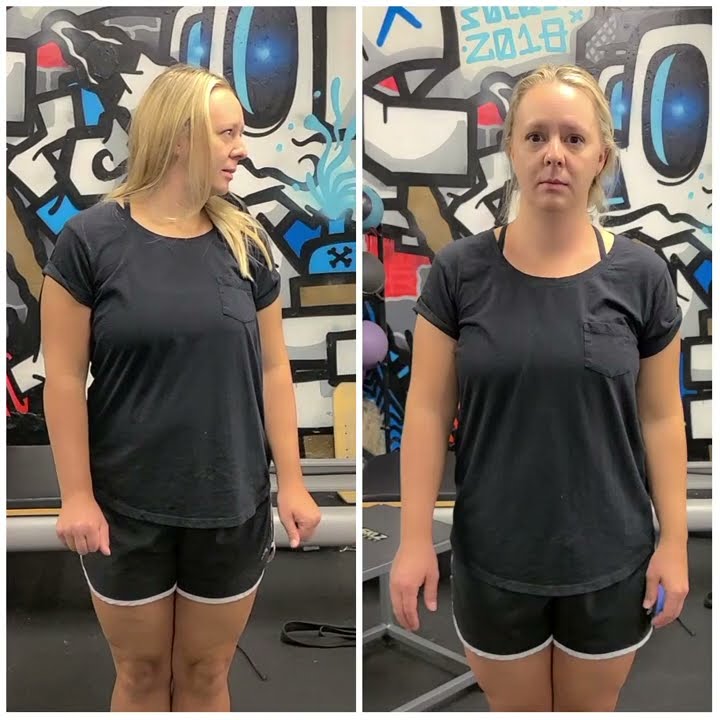 Play video: Client testimonial: Monique, 4 weeks of neck pain rated 7/10
 “I tried a new move in yoga. I woke up the next morning and couldn't move my neck”
— Danielle, 6 weeks of 7/10 neck painYour results may vary.
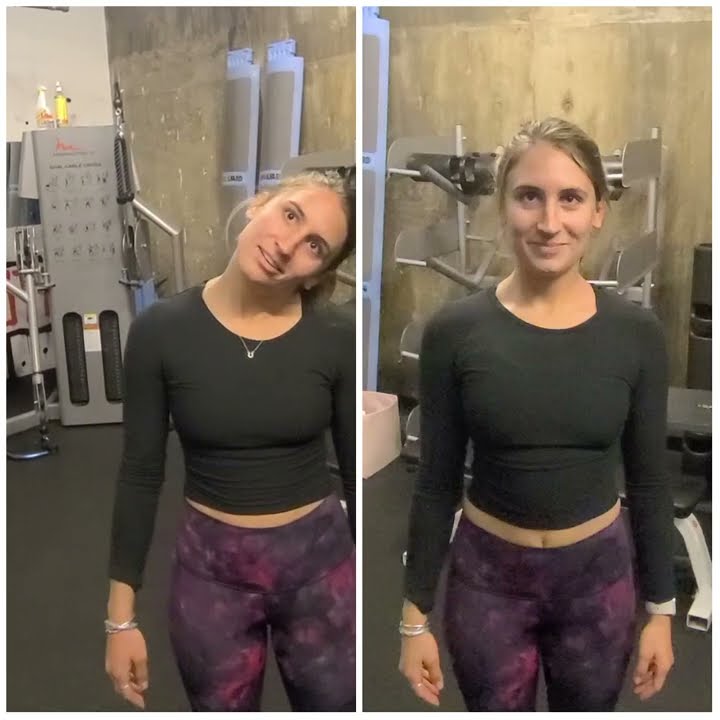 Play video: Client testimonial: Danielle, 6 weeks of neck pain rated 7/10
 “After 3 years I didn't think anyone could help me fix my neck”
— Sandy, 3 years of 8/10 neck painYour results may vary.
 Play video: Client testimonial: Sandy, 3 years of neck pain rated 8/10
 “My office job means my neck is in constant pain, nothing seems to help”
— Natasha, 4 weeks of 7/10 neck painYour results may vary.
 Play video: Client testimonial: Natasha, 4 weeks of neck pain rated 7/10
 “It's too hard to get in shape when I've had knee pain ever since I can remember”
— Cindy, a lifetime of 6/10 knee painYour results may vary.
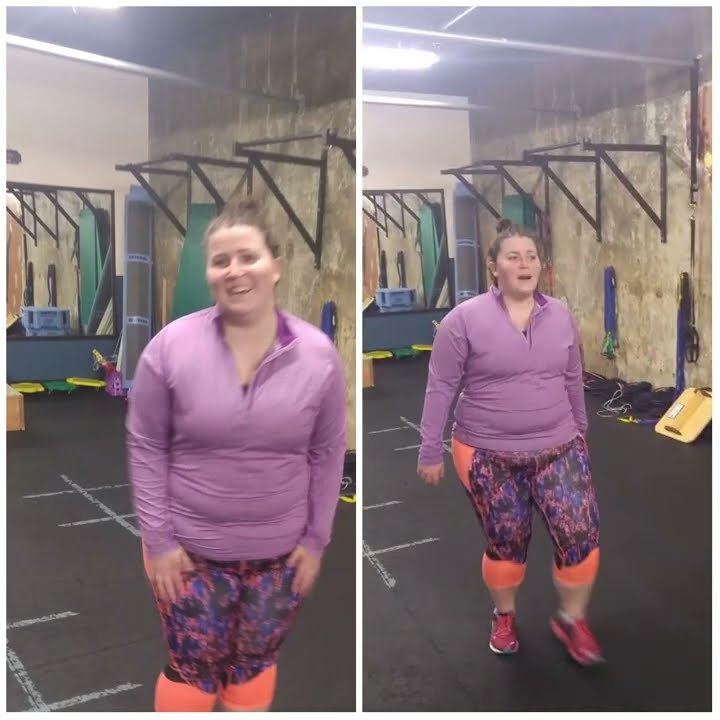 Play video: Client testimonial: Cindy, a lifetime of knee pain rated 6/10
 “I tore my ACL in an MMA match and haven't been able to train since”
— Meghan, 4/10 knee pain after an ACL tearYour results may vary.
 Play video: Client testimonial: Meghan, knee pain after an ACL tear, 4 out of 10 down to 0
 “After my fall my knee was in pain and I couldn't stand on one leg”
— Brad, 6 months of 6/10 knee painYour results may vary.
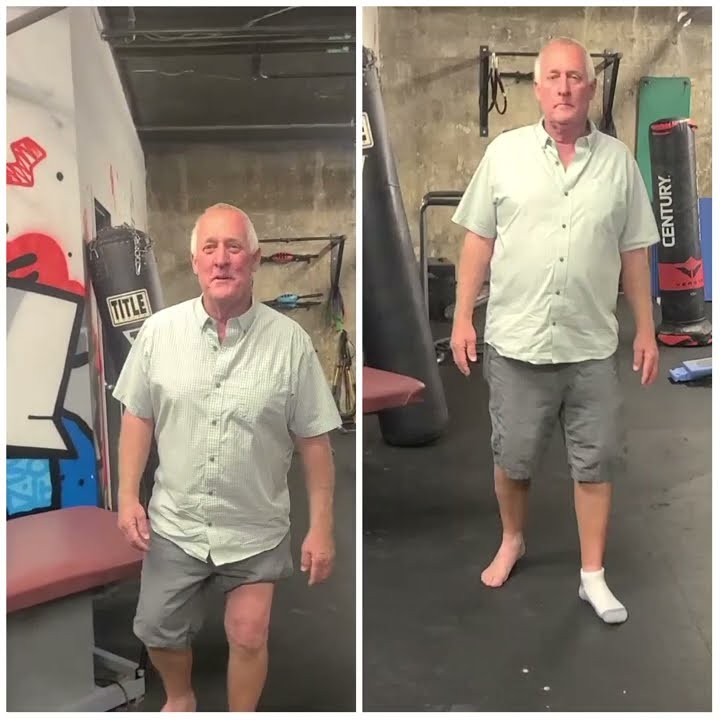 Play video: Client testimonial: Brad, 6 months of knee pain rated 6/10
 “I got surgery on my shoulder 2 years ago and have been getting rolfing and PT”
— Samantha, 5 years of 7/10 shoulder painYour results may vary.
 Play video: Client testimonial: Samantha, 5 years of shoulder pain rated 7/10
 “My shoulder numbness and tingling was so bad I drove 2 hours to see Jamie Atlas”
— Heather, 6 weeks of 10/10 shoulder nerve painYour results may vary.
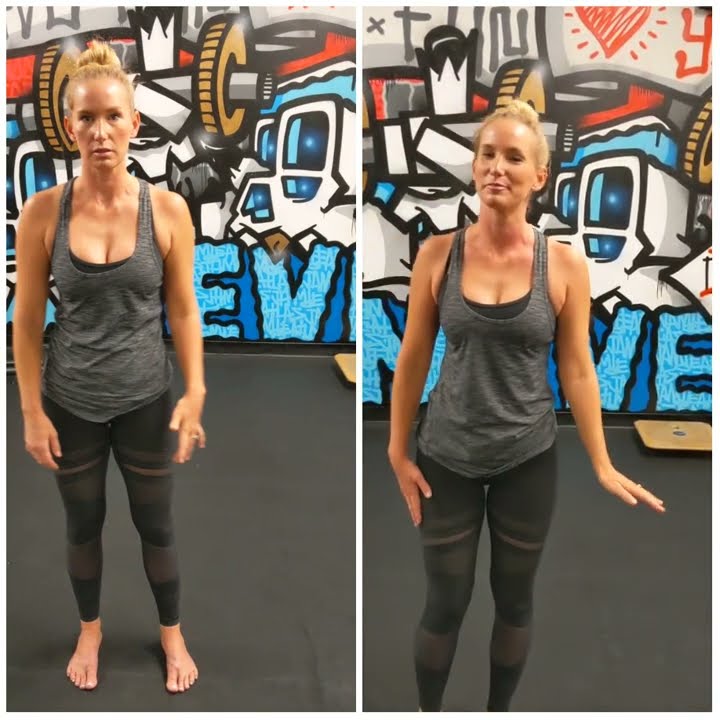 Play video: Client testimonial: Heather, 6 weeks of shoulder nerve pain rated 10/10
 “I've been in physical therapy for 6 months and I'm stalled on my results”
— Judy, 6 months of 10/10 shoulder painYour results may vary.
 Play video: Client testimonial: Judy, 6 months of shoulder pain rated 10/10
 “My shoulder pain meant I couldn't take my shirt on or off without hurting”
— Sharon, 4 months of 6/10 shoulder painYour results may vary.
 Play video: Client testimonial: Sharon, 4 months of shoulder pain rated 6/10
 “3 surgeries over 10 years and I still can't get my shoulder above my head”
— Clay, 10 years of 7/10 shoulder painYour results may vary.
 Play video: Client testimonial: Clay, 10 years of shoulder pain rated 7/10
 “Taking my dog for a walk he pulled on my shoulder and now it hurts to move”
— Kendall, 2 weeks of 6/10 shoulder painYour results may vary.
 Play video: Client testimonial: Kendall, 2 weeks of shoulder pain rated 6/10
 “I was squatting at the gym when I felt a pop and my leg went numb”
— Kelly, 12 months of 8/10 back painYour results may vary.
 Play video: Client testimonial: Kelly, 12 months of back pain rated 8/10
 “After the car accident the hospital said I was fine but my back pain says otherwise”
— Dax, 5 days of 10/10 back painYour results may vary.
 Play video: Client testimonial: Dax, 5 days of back pain rated 10/10
 “Playing football has left me with constant back pain that I can't get rid of”
— Matthew, 7 weeks of 7/10 back painYour results may vary.
 Play video: Client testimonial: Matthew, 7 weeks of back pain rated 7/10
 “I went to Pilates to fix my back but it ended up making it worse”
— Colleen, 8 weeks of 7/10 back painYour results may vary.
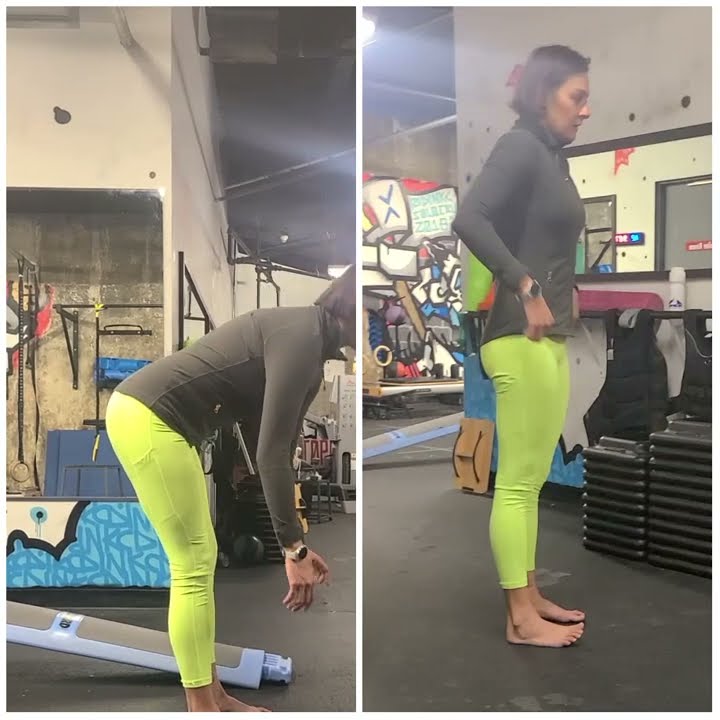 Play video: Client testimonial: Colleen, 8 weeks of back pain rated 7/10
 “I was thrown from a horse and couldn't bend over without pain”
— Katrina, 4 weeks of 6/10 back painYour results may vary.
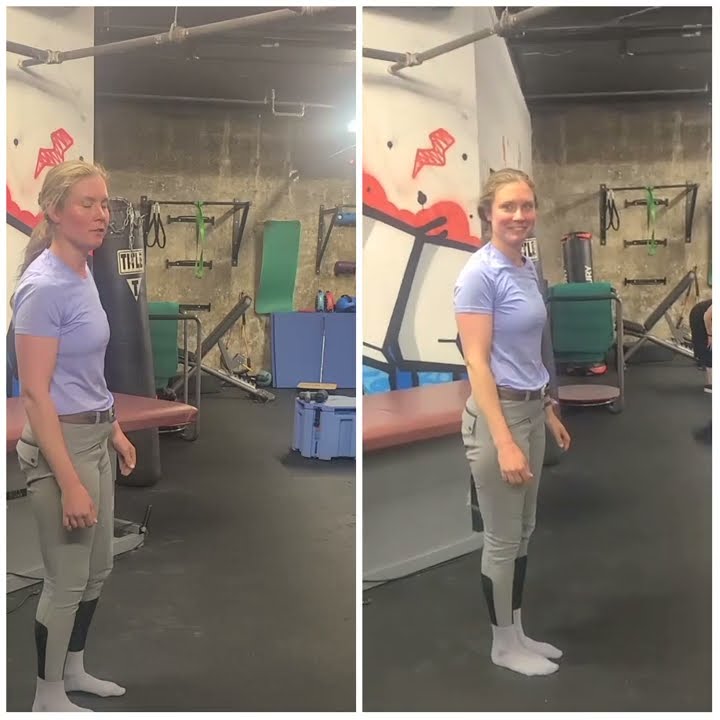 Play video: Client testimonial: Katrina, 4 weeks of back pain rated 6/10
 “This 9/10 back pain is stopping me from sleeping at night”
— Alexis, 2 months of 10/10 back painYour results may vary.
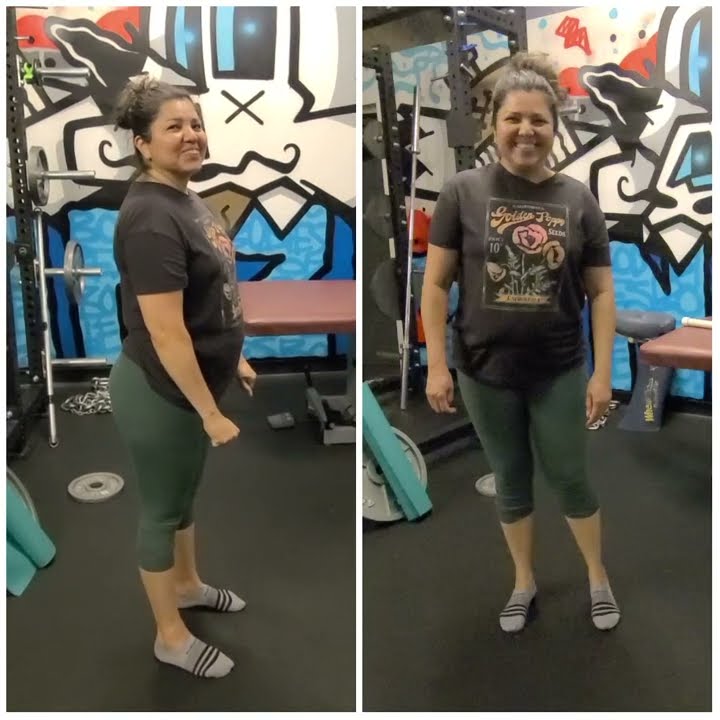 Play video: Client testimonial: Alexis, 2 months of back pain rated 10/10
 “My back pain is so bad I can't put on my shoes”
— Penelope, 5 weeks of 7/10 back painYour results may vary.
 Play video: Client testimonial: Penelope, 5 weeks of back pain rated 7/10
 “Living with back pain has me living at a 7/10 pain that I can't find relief from”
— Chris, 8 weeks of 7/10 back painYour results may vary.
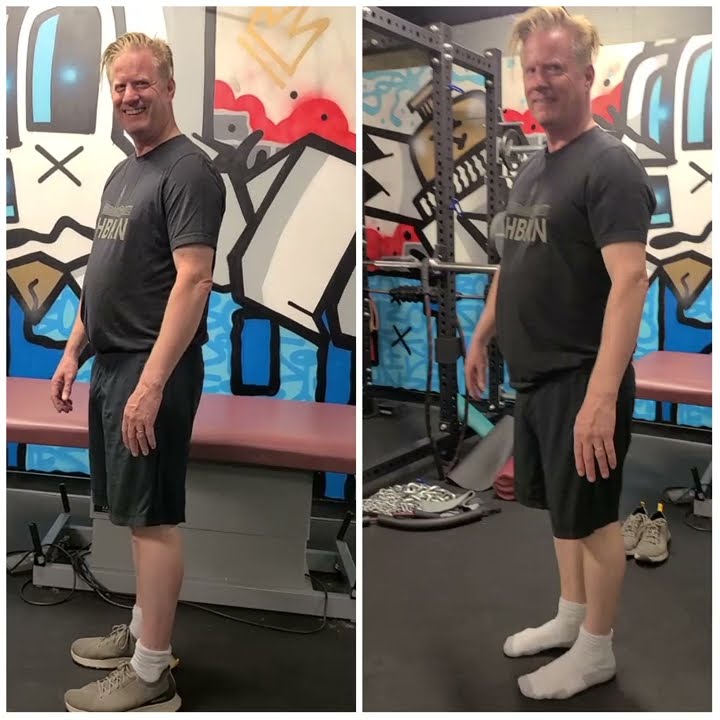 Play video: Client testimonial: Chris, 8 weeks of back pain rated 7/10
 “I have a herniated L4/L5 and my sciatic pain feels like a screwdriver in my back”
— Kendra, 2 years of shooting sciatic painYour results may vary.
 Play video: Client testimonial: Kendra, two years of shooting sciatic pain resolved
 “The doctor told me my spondylolisthesis back pain could only be cured with surgery”
— Tony, 2 weeks of lightning-bolt back painYour results may vary.
 Play video: Client testimonial: Tony, two weeks of severe back pain down to 1 out of 10
 Watch the segment
Three workplace posture tips from my 9NEWS years — the two-minute version of this article.
 Play video: 3 tips for better posture in the workplace — 9NEWS
 Reframing the problem
Your next posture is your best posture. The body treats stillness as the enemy, not slouching. Muscles that hold one position for hours tire, tighten and start reporting discomfort — no structural damage required. That is why the ache builds through the afternoon and eases when you finally move: it is a request, not an injury announcement.
What a desk day steals, specifically: the hips lose extension (they have been folded since 8 am), the mid-back loses rotation and extension (it has been braced over a keyboard), and the neck — sitting on top of that stiff foundation — does all the compensating, which is why it so often carries the complaint for the whole chain. If your neck is the loudest voice, the neck pain page goes deeper on why relief so often has not lasted.
The workday counter-moves are small and unheroic: position changes every half hour or so, a handful of chin tucks and shoulder-blade squeezes, a doorway chest opener, a standing hip-flexor stretch while the coffee brews. Then, outside work hours, restore what the chair took — extension, rotation and strength through the hips and mid-back. Ten focused minutes a few times a week outperforms an ergonomic shopping spree.
For the many people whose studio is a short walk from their office — mine sits at 1800 Glenarm Place, in the middle of it all — this is also the most common starting story I hear: "it began as desk stiffness, and now it is a thing." It does not have to stay a thing.
Common questions
Is bad posture the cause of my neck and back pain?
Less than you have been told. Research keeps failing to find one "correct" posture that prevents pain — people with textbook alignment hurt, and people who slouch happily do not. What bodies genuinely dislike is any single position held for hours. The strongest lever is not sitting straighter; it is changing position more often and giving the stiff areas real movement.
What can I actually do during a workday?
Think in small frequent doses: a position change every 30–45 minutes, even a small one; a few chin tucks and shoulder-blade squeezes at natural breaks; standing hip-flexor and chest openers when you grab coffee. None of it requires a gym or athletic wear. The habit of moving matters far more than any single exercise done perfectly once.
Will a standing desk fix my pain?
It changes the position you are stuck in — which helps some people and simply relocates the complaint for others. Standing motionless for six hours is not much kinder than sitting motionless for six. The winning setup is one that makes changing positions easy: sit, stand, perch, walk to the printer you deliberately did not put next to your desk.
Work downtown? The studio is a short walk away.
A 30-minute assessment, $57: your history, my plain read on whether I can help, and one change you can measure before you leave. Early and lunchtime appointments fit around office hours.
Book a 30-minute assessmentOr call (720) 257-9328 · Read about neck pain