
Resources · Golf
Golf conditioning: a swing that lasts
The golf swing is the fastest rotational movement most bodies will ever produce — and most golfers train for it by golfing more. Your body is the only club you swing every shot. It deserves at least as much attention as the driver.
“I picked up my daughter and my neck went numb”
— Monique, 4 weeks of 7/10 neck painYour results may vary.
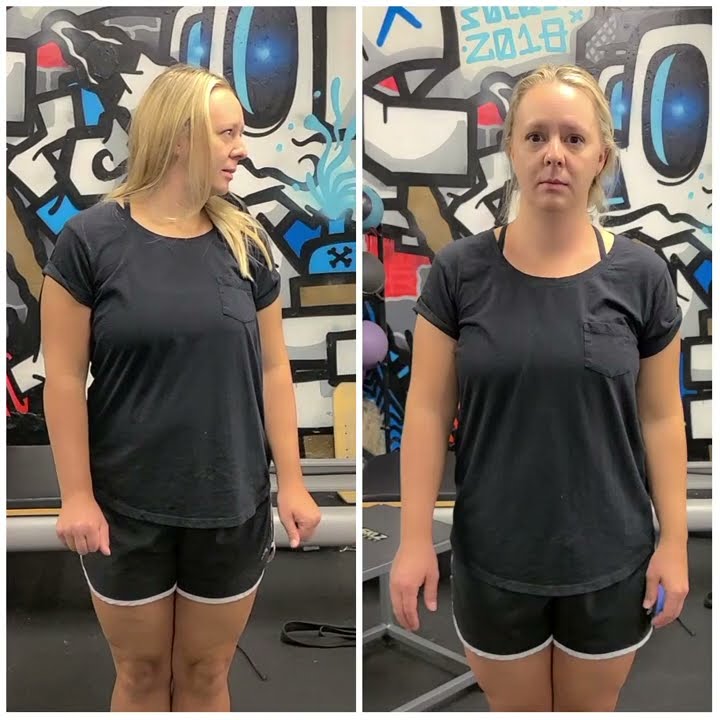 Play video: Client testimonial: Monique, 4 weeks of neck pain rated 7/10
 “I tried a new move in yoga. I woke up the next morning and couldn't move my neck”
— Danielle, 6 weeks of 7/10 neck painYour results may vary.
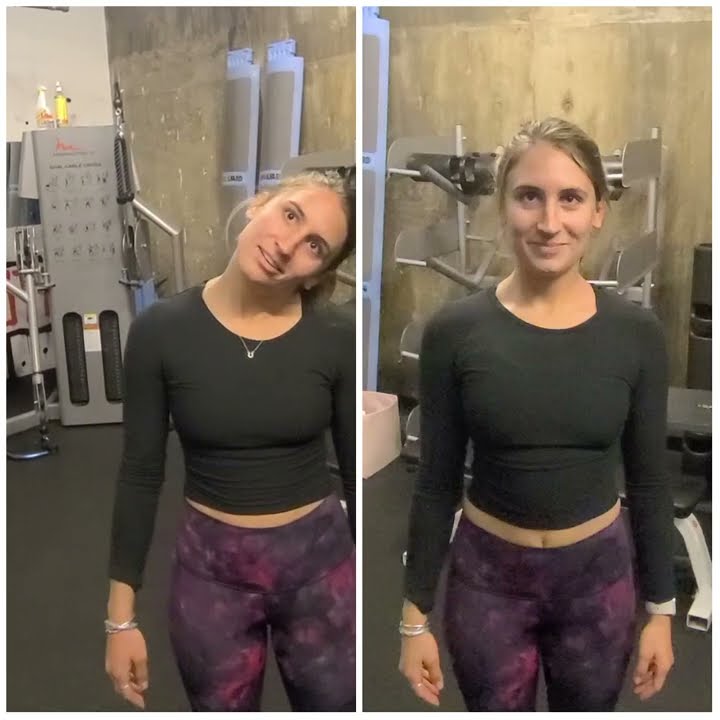 Play video: Client testimonial: Danielle, 6 weeks of neck pain rated 7/10
 “After 3 years I didn't think anyone could help me fix my neck”
— Sandy, 3 years of 8/10 neck painYour results may vary.
 Play video: Client testimonial: Sandy, 3 years of neck pain rated 8/10
 “My office job means my neck is in constant pain, nothing seems to help”
— Natasha, 4 weeks of 7/10 neck painYour results may vary.
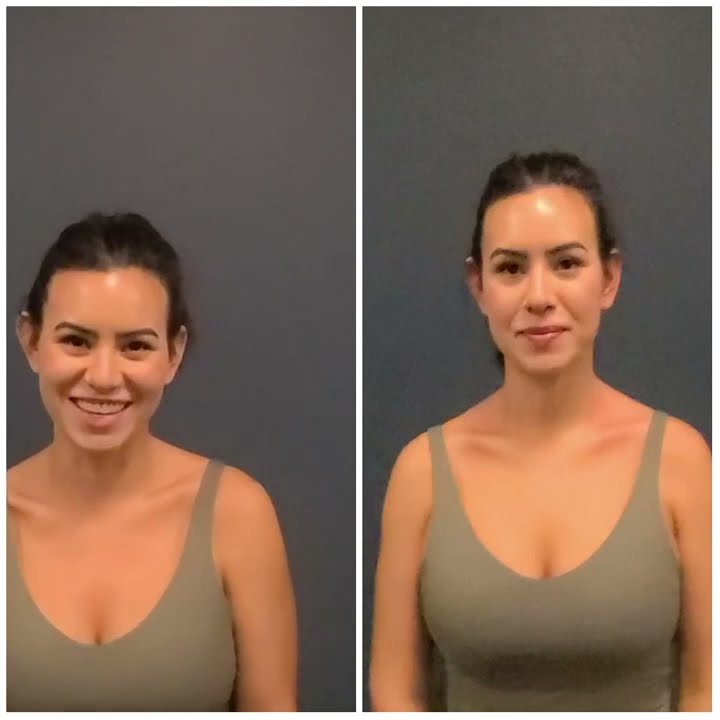 Play video: Client testimonial: Natasha, 4 weeks of neck pain rated 7/10
 “It's too hard to get in shape when I've had knee pain ever since I can remember”
— Cindy, a lifetime of 6/10 knee painYour results may vary.
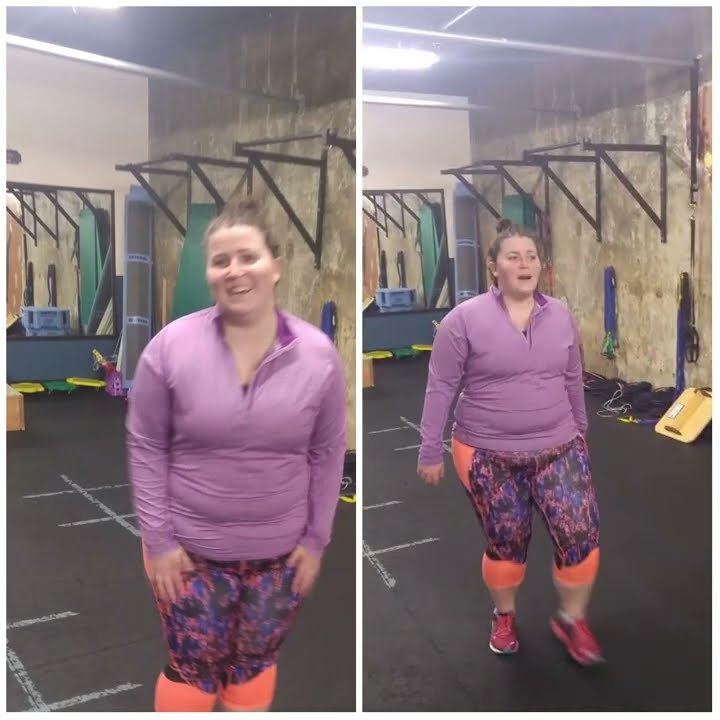 Play video: Client testimonial: Cindy, a lifetime of knee pain rated 6/10
 “I tore my ACL in an MMA match and haven't been able to train since”
— Meghan, 4/10 knee pain after an ACL tearYour results may vary.
 Play video: Client testimonial: Meghan, knee pain after an ACL tear, 4 out of 10 down to 0
 “After my fall my knee was in pain and I couldn't stand on one leg”
— Brad, 6 months of 6/10 knee painYour results may vary.
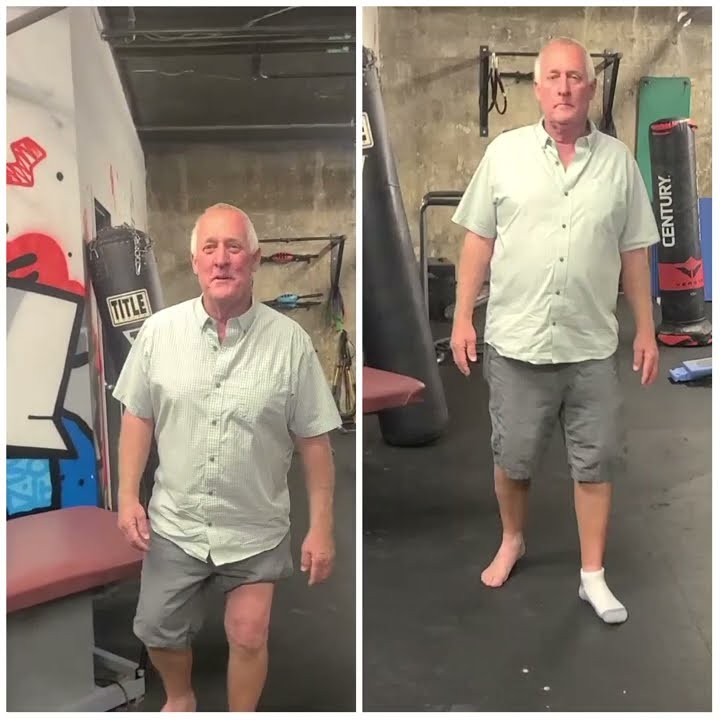 Play video: Client testimonial: Brad, 6 months of knee pain rated 6/10
 “I got surgery on my shoulder 2 years ago and have been getting rolfing and PT”
— Samantha, 5 years of 7/10 shoulder painYour results may vary.
 Play video: Client testimonial: Samantha, 5 years of shoulder pain rated 7/10
 “My shoulder numbness and tingling was so bad I drove 2 hours to see Jamie Atlas”
— Heather, 6 weeks of 10/10 shoulder nerve painYour results may vary.
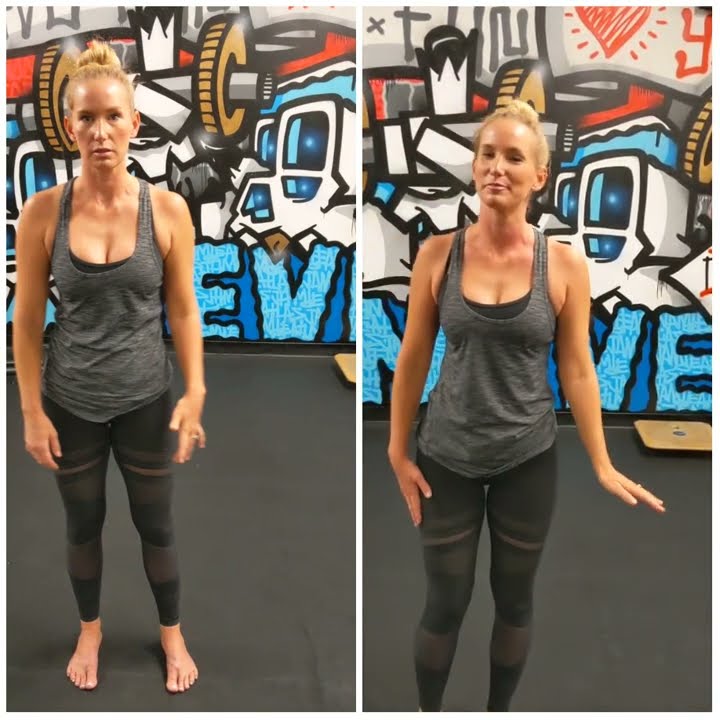 Play video: Client testimonial: Heather, 6 weeks of shoulder nerve pain rated 10/10
 “I've been in physical therapy for 6 months and I'm stalled on my results”
— Judy, 6 months of 10/10 shoulder painYour results may vary.
 Play video: Client testimonial: Judy, 6 months of shoulder pain rated 10/10
 “My shoulder pain meant I couldn't take my shirt on or off without hurting”
— Sharon, 4 months of 6/10 shoulder painYour results may vary.
 Play video: Client testimonial: Sharon, 4 months of shoulder pain rated 6/10
 “3 surgeries over 10 years and I still can't get my shoulder above my head”
— Clay, 10 years of 7/10 shoulder painYour results may vary.
 Play video: Client testimonial: Clay, 10 years of shoulder pain rated 7/10
 “Taking my dog for a walk he pulled on my shoulder and now it hurts to move”
— Kendall, 2 weeks of 6/10 shoulder painYour results may vary.
 Play video: Client testimonial: Kendall, 2 weeks of shoulder pain rated 6/10
 “I was squatting at the gym when I felt a pop and my leg went numb”
— Kelly, 12 months of 8/10 back painYour results may vary.
 Play video: Client testimonial: Kelly, 12 months of back pain rated 8/10
 “After the car accident the hospital said I was fine but my back pain says otherwise”
— Dax, 5 days of 10/10 back painYour results may vary.
 Play video: Client testimonial: Dax, 5 days of back pain rated 10/10
 “Playing football has left me with constant back pain that I can't get rid of”
— Matthew, 7 weeks of 7/10 back painYour results may vary.
 Play video: Client testimonial: Matthew, 7 weeks of back pain rated 7/10
 “I went to Pilates to fix my back but it ended up making it worse”
— Colleen, 8 weeks of 7/10 back painYour results may vary.
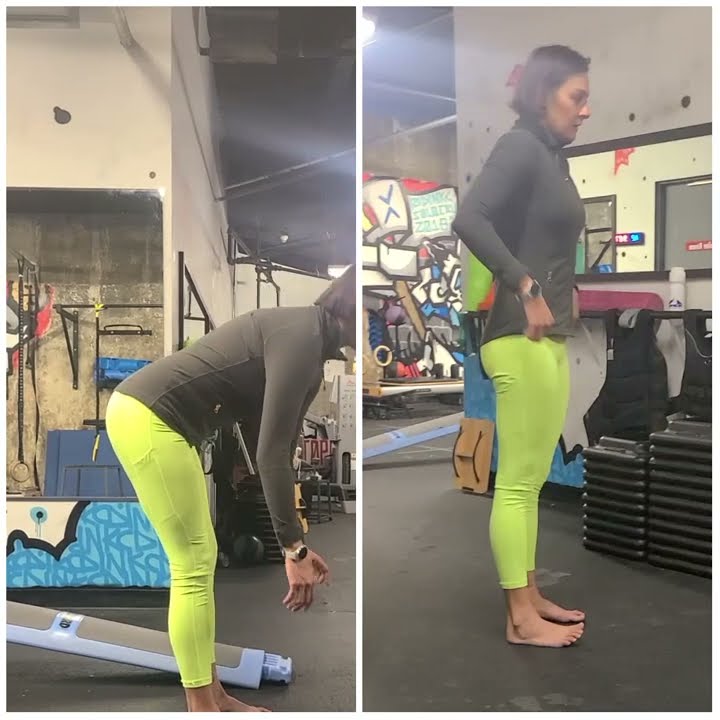 Play video: Client testimonial: Colleen, 8 weeks of back pain rated 7/10
 “I was thrown from a horse and couldn't bend over without pain”
— Katrina, 4 weeks of 6/10 back painYour results may vary.
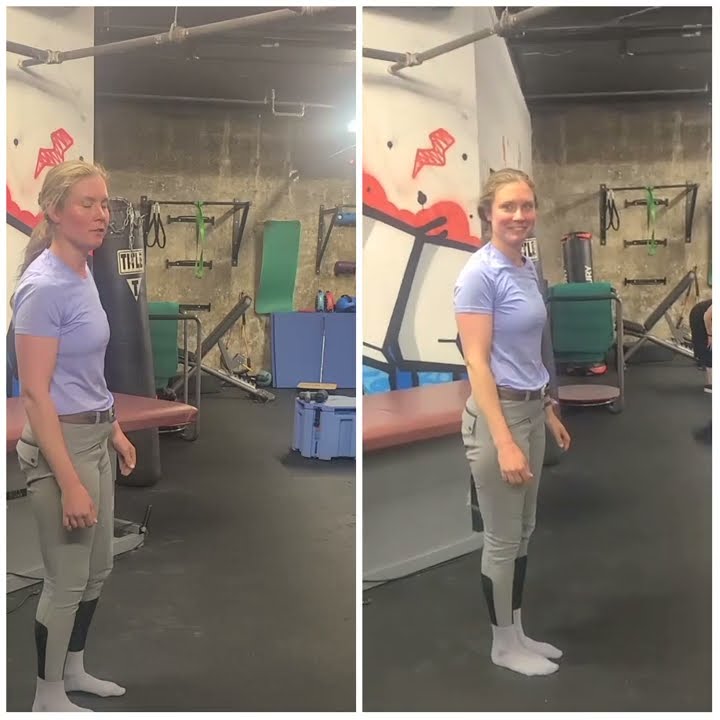 Play video: Client testimonial: Katrina, 4 weeks of back pain rated 6/10
 “This 9/10 back pain is stopping me from sleeping at night”
— Alexis, 2 months of 10/10 back painYour results may vary.
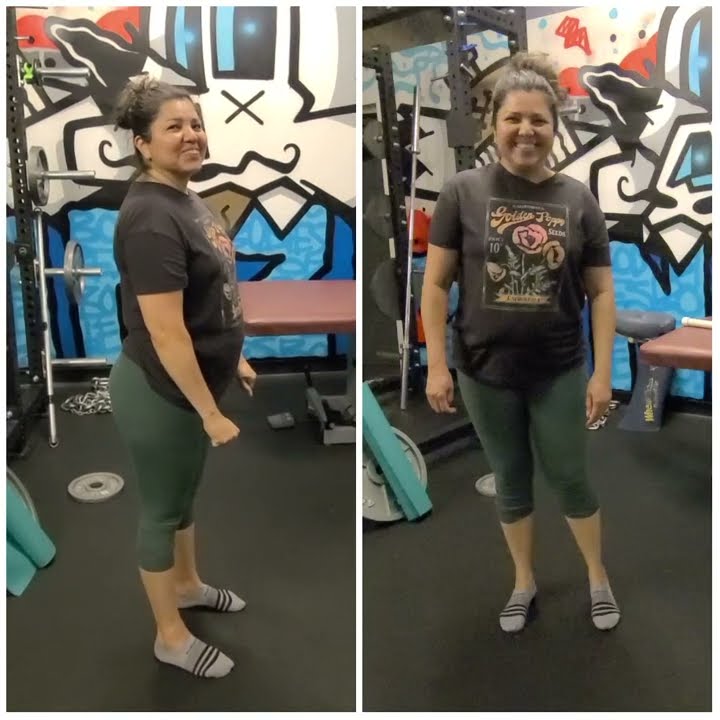 Play video: Client testimonial: Alexis, 2 months of back pain rated 10/10
 “My back pain is so bad I can't put on my shoes”
— Penelope, 5 weeks of 7/10 back painYour results may vary.
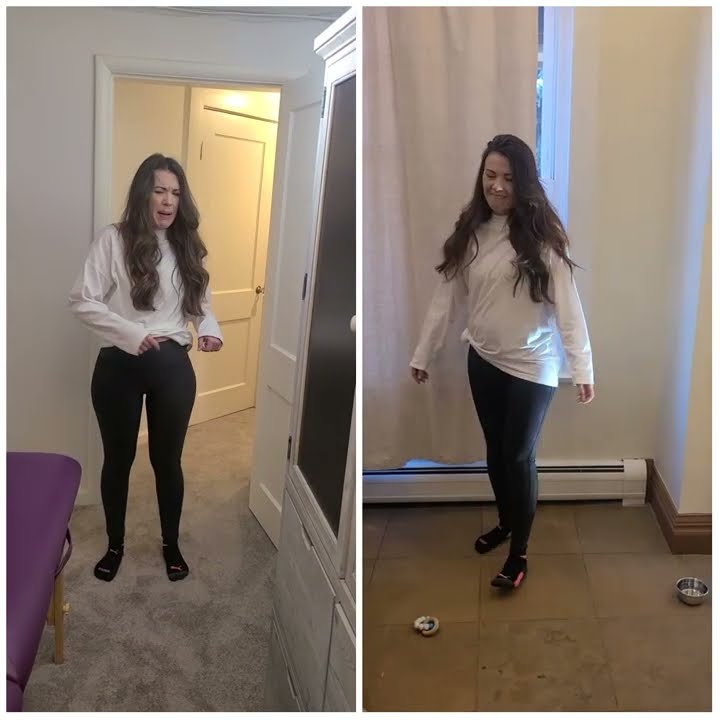 Play video: Client testimonial: Penelope, 5 weeks of back pain rated 7/10
 “Living with back pain has me living at a 7/10 pain that I can't find relief from”
— Chris, 8 weeks of 7/10 back painYour results may vary.
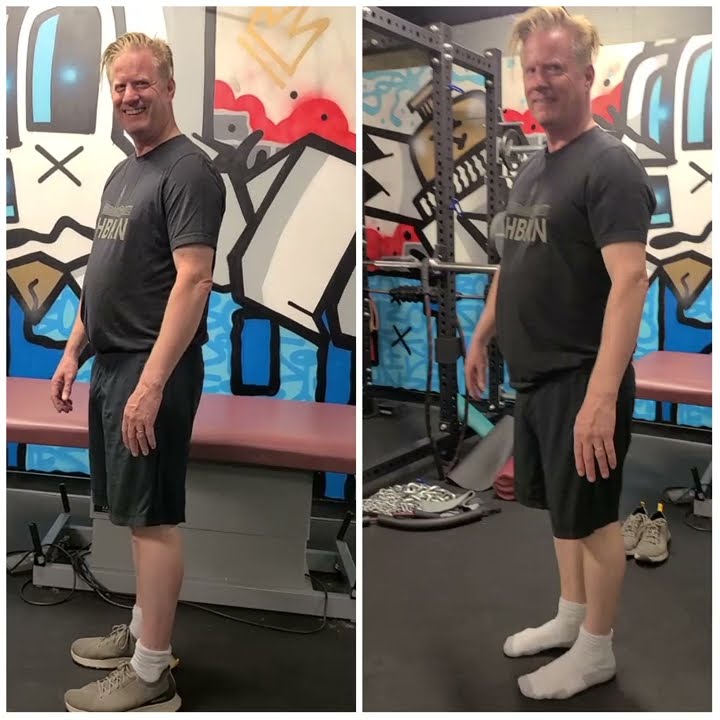 Play video: Client testimonial: Chris, 8 weeks of back pain rated 7/10
 “I have a herniated L4/L5 and my sciatic pain feels like a screwdriver in my back”
— Kendra, 2 years of shooting sciatic painYour results may vary.
 Play video: Client testimonial: Kendra, two years of shooting sciatic pain resolved
 “The doctor told me my spondylolisthesis back pain could only be cured with surgery”
— Tony, 2 weeks of lightning-bolt back painYour results may vary.
 Play video: Client testimonial: Tony, two weeks of severe back pain down to 1 out of 10
 Watch the segment
Workouts and stretches to help your golf game, from my 9NEWS years — the quick version of what this article unpacks.
 Play video: Workouts and stretches to help your golf game — 9NEWS
 Where golf games actually leak
Rotation is stored in the hips and mid-back — or it is not stored at all. A full turn needs the trail hip to accept rotation and the thoracic spine to coil over it. Desk years quietly remove both. The swing then either shortens (there goes distance) or borrows rotation from the lower back (there goes Monday). This is the same lesson running through every sport in this series: rotation is trainable, and almost nobody trains it.
Three directions that repay golfers fastest. Hip and mid-back mobility: half-kneeling rotations, open-books, deep hip work — range first, because you cannot swing through range you do not own. Rotational strength: band and cable chops in both directions, because the follow-through decelerates everything the backswing stored — and deceleration strength is injury protection you can measure. Ground force: the swing starts from the floor; split-stance and single-leg strength turn leg drive into clubhead speed.
For golfers past 50, one reframe matters more than any exercise: stiffness is not a life sentence, and "my back means I only play nine" is a pattern I unwind in the studio regularly. Range returns when it is asked for properly.
Common questions
Can exercise really add distance to my drives?
Often, yes — but usually not the way people expect. Distance leaks less from weak arms than from a body that cannot coil: limited hip and mid-back rotation caps how much energy you can store in the backswing, no matter how hard you swing. Restore that rotation and add ground-force strength, and speed frequently shows up without a single swing change.
Why does my back hurt after golf?
The swing concentrates ferocious rotation somewhere, and the body spends it where it has range. When hips and mid-back are stiff, the lumbar spine — designed for stability more than rotation — gets handed the job, eighty-plus times a round including practice swings. The usual fix is not swinging less; it is restoring rotation where it belongs and building the trunk control to transfer it.
What should golfers stretch before a round?
Move, rather than hold: hip circles, torso rotations with a club across the shoulders, arm swings, a few half-speed swings building to full. Ninety seconds of that beats ten static stretches on the first tee. Save longer holds — hip flexors, glutes, the mid-back over a foam roller — for after the round or evenings, where they do their real work.
Want your swing checked by someone who reads bodies, not just ball flight?
A 30-minute assessment, $57: your history, my plain read on whether I can help, and one change you can measure before you leave.
Book a 30-minute assessmentOr call (720) 257-9328 · Read about chronic back pain