
Resources · Skiing
So you want to get back on skis, but you aren't sure about your knees?
In short: most people with sore, arthritic, repaired or even replaced knees can ski again. What decides it is whether your legs can take the load of a turn, and you can test that at home before the season instead of finding out on the first run.
I've been getting Denver skiers ready for the mountain since 2008, and the knee is the question I get asked most. Here's how I'd answer it for you.
Alexis Went From 10/10 to 0 Reaching Down
Results vary from person to person.
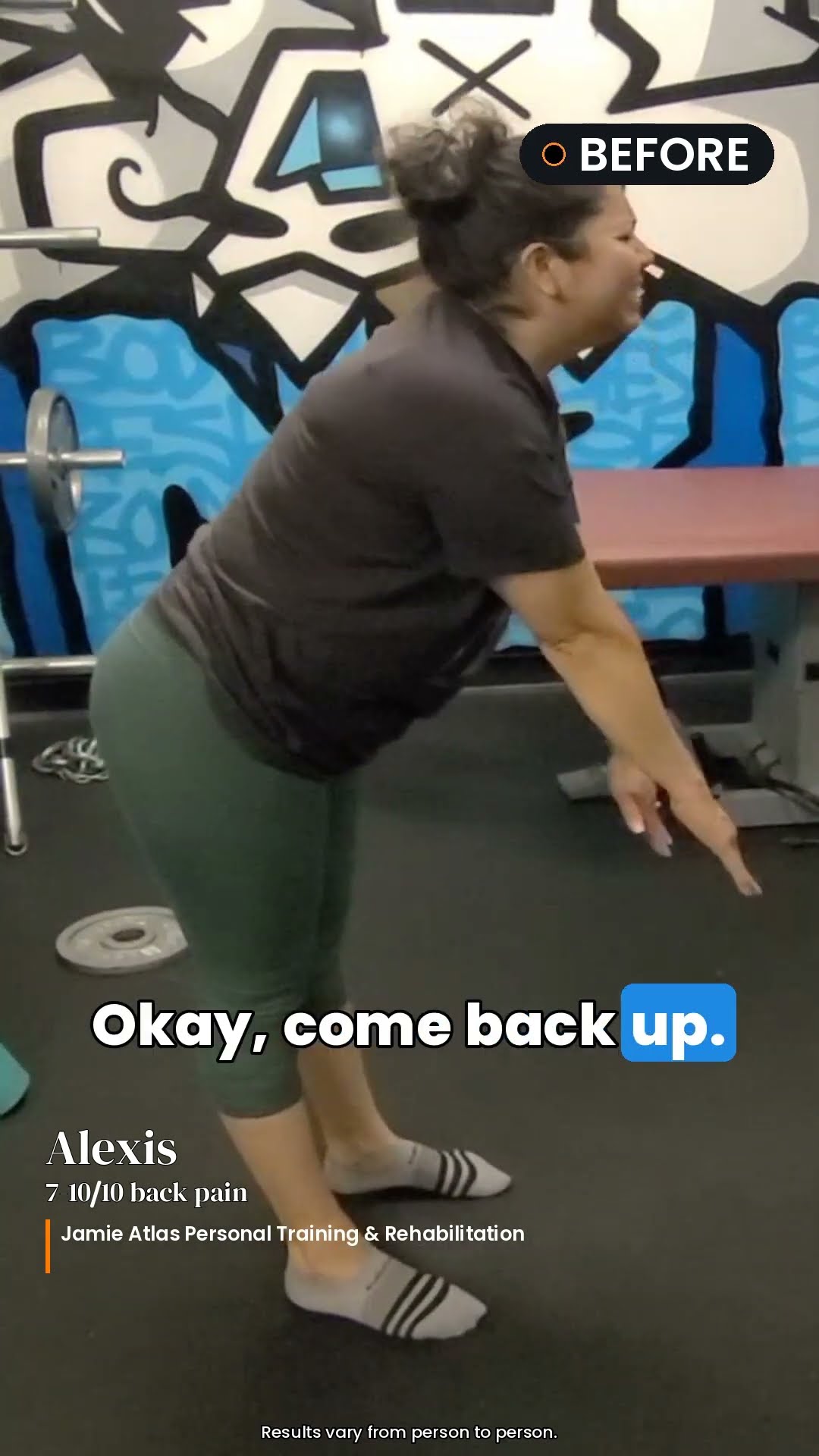 Play video: Back Pain Relief in Denver: Alexis Went From 10/10 to 0 Reaching Down
Toni's 5/10 Neck Pain Was Almost Gone
Results vary from person to person.
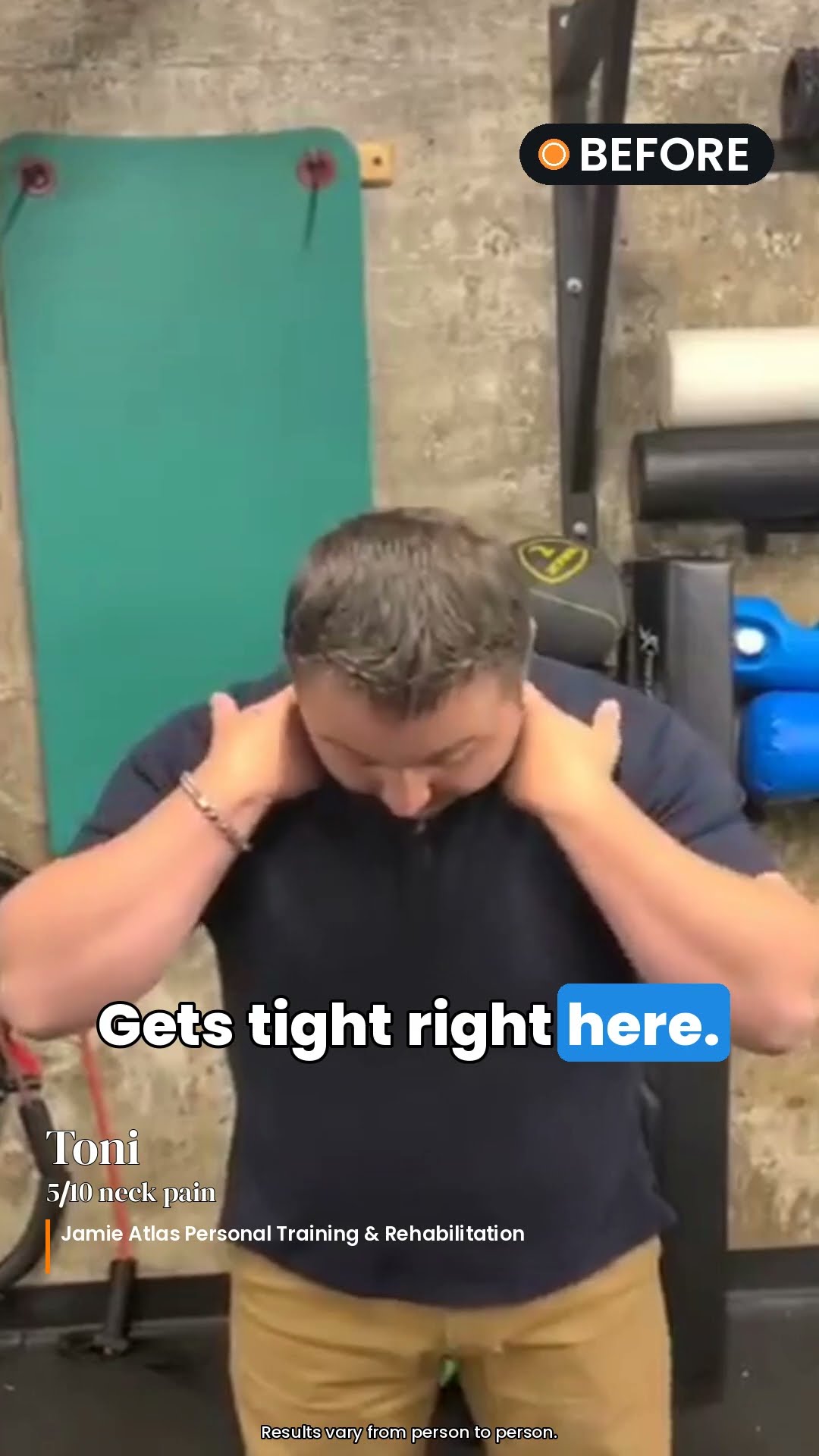 Play video: Neck Pain Relief in Denver: Toni's 5/10 Neck Pain Was Almost Gone
Clay Raises His Arm Overhead Again After 10 Years
Results vary from person to person.
 Play video: Shoulder Pain Relief in Denver: Clay Raises His Arm Overhead Again After 10 Years
Brad Went From 6/10 to 1/10 After a Fall
Results vary from person to person.
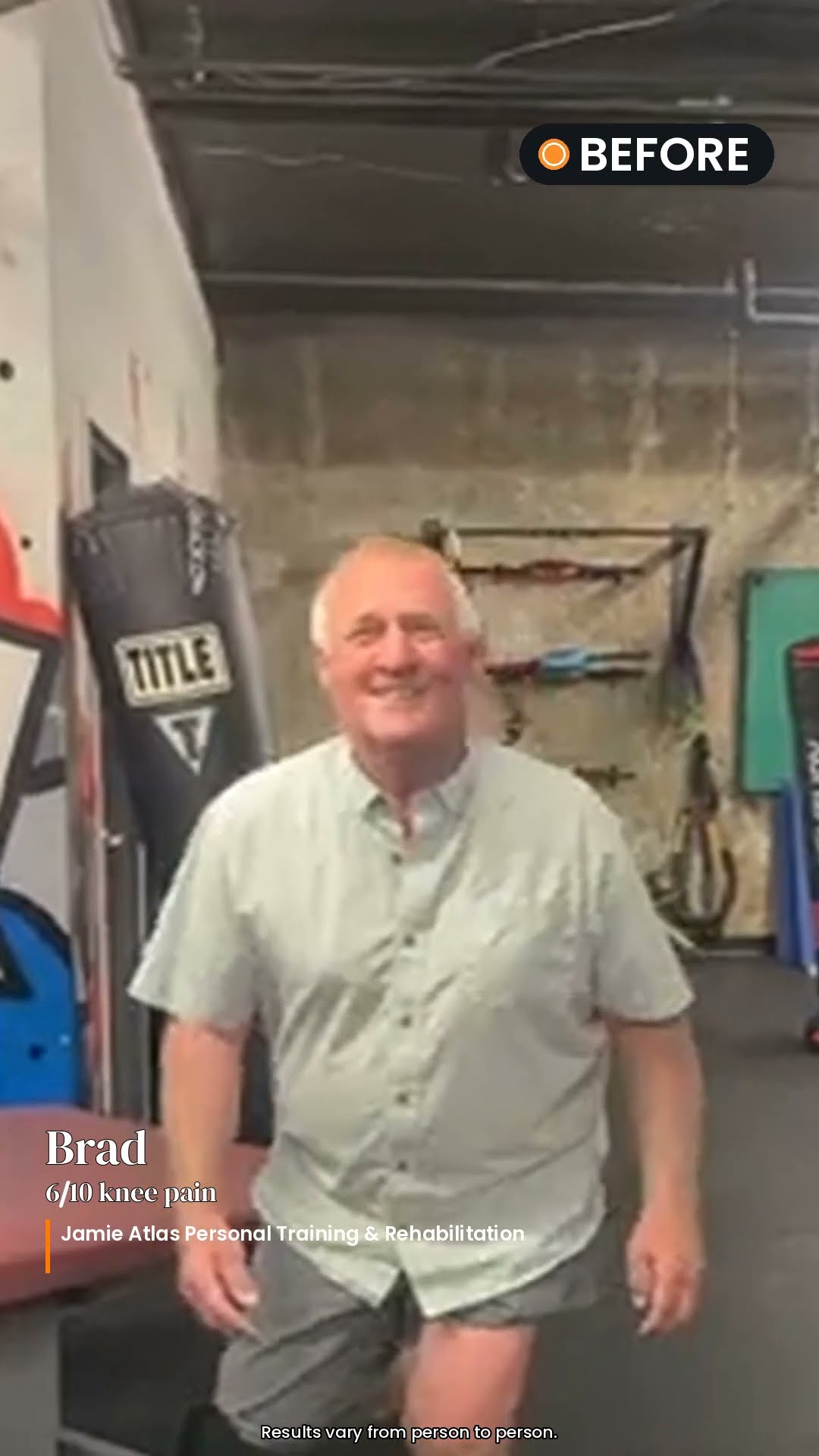 Play video: Knee Pain Relief in Denver: Brad Went From 6/10 to 1/10 After a Fall
Kendra Went From 7-8/10 to Zero in 20 to 30 Minutes
Results vary from person to person.
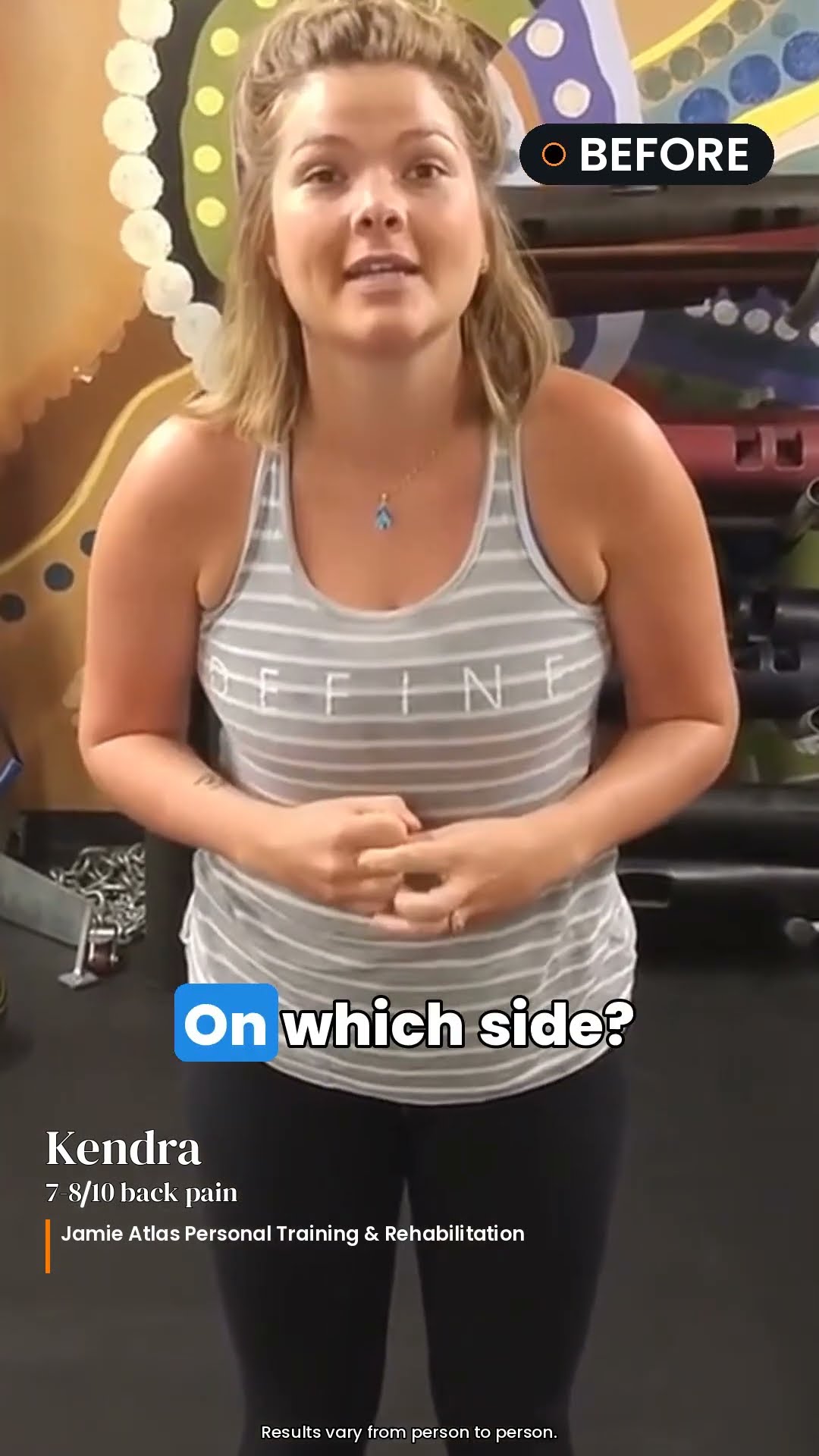 Play video: Back Pain Relief in Denver: Kendra Went From 7-8/10 to Zero in 20 to 30 Minutes
Jackie Went From 6/10 to 1/10 (First Time in 10 Years)
Results vary from person to person.
 Play video: Ankle Pain Relief in Denver: Jackie Went From 6/10 to 1/10 (First Time in 10 Years)
The careful advice makes sense, up to a point
The usual advice for a knee with a history goes like this. Rest it, protect it, stick to the easy runs, and maybe have a quiet word with yourself about whether skiing is still your sport.
It's not silly advice. The knee is the most injured part of the body in recreational skiing, about a third of all injuries (Posch and colleagues, Knee Surgery, Sports Traumatology, Arthroscopy, 2021). If your knee already has form, being careful feels like the grown-up choice.
A turn is a test your knee sits a few hundred times before lunch
Picture what a turn asks for. Most of your weight on the outside leg, the knee bent, the hips rotating, and the whole thing lowered under control and then driven back up. Your thigh and hip muscles are supposed to soak up that load, and whatever they can't absorb, the knee gets to keep.
Now picture a season of resting that knee. The muscles around it get smaller and weaker, so on the first day back there's less to absorb each turn and more left over for the joint.
The knee you protected all summer arrives less protected.
The research points the same way. A Cochrane review of 44 trials found that exercise reduces pain in knee arthritis (Fransen and colleagues, 2015). And in an Austrian study, 16 people with knee replacements skied about 80 days over three seasons with no implant loosening or extra wear at follow-up (Hofstaedter and colleagues, Scandinavian Journal of Medicine & Science in Sports, 2015). That one's small, and they skied intermediate runs at moderate speed, so read it as "this is possible", not as a promise about your knee.
We bubble-wrapped a generation of knees, me included
For about fifteen years I told people to work around the sore bit. Skip the squats, stay on the greens, ice it after. We kept knees like a Cabbage Patch Kid nobody was allowed to take out of the box, which kept them looking new and taught them nothing.
Isn't it a bit ridiculous that the standard plan for a knee you want to ski on was to stop asking it to do anything ski-shaped? I followed that plan with confidence, and so did most of my industry.
Which knee have you got?
The achy or arthritic knee
The most common one I see. Stiff on the stairs, grumbles after a long day, and a scan somewhere with the word "degenerative" on it that nobody explained. This knee usually does well with strength work, and the next-morning check below is your best guide to how much it will take.
The repaired knee (ACL or meniscus)
Your surgeon sets the return date, so start there. Two things from the research are worth knowing. In a study of 106 people after ACL reconstruction, each month they waited before returning to sport, up to nine months, cut the reinjury rate by 51%, and more even thigh strength between the two legs lowered it again (Grindem and colleagues, British Journal of Sports Medicine, 2016). Being signed off and being ready for a mogul field can be months apart, and that gap is where I do a lot of my work.
The replaced knee
Ask your surgeon first, every time. If you were a confident skier before, the study above says groomed intermediate runs at a sensible speed are a realistic goal. Bumps, jumps and powder that grabs a ski are a bigger conversation.
The knee that needs a doctor before it needs me
Hot or swollen, locking or catching, giving way under you, or hurt in the last few weeks. Get that looked at first. If it turns out it just needs training, I'm here.
Four checks before you buy the lift ticket
These are the checks I'd run with you in the studio. They show one thing, whether your legs are ready to share the load, and they don't replace a doctor's opinion.
1. The slow sit-down
Sit down onto a chair from one leg, slowly, ten times each side. Hands across your chest. Stand up however you like.
That's the lowering half of a turn. If the knee dives inward or you drop the last few inches, the turn will find the same gap.
2. The stair step-down
Stand on the bottom stair and lower the other heel to the floor, slowly, ten times each side. Tap the heel, don't land on it.
Skiing is mostly controlled lowering. This shows whether your thigh muscles can do it on one leg without the knee taking over.
3. The tuck hold
Feet hip-width, knees bent like you are skiing a groomer, hold for 60 seconds. Rest, then do it twice more.
Long runs are endurance under a bent knee. If your thighs are on fire at 30 seconds, the third run of the morning is going to be a negotiation.
4. The next-morning check
After any of these, notice how the knee feels when you get up the next day. Same as usual, or a little stiff that loosens in ten minutes, is fine.
This is the most useful test of the lot. A knee that's worse the next morning is telling you the dose was too big, which is far cheaper to learn on a stair than on Mary Jane.
If one of these falls short, that's your training list for the next six weeks. The ski squats are where I'd start.
Your first day back
Ski groomers. Make it a half day. Take your last run while you still want another one, because tired legs hand the load to the knee and most of us pick our worst runs at three in the afternoon.
Habits count as much as strength. When Ettlinger and colleagues taught ski patrollers and instructors to spot and avoid the moments where knees get hurt, serious knee sprains fell by 62% (American Journal of Sports Medicine, 1995). Build the legs at home, and bring the good habits up the hill.
What skiers ask me about their knees
Can you ski with bad knees?
Most people can. What decides it is whether your legs can absorb the load of a turn, again and again, without the knee flaring for days afterwards. You can test that at home before the season and train it if it falls short. Get a doctor's opinion first if the knee is swollen, locks, gives way, or was injured in the last few weeks.
Can I ski with arthritis in my knee?
Often, yes. A Cochrane review of 44 trials found exercise reduces knee arthritis pain, and the legs that come out of that work are the same legs that carry you through a turn. Start on groomers, keep the first days short, and judge each day by how the knee feels the next morning.
Can you ski after a knee replacement?
Many people do. In one Austrian study, 16 people with knee replacements skied about 80 days over three seasons and showed no implant loosening or extra wear at follow-up. It's a small study, the skiing was on intermediate runs at moderate speed, and your surgeon has the final say for your knee.
How long after ACL surgery can I ski?
Your surgeon sets the date. The research is clear that waiting helps: in a study of 106 people after ACL reconstruction, every month they waited before returning to sport, up to nine months, cut their reinjury rate by 51%. Getting the thigh muscles on the operated leg close to the other side's strength lowered it too.
When should I see a doctor before skiing?
If the knee is hot or swollen, locks or catches, gives way under you, or the injury happened in the last few weeks. Those need a medical look first. A knee that's just stiff, achy or untrusted after rest is the kind I see most, and it usually needs training more than it needs protecting.
So here's the question worth asking: can your legs carry the turn? That's something you can measure, train and check again in six weeks.
And once you've seen your legs as the driver and your knee as the passenger, wrapping the knee up and hoping for the best never looks like the safe option again.
Yours in health,
Jamie Atlas
PS More on the season: ski conditioning in Denver, training around knee pain and getting back to sport after surgery.
Want to know where your knee stands before the season?
A 30-minute assessment session, $57. We run the checks together, I give you my plain read on whether I can help, and a clear plan if I can.
Book me in for my first session nowOr call (303) 625-9446 · Ski conditioning in Denver