
Resources · Revisited
I told Denver to stop doing burpees. Here's what twelve years changed.
In December 2013 The Denver Post ran a column of mine with the headline Burpees: the exercise you should never do again. It got eight comments, most of them telling me I was wrong. Some of them were right — and the part I got most wrong is the part I now spend my working life correcting.
“I picked up my daughter and my neck went numb”
— Monique, 4 weeks of 7/10 neck painYour results may vary.
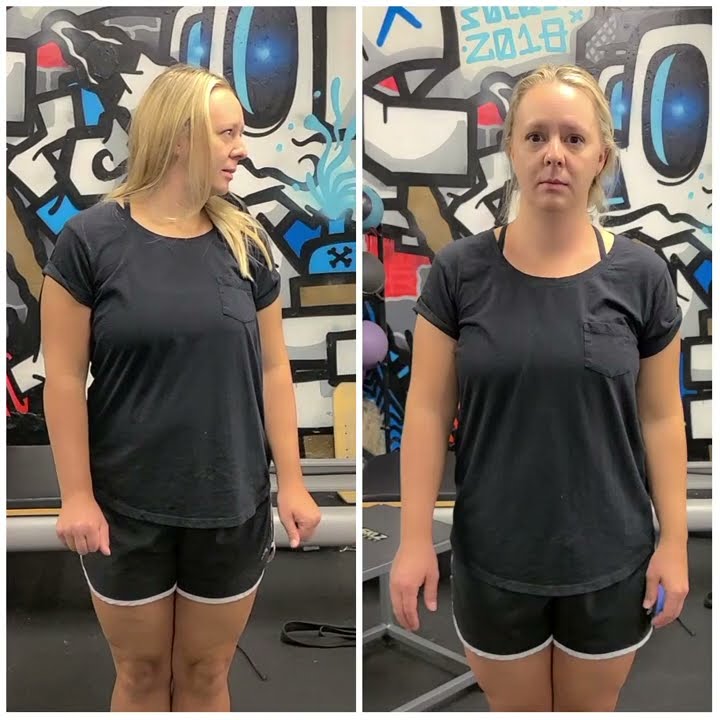 Play video: Client testimonial: Monique, 4 weeks of neck pain rated 7/10
 “I tried a new move in yoga. I woke up the next morning and couldn't move my neck”
— Danielle, 6 weeks of 7/10 neck painYour results may vary.
 Play video: Client testimonial: Danielle, 6 weeks of neck pain rated 7/10
 “After 3 years I didn't think anyone could help me fix my neck”
— Sandy, 3 years of 8/10 neck painYour results may vary.
 Play video: Client testimonial: Sandy, 3 years of neck pain rated 8/10
 “My office job means my neck is in constant pain, nothing seems to help”
— Natasha, 4 weeks of 7/10 neck painYour results may vary.
 Play video: Client testimonial: Natasha, 4 weeks of neck pain rated 7/10
 “It's too hard to get in shape when I've had knee pain ever since I can remember”
— Cindy, a lifetime of 6/10 knee painYour results may vary.
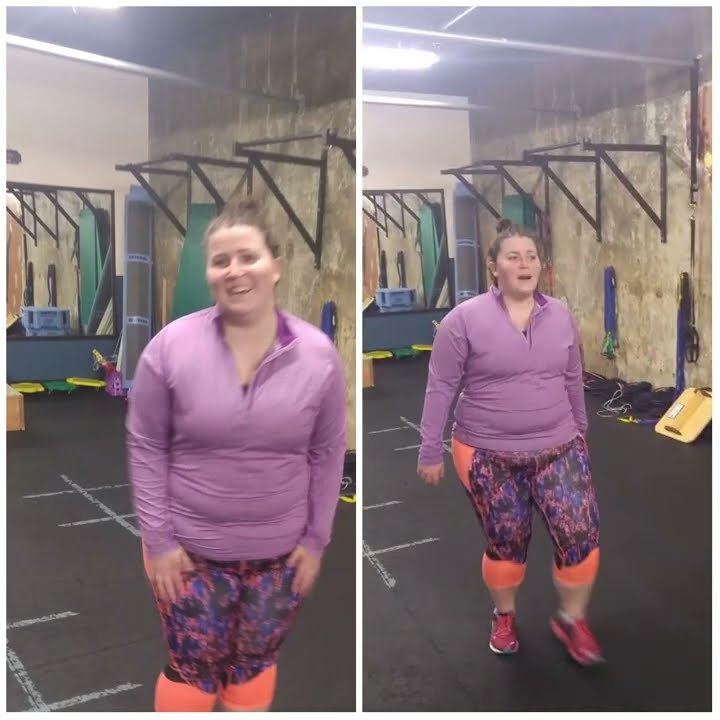 Play video: Client testimonial: Cindy, a lifetime of knee pain rated 6/10
 “I tore my ACL in an MMA match and haven't been able to train since”
— Meghan, 4/10 knee pain after an ACL tearYour results may vary.
 Play video: Client testimonial: Meghan, knee pain after an ACL tear, 4 out of 10 down to 0
 “After my fall my knee was in pain and I couldn't stand on one leg”
— Brad, 6 months of 6/10 knee painYour results may vary.
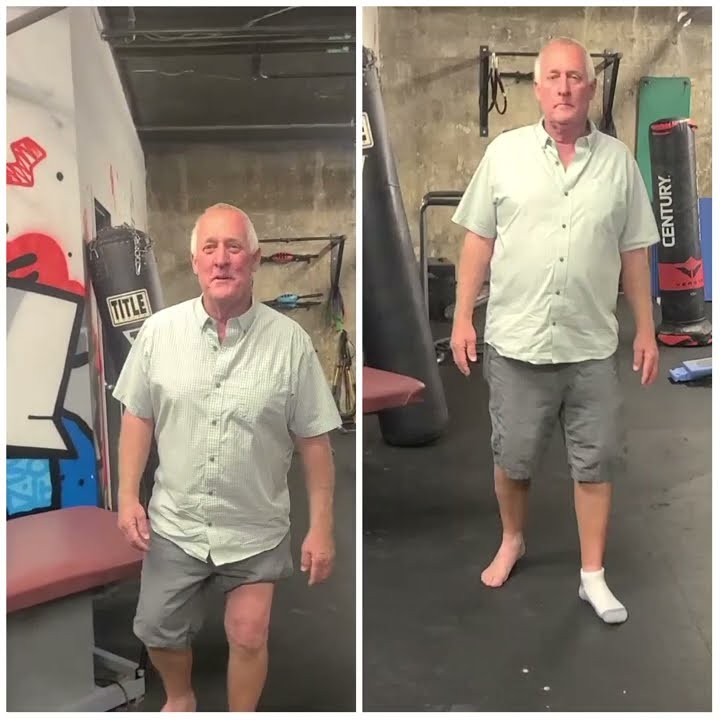 Play video: Client testimonial: Brad, 6 months of knee pain rated 6/10
 “I got surgery on my shoulder 2 years ago and have been getting rolfing and PT”
— Samantha, 5 years of 7/10 shoulder painYour results may vary.
 Play video: Client testimonial: Samantha, 5 years of shoulder pain rated 7/10
 “My shoulder numbness and tingling was so bad I drove 2 hours to see Jamie Atlas”
— Heather, 6 weeks of 10/10 shoulder nerve painYour results may vary.
 Play video: Client testimonial: Heather, 6 weeks of shoulder nerve pain rated 10/10
 “I've been in physical therapy for 6 months and I'm stalled on my results”
— Judy, 6 months of 10/10 shoulder painYour results may vary.
 Play video: Client testimonial: Judy, 6 months of shoulder pain rated 10/10
 “My shoulder pain meant I couldn't take my shirt on or off without hurting”
— Sharon, 4 months of 6/10 shoulder painYour results may vary.
 Play video: Client testimonial: Sharon, 4 months of shoulder pain rated 6/10
 “3 surgeries over 10 years and I still can't get my shoulder above my head”
— Clay, 10 years of 7/10 shoulder painYour results may vary.
 Play video: Client testimonial: Clay, 10 years of shoulder pain rated 7/10
 “Taking my dog for a walk he pulled on my shoulder and now it hurts to move”
— Kendall, 2 weeks of 6/10 shoulder painYour results may vary.
 Play video: Client testimonial: Kendall, 2 weeks of shoulder pain rated 6/10
 “I was squatting at the gym when I felt a pop and my leg went numb”
— Kelly, 12 months of 8/10 back painYour results may vary.
 Play video: Client testimonial: Kelly, 12 months of back pain rated 8/10
 “After the car accident the hospital said I was fine but my back pain says otherwise”
— Dax, 5 days of 10/10 back painYour results may vary.
 Play video: Client testimonial: Dax, 5 days of back pain rated 10/10
 “Playing football has left me with constant back pain that I can't get rid of”
— Matthew, 7 weeks of 7/10 back painYour results may vary.
 Play video: Client testimonial: Matthew, 7 weeks of back pain rated 7/10
 “I went to Pilates to fix my back but it ended up making it worse”
— Colleen, 8 weeks of 7/10 back painYour results may vary.
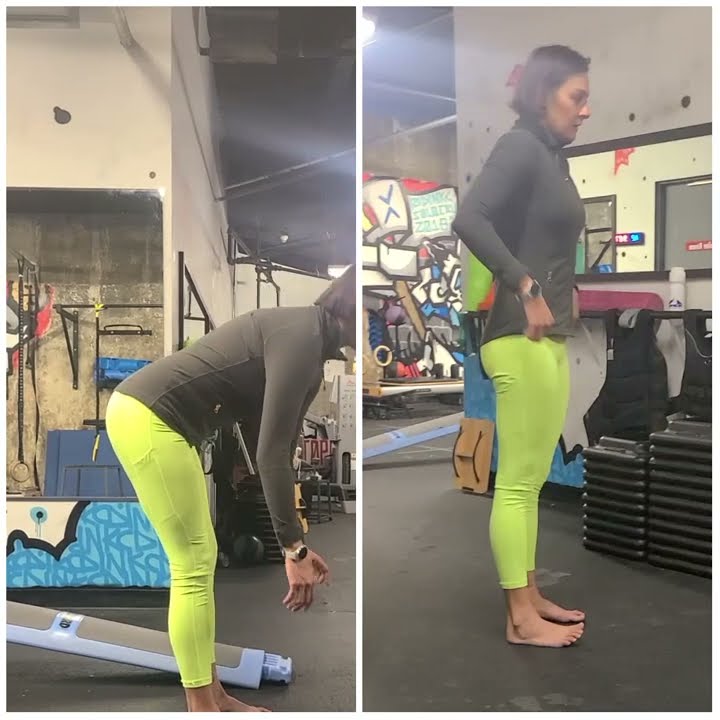 Play video: Client testimonial: Colleen, 8 weeks of back pain rated 7/10
 “I was thrown from a horse and couldn't bend over without pain”
— Katrina, 4 weeks of 6/10 back painYour results may vary.
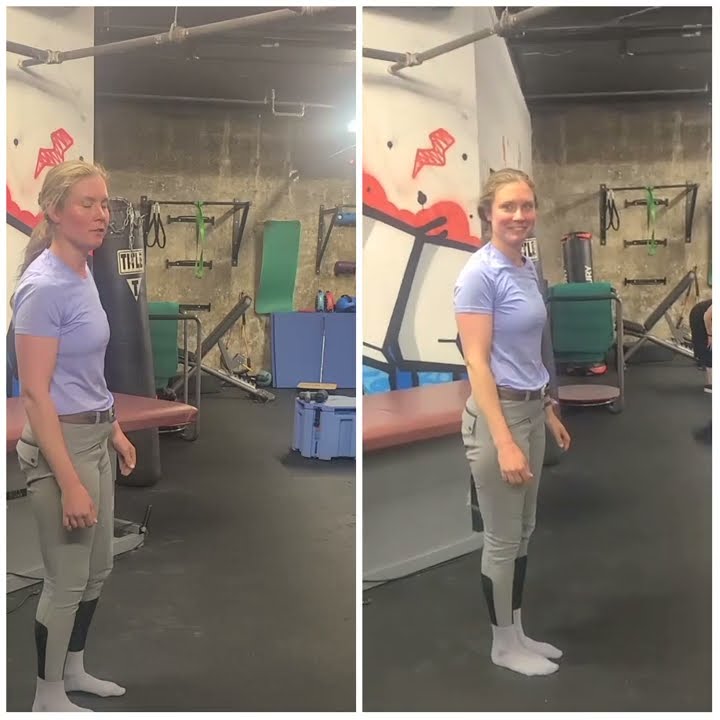 Play video: Client testimonial: Katrina, 4 weeks of back pain rated 6/10
 “This 9/10 back pain is stopping me from sleeping at night”
— Alexis, 2 months of 10/10 back painYour results may vary.
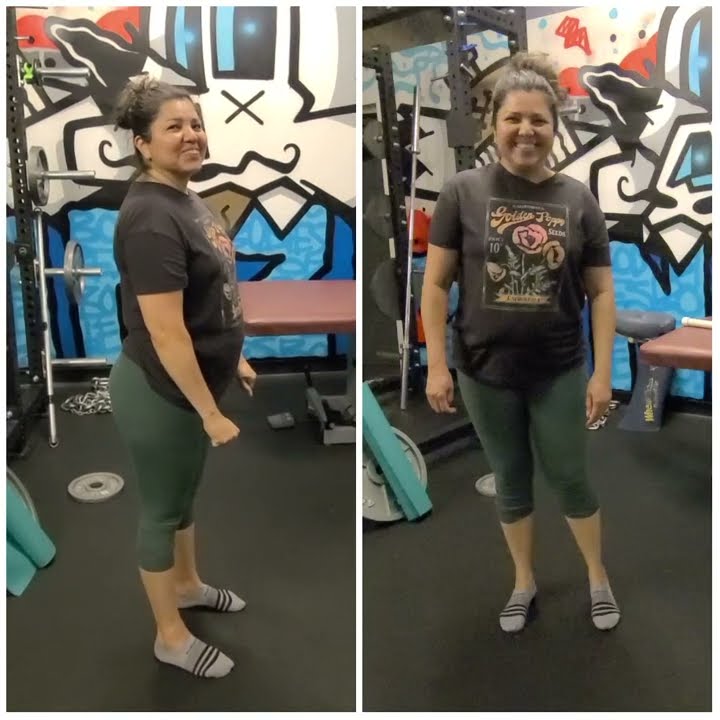 Play video: Client testimonial: Alexis, 2 months of back pain rated 10/10
 “My back pain is so bad I can't put on my shoes”
— Penelope, 5 weeks of 7/10 back painYour results may vary.
 Play video: Client testimonial: Penelope, 5 weeks of back pain rated 7/10
 “Living with back pain has me living at a 7/10 pain that I can't find relief from”
— Chris, 8 weeks of 7/10 back painYour results may vary.
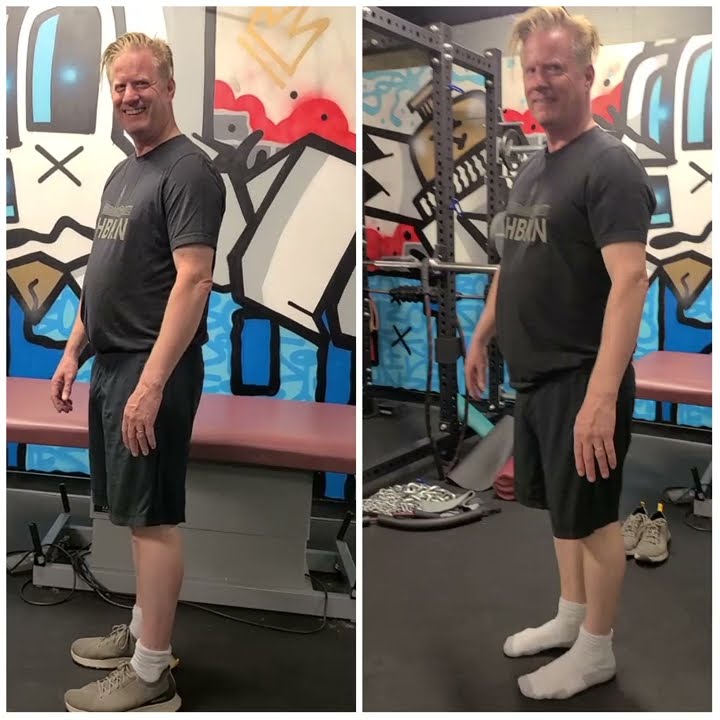 Play video: Client testimonial: Chris, 8 weeks of back pain rated 7/10
 “I have a herniated L4/L5 and my sciatic pain feels like a screwdriver in my back”
— Kendra, 2 years of shooting sciatic painYour results may vary.
 Play video: Client testimonial: Kendra, two years of shooting sciatic pain resolved
 “The doctor told me my spondylolisthesis back pain could only be cured with surgery”
— Tony, 2 weeks of lightning-bolt back painYour results may vary.
 Play video: Client testimonial: Tony, two weeks of severe back pain down to 1 out of 10
 What I got right
The burpee was invented in the 1930s by Royal H. Burpee as a test — a short assessment of agility and coordination, scored over about twenty seconds. Eight was a poor result. Thirteen was excellent. One set, and you were done.
It was never designed as a daily staple, and that distinction still matters. Somewhere between the 1930s and the modern group class, a twenty-second assessment turned into a hundred repetitions on a Tuesday. A test and a training tool are different objects. Using one as the other is how a reasonable movement becomes an unreasonable dose.
I also still think it's a poor default for most people who walk into a gym. Not because it's dangerous — I'll come back to that — but because it demands hip and ankle range that a lot of desk-bound bodies simply don't have available yet, and it demands it fast, repeatedly, while tired. There are better first choices.
What I got wrong
One commenter wrote that making absolutist claims without evidence was a reason to ignore me. He had a point. I wrote never, and never was not something I could support.
Another said he'd done ten thousand burpees in a month for a fundraiser with no ill effects, and that the fault was in how I'd described the movement. Also fair. A well-organised burpee, performed by someone with the range to do it and at a dose their tissue is prepared for, is not a threat to anybody's knees.
But the thing I got most wrong wasn't about burpees at all. It was the framing.
The part I'd take back
I told a general audience that a common exercise would wreck the two body parts they were most afraid of damaging. I used words like imminent injury. I said they'd miss their knees when they were gone.
In the years since, I trained in Cognitive Functional Therapy, and the central thing it taught me is that what people believe about movement changes how their body responds to it. Someone who believes bending is dangerous braces before they bend. The bracing itself becomes the problem. Fear of a movement reliably makes that movement worse, and the fear usually arrived from somewhere — a scan, a clinician's throwaway line, an article by a confident trainer.
I now spend most of my week unpicking exactly that in people who've been told their spine is crumbling or their knees are bone-on-bone. And in 2013 I was writing the sort of thing that puts it there. That's an uncomfortable thing to notice about your own back catalogue, and it's the honest reason this page exists.
So — should you do burpees?
If you enjoy them and they don't leave a lasting flare: yes. Keep them. Watch the dose rather than the exercise. Form that holds for eight reps and falls apart by twenty means your working set is closer to eight.
If they leave your knees or back sore for days: change the version, not the plan. Step the feet back instead of flinging them. Put your hands on a bench to shorten the range. Slow the descent. All three reduce the demand without removing the movement — which matters, because removing movements is how people end up with a shorter and shorter list of things they trust their body to do.
If you're doing them because a class told you to and you hate every second: that's a fine reason to stop. The conditioning effect isn't unique to burpees. Intervals of anything you can perform well while tired will do the same job. If your ankles or hips are the limiting factor, the glute work and balance progressions are a better use of the same twenty minutes.
When it isn't about the exercise
Pain that persists for months, wakes you at night, radiates down a limb, or comes with numbness or weakness is a different conversation and should be assessed properly — not trained around and not simply avoided.
But the more common story in my studio isn't a damaged knee. It's someone who has quietly stopped doing fifteen things, each for a sensible-sounding reason, and now moves through a life that has narrowed around them. That's the pattern Cognitive Functional Therapy is built for, and it's why I'd write that 2013 column very differently today.
Common questions
Are burpees bad for your knees and back?
Not inherently. The load in a burpee is well within what a healthy knee and spine tolerate. The problems come from dose and context — hundreds of fast repetitions, performed while fatigued, by someone whose hips and ankles do not have the range the movement asks for. That combination is what produces the aching knee and the stiff back, not the exercise itself. A burpee done twelve times as a test is a very different thing from a burpee done two hundred times as a daily staple.
What should I do instead of burpees?
It depends what you wanted from them. For the conditioning effect, intervals of anything you can perform with good form under fatigue will do — the burpee is not special. For the get-down-and-up-fast skill, keep the pattern but step the feet back rather than flinging them, or start with your hands on a bench to shorten the range. If it is the challenge you like, keep burpees and cut the reps until form holds throughout.
Should I stop doing an exercise that hurts?
Stop doing the version that hurts — which is rarely the same as stopping altogether. Pain during a movement is information about how your body is currently interpreting that load, not proof of damage. The more useful question is what version you can do without a lasting flare, then how to build from there. Complete avoidance tends to shrink what you can do over time, which is its own problem.
The original column ran as a guest post on The Denver Post's Colorado Fit blog, 2 December 2013. The blog has since been retired; the link goes to the archived copy. More on the press page.
How short has your list of safe movements got?
A 30-minute assessment, $57: your history, my plain read on whether I can help, and one change you can measure before you leave.
Book a 30-minute assessmentOr call (720) 257-9328 · Back pain · Knee pain