
Resources · Strength
Glute exercises: the missing piece in most back and knee stories
When a back or knee keeps complaining and nothing found at the sore spot explains it, I look one joint over. The glutes are where lower-body problems hide their cause — and where a lot of them end.
“I picked up my daughter and my neck went numb”
— Monique, 4 weeks of 7/10 neck painYour results may vary.
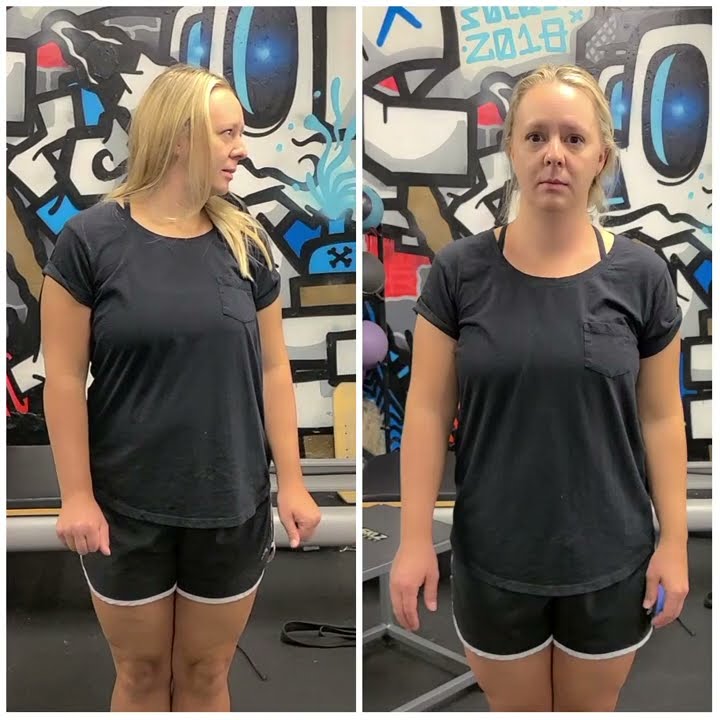 Play video: Client testimonial: Monique, 4 weeks of neck pain rated 7/10
 “I tried a new move in yoga. I woke up the next morning and couldn't move my neck”
— Danielle, 6 weeks of 7/10 neck painYour results may vary.
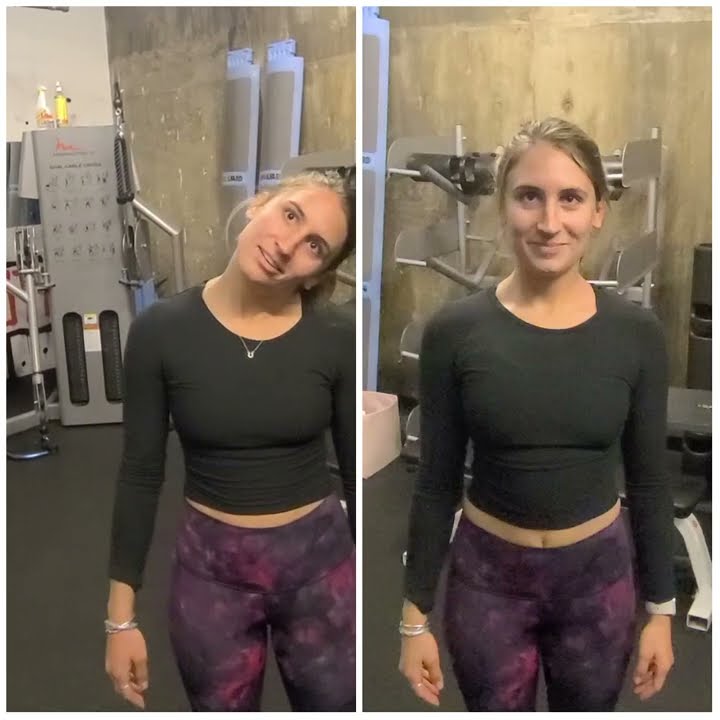 Play video: Client testimonial: Danielle, 6 weeks of neck pain rated 7/10
 “After 3 years I didn't think anyone could help me fix my neck”
— Sandy, 3 years of 8/10 neck painYour results may vary.
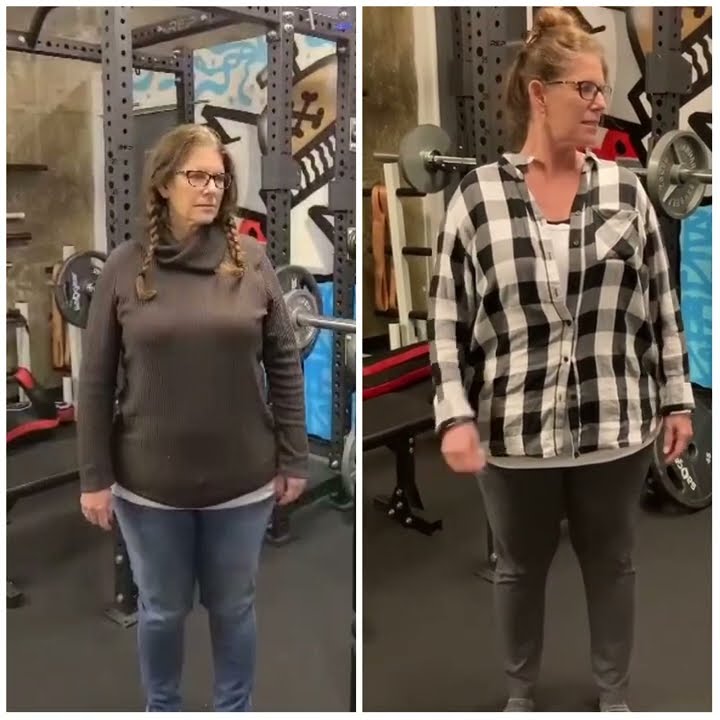 Play video: Client testimonial: Sandy, 3 years of neck pain rated 8/10
 “My office job means my neck is in constant pain, nothing seems to help”
— Natasha, 4 weeks of 7/10 neck painYour results may vary.
 Play video: Client testimonial: Natasha, 4 weeks of neck pain rated 7/10
 “It's too hard to get in shape when I've had knee pain ever since I can remember”
— Cindy, a lifetime of 6/10 knee painYour results may vary.
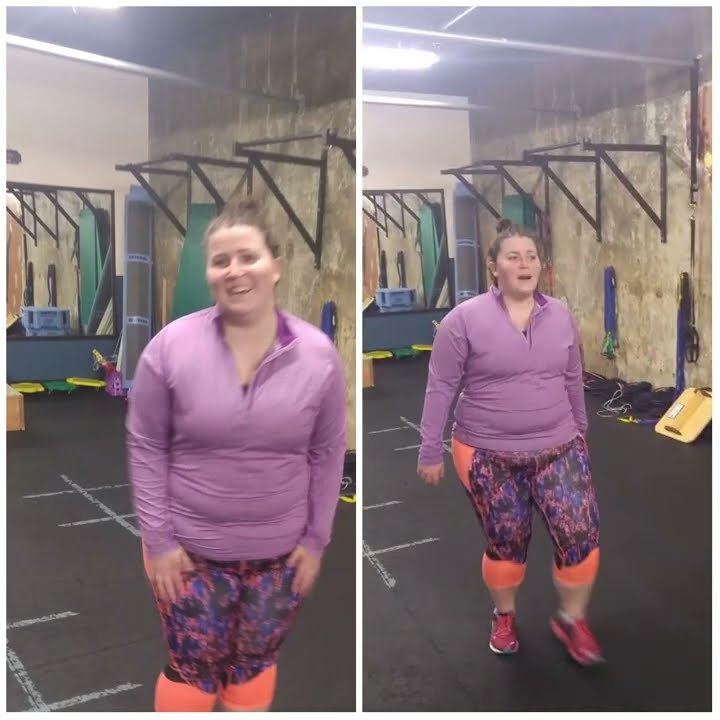 Play video: Client testimonial: Cindy, a lifetime of knee pain rated 6/10
 “I tore my ACL in an MMA match and haven't been able to train since”
— Meghan, 4/10 knee pain after an ACL tearYour results may vary.
 Play video: Client testimonial: Meghan, knee pain after an ACL tear, 4 out of 10 down to 0
 “After my fall my knee was in pain and I couldn't stand on one leg”
— Brad, 6 months of 6/10 knee painYour results may vary.
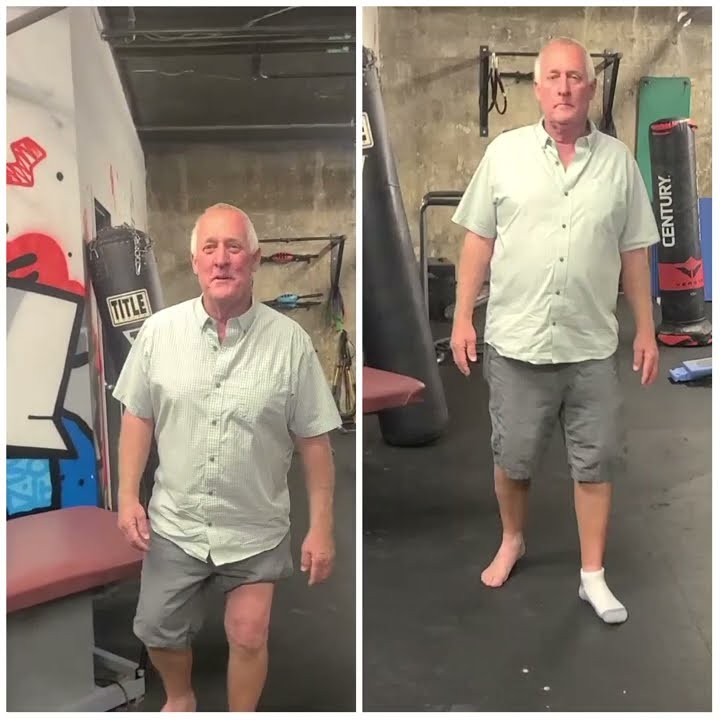 Play video: Client testimonial: Brad, 6 months of knee pain rated 6/10
 “I got surgery on my shoulder 2 years ago and have been getting rolfing and PT”
— Samantha, 5 years of 7/10 shoulder painYour results may vary.
 Play video: Client testimonial: Samantha, 5 years of shoulder pain rated 7/10
 “My shoulder numbness and tingling was so bad I drove 2 hours to see Jamie Atlas”
— Heather, 6 weeks of 10/10 shoulder nerve painYour results may vary.
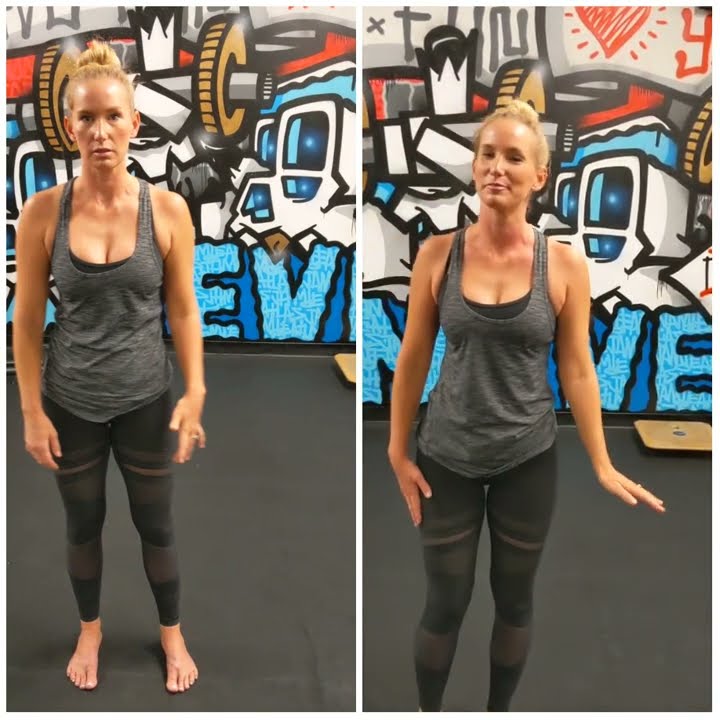 Play video: Client testimonial: Heather, 6 weeks of shoulder nerve pain rated 10/10
 “I've been in physical therapy for 6 months and I'm stalled on my results”
— Judy, 6 months of 10/10 shoulder painYour results may vary.
 Play video: Client testimonial: Judy, 6 months of shoulder pain rated 10/10
 “My shoulder pain meant I couldn't take my shirt on or off without hurting”
— Sharon, 4 months of 6/10 shoulder painYour results may vary.
 Play video: Client testimonial: Sharon, 4 months of shoulder pain rated 6/10
 “3 surgeries over 10 years and I still can't get my shoulder above my head”
— Clay, 10 years of 7/10 shoulder painYour results may vary.
 Play video: Client testimonial: Clay, 10 years of shoulder pain rated 7/10
 “Taking my dog for a walk he pulled on my shoulder and now it hurts to move”
— Kendall, 2 weeks of 6/10 shoulder painYour results may vary.
 Play video: Client testimonial: Kendall, 2 weeks of shoulder pain rated 6/10
 “I was squatting at the gym when I felt a pop and my leg went numb”
— Kelly, 12 months of 8/10 back painYour results may vary.
 Play video: Client testimonial: Kelly, 12 months of back pain rated 8/10
 “After the car accident the hospital said I was fine but my back pain says otherwise”
— Dax, 5 days of 10/10 back painYour results may vary.
 Play video: Client testimonial: Dax, 5 days of back pain rated 10/10
 “Playing football has left me with constant back pain that I can't get rid of”
— Matthew, 7 weeks of 7/10 back painYour results may vary.
 Play video: Client testimonial: Matthew, 7 weeks of back pain rated 7/10
 “I went to Pilates to fix my back but it ended up making it worse”
— Colleen, 8 weeks of 7/10 back painYour results may vary.
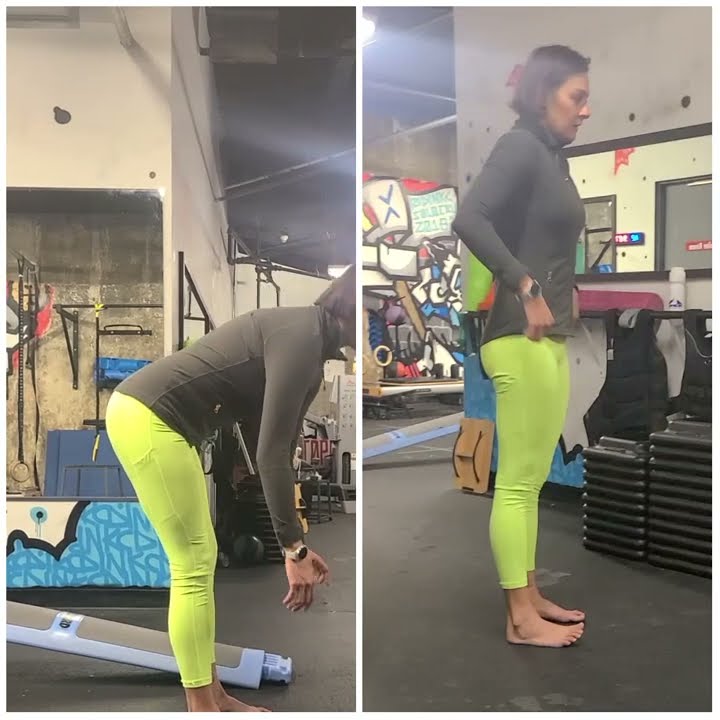 Play video: Client testimonial: Colleen, 8 weeks of back pain rated 7/10
 “I was thrown from a horse and couldn't bend over without pain”
— Katrina, 4 weeks of 6/10 back painYour results may vary.
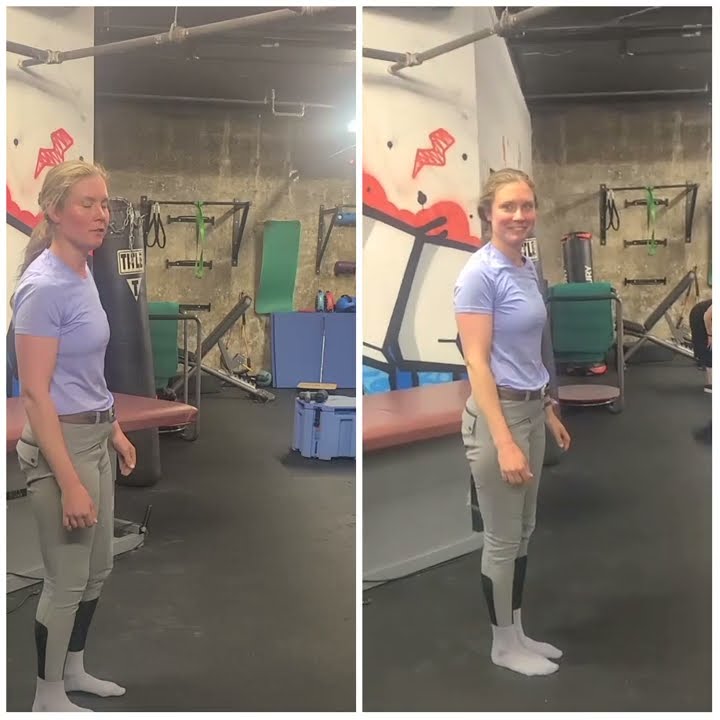 Play video: Client testimonial: Katrina, 4 weeks of back pain rated 6/10
 “This 9/10 back pain is stopping me from sleeping at night”
— Alexis, 2 months of 10/10 back painYour results may vary.
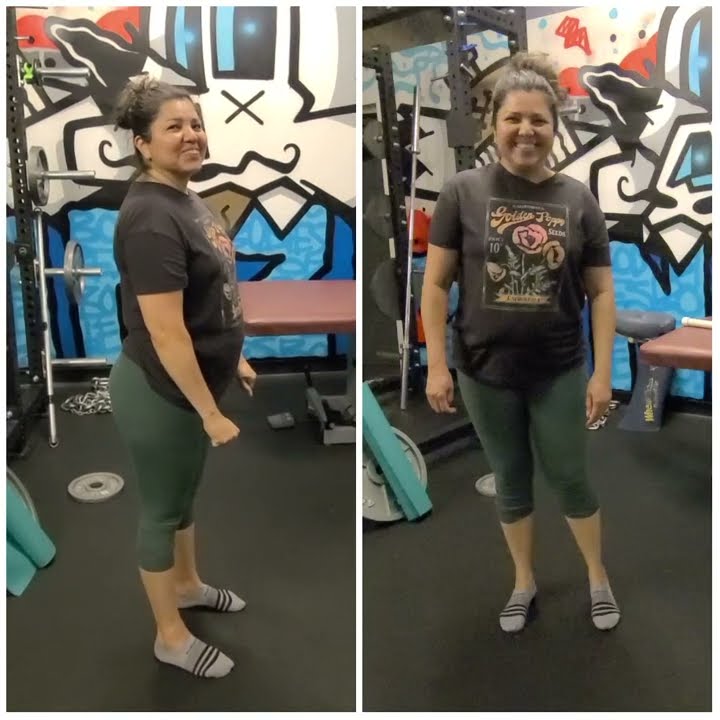 Play video: Client testimonial: Alexis, 2 months of back pain rated 10/10
 “My back pain is so bad I can't put on my shoes”
— Penelope, 5 weeks of 7/10 back painYour results may vary.
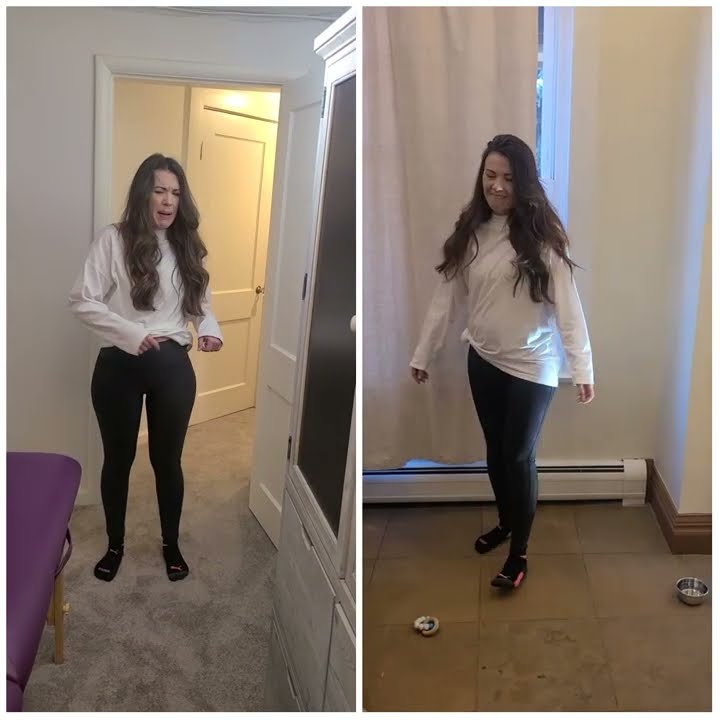 Play video: Client testimonial: Penelope, 5 weeks of back pain rated 7/10
 “Living with back pain has me living at a 7/10 pain that I can't find relief from”
— Chris, 8 weeks of 7/10 back painYour results may vary.
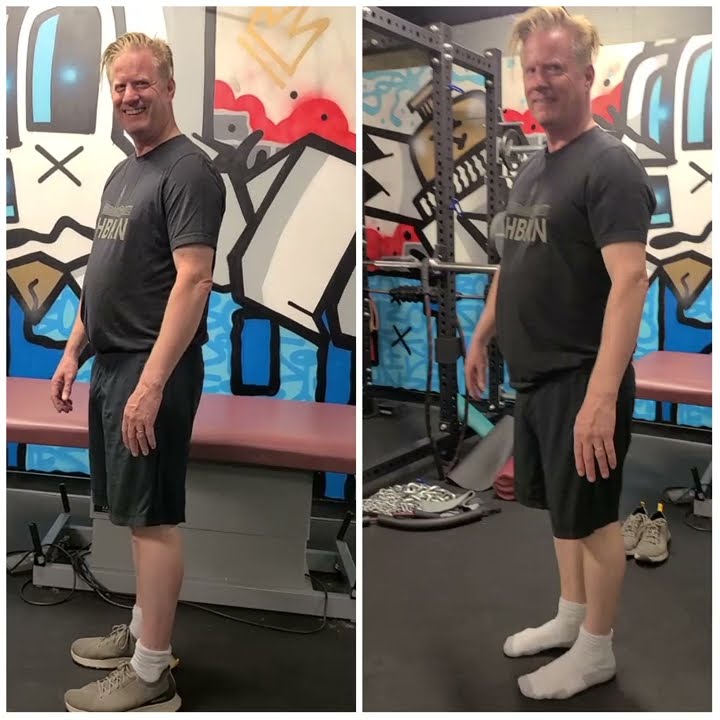 Play video: Client testimonial: Chris, 8 weeks of back pain rated 7/10
 “I have a herniated L4/L5 and my sciatic pain feels like a screwdriver in my back”
— Kendra, 2 years of shooting sciatic painYour results may vary.
 Play video: Client testimonial: Kendra, two years of shooting sciatic pain resolved
 “The doctor told me my spondylolisthesis back pain could only be cured with surgery”
— Tony, 2 weeks of lightning-bolt back painYour results may vary.
 Play video: Client testimonial: Tony, two weeks of severe back pain down to 1 out of 10
 Watch the segment
Three glute exercises worth adding to your workout, from my 9NEWS years.
 Play video: 3 glute exercises to add to your workout — 9NEWS
 Angles, not just squeezing
Muscles work like cables — they pull along the line their fibers run. Your biceps run more or less straight, which is why a simple curl trains them well. Glute fibers wrap the hip at close to forty-five degrees. Train them only with straight-ahead movements — squats, lunges, leg presses — and a large share of the muscle never gets the memo. Add angle and rotation, and suddenly you are training the part that catches you on stairs, on ice, and coming out of a ski turn.
This is why glute training shows up in every sport article on this site: the rotational ski squat, the hiking descent work, the golf swing's trail-hip coil. Same muscle, same principle, different costume.
And it is why glutes appear so often in pain stories. Sitting shortens and quiets them; pain inhibits them further; and the lower back and knees inherit their unfinished work — for years, sometimes, before anyone asks the hips what they have been doing. If your back is the part that has been complaining, the chronic back pain page picks up this thread properly.
Common questions
Why do glutes matter if my problem is my back or my knees?
Because the glutes are the shock absorbers and force producers for the whole lower half. When they under-deliver — from long sitting, old habits or pain-related shutdown — the work does not disappear; it gets re-billed to the lower back above and the knees below. A large share of the "mystery" back and knee complaints I see improve when the hips start doing their share again.
What is the best glute exercise?
The one that loads the fibers you are missing. Glute fibers wrap the hip at roughly forty-five degrees, so straight-ahead movements only train part of the muscle. A useful trio covers three demands: a hinge or bridge for pure extension, a single-leg movement for stability under real-life loading, and something rotational or angled — because that is the range daily life and sport actually use.
I squeeze my glutes all day like I was told. Is that enough?
Conscious clenching is not training — muscles adapt to progressive load through range, not to being politely tensed at a desk. A few focused sets a couple of times a week, getting gradually harder, does more than a thousand daily squeezes. If squeezing was prescribed because your glutes "don’t fire," know that they almost certainly do — they may just be weak, and weakness has a well-marked exit.
Suspect your hips have been mailing it in?
A 30-minute assessment, $57: your history, my plain read on whether I can help, and one change you can measure before you leave.
Book a 30-minute assessmentOr call (720) 257-9328 · Read about chronic back pain