
Resources · Hiking
Hiking conditioning: it's the downhills that get you
Everyone trains for the climb. Then the summit photo gets taken, the descent starts, and two hours later a pair of knees files a formal complaint. Colorado hiking is a braking sport — and braking is trainable.
“I picked up my daughter and my neck went numb”
— Monique, 4 weeks of 7/10 neck painYour results may vary.
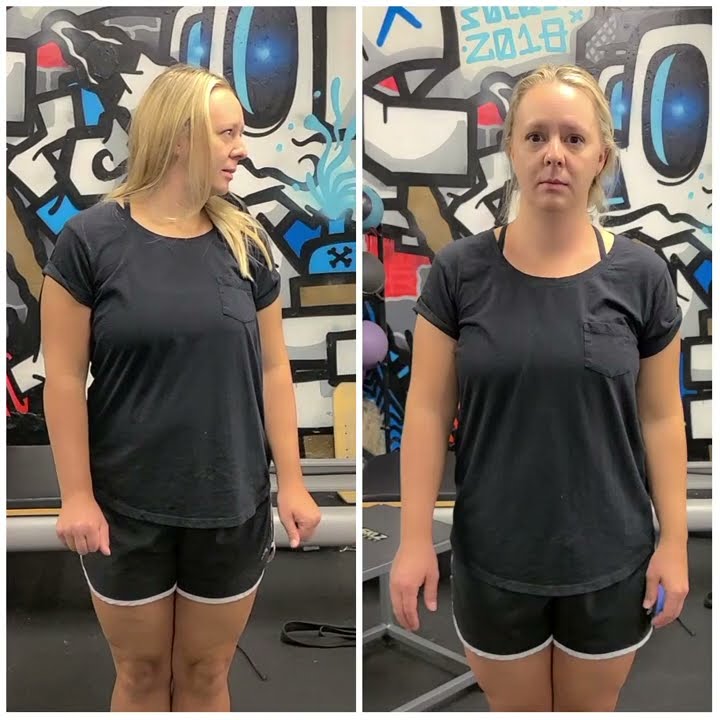 Play video: Client testimonial: Monique, 4 weeks of neck pain rated 7/10
 “I tried a new move in yoga. I woke up the next morning and couldn't move my neck”
— Danielle, 6 weeks of 7/10 neck painYour results may vary.
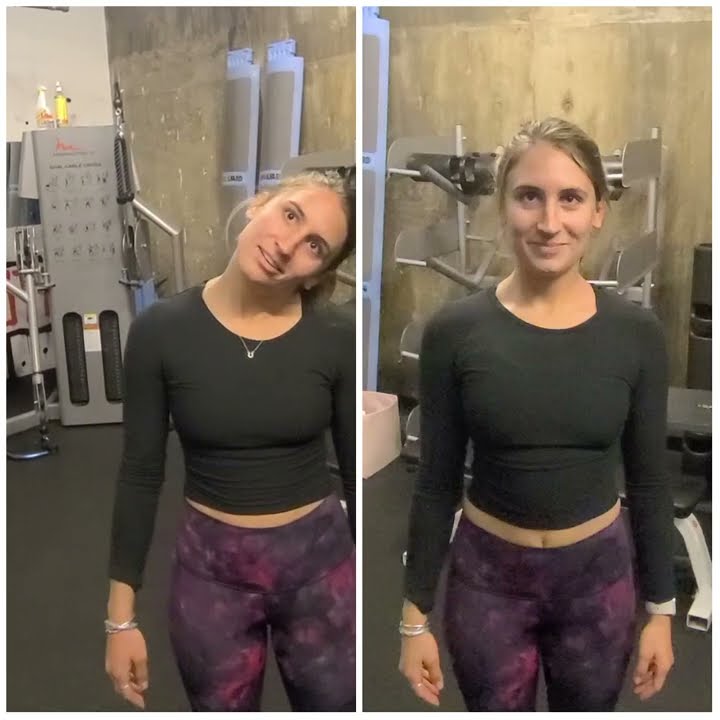 Play video: Client testimonial: Danielle, 6 weeks of neck pain rated 7/10
 “After 3 years I didn't think anyone could help me fix my neck”
— Sandy, 3 years of 8/10 neck painYour results may vary.
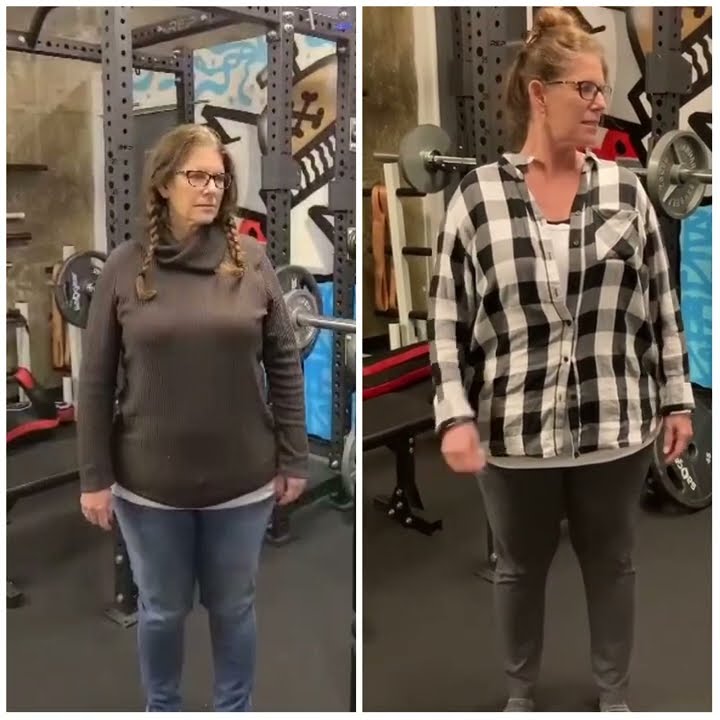 Play video: Client testimonial: Sandy, 3 years of neck pain rated 8/10
 “My office job means my neck is in constant pain, nothing seems to help”
— Natasha, 4 weeks of 7/10 neck painYour results may vary.
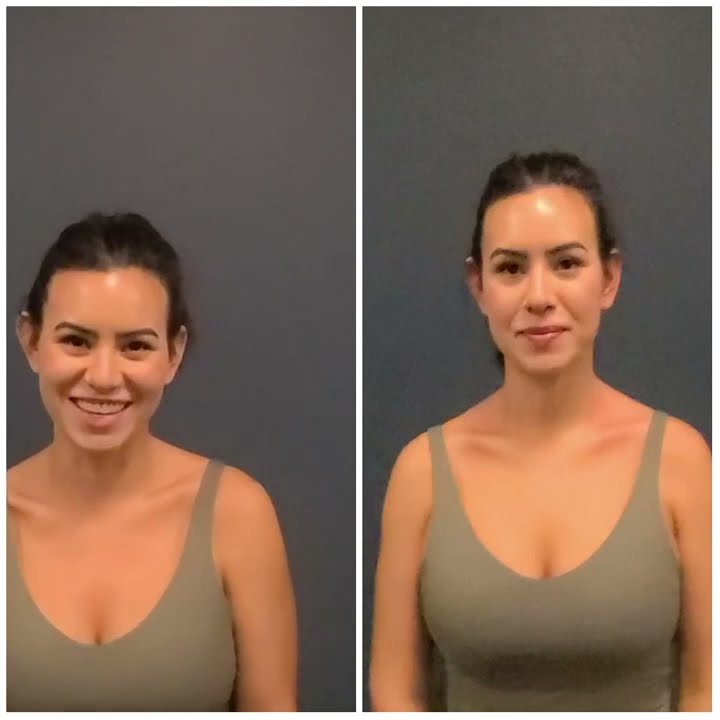 Play video: Client testimonial: Natasha, 4 weeks of neck pain rated 7/10
 “It's too hard to get in shape when I've had knee pain ever since I can remember”
— Cindy, a lifetime of 6/10 knee painYour results may vary.
 Play video: Client testimonial: Cindy, a lifetime of knee pain rated 6/10
 “I tore my ACL in an MMA match and haven't been able to train since”
— Meghan, 4/10 knee pain after an ACL tearYour results may vary.
 Play video: Client testimonial: Meghan, knee pain after an ACL tear, 4 out of 10 down to 0
 “After my fall my knee was in pain and I couldn't stand on one leg”
— Brad, 6 months of 6/10 knee painYour results may vary.
 Play video: Client testimonial: Brad, 6 months of knee pain rated 6/10
 “I got surgery on my shoulder 2 years ago and have been getting rolfing and PT”
— Samantha, 5 years of 7/10 shoulder painYour results may vary.
 Play video: Client testimonial: Samantha, 5 years of shoulder pain rated 7/10
 “My shoulder numbness and tingling was so bad I drove 2 hours to see Jamie Atlas”
— Heather, 6 weeks of 10/10 shoulder nerve painYour results may vary.
 Play video: Client testimonial: Heather, 6 weeks of shoulder nerve pain rated 10/10
 “I've been in physical therapy for 6 months and I'm stalled on my results”
— Judy, 6 months of 10/10 shoulder painYour results may vary.
 Play video: Client testimonial: Judy, 6 months of shoulder pain rated 10/10
 “My shoulder pain meant I couldn't take my shirt on or off without hurting”
— Sharon, 4 months of 6/10 shoulder painYour results may vary.
 Play video: Client testimonial: Sharon, 4 months of shoulder pain rated 6/10
 “3 surgeries over 10 years and I still can't get my shoulder above my head”
— Clay, 10 years of 7/10 shoulder painYour results may vary.
 Play video: Client testimonial: Clay, 10 years of shoulder pain rated 7/10
 “Taking my dog for a walk he pulled on my shoulder and now it hurts to move”
— Kendall, 2 weeks of 6/10 shoulder painYour results may vary.
 Play video: Client testimonial: Kendall, 2 weeks of shoulder pain rated 6/10
 “I was squatting at the gym when I felt a pop and my leg went numb”
— Kelly, 12 months of 8/10 back painYour results may vary.
 Play video: Client testimonial: Kelly, 12 months of back pain rated 8/10
 “After the car accident the hospital said I was fine but my back pain says otherwise”
— Dax, 5 days of 10/10 back painYour results may vary.
 Play video: Client testimonial: Dax, 5 days of back pain rated 10/10
 “Playing football has left me with constant back pain that I can't get rid of”
— Matthew, 7 weeks of 7/10 back painYour results may vary.
 Play video: Client testimonial: Matthew, 7 weeks of back pain rated 7/10
 “I went to Pilates to fix my back but it ended up making it worse”
— Colleen, 8 weeks of 7/10 back painYour results may vary.
 Play video: Client testimonial: Colleen, 8 weeks of back pain rated 7/10
 “I was thrown from a horse and couldn't bend over without pain”
— Katrina, 4 weeks of 6/10 back painYour results may vary.
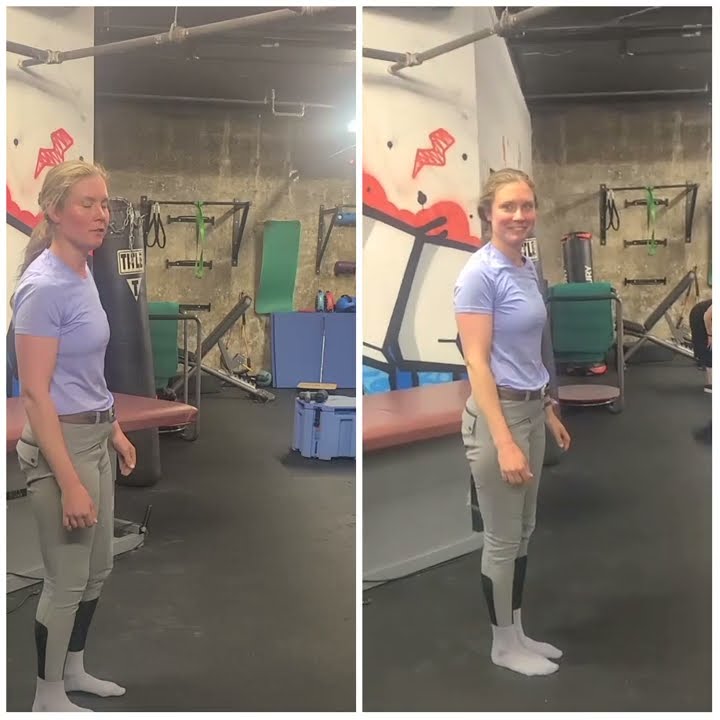 Play video: Client testimonial: Katrina, 4 weeks of back pain rated 6/10
 “This 9/10 back pain is stopping me from sleeping at night”
— Alexis, 2 months of 10/10 back painYour results may vary.
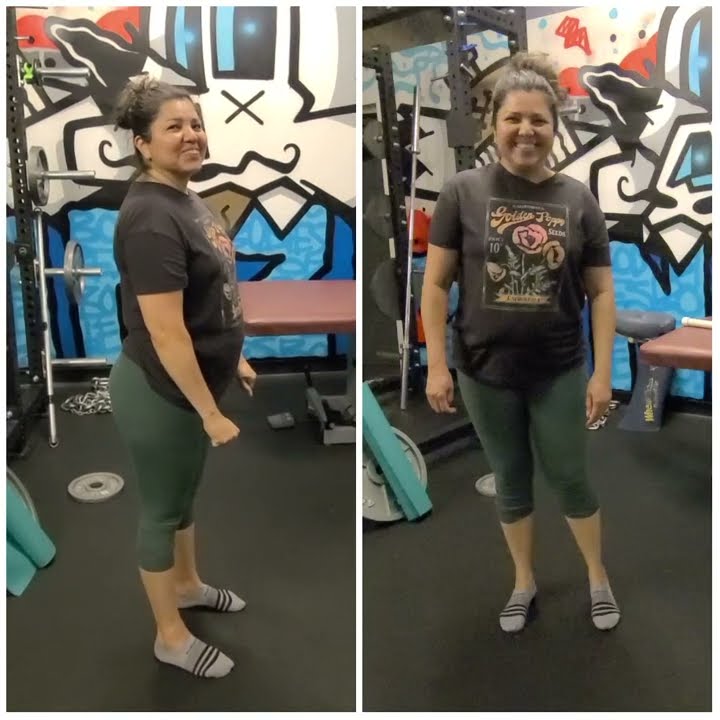 Play video: Client testimonial: Alexis, 2 months of back pain rated 10/10
 “My back pain is so bad I can't put on my shoes”
— Penelope, 5 weeks of 7/10 back painYour results may vary.
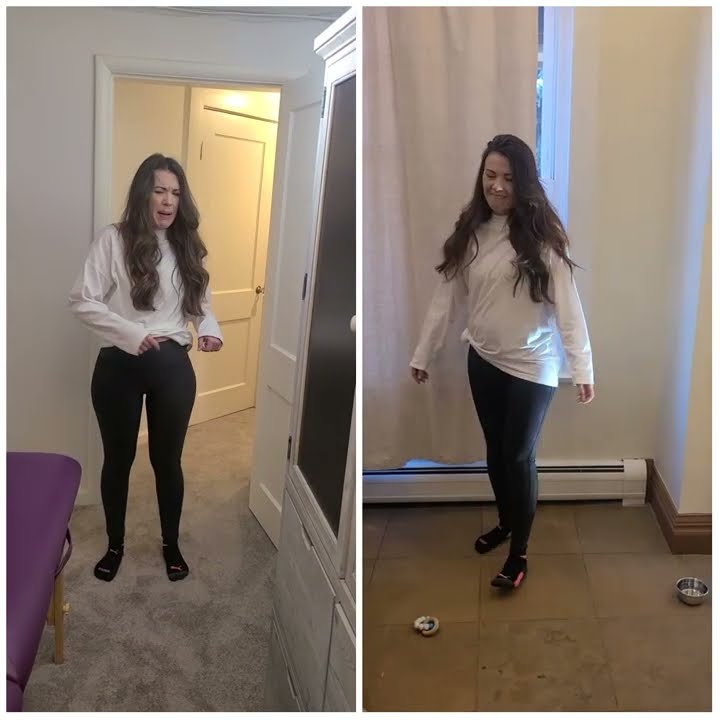 Play video: Client testimonial: Penelope, 5 weeks of back pain rated 7/10
 “Living with back pain has me living at a 7/10 pain that I can't find relief from”
— Chris, 8 weeks of 7/10 back painYour results may vary.
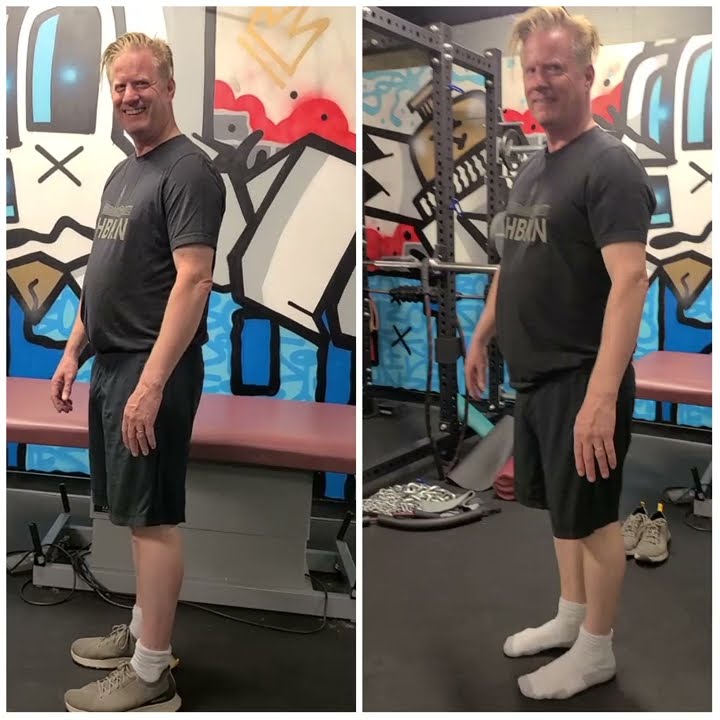 Play video: Client testimonial: Chris, 8 weeks of back pain rated 7/10
 “I have a herniated L4/L5 and my sciatic pain feels like a screwdriver in my back”
— Kendra, 2 years of shooting sciatic painYour results may vary.
 Play video: Client testimonial: Kendra, two years of shooting sciatic pain resolved
 “The doctor told me my spondylolisthesis back pain could only be cured with surgery”
— Tony, 2 weeks of lightning-bolt back painYour results may vary.
 Play video: Client testimonial: Tony, two weeks of severe back pain down to 1 out of 10
 Watch the segment
I covered hiking stretches and preparation on 9NEWS during my years as their fitness expert — a quick, practical primer to pair with the deeper dive below.
 Play video: Wellness Wednesday: Stretches and exercises for hiking — 9NEWS
 What the trail actually tests
The descent is an eccentric-strength exam. Going up, muscles shorten as they work — hard, but familiar. Coming down, your quads and glutes must produce force while lengthening, step after step, often for longer than the climb took. Almost nobody trains this, which is why the soreness after a big hike lives in the fronts of the thighs and why knee pain so often starts on the way down.
Three things to build in the weeks before big objectives. Slow step-downs: stand on a step, lower one foot to the floor over three slow seconds, and come back up — the single most trail-relevant exercise there is. Step-ups with intent: drive through the top leg rather than bouncing off the bottom one, adding a pack as it gets easy. Single-leg balance on uneven input: trails are not flat, and ankles that can react — the same reactive work in the balance training article — are what turn a rolled rock into a non-event.
And the hips deserve their usual mention: hours of desk sitting shorten the hip flexors, then the trail asks for full stride extension a few thousand times. That tug-of-war frequently presents as lower-back ache at mile six. It is one of the most fixable patterns I see.
If a joint already complains on the trail
A knee that flares on descents or a hip that tightens by the second hour does not usually mean hiking is over — it usually means the load is arriving somewhere untrained. Pain is information, not automatically damage. Finding the version of the movement you can do without a lasting flare, then building from it, is how hikers get their mileage back. That is the work this studio does every week.
Common questions
Why do my knees hurt hiking downhill but not uphill?
Descending is braking. Every downhill step asks your quads and glutes to absorb your bodyweight — more with a pack, more still on steep grades — while lengthening under load. When those muscles fatigue, the braking job shifts to the knee joint itself, and it lets you know. The fix is usually not new knees; it is training the braking muscles the way the trail actually uses them: eccentrically, one leg at a time.
What exercises prepare you for fourteeners?
Three categories cover most of it: step-work for the climb (step-ups onto a box, building toward weighted), eccentric single-leg work for the descent (slow step-downs are gold), and carrying capacity (time under a loaded pack, even on neighborhood walks). Add the calf and hip mobility work and you have covered what the mountain checks. Altitude fitness is its own subject — but legs that are not wrecked help there too.
Should I stretch before or after hiking?
Before: briefly and dynamically — leg swings, deep squats, ankle circles, two or three minutes at the trailhead. After: this is where longer holds earn their keep, especially calves, hip flexors and quads, which have spent hours working in a short range. The stiffness you feel two days after a big hike is mostly eccentric-load soreness; stretching after helps, but training before helps more.
I first covered the hiker's step-up in The Denver Post, July 2010. See the full Denver Post series.
Want your knees to outlast the trail?
A 30-minute assessment, $57: your history, my plain read on whether I can help, and one change you can measure before you leave.
Book a 30-minute assessmentOr call (720) 257-9328 · Read about knee pain