
Resources · Strength after 60
Resistance exercises for seniors: six to start with, and why it's never too late
In short: the best resistance exercises for seniors copy daily life. Sit to stand, a wall push-up, a stair step-up, a suitcase carry, a band row and a heel raise, two or three times a week, getting a little harder as you get stronger.
I'm a personal trainer and rehabilitation specialist in downtown Denver. Here's where I'd have you start, and what the research says about starting late.
Penelope Went From 7/10 to No Pain Standing in About an Hour
Results vary from person to person.
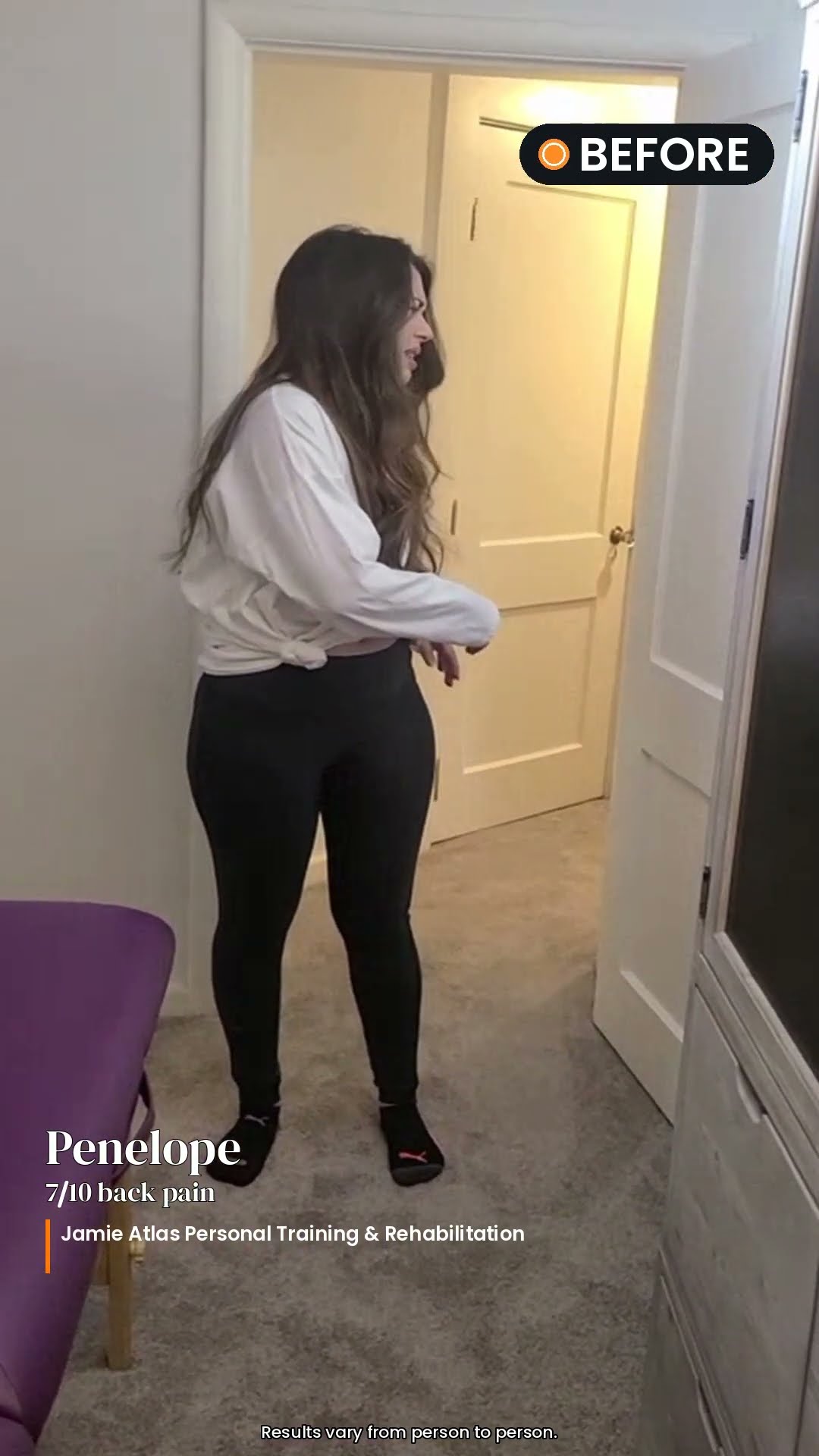 Play video: Back Pain Relief in Denver: Penelope Went From 7/10 to No Pain Standing in About an Hour
Toni's 5/10 Neck Pain Was Almost Gone
Results vary from person to person.
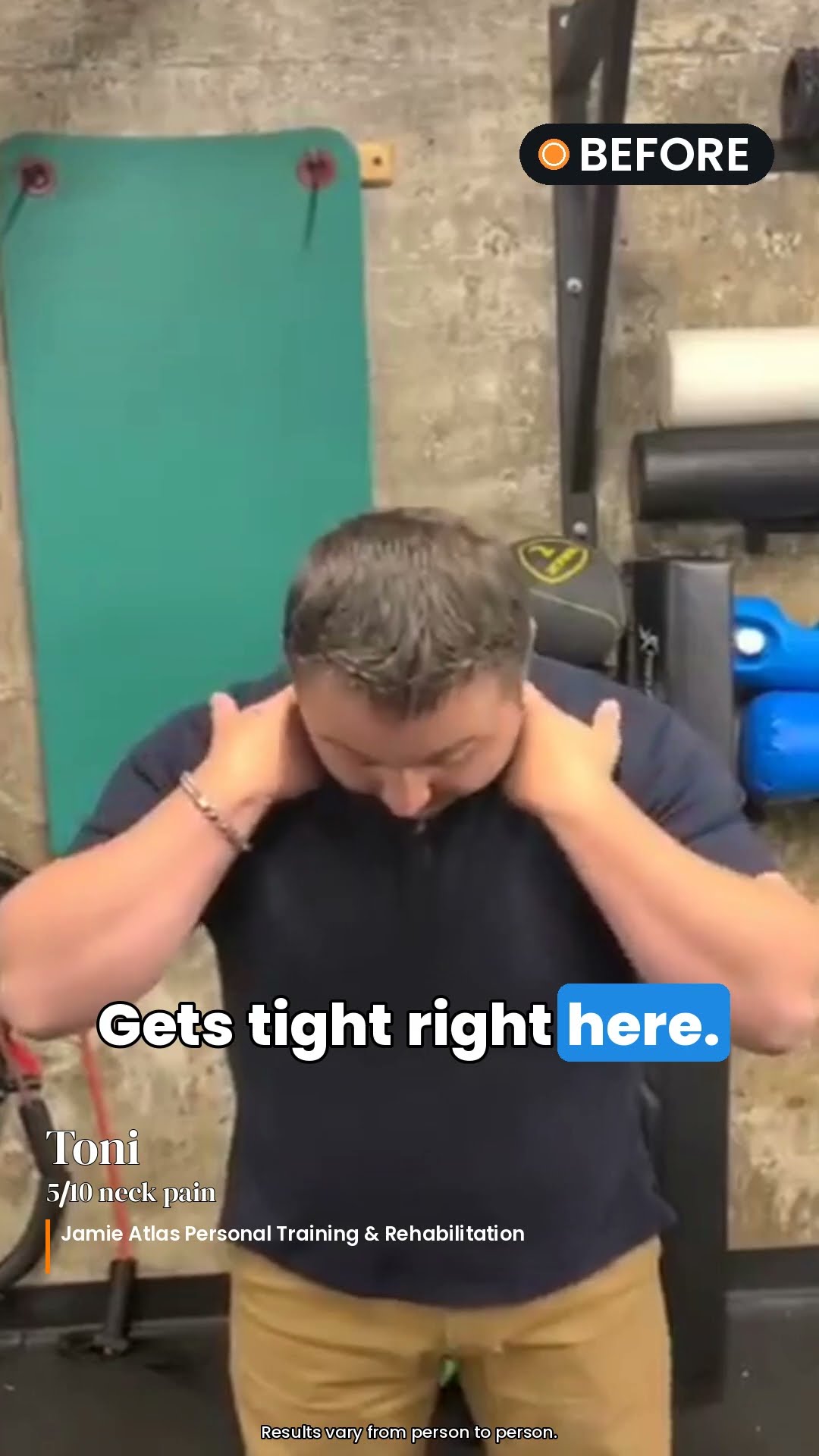 Play video: Neck Pain Relief in Denver: Toni's 5/10 Neck Pain Was Almost Gone
Judy Went From 10/10 to No Pain in About Half an Hour
Results vary from person to person.
 Play video: Shoulder Pain Relief in Denver: Judy Went From 10/10 to No Pain in About Half an Hour
Cindy Went From 6-7/10 to 2/10 in Under 10 Minutes
Results vary from person to person.
 Play video: Knee Pain Relief in Denver: Cindy Went From 6-7/10 to 2/10 in Under 10 Minutes
Kendra Went From 7-8/10 to Zero in 20 to 30 Minutes
Results vary from person to person.
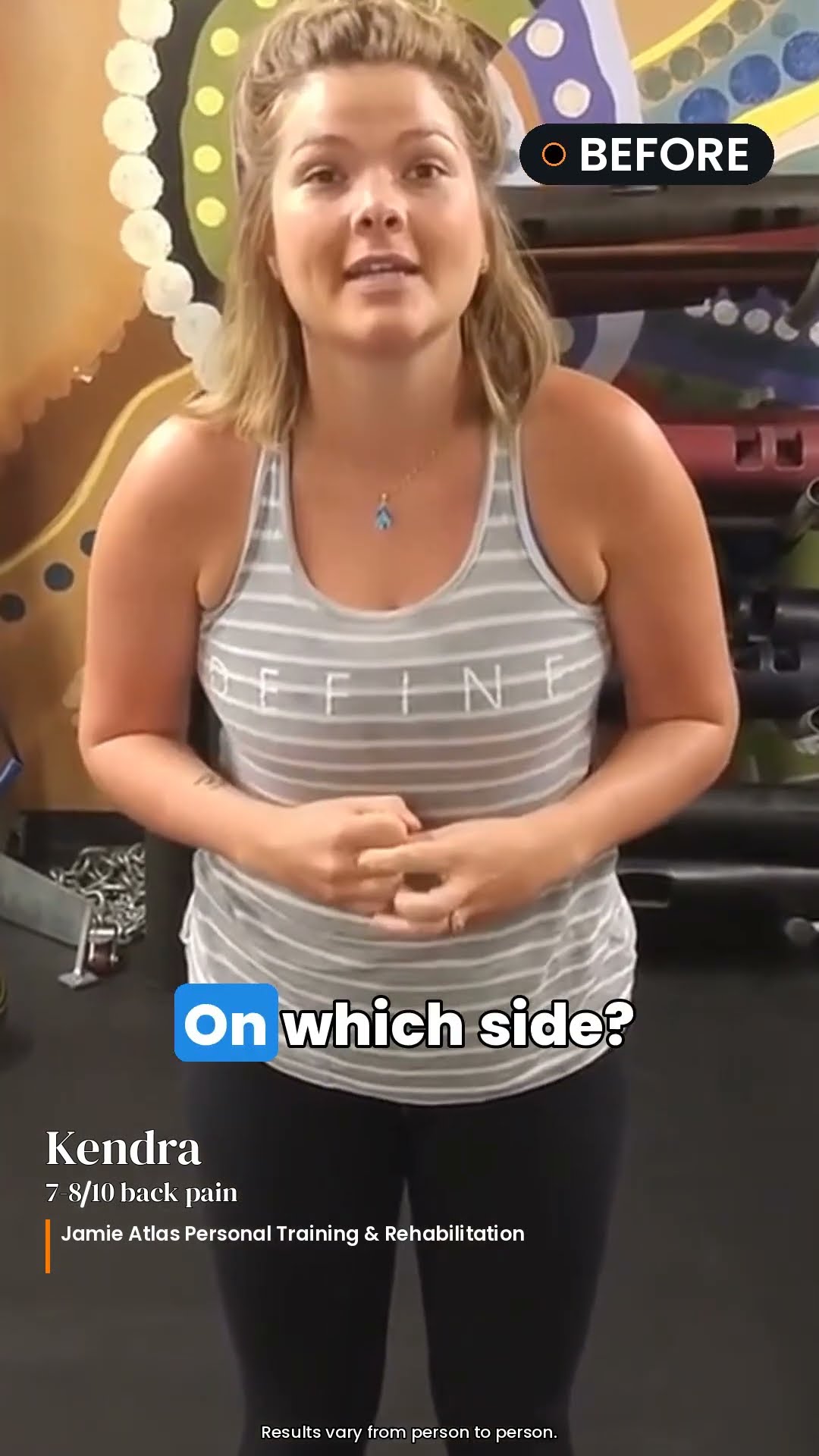 Play video: Back Pain Relief in Denver: Kendra Went From 7-8/10 to Zero in 20 to 30 Minutes
Jackie Went From 6/10 to 1/10 (First Time in 10 Years)
Results vary from person to person.
 Play video: Ankle Pain Relief in Denver: Jackie Went From 6/10 to 1/10 (First Time in 10 Years)
Taking it easy sounds like the safe choice
The usual advice for an older body goes something like this. Walk, stretch, maybe a gentle class, and leave the weights to the young ones before something gets pulled.
It comes from a kind place. Nobody wants a fall, a strain or a bad week, and lifting heavy things looks like the fastest way to get all three.
Muscle you don't use goes, and it takes the easy things with it
Here's the problem. Walking keeps your heart happy, but it doesn't ask your legs to do much more than they did yesterday. So the strength drains away slowly, and one day the low couch, the bottom step or the bag of dog food is suddenly a project.
Taking it easy is what made the easy things hard.
The evidence on fixing it is large and consistent. A Cochrane review of 121 trials and about 6,700 older people found that resistance training made them stronger and better at everyday tasks, with bigger gains in standing up from a chair and climbing stairs than in walking speed. It also eased pain in people with osteoarthritis (Liu and Latham, 2009).
And it's never too late to start. In 1990, ten nursing home residents around 90 years old did eight weeks of leg strength training. The nine who finished it gained an average of 174% in strength and 9% in thigh muscle, and walked a balance line 48% faster (Fiatarone and colleagues, JAMA, 1990). Tiny study, enormous point.
We handed older people the lightest dumbbells in the building, me included
For years the standard plan for a 70-year-old was a pair of pink two-pounders and a lot of reps, and I went along with it and called it careful. It was about as challenging as a Jane Fonda tape on pause.
Isn't it a bit ridiculous that the people with the most to gain from getting strong were the ones we were least willing to load? That was the industry standard, and I followed it with a straight face.
Six resistance exercises for seniors, with a chair, a wall and a stair
Do them two or three times a week, on days that aren't back to back. Pick a level where the last two or three repetitions feel like work but your form holds. When it starts feeling easy, make it harder.
1. Sit to stand
Sit on a sturdy chair, feet flat, arms crossed over your chest. Stand up, then sit down slowly, taking three seconds on the way down. 8 to 12 times.
Harder: Lower chair, slower lowering, or hold a weight at your chest.
Easier: Higher seat, or push off your thighs with your hands.
It's the single most useful movement you own. Getting off the toilet, out of the car and up off the couch are all this.
2. Wall or counter push-up
Hands on a wall or kitchen counter at shoulder height, feet back a step. Lower your chest towards it, then push away. 8 to 12 times.
Harder: Move your feet further back, or use a lower surface.
Easier: Step your feet closer in.
Pushing yourself up from the floor or out of a bath needs chest, shoulders and arms working together.
3. Stair step-up
Hold the rail. Step up onto the bottom stair with one foot, bring the other up, then step down. Lead with the same leg 8 to 10 times, then switch.
Harder: Let go of the rail (only if your balance is solid), or carry a light weight.
Easier: Use a lower step, and keep both hands on the rail.
Stairs are a strength test most of us sit several times a day.
4. Suitcase carry
Hold a shopping bag or a weight in one hand and walk 20 steps, standing tall. Swap hands and walk back.
Harder: Heavier bag, or more steps.
Easier: Lighter bag, and stay close to a wall.
Grip, posture and balance all at once. Grip strength in particular tends to fade quietly if nobody asks for it.
5. Band row
Loop a resistance band around something solid at chest height. Hold both ends, squeeze your shoulder blades back and pull your hands to your ribs. 10 to 12 times.
Harder: A stronger band, or step further back.
Easier: A lighter band, or step closer.
It works the upper back muscles that hold you upright, the ones a lifetime of desks and steering wheels has been switching off.
6. Heel raise
Hold the back of a chair or the counter. Rise onto your toes, pause, then lower slowly. 12 to 15 times.
Harder: One leg at a time.
Easier: Go only halfway up.
Calf strength is a big part of balance and of pushing off when you walk.
Add balance, because strength alone doesn't stop falls
A Cochrane review of 108 trials, with an average age of 76, found that exercise cut the rate of falls by 23%. The programs that worked best mixed balance and functional exercises, often with resistance work alongside, and there wasn't enough evidence that resistance work on its own does the job (Sherrington and colleagues, 2019).
So finish each session with a minute or two of balance: stand on one leg holding the counter, then lightly touching it, then not at all. The balance training page has more.
When to check with your doctor first
If you have a heart condition, recent surgery, a recent fracture, or you get chest pain, dizziness or unusual breathlessness when you exert yourself, get the all-clear before you start. The same goes for osteoporosis if you want to lift heavy.
On that last one, the news is better than most people expect. In the LIFTMOR trial, women with low bone mass did heavy, closely supervised lifting for 30 minutes twice a week for eight months. Their bone density and function improved, with no injuries from the training (Watson and colleagues, Journal of Bone and Mineral Research, 2018). Supervised is the important word there.
Common questions
What are the best resistance exercises for seniors?
The ones that copy daily life: standing up from a chair, pushing off a wall or counter, stepping up a stair, carrying a bag, pulling a band towards you and rising onto your toes. They train the movements that decide whether you stay independent, and you can do all six at home.
How often should seniors do resistance training?
Two or three times a week, on non-consecutive days. That's how most of the trials in the big Cochrane review ran it. Each session can be 20 to 30 minutes.
Is resistance training safe for older adults?
For most people, yes. Across 121 trials, serious problems were rare and none were put down to the exercise itself; sore muscles and achy joints were the usual complaints. Check with your doctor first if you have a heart condition, recent surgery, a recent fracture, or chest pain or dizziness when you exert yourself.
Can you build muscle in your 70s, 80s or 90s?
Yes. In a well-known study, ten nursing home residents around 90 years old did eight weeks of strength training, and the nine who finished more than doubled their leg strength (an average gain of 174%) and grew their thigh muscle by 9%.
Should I use weights or resistance bands?
Either works. Trials have used machines, free weights and elastic bands. What matters is that it gets harder as you get stronger, which is the 'progressive' part of progressive resistance training.
Can I lift weights if I have osteoporosis?
Ask your doctor first, and get supervision. In the LIFTMOR trial, women with low bone mass did heavy, closely supervised lifting twice a week for eight months, improved their bone density and function, and had no injuries from it. That was supervised by experts, so it isn't a green light to load up alone.
Once you've seen your legs get stronger at 75, it's hard to go back to believing they were supposed to get weaker. Start with the chair.
Yours in health,
Jamie Atlas
PS If you'd like someone watching the knee, back or shoulder you're worried about while you do this, that's most of what I do. Here's how I train people over 40, 50, 60 and 70 in downtown Denver.
Start with thirty minutes
A 30-minute assessment session, $57, in the studio at 1800 Glenarm Place or on Zoom. You'll leave with one change you can feel.
Book me in for my first session nowTraining over 40, 50, 60 and 70 · Balance training · All resources