
Resources · Running
Your first spring run hurts because winter broke the connection
The weather turns, you get outside, and four miles in something is off. A hip that aches. A calf that's tight in a way it never used to be. You blame the layoff and assume it's fitness. It usually isn't.
“I picked up my daughter and my neck went numb”
— Monique, 4 weeks of 7/10 neck painYour results may vary.
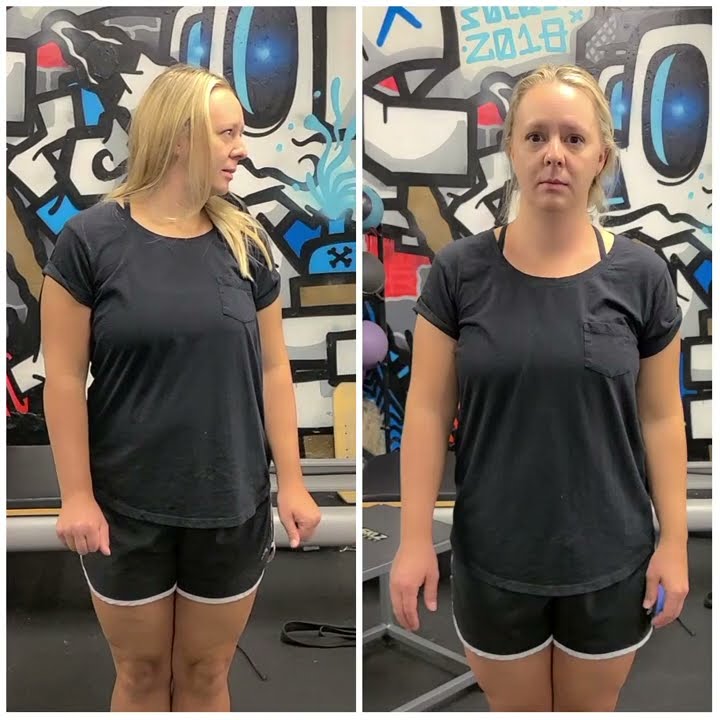 Play video: Client testimonial: Monique, 4 weeks of neck pain rated 7/10
 “I tried a new move in yoga. I woke up the next morning and couldn't move my neck”
— Danielle, 6 weeks of 7/10 neck painYour results may vary.
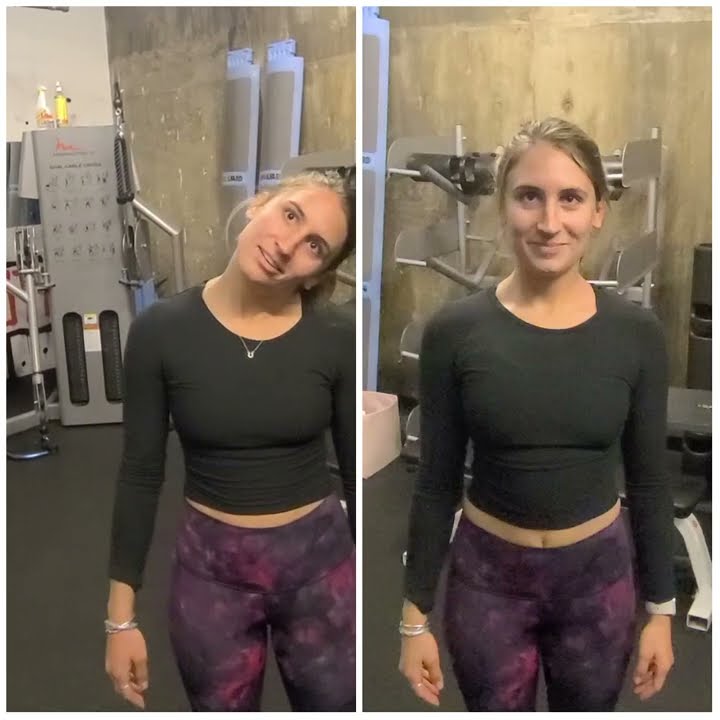 Play video: Client testimonial: Danielle, 6 weeks of neck pain rated 7/10
 “After 3 years I didn't think anyone could help me fix my neck”
— Sandy, 3 years of 8/10 neck painYour results may vary.
 Play video: Client testimonial: Sandy, 3 years of neck pain rated 8/10
 “My office job means my neck is in constant pain, nothing seems to help”
— Natasha, 4 weeks of 7/10 neck painYour results may vary.
 Play video: Client testimonial: Natasha, 4 weeks of neck pain rated 7/10
 “It's too hard to get in shape when I've had knee pain ever since I can remember”
— Cindy, a lifetime of 6/10 knee painYour results may vary.
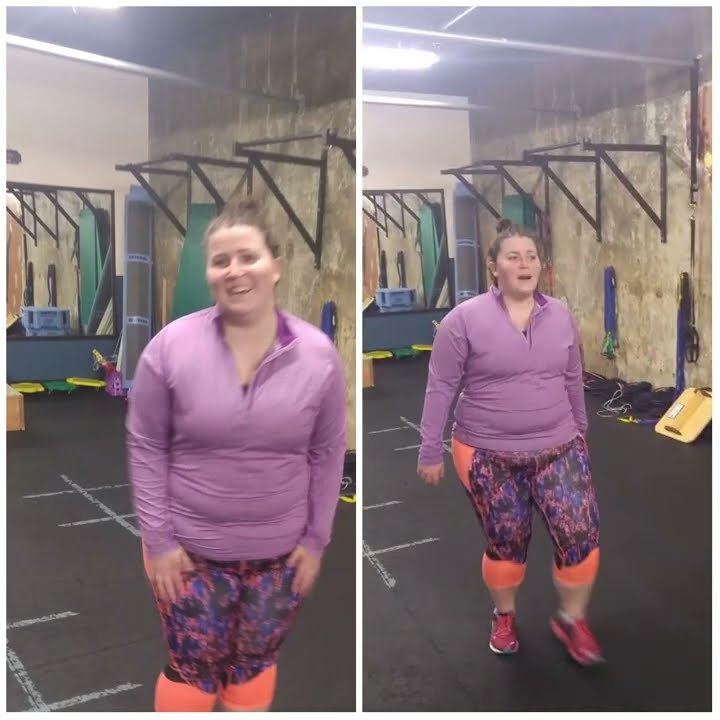 Play video: Client testimonial: Cindy, a lifetime of knee pain rated 6/10
 “I tore my ACL in an MMA match and haven't been able to train since”
— Meghan, 4/10 knee pain after an ACL tearYour results may vary.
 Play video: Client testimonial: Meghan, knee pain after an ACL tear, 4 out of 10 down to 0
 “After my fall my knee was in pain and I couldn't stand on one leg”
— Brad, 6 months of 6/10 knee painYour results may vary.
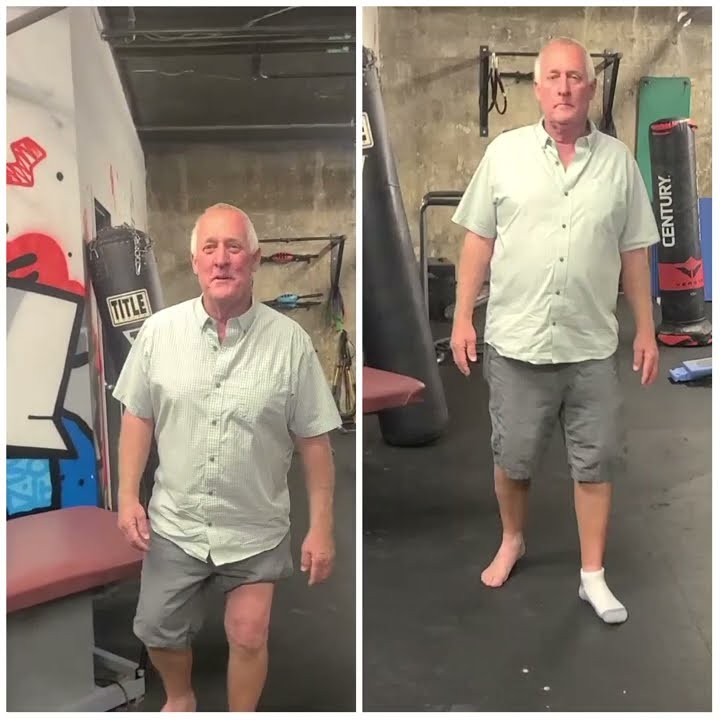 Play video: Client testimonial: Brad, 6 months of knee pain rated 6/10
 “I got surgery on my shoulder 2 years ago and have been getting rolfing and PT”
— Samantha, 5 years of 7/10 shoulder painYour results may vary.
 Play video: Client testimonial: Samantha, 5 years of shoulder pain rated 7/10
 “My shoulder numbness and tingling was so bad I drove 2 hours to see Jamie Atlas”
— Heather, 6 weeks of 10/10 shoulder nerve painYour results may vary.
 Play video: Client testimonial: Heather, 6 weeks of shoulder nerve pain rated 10/10
 “I've been in physical therapy for 6 months and I'm stalled on my results”
— Judy, 6 months of 10/10 shoulder painYour results may vary.
 Play video: Client testimonial: Judy, 6 months of shoulder pain rated 10/10
 “My shoulder pain meant I couldn't take my shirt on or off without hurting”
— Sharon, 4 months of 6/10 shoulder painYour results may vary.
 Play video: Client testimonial: Sharon, 4 months of shoulder pain rated 6/10
 “3 surgeries over 10 years and I still can't get my shoulder above my head”
— Clay, 10 years of 7/10 shoulder painYour results may vary.
 Play video: Client testimonial: Clay, 10 years of shoulder pain rated 7/10
 “Taking my dog for a walk he pulled on my shoulder and now it hurts to move”
— Kendall, 2 weeks of 6/10 shoulder painYour results may vary.
 Play video: Client testimonial: Kendall, 2 weeks of shoulder pain rated 6/10
 “I was squatting at the gym when I felt a pop and my leg went numb”
— Kelly, 12 months of 8/10 back painYour results may vary.
 Play video: Client testimonial: Kelly, 12 months of back pain rated 8/10
 “After the car accident the hospital said I was fine but my back pain says otherwise”
— Dax, 5 days of 10/10 back painYour results may vary.
 Play video: Client testimonial: Dax, 5 days of back pain rated 10/10
 “Playing football has left me with constant back pain that I can't get rid of”
— Matthew, 7 weeks of 7/10 back painYour results may vary.
 Play video: Client testimonial: Matthew, 7 weeks of back pain rated 7/10
 “I went to Pilates to fix my back but it ended up making it worse”
— Colleen, 8 weeks of 7/10 back painYour results may vary.
 Play video: Client testimonial: Colleen, 8 weeks of back pain rated 7/10
 “I was thrown from a horse and couldn't bend over without pain”
— Katrina, 4 weeks of 6/10 back painYour results may vary.
 Play video: Client testimonial: Katrina, 4 weeks of back pain rated 6/10
 “This 9/10 back pain is stopping me from sleeping at night”
— Alexis, 2 months of 10/10 back painYour results may vary.
 Play video: Client testimonial: Alexis, 2 months of back pain rated 10/10
 “My back pain is so bad I can't put on my shoes”
— Penelope, 5 weeks of 7/10 back painYour results may vary.
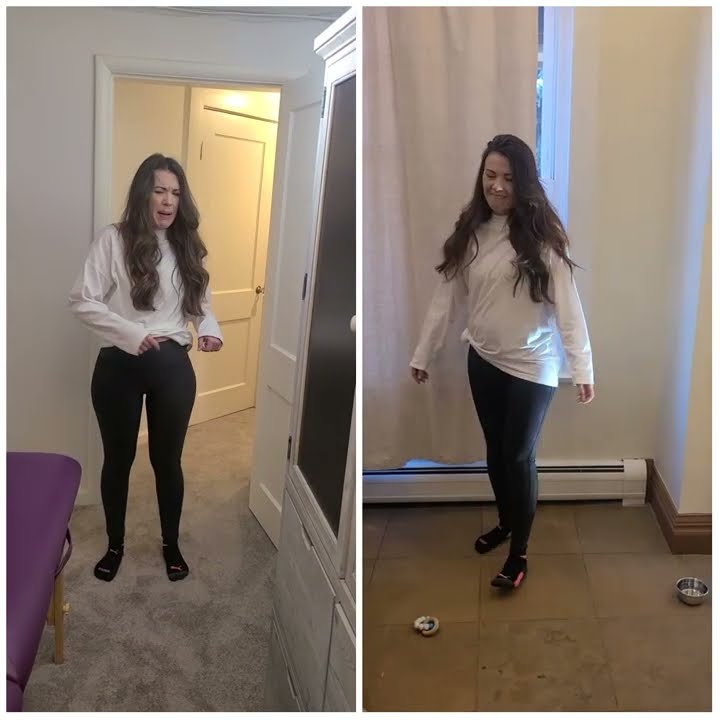 Play video: Client testimonial: Penelope, 5 weeks of back pain rated 7/10
 “Living with back pain has me living at a 7/10 pain that I can't find relief from”
— Chris, 8 weeks of 7/10 back painYour results may vary.
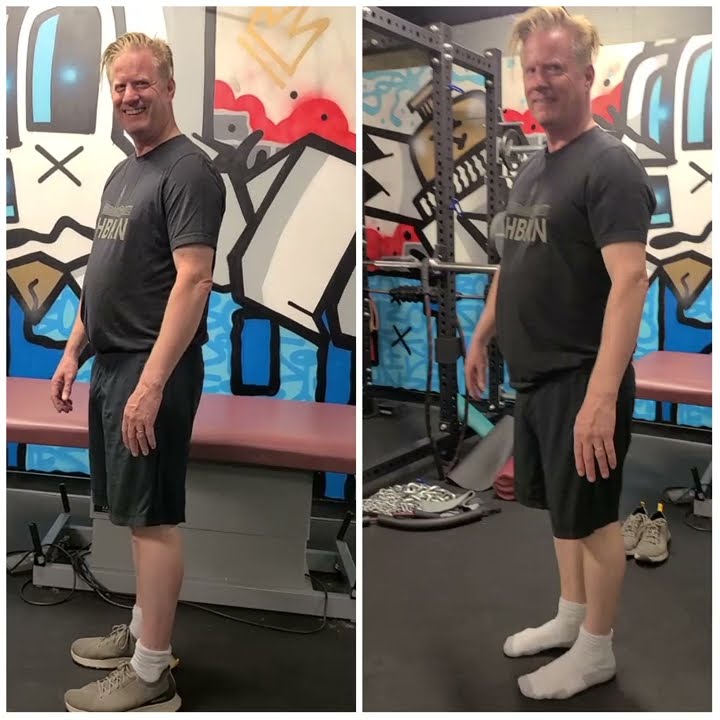 Play video: Client testimonial: Chris, 8 weeks of back pain rated 7/10
 “I have a herniated L4/L5 and my sciatic pain feels like a screwdriver in my back”
— Kendra, 2 years of shooting sciatic painYour results may vary.
 Play video: Client testimonial: Kendra, two years of shooting sciatic pain resolved
 “The doctor told me my spondylolisthesis back pain could only be cured with surgery”
— Tony, 2 weeks of lightning-bolt back painYour results may vary.
 Play video: Client testimonial: Tony, two weeks of severe back pain down to 1 out of 10
 Running is a cross-body task
Every stride is a brief single-leg balance with the opposite arm swinging back as a counterweight. Left leg forward, right arm back. That counter-rotation isn't decoration — it cancels the rotational force your leg swing generates, so your torso can stay pointed down the road instead of twisting with every step.
When that connection is sharp, running is efficient and quiet. When it's dulled, the rotation has to be absorbed somewhere, and it gets absorbed by the hip, the low back, and the structures on the outside of the knee. That's your April hip pain. Not weakness. Timing.
Why winter dulls it specifically
Treadmill running has a belt pulling your leg back for you, a fixed surface, and no wind, camber or direction change. The demand on stabilization and counter-rotation drops sharply. You maintain aerobic fitness and quietly lose the coordination underneath it.
Not running at all is more obvious but no worse. Six weeks of cycling and lifting keeps you fit and keeps you from ever standing on one leg with a swinging opposite arm.
Either way, the engine comes back before the chassis does — and the engine is what determines how far you decide to go on the first nice Saturday.
Rebuild the connection before the mileage
The most useful drill I know here is deliberately unglamorous. Anchor a light resistance band at knee height in front of you and hold it in your left hand. Step back until it's taut and settle into a shallow split stance.
Now draw the left hand toward your ribs while simultaneously bringing the left knee up to hip height, letting the right arm counter-swing back. One smooth motion, not two separate ones. Return under control and repeat. Two or three on the left, then switch.
What it restores is the same-side arm-and-knee timing, the brief single-leg balance, and the trunk's job of not letting rotation escape into the spine. It takes four minutes, and it is the closest thing to a pre-season insurance policy runners have. If you have bands at home already, the band training article covers using them properly.
Pair it with reactive balance work — the ankle and hip corrections that road camber and uneven ground demand and a treadmill never asks for.
Load the mileage like you mean it
The other half is arithmetic, and everyone knows it and nobody does it. Increase weekly volume gradually. Add either distance or intensity in a given week, not both. Take the first two outdoor weeks below what you think you're capable of — because what you're capable of aerobically and what your tendons have adapted to are different numbers, and tendons adapt slowly.
Achilles and patellar tendon problems in particular are volume-spike injuries. They're also, once established, months of work — which makes the two conservative weeks in April an extremely good trade.
When it's not just rust: pain that's sharp rather than achy, pain that gets worse within a run rather than better after the first mile, or pain that persists at rest is worth having looked at properly. So is any hip or groin pain in a runner over 45 that doesn't settle within a couple of weeks.
Common questions
Why does my hip hurt when I start running outside again?
Usually timing, not weakness. Every stride is a brief single-leg balance with the opposite arm swinging back as a counterweight, and that counter-rotation cancels the rotational force your leg swing generates. When the connection is sharp, running is efficient. When it's dulled by a winter indoors, the rotation has to be absorbed somewhere — and it gets absorbed by the hip, the low back, and the structures on the outside of the knee.
Does treadmill running keep me ready for outdoor running?
Aerobically, largely yes. Structurally, no. A treadmill belt pulls your leg back for you, the surface is fixed, and there is no wind, camber or direction change. The demand on stabilization and counter-rotation drops sharply, so you maintain fitness and quietly lose the coordination underneath it. The engine comes back before the chassis does — and the engine is what decides how far you go on the first nice Saturday.
How fast should I build mileage back up?
Gradually, and add either distance or intensity in a given week rather than both. Keep the first two outdoor weeks below what you feel capable of, because what you can do aerobically and what your tendons have adapted to are different numbers. Achilles and patellar tendon problems in particular are volume-spike injuries, and once established they are months of work — which makes two conservative weeks an extremely good trade.
I first covered the runner's band pull in The Denver Post, April 2011. See the full Denver Post series.
Same injury, every season?
A 30-minute assessment, $57: your history, my plain read on whether I can help, and one change you can measure before you leave.
Book a 30-minute assessmentOr call (720) 257-9328 · Read about knee pain