
Resources · Home training
Resistance band training: the honest home gym
A few dollars of latex will not impress anyone at a gym. But a band does something valuable no dumbbell can: it makes training rotation and angles easy — and that is the training most bodies are missing.
“I picked up my daughter and my neck went numb”
— Monique, 4 weeks of 7/10 neck painYour results may vary.
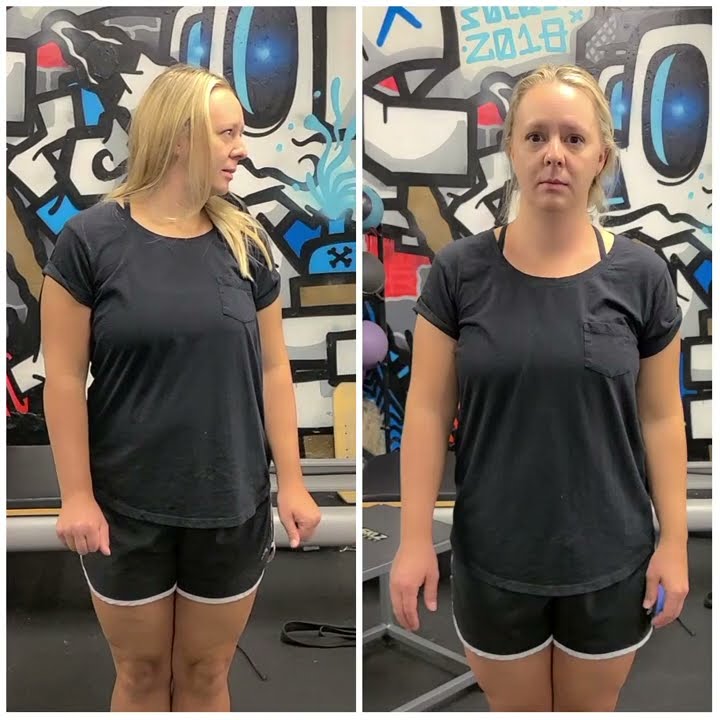 Play video: Client testimonial: Monique, 4 weeks of neck pain rated 7/10
 “I tried a new move in yoga. I woke up the next morning and couldn't move my neck”
— Danielle, 6 weeks of 7/10 neck painYour results may vary.
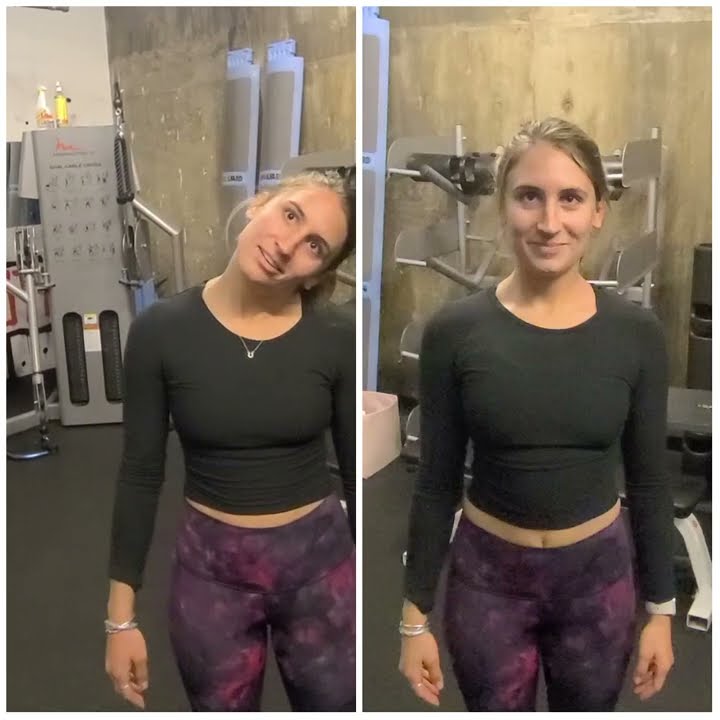 Play video: Client testimonial: Danielle, 6 weeks of neck pain rated 7/10
 “After 3 years I didn't think anyone could help me fix my neck”
— Sandy, 3 years of 8/10 neck painYour results may vary.
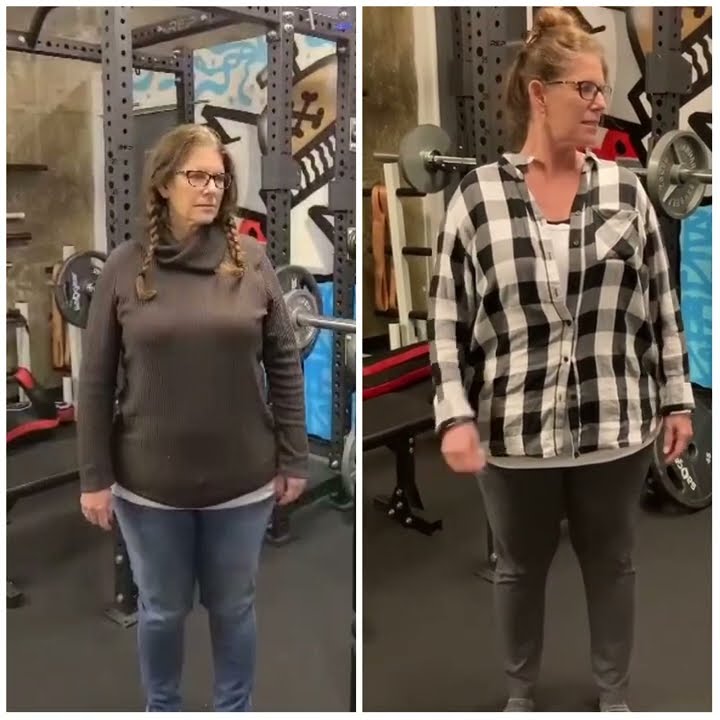 Play video: Client testimonial: Sandy, 3 years of neck pain rated 8/10
 “My office job means my neck is in constant pain, nothing seems to help”
— Natasha, 4 weeks of 7/10 neck painYour results may vary.
 Play video: Client testimonial: Natasha, 4 weeks of neck pain rated 7/10
 “It's too hard to get in shape when I've had knee pain ever since I can remember”
— Cindy, a lifetime of 6/10 knee painYour results may vary.
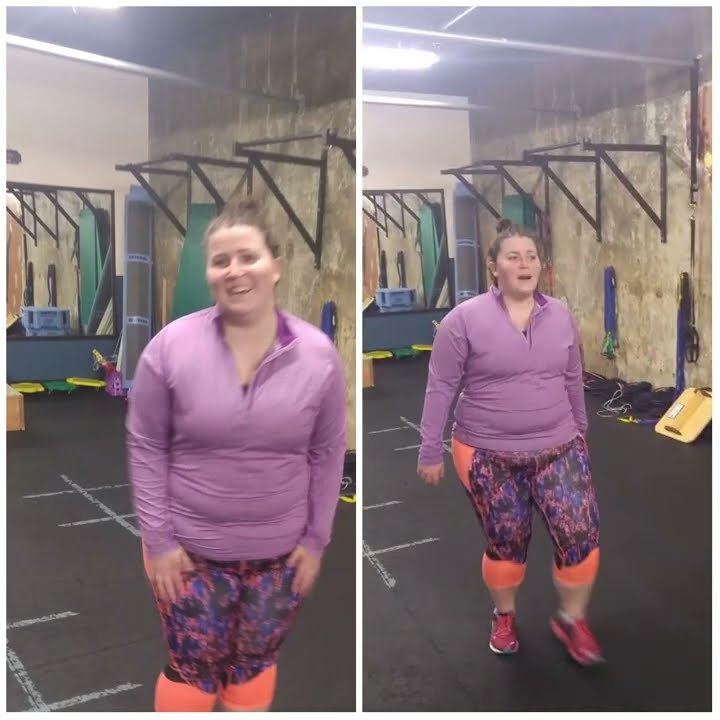 Play video: Client testimonial: Cindy, a lifetime of knee pain rated 6/10
 “I tore my ACL in an MMA match and haven't been able to train since”
— Meghan, 4/10 knee pain after an ACL tearYour results may vary.
 Play video: Client testimonial: Meghan, knee pain after an ACL tear, 4 out of 10 down to 0
 “After my fall my knee was in pain and I couldn't stand on one leg”
— Brad, 6 months of 6/10 knee painYour results may vary.
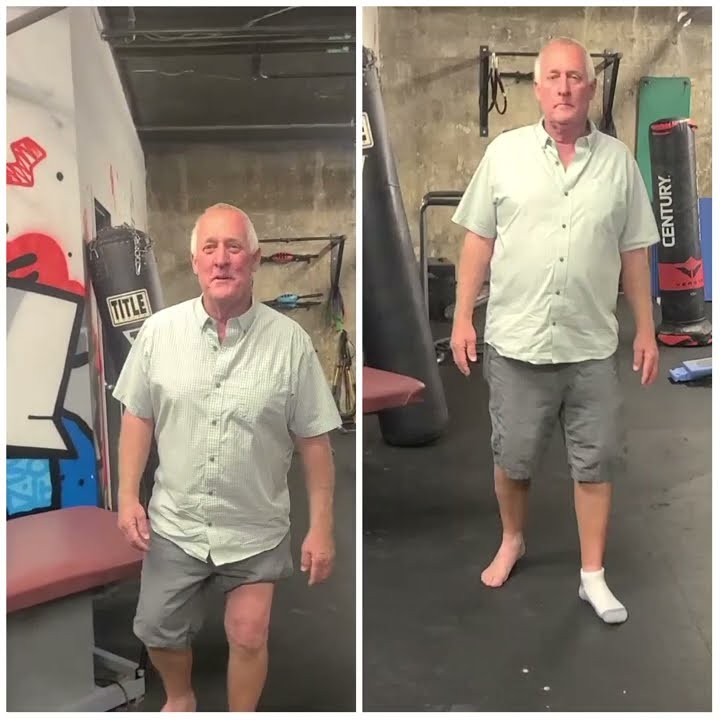 Play video: Client testimonial: Brad, 6 months of knee pain rated 6/10
 “I got surgery on my shoulder 2 years ago and have been getting rolfing and PT”
— Samantha, 5 years of 7/10 shoulder painYour results may vary.
 Play video: Client testimonial: Samantha, 5 years of shoulder pain rated 7/10
 “My shoulder numbness and tingling was so bad I drove 2 hours to see Jamie Atlas”
— Heather, 6 weeks of 10/10 shoulder nerve painYour results may vary.
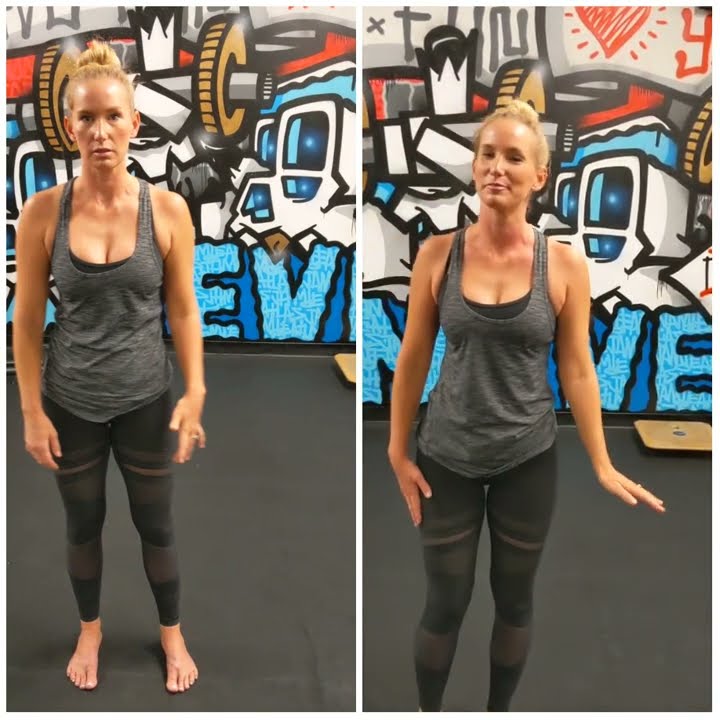 Play video: Client testimonial: Heather, 6 weeks of shoulder nerve pain rated 10/10
 “I've been in physical therapy for 6 months and I'm stalled on my results”
— Judy, 6 months of 10/10 shoulder painYour results may vary.
 Play video: Client testimonial: Judy, 6 months of shoulder pain rated 10/10
 “My shoulder pain meant I couldn't take my shirt on or off without hurting”
— Sharon, 4 months of 6/10 shoulder painYour results may vary.
 Play video: Client testimonial: Sharon, 4 months of shoulder pain rated 6/10
 “3 surgeries over 10 years and I still can't get my shoulder above my head”
— Clay, 10 years of 7/10 shoulder painYour results may vary.
 Play video: Client testimonial: Clay, 10 years of shoulder pain rated 7/10
 “Taking my dog for a walk he pulled on my shoulder and now it hurts to move”
— Kendall, 2 weeks of 6/10 shoulder painYour results may vary.
 Play video: Client testimonial: Kendall, 2 weeks of shoulder pain rated 6/10
 “I was squatting at the gym when I felt a pop and my leg went numb”
— Kelly, 12 months of 8/10 back painYour results may vary.
 Play video: Client testimonial: Kelly, 12 months of back pain rated 8/10
 “After the car accident the hospital said I was fine but my back pain says otherwise”
— Dax, 5 days of 10/10 back painYour results may vary.
 Play video: Client testimonial: Dax, 5 days of back pain rated 10/10
 “Playing football has left me with constant back pain that I can't get rid of”
— Matthew, 7 weeks of 7/10 back painYour results may vary.
 Play video: Client testimonial: Matthew, 7 weeks of back pain rated 7/10
 “I went to Pilates to fix my back but it ended up making it worse”
— Colleen, 8 weeks of 7/10 back painYour results may vary.
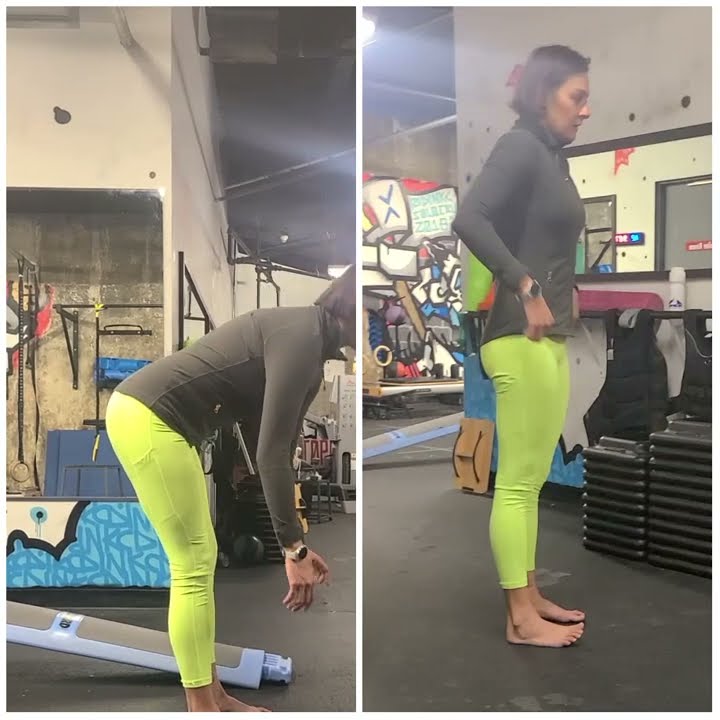 Play video: Client testimonial: Colleen, 8 weeks of back pain rated 7/10
 “I was thrown from a horse and couldn't bend over without pain”
— Katrina, 4 weeks of 6/10 back painYour results may vary.
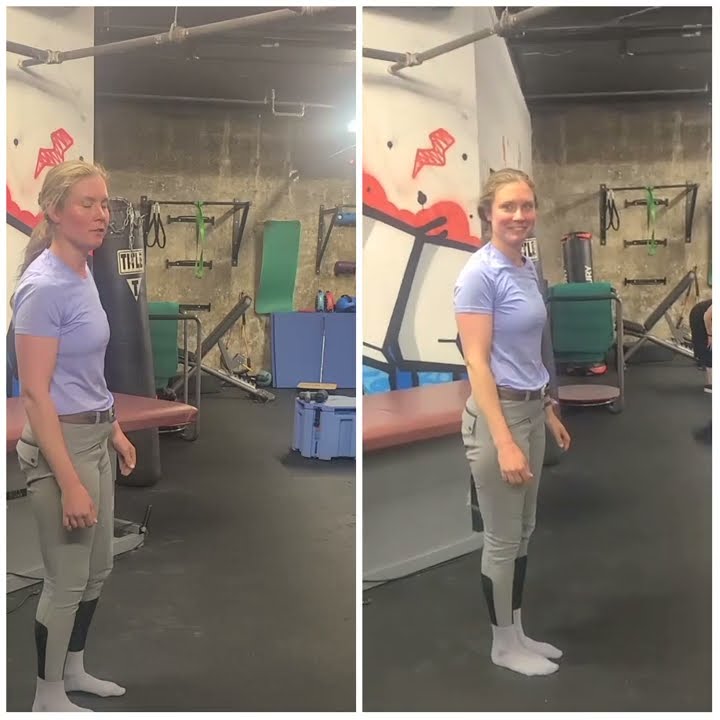 Play video: Client testimonial: Katrina, 4 weeks of back pain rated 6/10
 “This 9/10 back pain is stopping me from sleeping at night”
— Alexis, 2 months of 10/10 back painYour results may vary.
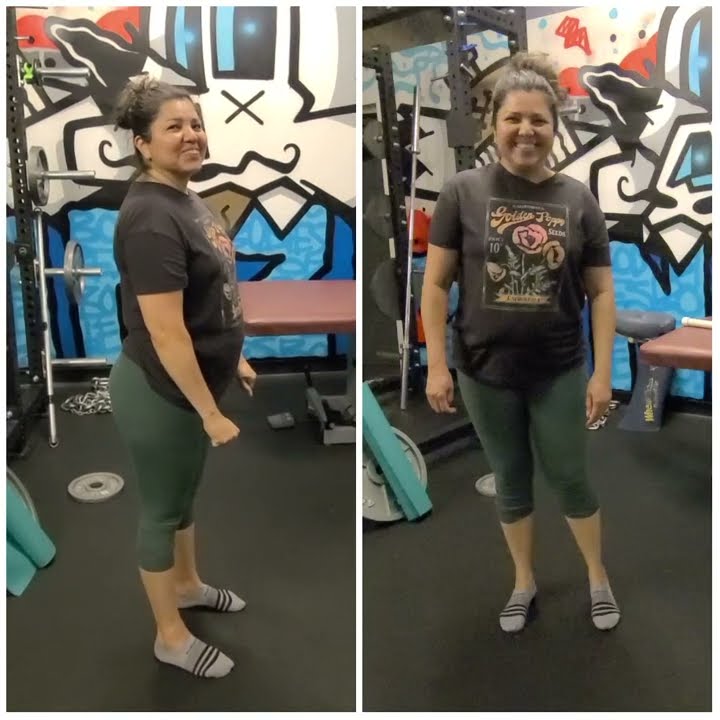 Play video: Client testimonial: Alexis, 2 months of back pain rated 10/10
 “My back pain is so bad I can't put on my shoes”
— Penelope, 5 weeks of 7/10 back painYour results may vary.
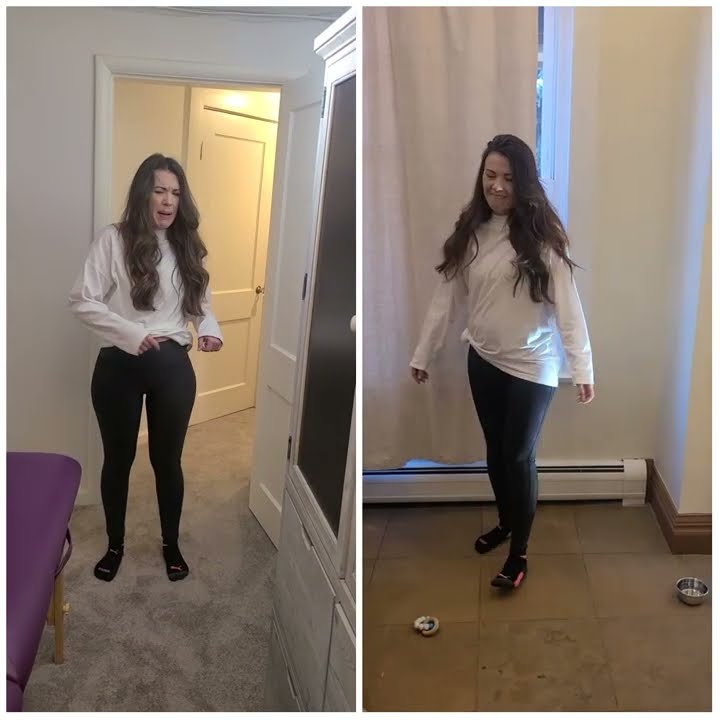 Play video: Client testimonial: Penelope, 5 weeks of back pain rated 7/10
 “Living with back pain has me living at a 7/10 pain that I can't find relief from”
— Chris, 8 weeks of 7/10 back painYour results may vary.
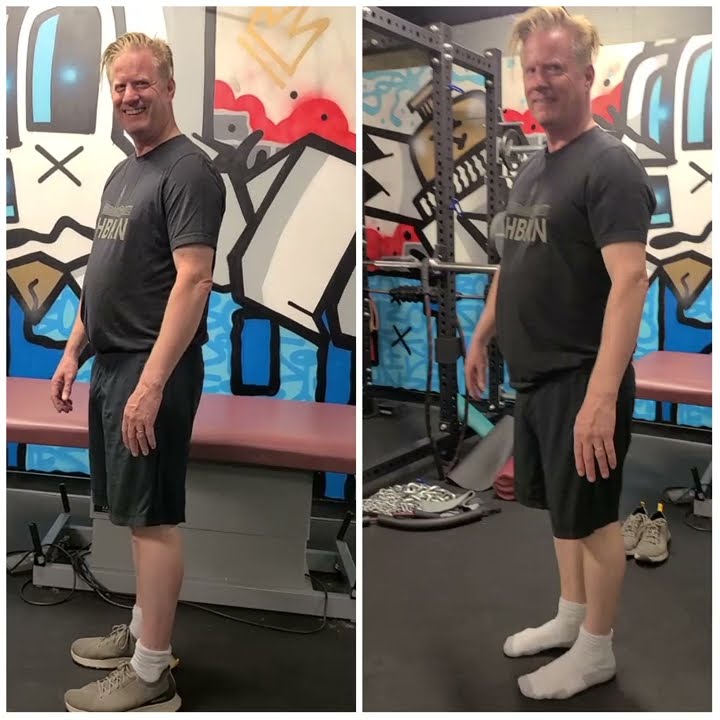 Play video: Client testimonial: Chris, 8 weeks of back pain rated 7/10
 “I have a herniated L4/L5 and my sciatic pain feels like a screwdriver in my back”
— Kendra, 2 years of shooting sciatic painYour results may vary.
 Play video: Client testimonial: Kendra, two years of shooting sciatic pain resolved
 “The doctor told me my spondylolisthesis back pain could only be cured with surgery”
— Tony, 2 weeks of lightning-bolt back painYour results may vary.
 Play video: Client testimonial: Tony, two weeks of severe back pain down to 1 out of 10
 Watch the segment
Resistance band exercises for working out at home, from my 9NEWS years.
 Play video: Resistance band exercises for working out at home — 9NEWS
 Getting more out of a band than most people do
Use the direction, not just the resistance. Anchored to a door hinge, a band lets you load chops, diagonal presses and rotations through exactly the angles daily life and sport use — the same principle behind the rotational ski squat and the golf swing work. Dumbbells fight gravity in one direction; a band pulls from wherever you anchor it.
Own the return trip. The band always wants to snap back faster than it should. Resisting that — three slow seconds on the way back — is where much of the value lives, and it is the part most home trainees skip entirely.
Progress deliberately. Thicker band, slower tempo, more range, single-limb versions — progression is what turns convenience into results. And if one side never matches the other, or something aches after sessions, that is information worth a professional look: home training's real weakness is not the equipment, it is that nobody is watching the compensations.
Common questions
Are resistance bands as effective as weights?
For most goals, more effective than they get credit for. Muscle responds to tension and progression, and bands deliver both — with a property free weights lack: resistance that changes through the range. They will not replace a barbell for maximal strength, but for control, rehab-adjacent work and staying strong at home, they cover a remarkable amount of ground.
What is the biggest mistake people make with bands?
Treating them as a lighter version of dumbbell training — same straight-line exercises, less resistance, faster reps. The band’s real gift is direction: anchor one to a door and you can load rotation, diagonals and angles that dumbbells handle awkwardly. Slow down, control the return (the band always wants to snap back faster than it should), and train the angles you actually live in.
Which band exercises matter most?
If I could only keep three families: rows and pull-aparts (the anti-desk medicine most bodies are starved of), chops and rotational presses (the rotation principle that runs through every sport article on this site), and band-resisted hip work — bridges, side steps, single-leg patterns — because the glutes are where most back and knee stories quietly begin.
Want your home program checked before it grooves a bad habit?
A 30-minute assessment, $57: your history, my plain read on whether I can help, and one change you can measure before you leave. One assessment can set up months of confident solo training.
Book a 30-minute assessmentOr call (720) 257-9328 · See what I work with