
Resources · Snowshoeing
Snowshoeing is not hiking, and your hips will tell you why
People assume snowshoeing is hiking with more resistance — fitter legs, more calories, same movement. It isn't the same movement. Two things change, and both load structures a summer of trail miles never touched.
“I picked up my daughter and my neck went numb”
— Monique, 4 weeks of 7/10 neck painYour results may vary.
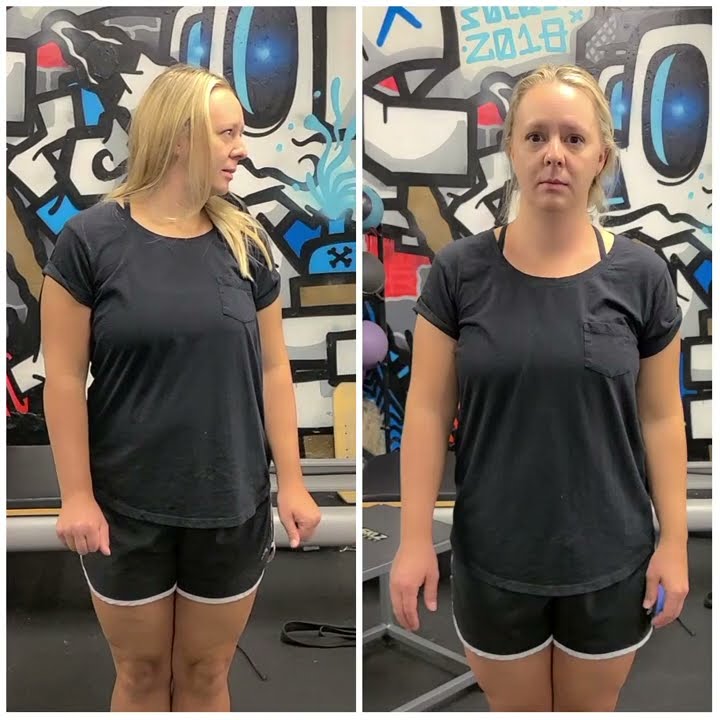 Play video: Client testimonial: Monique, 4 weeks of neck pain rated 7/10
 “I tried a new move in yoga. I woke up the next morning and couldn't move my neck”
— Danielle, 6 weeks of 7/10 neck painYour results may vary.
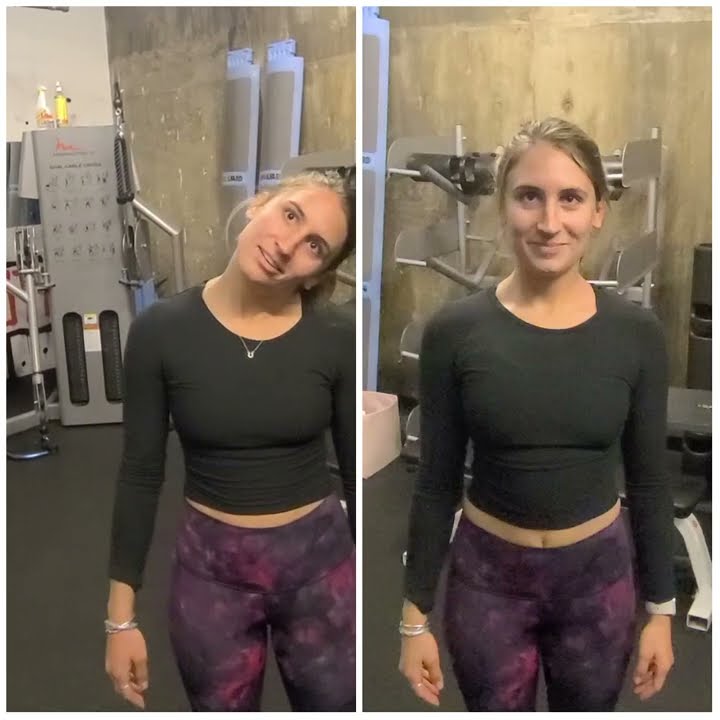 Play video: Client testimonial: Danielle, 6 weeks of neck pain rated 7/10
 “After 3 years I didn't think anyone could help me fix my neck”
— Sandy, 3 years of 8/10 neck painYour results may vary.
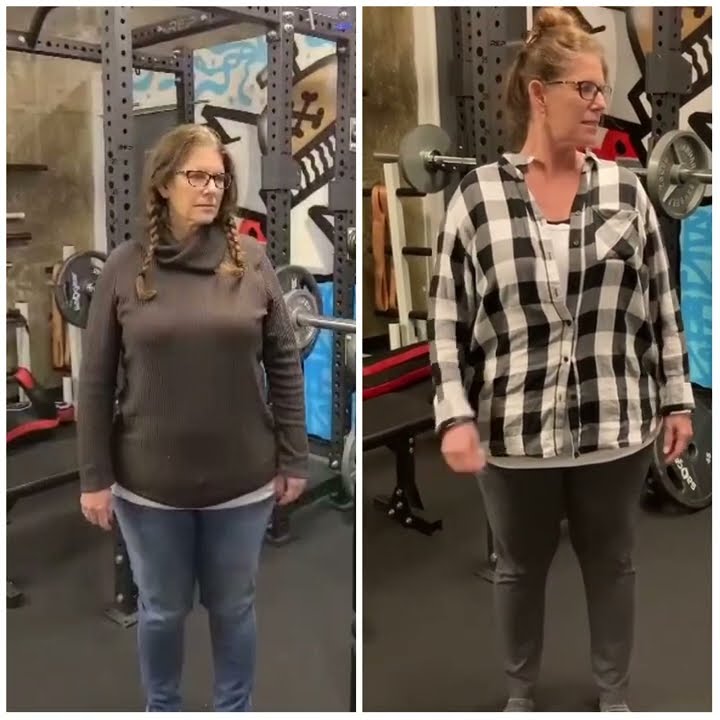 Play video: Client testimonial: Sandy, 3 years of neck pain rated 8/10
 “My office job means my neck is in constant pain, nothing seems to help”
— Natasha, 4 weeks of 7/10 neck painYour results may vary.
 Play video: Client testimonial: Natasha, 4 weeks of neck pain rated 7/10
 “It's too hard to get in shape when I've had knee pain ever since I can remember”
— Cindy, a lifetime of 6/10 knee painYour results may vary.
 Play video: Client testimonial: Cindy, a lifetime of knee pain rated 6/10
 “I tore my ACL in an MMA match and haven't been able to train since”
— Meghan, 4/10 knee pain after an ACL tearYour results may vary.
 Play video: Client testimonial: Meghan, knee pain after an ACL tear, 4 out of 10 down to 0
 “After my fall my knee was in pain and I couldn't stand on one leg”
— Brad, 6 months of 6/10 knee painYour results may vary.
 Play video: Client testimonial: Brad, 6 months of knee pain rated 6/10
 “I got surgery on my shoulder 2 years ago and have been getting rolfing and PT”
— Samantha, 5 years of 7/10 shoulder painYour results may vary.
 Play video: Client testimonial: Samantha, 5 years of shoulder pain rated 7/10
 “My shoulder numbness and tingling was so bad I drove 2 hours to see Jamie Atlas”
— Heather, 6 weeks of 10/10 shoulder nerve painYour results may vary.
 Play video: Client testimonial: Heather, 6 weeks of shoulder nerve pain rated 10/10
 “I've been in physical therapy for 6 months and I'm stalled on my results”
— Judy, 6 months of 10/10 shoulder painYour results may vary.
 Play video: Client testimonial: Judy, 6 months of shoulder pain rated 10/10
 “My shoulder pain meant I couldn't take my shirt on or off without hurting”
— Sharon, 4 months of 6/10 shoulder painYour results may vary.
 Play video: Client testimonial: Sharon, 4 months of shoulder pain rated 6/10
 “3 surgeries over 10 years and I still can't get my shoulder above my head”
— Clay, 10 years of 7/10 shoulder painYour results may vary.
 Play video: Client testimonial: Clay, 10 years of shoulder pain rated 7/10
 “Taking my dog for a walk he pulled on my shoulder and now it hurts to move”
— Kendall, 2 weeks of 6/10 shoulder painYour results may vary.
 Play video: Client testimonial: Kendall, 2 weeks of shoulder pain rated 6/10
 “I was squatting at the gym when I felt a pop and my leg went numb”
— Kelly, 12 months of 8/10 back painYour results may vary.
 Play video: Client testimonial: Kelly, 12 months of back pain rated 8/10
 “After the car accident the hospital said I was fine but my back pain says otherwise”
— Dax, 5 days of 10/10 back painYour results may vary.
 Play video: Client testimonial: Dax, 5 days of back pain rated 10/10
 “Playing football has left me with constant back pain that I can't get rid of”
— Matthew, 7 weeks of 7/10 back painYour results may vary.
 Play video: Client testimonial: Matthew, 7 weeks of back pain rated 7/10
 “I went to Pilates to fix my back but it ended up making it worse”
— Colleen, 8 weeks of 7/10 back painYour results may vary.
 Play video: Client testimonial: Colleen, 8 weeks of back pain rated 7/10
 “I was thrown from a horse and couldn't bend over without pain”
— Katrina, 4 weeks of 6/10 back painYour results may vary.
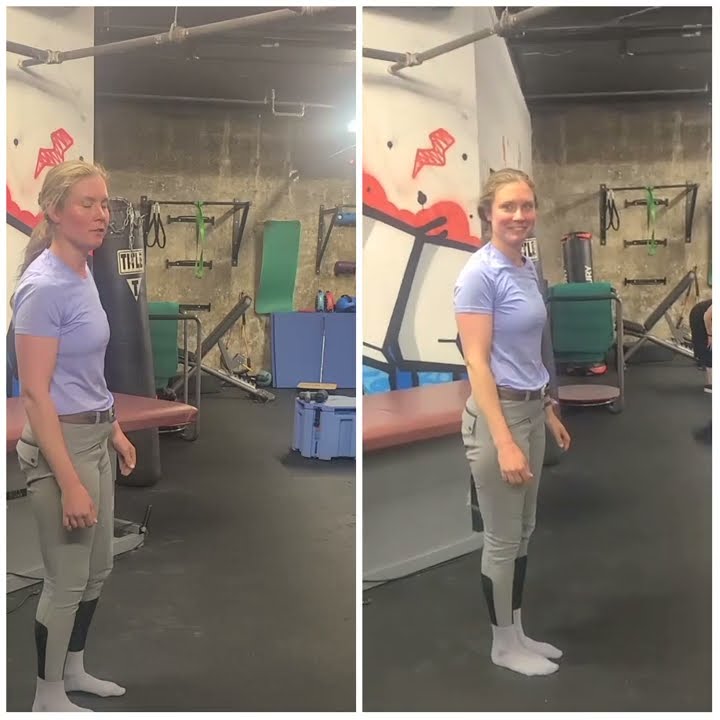 Play video: Client testimonial: Katrina, 4 weeks of back pain rated 6/10
 “This 9/10 back pain is stopping me from sleeping at night”
— Alexis, 2 months of 10/10 back painYour results may vary.
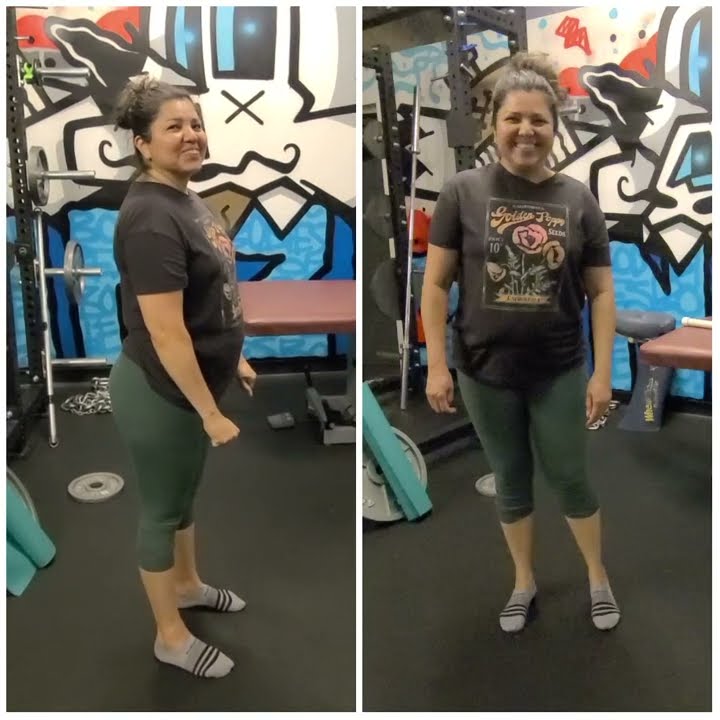 Play video: Client testimonial: Alexis, 2 months of back pain rated 10/10
 “My back pain is so bad I can't put on my shoes”
— Penelope, 5 weeks of 7/10 back painYour results may vary.
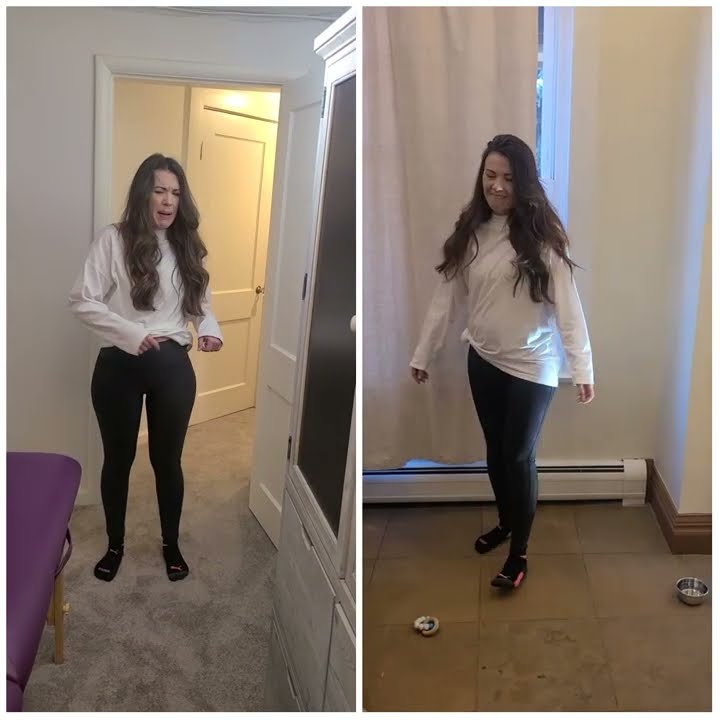 Play video: Client testimonial: Penelope, 5 weeks of back pain rated 7/10
 “Living with back pain has me living at a 7/10 pain that I can't find relief from”
— Chris, 8 weeks of 7/10 back painYour results may vary.
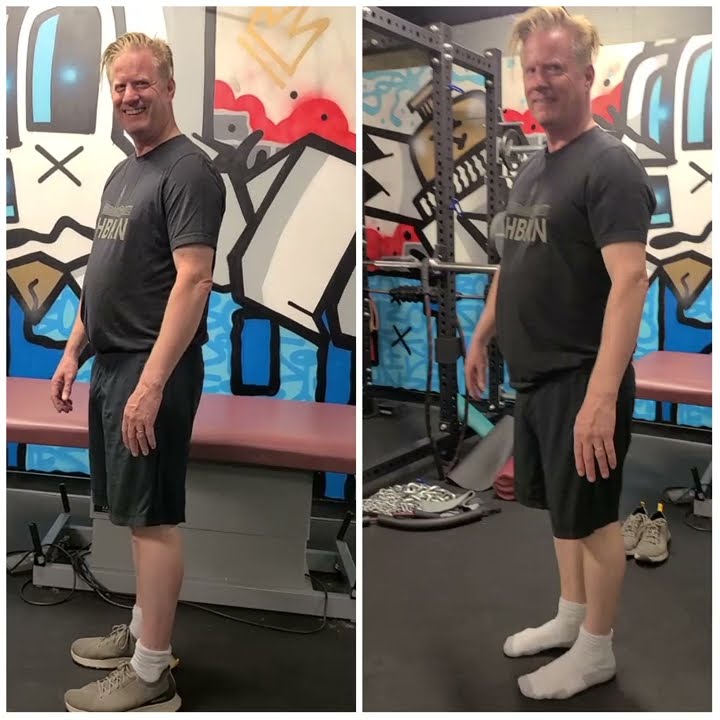 Play video: Client testimonial: Chris, 8 weeks of back pain rated 7/10
 “I have a herniated L4/L5 and my sciatic pain feels like a screwdriver in my back”
— Kendra, 2 years of shooting sciatic painYour results may vary.
 Play video: Client testimonial: Kendra, two years of shooting sciatic pain resolved
 “The doctor told me my spondylolisthesis back pain could only be cured with surgery”
— Tony, 2 weeks of lightning-bolt back painYour results may vary.
 Play video: Client testimonial: Tony, two weeks of severe back pain down to 1 out of 10
 The stance gets wider, and the step gets high
Change one: width. Snowshoes are wider than your feet. To avoid clipping one frame with the other, you walk with your legs further apart than you ever normally would — for hours. That widened stance loads the inner and outer thigh continuously in a way walking does not. The adductors work to control the leg, and the glute medius on the outside of the hip works to hold the pelvis level over a base that keeps changing width.
Change two: height. In anything deeper than a few inches you can't swing the leg through. You have to lift it — hip flexed high, foot clearing the snow — then place it down and transfer weight onto an unpredictable surface. That's a high-knee march under load, repeated for thousands of steps, with a brief single-leg balance on soft ground between each one.
Combine them and you get the actual demand: lift high, place wide, balance on it, repeat — while the ground gives way differently every time. Compare that with the braking-heavy demand of summer trail hiking and it's clear why one doesn't prepare you for the other.
Train the specific thing
The drill that matches this best is a squat with a lateral step-over. Tip a sturdy chair over sideways, so the seat forms a vertical barrier about knee height. Stand beside it, feet shoulder-width, in a squat position.
Squat down. As you stand up, lift one leg high — knee up, foot clearing — and bring it over the barrier. Place it down slowly and lightly on the other side. Then bring it back over to where it started. Three sets of ten to twelve per leg.
Keep the pelvis level and the torso tall. If you have to lean away to get the leg over, the leg is going higher than your hip can actually take it, and you're borrowing the difference from your low back. Lower the barrier.
What it trains: hip flexor strength at height, adductor and abductor control through the lateral movement, single-leg balance on the standing side, and trunk control holding the whole thing together. Add the glute work for the lateral hip, and the reactive balance progressions for the soft, unpredictable surface.
The backcountry variable nobody trains
Fatigue changes movement quality before it changes pace. The step gets lower, the foot starts catching the snow, and the trip risk climbs — usually on the way back, when you're furthest from the car and least interested in slowing down.
Train the drill to good form, not to failure. Form failure under fatigue is the exact thing you're trying to push further out.
And the altitude arithmetic is real. A trailhead at 9,000 feet with a pack, in cold, breaking trail, is a different physiological event from the same distance in July. Plan the turnaround before you start. If you're building a whole winter season, the ski season prep guide covers the strength, balance, mobility and endurance base that all of this sits on.
If you're coming back from something
A repaired knee, a hip that's been operated on, or a back that's had a bad episode will all tolerate this — but will tolerate depends on specifics: how much hip flexion under load, how much lateral demand, how long. Those are answerable questions, and answering them beforehand is a better plan than finding out four miles in.
Common questions
Why am I sore in different places after snowshoeing than after hiking?
Two things change. Snowshoes are wider than your feet, so you walk with your legs further apart than normal for hours — which loads the inner and outer thigh continuously in a way walking does not. And in anything deeper than a few inches you cannot swing the leg through; you have to lift it, hip flexed high, and place it on an unpredictable surface. Wide stance plus high step is why the soreness lands in places hiking never finds.
What exercise best prepares you for snowshoeing?
A squat with a lateral step-over. Tip a sturdy chair sideways so the seat forms a vertical barrier about knee height, stand beside it, squat, and as you stand lift one leg high and bring it over the barrier — placing it down slowly and lightly before bringing it back. Three sets of ten to twelve per leg. It trains hip flexor strength at height, adductor and abductor control, single-leg balance and trunk control, which is more or less the whole job.
Can I snowshoe after a knee or hip operation?
Usually yes, but "usually" depends on specifics: how much hip flexion under load, how much lateral demand, and for how long. Those are answerable questions, and answering them before you go is a better plan than finding out four miles in. If you have been cleared but nobody has tested your repaired side against this particular demand, that gap is worth closing first.
I first covered snowshoe preparation in The Denver Post, December 2011. See the full Denver Post series.
Want to know what your repaired side can actually take?
A 30-minute assessment, $57: your history, my plain read on whether I can help, and one change you can measure before you leave.
Book a 30-minute assessmentOr call (720) 257-9328 · Read about knee pain