
Resources · Skiing
Ski stretches that actually help
Stretching is the most argued-about corner of ski prep — oversold by one camp, dismissed by the other. The truth is quieter: the right mobility work, at the right time, earns its place. Here is what that looks like.
“I picked up my daughter and my neck went numb”
— Monique, 4 weeks of 7/10 neck painYour results may vary.
 Play video: Client testimonial: Monique, 4 weeks of neck pain rated 7/10
 “I tried a new move in yoga. I woke up the next morning and couldn't move my neck”
— Danielle, 6 weeks of 7/10 neck painYour results may vary.
 Play video: Client testimonial: Danielle, 6 weeks of neck pain rated 7/10
 “After 3 years I didn't think anyone could help me fix my neck”
— Sandy, 3 years of 8/10 neck painYour results may vary.
 Play video: Client testimonial: Sandy, 3 years of neck pain rated 8/10
 “My office job means my neck is in constant pain, nothing seems to help”
— Natasha, 4 weeks of 7/10 neck painYour results may vary.
 Play video: Client testimonial: Natasha, 4 weeks of neck pain rated 7/10
 “It's too hard to get in shape when I've had knee pain ever since I can remember”
— Cindy, a lifetime of 6/10 knee painYour results may vary.
 Play video: Client testimonial: Cindy, a lifetime of knee pain rated 6/10
 “I tore my ACL in an MMA match and haven't been able to train since”
— Meghan, 4/10 knee pain after an ACL tearYour results may vary.
 Play video: Client testimonial: Meghan, knee pain after an ACL tear, 4 out of 10 down to 0
 “After my fall my knee was in pain and I couldn't stand on one leg”
— Brad, 6 months of 6/10 knee painYour results may vary.
 Play video: Client testimonial: Brad, 6 months of knee pain rated 6/10
 “I got surgery on my shoulder 2 years ago and have been getting rolfing and PT”
— Samantha, 5 years of 7/10 shoulder painYour results may vary.
 Play video: Client testimonial: Samantha, 5 years of shoulder pain rated 7/10
 “My shoulder numbness and tingling was so bad I drove 2 hours to see Jamie Atlas”
— Heather, 6 weeks of 10/10 shoulder nerve painYour results may vary.
 Play video: Client testimonial: Heather, 6 weeks of shoulder nerve pain rated 10/10
 “I've been in physical therapy for 6 months and I'm stalled on my results”
— Judy, 6 months of 10/10 shoulder painYour results may vary.
 Play video: Client testimonial: Judy, 6 months of shoulder pain rated 10/10
 “My shoulder pain meant I couldn't take my shirt on or off without hurting”
— Sharon, 4 months of 6/10 shoulder painYour results may vary.
 Play video: Client testimonial: Sharon, 4 months of shoulder pain rated 6/10
 “3 surgeries over 10 years and I still can't get my shoulder above my head”
— Clay, 10 years of 7/10 shoulder painYour results may vary.
 Play video: Client testimonial: Clay, 10 years of shoulder pain rated 7/10
 “Taking my dog for a walk he pulled on my shoulder and now it hurts to move”
— Kendall, 2 weeks of 6/10 shoulder painYour results may vary.
 Play video: Client testimonial: Kendall, 2 weeks of shoulder pain rated 6/10
 “I was squatting at the gym when I felt a pop and my leg went numb”
— Kelly, 12 months of 8/10 back painYour results may vary.
 Play video: Client testimonial: Kelly, 12 months of back pain rated 8/10
 “After the car accident the hospital said I was fine but my back pain says otherwise”
— Dax, 5 days of 10/10 back painYour results may vary.
 Play video: Client testimonial: Dax, 5 days of back pain rated 10/10
 “Playing football has left me with constant back pain that I can't get rid of”
— Matthew, 7 weeks of 7/10 back painYour results may vary.
 Play video: Client testimonial: Matthew, 7 weeks of back pain rated 7/10
 “I went to Pilates to fix my back but it ended up making it worse”
— Colleen, 8 weeks of 7/10 back painYour results may vary.
 Play video: Client testimonial: Colleen, 8 weeks of back pain rated 7/10
 “I was thrown from a horse and couldn't bend over without pain”
— Katrina, 4 weeks of 6/10 back painYour results may vary.
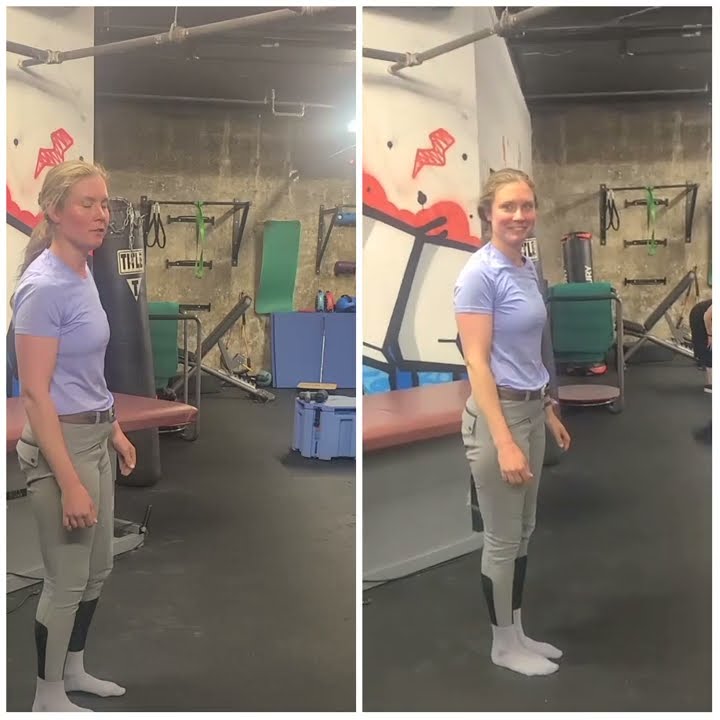 Play video: Client testimonial: Katrina, 4 weeks of back pain rated 6/10
 “This 9/10 back pain is stopping me from sleeping at night”
— Alexis, 2 months of 10/10 back painYour results may vary.
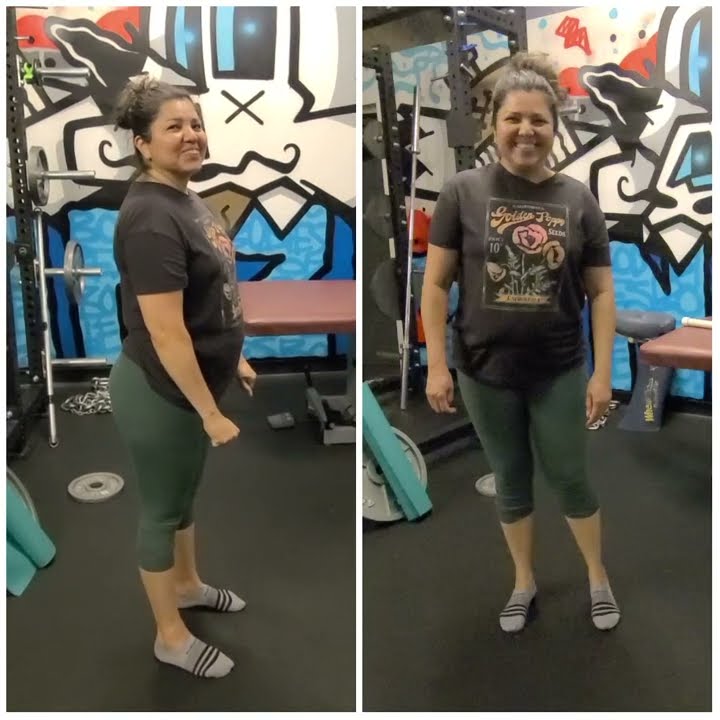 Play video: Client testimonial: Alexis, 2 months of back pain rated 10/10
 “My back pain is so bad I can't put on my shoes”
— Penelope, 5 weeks of 7/10 back painYour results may vary.
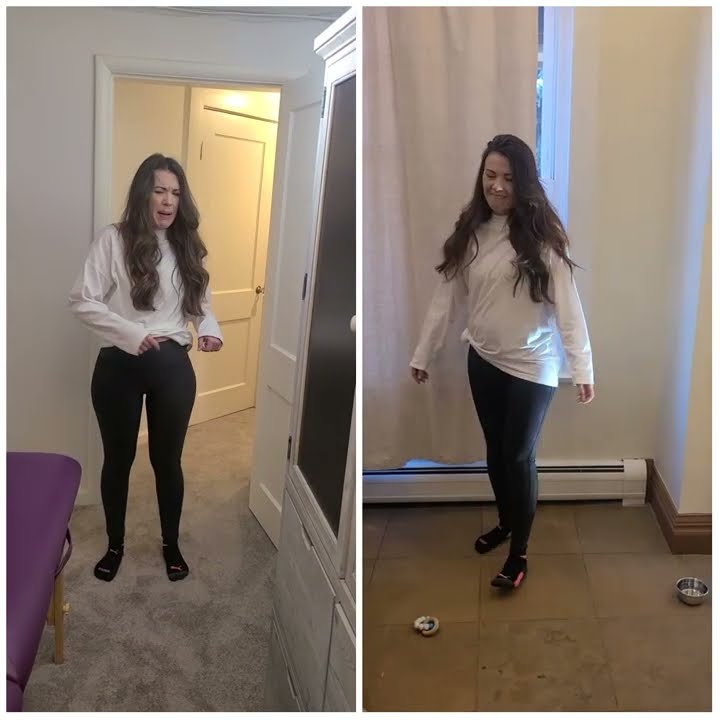 Play video: Client testimonial: Penelope, 5 weeks of back pain rated 7/10
 “Living with back pain has me living at a 7/10 pain that I can't find relief from”
— Chris, 8 weeks of 7/10 back painYour results may vary.
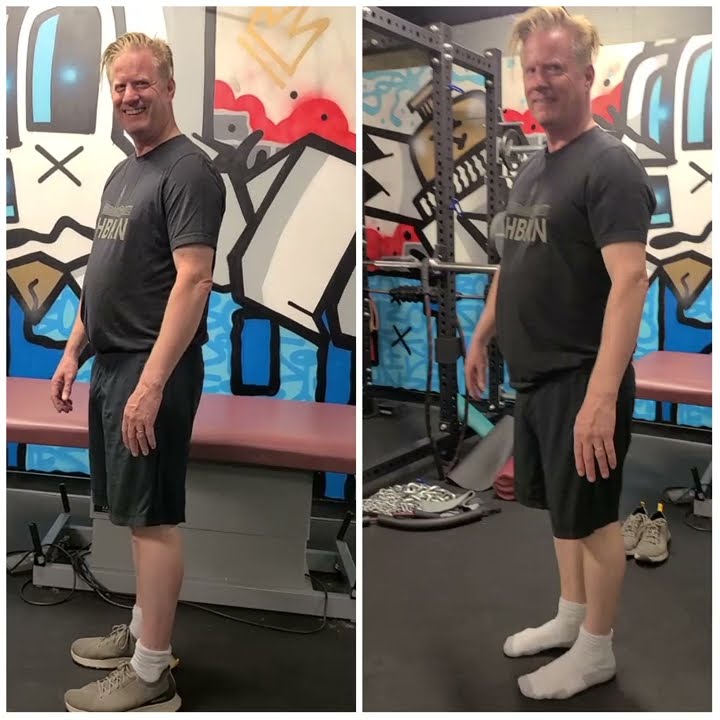 Play video: Client testimonial: Chris, 8 weeks of back pain rated 7/10
 “I have a herniated L4/L5 and my sciatic pain feels like a screwdriver in my back”
— Kendra, 2 years of shooting sciatic painYour results may vary.
 Play video: Client testimonial: Kendra, two years of shooting sciatic pain resolved
 “The doctor told me my spondylolisthesis back pain could only be cured with surgery”
— Tony, 2 weeks of lightning-bolt back painYour results may vary.
 Play video: Client testimonial: Tony, two weeks of severe back pain down to 1 out of 10
 From the archive — and proudly so
This one is older than the others in the series, from my early Denver years — and that is exactly why it is here. I have been preparing Denver skiers for the mountain since 2008, and the fundamentals in this clip have not changed: they have just been joined by better strength and balance methods, covered in the rest of the series.
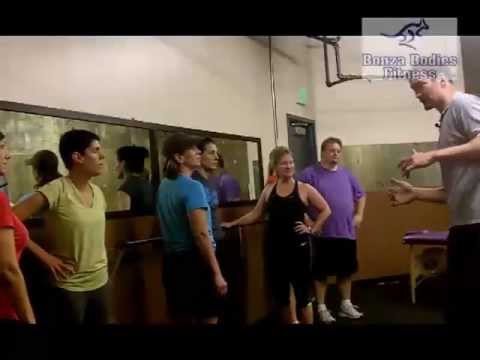 Play video: Ski stretches — Denver ski conditioning video from Jamie's early years
 Where mobility fits in ski prep
A ski turn is a mobility test you take at speed. Absorbing a compression asks your ankles and hips for range. Angulating into an edge asks your trunk and hips to rotate while your legs do something different. If the range is not there, the movement still happens — it just gets borrowed from somewhere less suited to it, usually the knees or the lower back.
The modern picture on stretching is more useful than the old one: timing decides its value. Before you ski, move through range dynamically — leg swings, deep squats, rotations — to warm up and rehearse. After the day, or on off evenings, longer holds for hip flexors, quads, calves and glutes help restore what boots and chairlifts took. And through the season, mobility work paired with strength — the approach in the ski squats article — turns new range into range you can actually use.
One area deserves special mention for anyone over 40: the hips. Desk hours shorten the front of the hip year-round, then ski season asks that same hip to extend, rotate and absorb. The gap between those two demands is where a lot of Decembers go wrong — and it is very trainable.
Common questions
Should I stretch before skiing?
Not the way most people do it. Long static holds in the cold parking lot do little for performance and nothing for warmth. Before skiing, movement beats holding: leg swings, deep bodyweight squats, trunk rotations — two or three minutes that raise temperature and rehearse the ranges you are about to use. Save the longer holds for after the day, or for evenings during the season.
What should skiers actually stretch?
The hips and ankles earn most of the attention. Hip flexors and quads shorten from all the sitting we do between ski days; tight ones steal range from your turn and hand extra work to the lower back. Ankles matter because a boot fixes them in one position all day — the range you have when you buckle in is all you get. Calves, glutes and the trunk rotators round out the list.
Is being flexible enough to prevent ski injuries?
No — and flexibility without control can even work against you. Range of motion you cannot produce strength in is range your joints pass through unprotected. That is why this article pairs with the strength and balance work in the rest of the series: mobility opens the range, strength owns it. Do both and the mountain has fewer surprises for you.
Stiff where skiing needs you supple?
A 30-minute assessment, $57: your history, my plain read on whether I can help, and one change you can measure before you leave. Denver ski conditioning since 2008.
Book a 30-minute assessment