
Resources · Skiing
Ski season prep: the complete Denver guide
Every fall the same thing happens: two months of good intentions get compressed into two weeks of squats, and the mountain gets to deliver the verdict. Ski prep is not one exercise — it is four jobs, and this guide covers all of them.
“I picked up my daughter and my neck went numb”
— Monique, 4 weeks of 7/10 neck painYour results may vary.
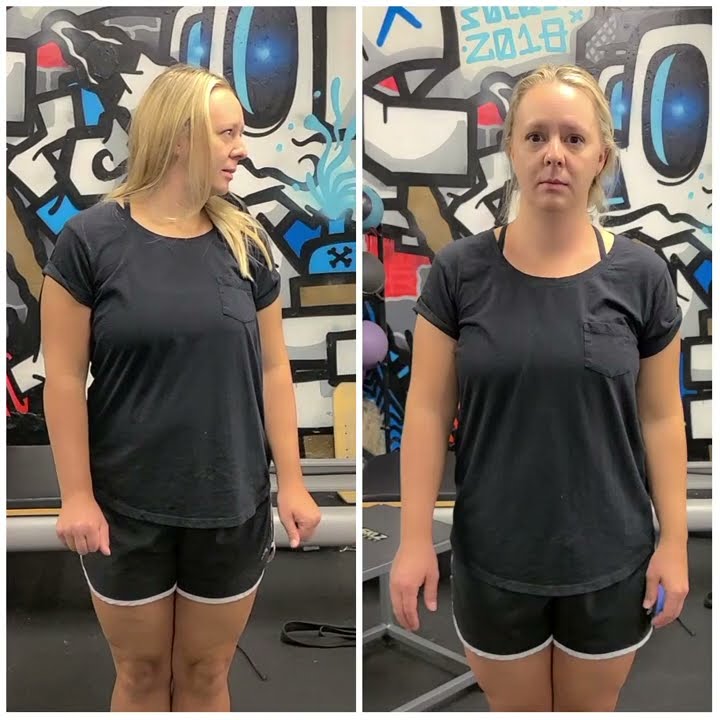 Play video: Client testimonial: Monique, 4 weeks of neck pain rated 7/10
 “I tried a new move in yoga. I woke up the next morning and couldn't move my neck”
— Danielle, 6 weeks of 7/10 neck painYour results may vary.
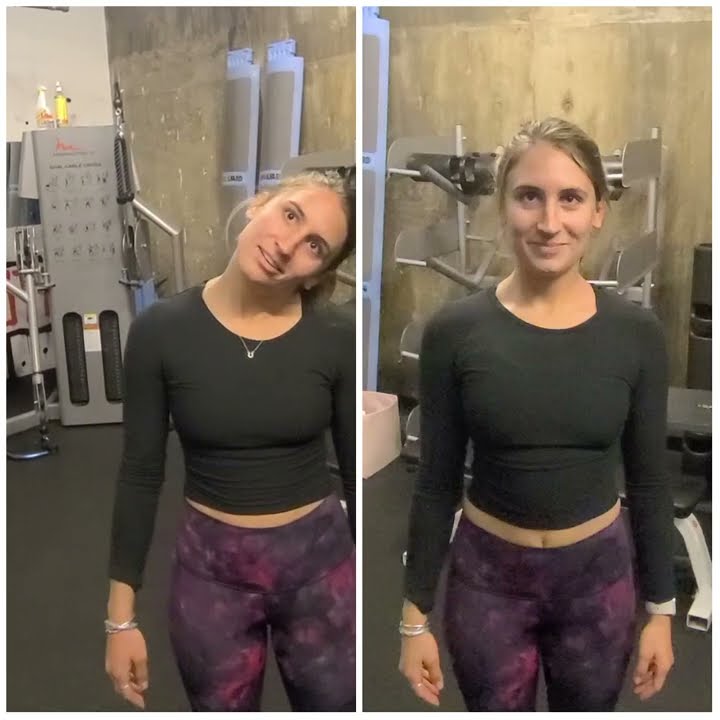 Play video: Client testimonial: Danielle, 6 weeks of neck pain rated 7/10
 “After 3 years I didn't think anyone could help me fix my neck”
— Sandy, 3 years of 8/10 neck painYour results may vary.
 Play video: Client testimonial: Sandy, 3 years of neck pain rated 8/10
 “My office job means my neck is in constant pain, nothing seems to help”
— Natasha, 4 weeks of 7/10 neck painYour results may vary.
 Play video: Client testimonial: Natasha, 4 weeks of neck pain rated 7/10
 “It's too hard to get in shape when I've had knee pain ever since I can remember”
— Cindy, a lifetime of 6/10 knee painYour results may vary.
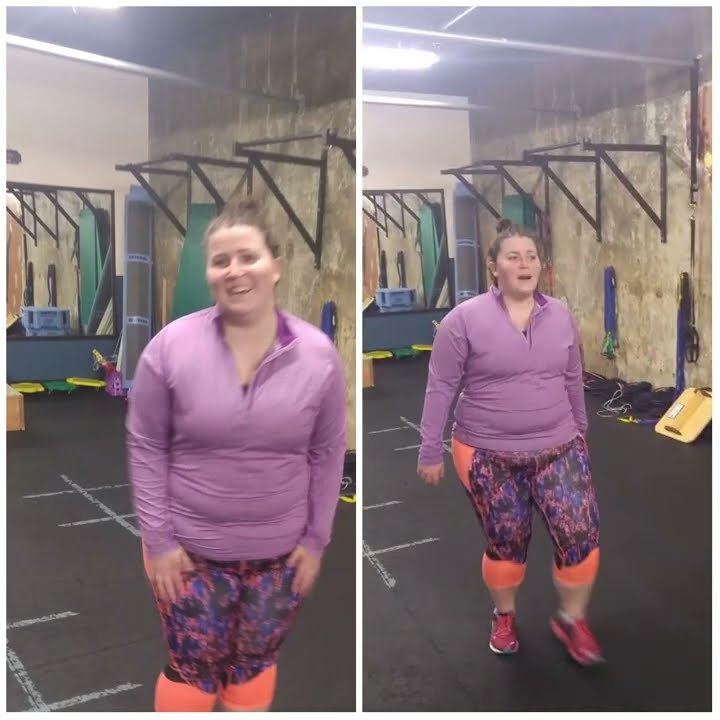 Play video: Client testimonial: Cindy, a lifetime of knee pain rated 6/10
 “I tore my ACL in an MMA match and haven't been able to train since”
— Meghan, 4/10 knee pain after an ACL tearYour results may vary.
 Play video: Client testimonial: Meghan, knee pain after an ACL tear, 4 out of 10 down to 0
 “After my fall my knee was in pain and I couldn't stand on one leg”
— Brad, 6 months of 6/10 knee painYour results may vary.
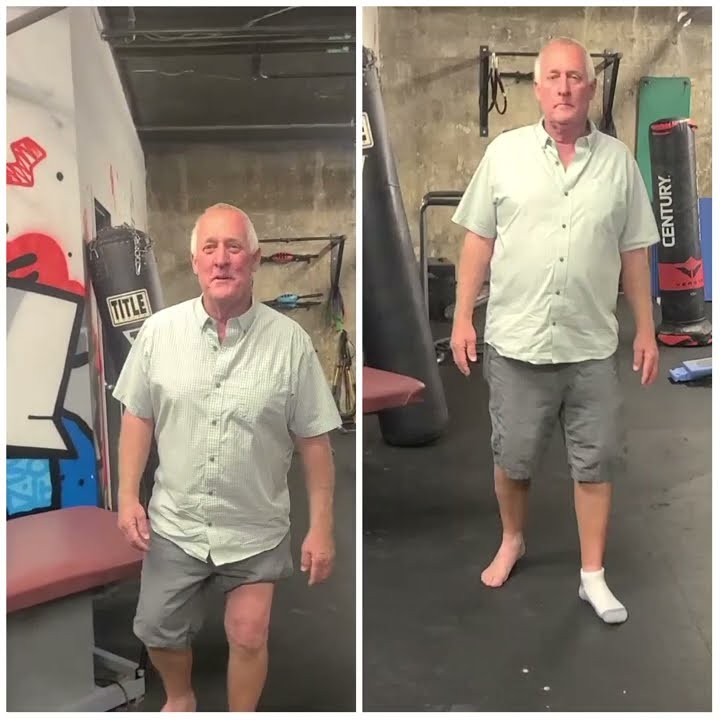 Play video: Client testimonial: Brad, 6 months of knee pain rated 6/10
 “I got surgery on my shoulder 2 years ago and have been getting rolfing and PT”
— Samantha, 5 years of 7/10 shoulder painYour results may vary.
 Play video: Client testimonial: Samantha, 5 years of shoulder pain rated 7/10
 “My shoulder numbness and tingling was so bad I drove 2 hours to see Jamie Atlas”
— Heather, 6 weeks of 10/10 shoulder nerve painYour results may vary.
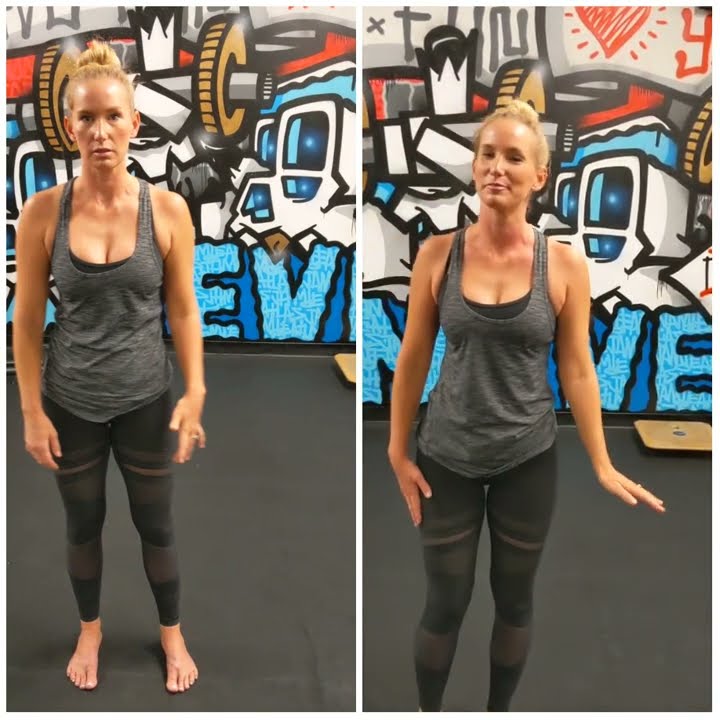 Play video: Client testimonial: Heather, 6 weeks of shoulder nerve pain rated 10/10
 “I've been in physical therapy for 6 months and I'm stalled on my results”
— Judy, 6 months of 10/10 shoulder painYour results may vary.
 Play video: Client testimonial: Judy, 6 months of shoulder pain rated 10/10
 “My shoulder pain meant I couldn't take my shirt on or off without hurting”
— Sharon, 4 months of 6/10 shoulder painYour results may vary.
 Play video: Client testimonial: Sharon, 4 months of shoulder pain rated 6/10
 “3 surgeries over 10 years and I still can't get my shoulder above my head”
— Clay, 10 years of 7/10 shoulder painYour results may vary.
 Play video: Client testimonial: Clay, 10 years of shoulder pain rated 7/10
 “Taking my dog for a walk he pulled on my shoulder and now it hurts to move”
— Kendall, 2 weeks of 6/10 shoulder painYour results may vary.
 Play video: Client testimonial: Kendall, 2 weeks of shoulder pain rated 6/10
 “I was squatting at the gym when I felt a pop and my leg went numb”
— Kelly, 12 months of 8/10 back painYour results may vary.
 Play video: Client testimonial: Kelly, 12 months of back pain rated 8/10
 “After the car accident the hospital said I was fine but my back pain says otherwise”
— Dax, 5 days of 10/10 back painYour results may vary.
 Play video: Client testimonial: Dax, 5 days of back pain rated 10/10
 “Playing football has left me with constant back pain that I can't get rid of”
— Matthew, 7 weeks of 7/10 back painYour results may vary.
 Play video: Client testimonial: Matthew, 7 weeks of back pain rated 7/10
 “I went to Pilates to fix my back but it ended up making it worse”
— Colleen, 8 weeks of 7/10 back painYour results may vary.
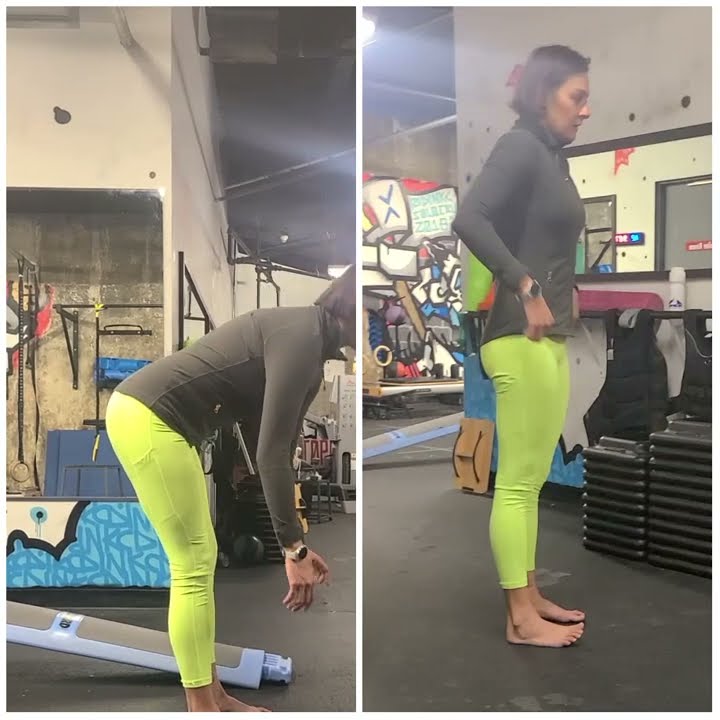 Play video: Client testimonial: Colleen, 8 weeks of back pain rated 7/10
 “I was thrown from a horse and couldn't bend over without pain”
— Katrina, 4 weeks of 6/10 back painYour results may vary.
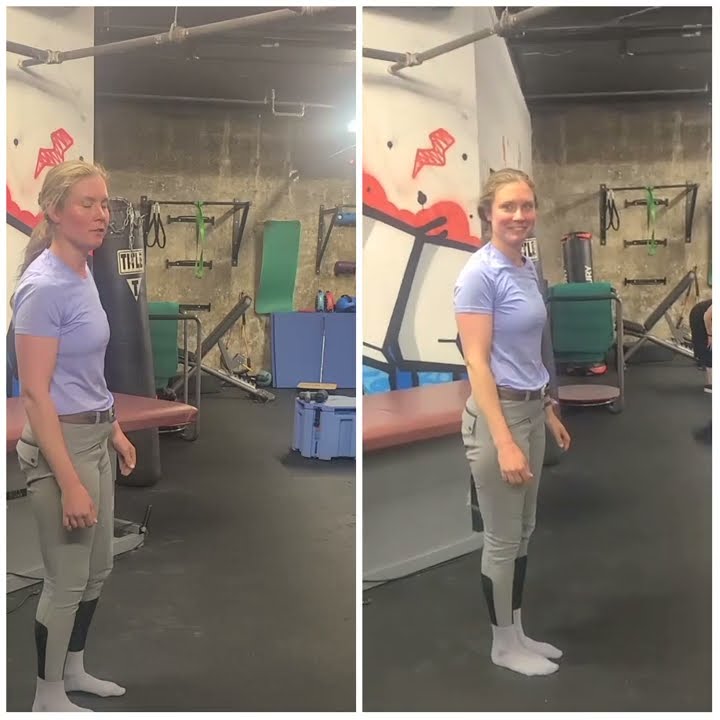 Play video: Client testimonial: Katrina, 4 weeks of back pain rated 6/10
 “This 9/10 back pain is stopping me from sleeping at night”
— Alexis, 2 months of 10/10 back painYour results may vary.
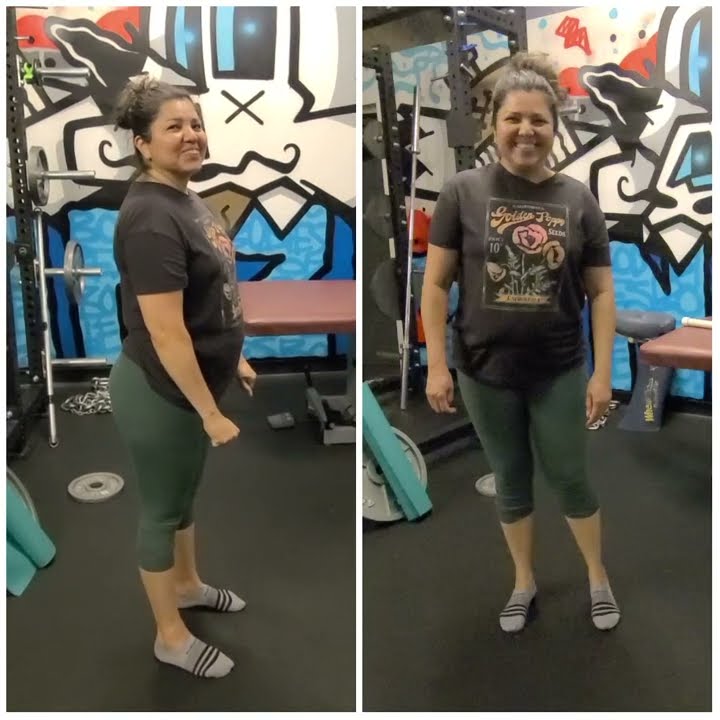 Play video: Client testimonial: Alexis, 2 months of back pain rated 10/10
 “My back pain is so bad I can't put on my shoes”
— Penelope, 5 weeks of 7/10 back painYour results may vary.
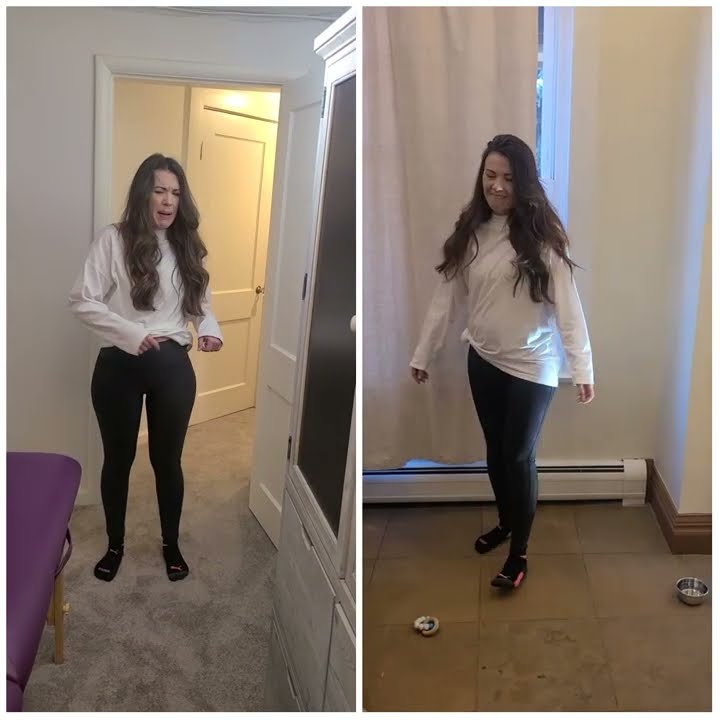 Play video: Client testimonial: Penelope, 5 weeks of back pain rated 7/10
 “Living with back pain has me living at a 7/10 pain that I can't find relief from”
— Chris, 8 weeks of 7/10 back painYour results may vary.
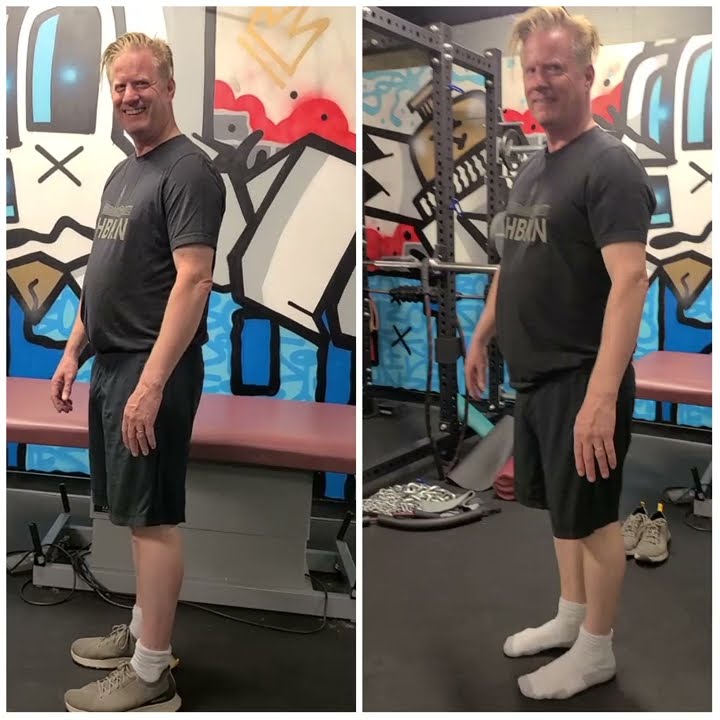 Play video: Client testimonial: Chris, 8 weeks of back pain rated 7/10
 “I have a herniated L4/L5 and my sciatic pain feels like a screwdriver in my back”
— Kendra, 2 years of shooting sciatic painYour results may vary.
 Play video: Client testimonial: Kendra, two years of shooting sciatic pain resolved
 “The doctor told me my spondylolisthesis back pain could only be cured with surgery”
— Tony, 2 weeks of lightning-bolt back painYour results may vary.
 Play video: Client testimonial: Tony, two weeks of severe back pain down to 1 out of 10
 The four jobs of ski prep
Think about what a day on the mountain actually asks of your body. Strength, in the shape of a turn — wide stance, one leg more bent than the other, rotating. Balance that reacts — because snow moves under you, and edges catch. Mobility that lets your hips and ankles absorb terrain instead of your knees taking the bill. And endurance in all three, because the injury statistics pile up in the afternoon, on tired legs, on the "one last run."
Most ski conditioning covers the first job and ignores the rest. That is why you can be gym-strong and still find your legs cooked by lunch — or worse, strong and still hurt, because nothing you trained looked like the moment that got you.
I covered this ground across several seasons of 9NEWS segments. Three of them are below — short, practical, and each one attacking the problem from a different angle.
Getting ready for ski season
The rust-removal segment: if last season ended in April and your training ended with it, this is the starting point — how to wake the right muscles back up while staying injury free.
 Play video: Workout Wednesday: Getting ready for ski season — 9NEWS
 Getting in shape before hitting the slopes
The conditioning segment: building the work capacity that keeps the afternoon runs as controlled as the morning ones.
 Play video: Workout Wednesday: Getting in shape before hitting the slopes — 9NEWS
 For skiers and boarders both
The two sports share a mountain but not a stance. This segment covers preparation that serves both — and where they part ways, the snowboard conditioning article picks up the story.
 Play video: Workout Wednesday: Helping skiers and boarders get ready for the season — 9NEWS
 A season plan that survives real life
September: re-establish the patterns. Wide-stance and uneven squats, easy balance work, the stretches. Two or three short sessions a week. October: add load and rotation — squats with a twist, single-leg work, harder balance progressions. November: add endurance — longer sets, less rest, legs finishing sessions tired but controlled. First powder day: enjoy being the one whose legs still work at 2 pm.
If a knee, hip or back is already complaining as you read this, that changes the plan — not by removing the training, but by shaping it. Pain during movement is information, not automatically damage, and the gap between "cleared" and "confident on a steep run" is exactly the gap this studio exists to close.
The full ski prep series
Ski squats: train for the turn, not the gym
Why the standard squat is the wrong shape for skiing, and four variations that match the turn.
Balance training: train the recovery, not just the legs
Rocker board, BOSU, Core-Tex, and the head-snap drill — with the 9NEWS segment.
Ski stretches that actually help
The mobility side of ski prep — and the video that proves how long this has been part of the toolkit.
Snowboard conditioning
Riding is not skiing. The strength work that matches a sideways stance.
Common questions
When should I start training for ski season?
Eight to twelve weeks before your first day is the realistic runway for noticeable change, which in Colorado means September or early October. Less is still worth doing — even four weeks of targeted work beats arriving at the gondola with legs that last did anything athletic in April.
What is the best exercise to get ready for skiing?
There is no single one, and that is the point of this guide. Skiing asks four different things of your body: leg strength in the shape of a turn, balance that reacts when the surface moves, mobility that lets you absorb terrain, and the rotational control that connects all of it. A program that only covers one of those — usually squats — leaves the other three to luck.
I have not exercised since last season. Where do I start?
Start with the wide-stance and uneven squat variations in the ski squats article, plus five minutes of balance work most days. Build for two or three weeks before adding load or the harder single-leg work. The most common early-season injury story is not weakness — it is doing too much, too fast, in the two weeks before opening day.
Does ski conditioning actually prevent injuries?
No program can promise that, and any that does is overselling. What preparation reliably changes is how your body handles the unplanned moment — the caught edge, the flat-light bump you did not see. Trained hips, reactive ankles and rotational control give the surprise somewhere to go besides your knee. Better odds, not guarantees.
The Denver Post ran my ski conditioning work — including a six-point pre-season list — in December 2010. See the full Denver Post series.
Want a ski prep plan built around your actual body?
A 30-minute assessment, $57: your history, my plain read on whether I can help, and one change you can measure before you leave. I have been running ski conditioning in Denver since 2008.
Book a 30-minute assessmentOr call (720) 257-9328 · See what I work with