Resources · Snowboarding
Snowboard conditioning: train for the board, not the skis
Most "ski and snowboard conditioning" is ski conditioning with the word snowboard added. But you ride sideways, turn from your trunk, and fall onto your hands. Different sport. Different preparation.
“I picked up my daughter and my neck went numb”
— Monique, 4 weeks of 7/10 neck painYour results may vary.
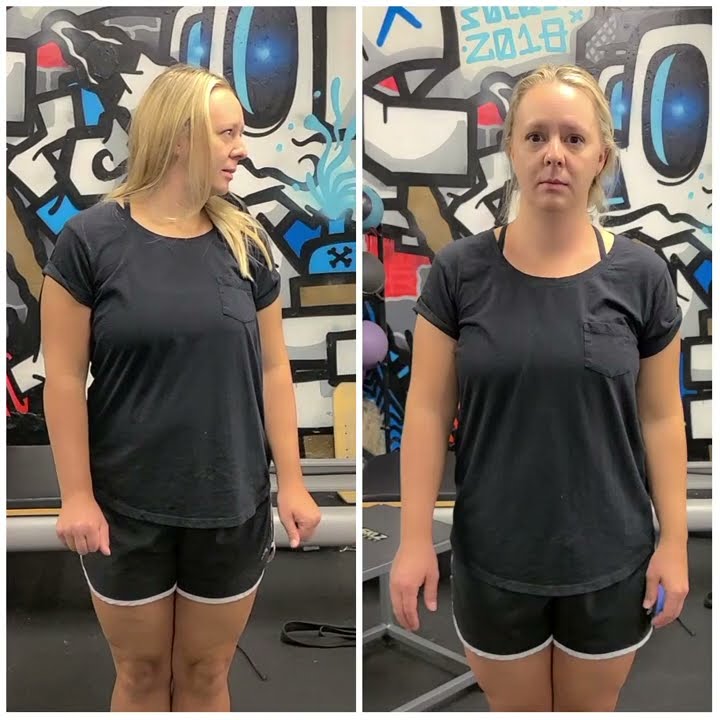 Play video: Client testimonial: Monique, 4 weeks of neck pain rated 7/10
 “I tried a new move in yoga. I woke up the next morning and couldn't move my neck”
— Danielle, 6 weeks of 7/10 neck painYour results may vary.
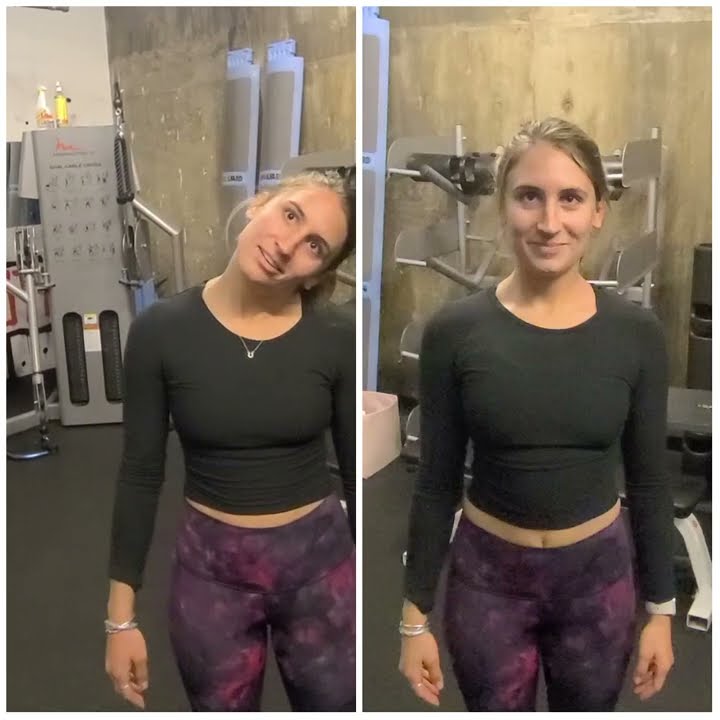 Play video: Client testimonial: Danielle, 6 weeks of neck pain rated 7/10
 “After 3 years I didn't think anyone could help me fix my neck”
— Sandy, 3 years of 8/10 neck painYour results may vary.
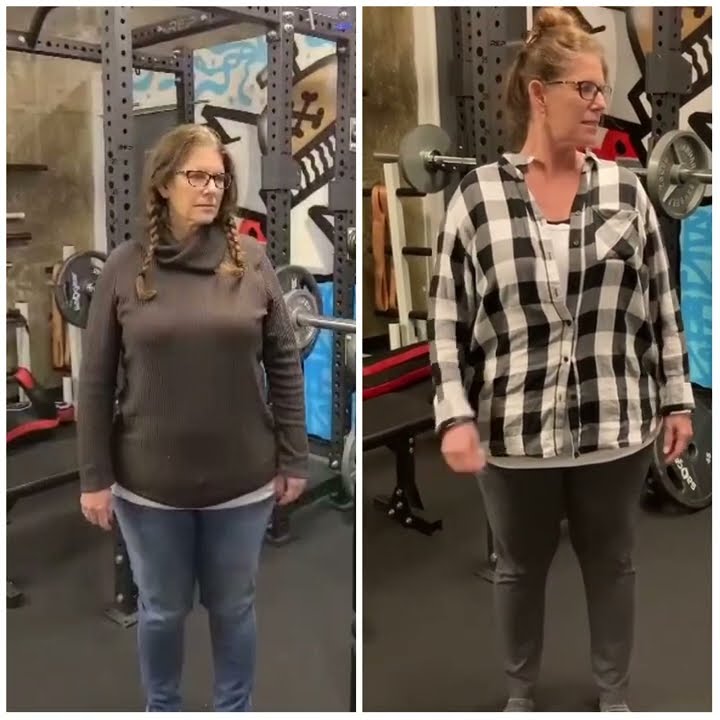 Play video: Client testimonial: Sandy, 3 years of neck pain rated 8/10
 “My office job means my neck is in constant pain, nothing seems to help”
— Natasha, 4 weeks of 7/10 neck painYour results may vary.
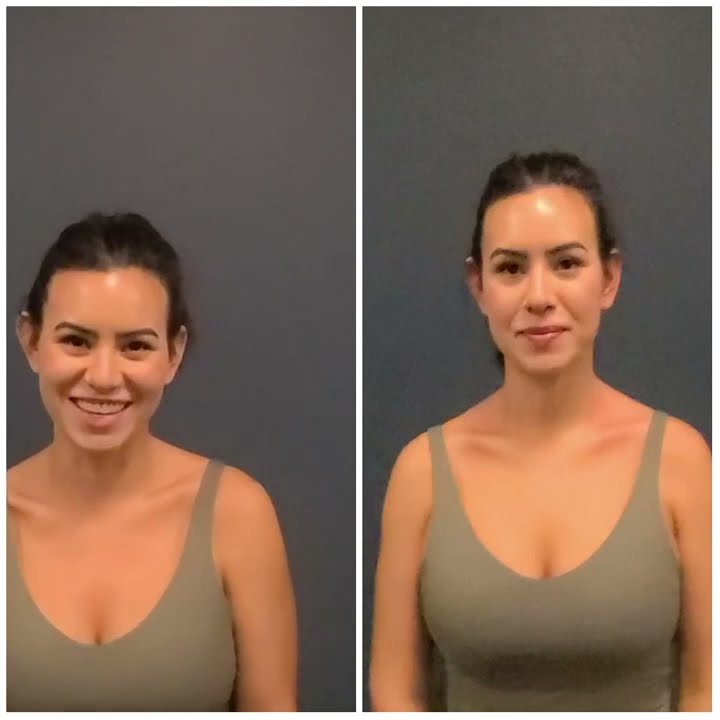 Play video: Client testimonial: Natasha, 4 weeks of neck pain rated 7/10
 “It's too hard to get in shape when I've had knee pain ever since I can remember”
— Cindy, a lifetime of 6/10 knee painYour results may vary.
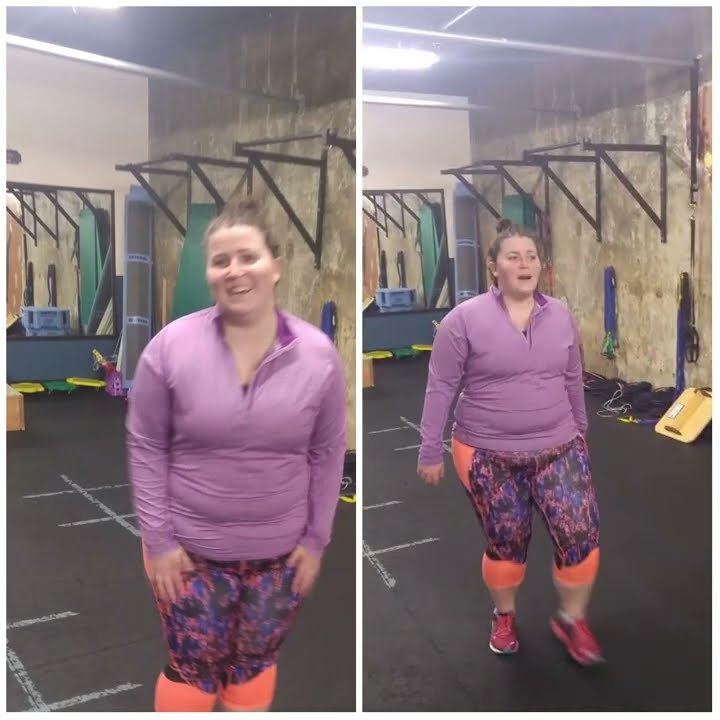 Play video: Client testimonial: Cindy, a lifetime of knee pain rated 6/10
 “I tore my ACL in an MMA match and haven't been able to train since”
— Meghan, 4/10 knee pain after an ACL tearYour results may vary.
 Play video: Client testimonial: Meghan, knee pain after an ACL tear, 4 out of 10 down to 0
 “After my fall my knee was in pain and I couldn't stand on one leg”
— Brad, 6 months of 6/10 knee painYour results may vary.
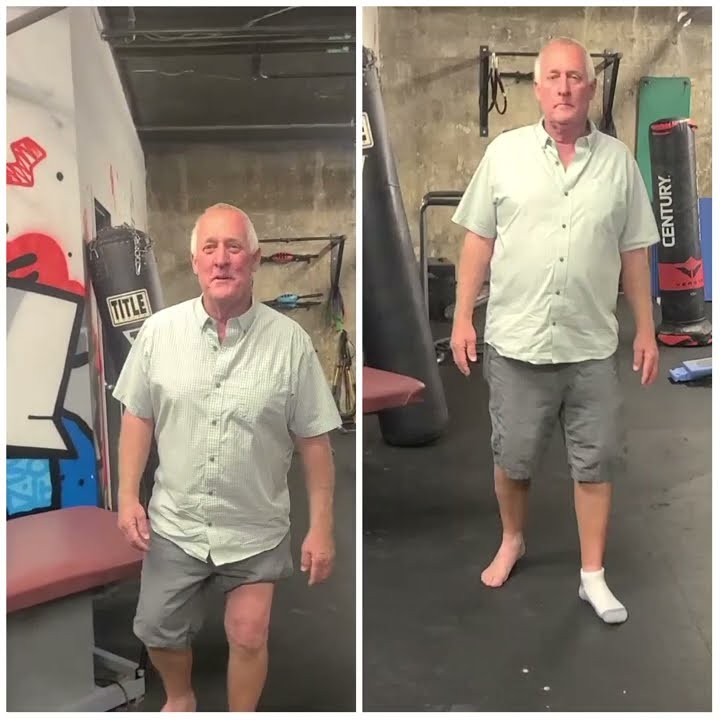 Play video: Client testimonial: Brad, 6 months of knee pain rated 6/10
 “I got surgery on my shoulder 2 years ago and have been getting rolfing and PT”
— Samantha, 5 years of 7/10 shoulder painYour results may vary.
 Play video: Client testimonial: Samantha, 5 years of shoulder pain rated 7/10
 “My shoulder numbness and tingling was so bad I drove 2 hours to see Jamie Atlas”
— Heather, 6 weeks of 10/10 shoulder nerve painYour results may vary.
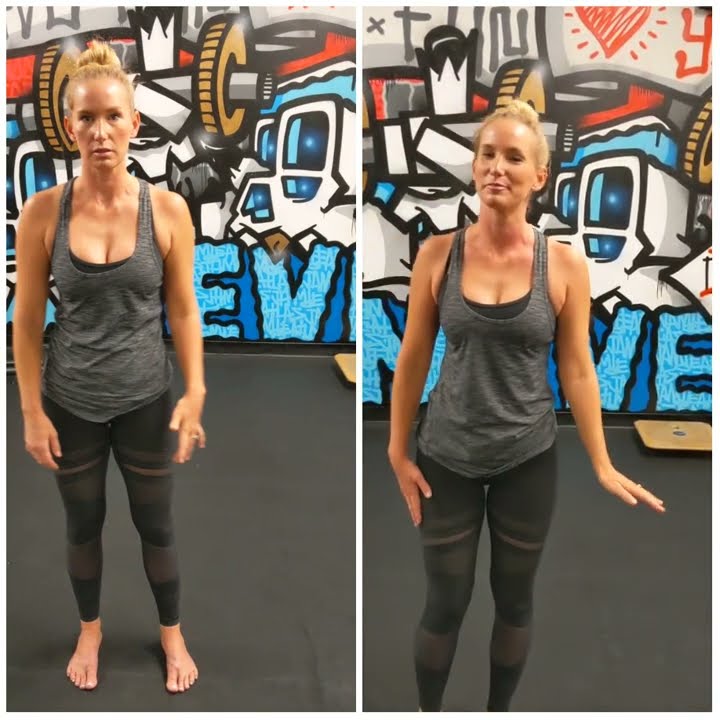 Play video: Client testimonial: Heather, 6 weeks of shoulder nerve pain rated 10/10
 “I've been in physical therapy for 6 months and I'm stalled on my results”
— Judy, 6 months of 10/10 shoulder painYour results may vary.
 Play video: Client testimonial: Judy, 6 months of shoulder pain rated 10/10
 “My shoulder pain meant I couldn't take my shirt on or off without hurting”
— Sharon, 4 months of 6/10 shoulder painYour results may vary.
 Play video: Client testimonial: Sharon, 4 months of shoulder pain rated 6/10
 “3 surgeries over 10 years and I still can't get my shoulder above my head”
— Clay, 10 years of 7/10 shoulder painYour results may vary.
 Play video: Client testimonial: Clay, 10 years of shoulder pain rated 7/10
 “Taking my dog for a walk he pulled on my shoulder and now it hurts to move”
— Kendall, 2 weeks of 6/10 shoulder painYour results may vary.
 Play video: Client testimonial: Kendall, 2 weeks of shoulder pain rated 6/10
 “I was squatting at the gym when I felt a pop and my leg went numb”
— Kelly, 12 months of 8/10 back painYour results may vary.
 Play video: Client testimonial: Kelly, 12 months of back pain rated 8/10
 “After the car accident the hospital said I was fine but my back pain says otherwise”
— Dax, 5 days of 10/10 back painYour results may vary.
 Play video: Client testimonial: Dax, 5 days of back pain rated 10/10
 “Playing football has left me with constant back pain that I can't get rid of”
— Matthew, 7 weeks of 7/10 back painYour results may vary.
 Play video: Client testimonial: Matthew, 7 weeks of back pain rated 7/10
 “I went to Pilates to fix my back but it ended up making it worse”
— Colleen, 8 weeks of 7/10 back painYour results may vary.
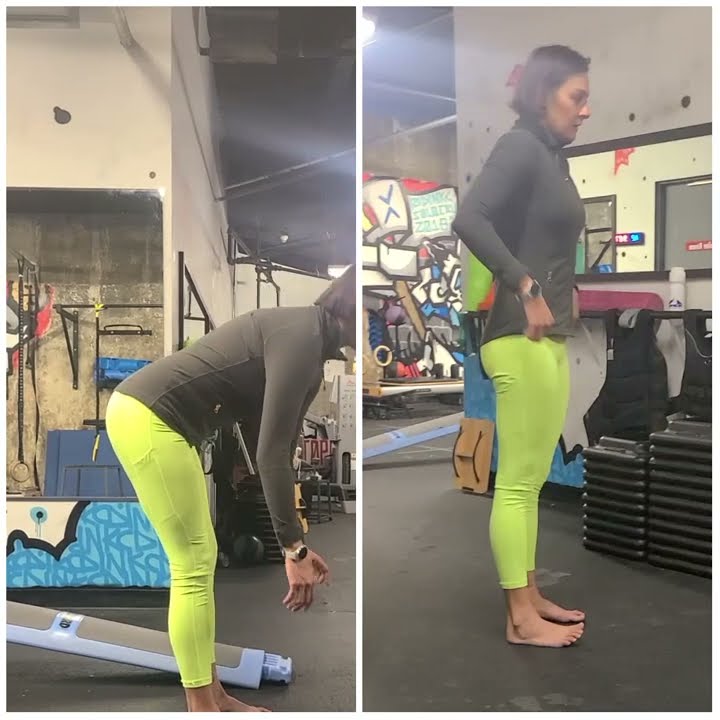 Play video: Client testimonial: Colleen, 8 weeks of back pain rated 7/10
 “I was thrown from a horse and couldn't bend over without pain”
— Katrina, 4 weeks of 6/10 back painYour results may vary.
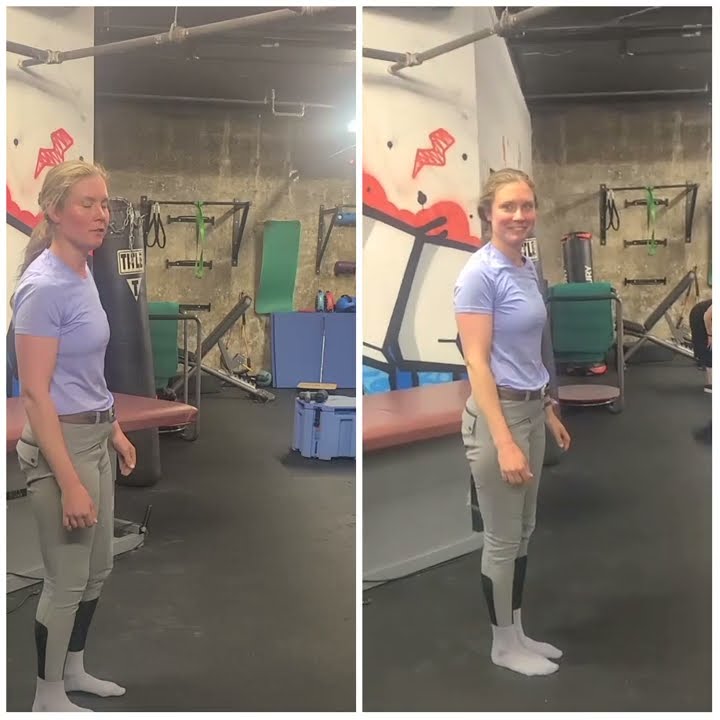 Play video: Client testimonial: Katrina, 4 weeks of back pain rated 6/10
 “This 9/10 back pain is stopping me from sleeping at night”
— Alexis, 2 months of 10/10 back painYour results may vary.
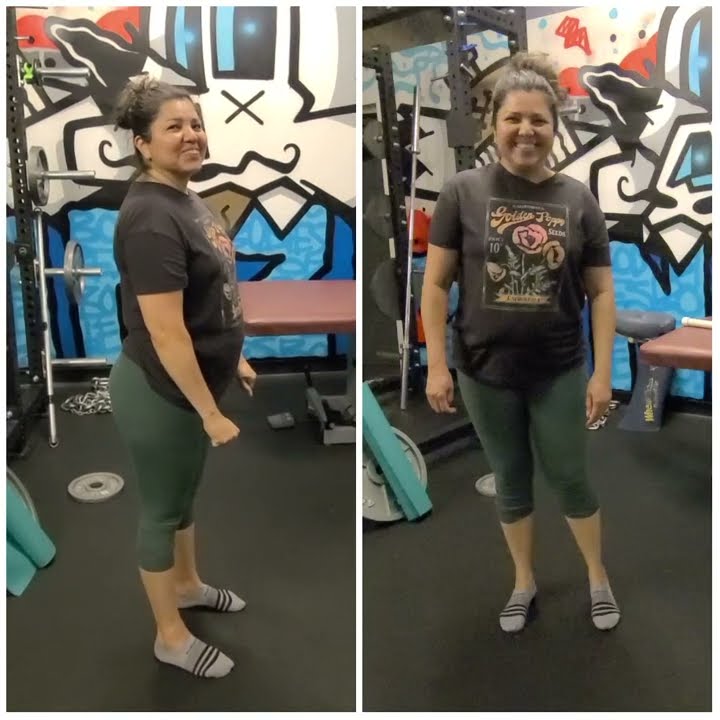 Play video: Client testimonial: Alexis, 2 months of back pain rated 10/10
 “My back pain is so bad I can't put on my shoes”
— Penelope, 5 weeks of 7/10 back painYour results may vary.
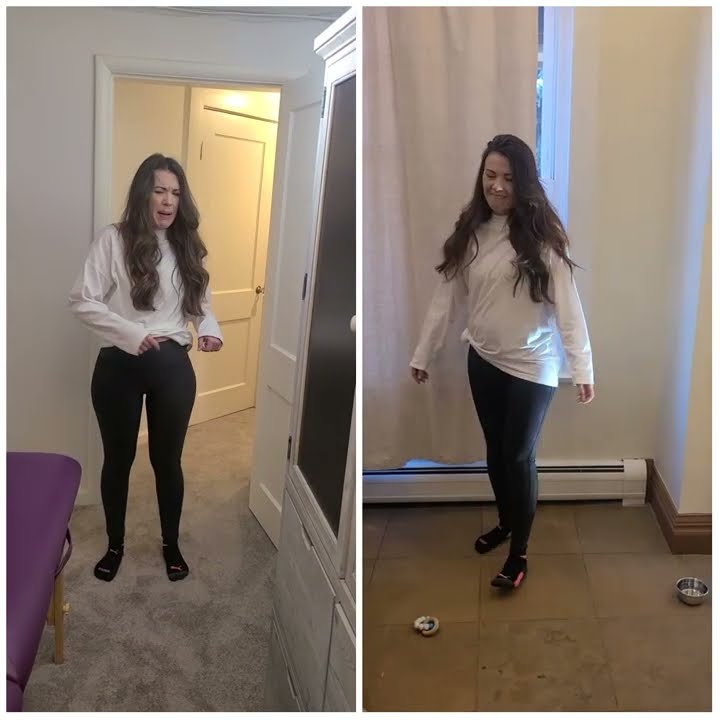 Play video: Client testimonial: Penelope, 5 weeks of back pain rated 7/10
 “Living with back pain has me living at a 7/10 pain that I can't find relief from”
— Chris, 8 weeks of 7/10 back painYour results may vary.
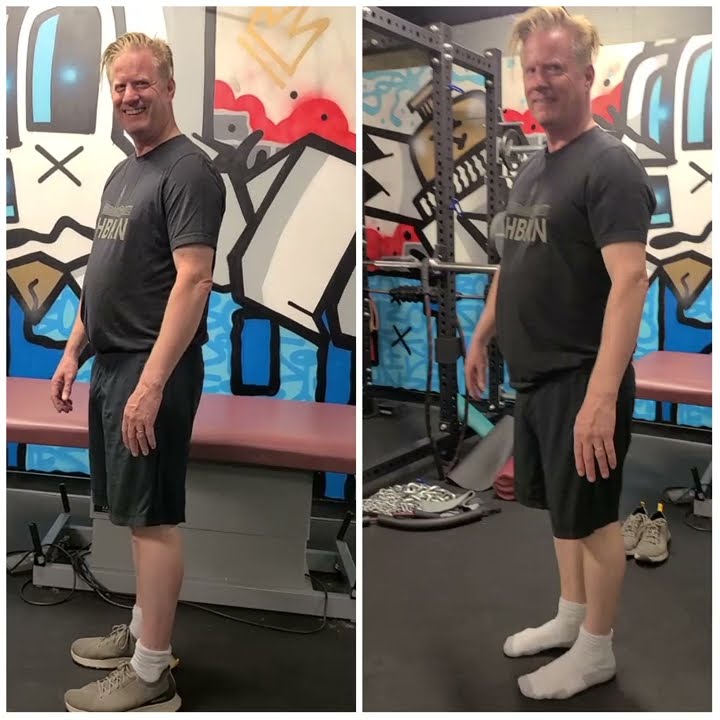 Play video: Client testimonial: Chris, 8 weeks of back pain rated 7/10
 “I have a herniated L4/L5 and my sciatic pain feels like a screwdriver in my back”
— Kendra, 2 years of shooting sciatic painYour results may vary.
 Play video: Client testimonial: Kendra, two years of shooting sciatic pain resolved
 “The doctor told me my spondylolisthesis back pain could only be cured with surgery”
— Tony, 2 weeks of lightning-bolt back painYour results may vary.
 Play video: Client testimonial: Tony, two weeks of severe back pain down to 1 out of 10
 Watch the segment
I put three snowboard-specific exercises on 9NEWS during my time as their fitness expert — ninety seconds, board stance and all.
 Play video: 3 muscle exercises for snowboarders — 9NEWS
 What makes riding different
Both feet on one board changes the physics. A skier can recover with the other leg; a rider cannot. Every correction happens through edge pressure and trunk rotation instead. That is why the rotational work matters more for riders than for almost any other winter athlete — the toe-to-heel transition is a rotation, initiated from the middle of the body, hundreds of times a day.
The injury pattern is different too. Skiers hurt knees; riders hurt wrists and shoulders, because when a board's edge catches there is no stepping out of it — the fall arrives, and hands go down. Conditioning cannot promise to prevent that, but upper-body and trunk strength change what a fall costs, and hip control changes how many falls happen in the first place.
Three training directions that pay off on a board: rotation under load (squats with a twist, band or cable chops), lateral power and landing control (side-to-side hops onto a stable landing, stuck and held), and reactive balance — the moving-surface work covered in the balance training article, which is the closest thing to riding you can do in a gym. On the Core-Tex in my studio, the platform slides under you exactly the way snow does.
If something already hurts
A wrist that never fully recovered from last season's slam, a shoulder that grumbles on toe-side turns, a front knee that has opinions about moguls — these are the things that quietly shrink what you are willing to ride. Pain and damage are not the same thing, avoidance tends to make joints more sensitive rather than less, and the distance between "healed" and "trusting it at speed" is closeable. That distance is the work I do.
Common questions
Is snowboard conditioning different from ski conditioning?
Meaningfully, yes. Skiing loads two independent legs facing forward; snowboarding locks both feet to one board, sideways. That changes everything downstream — riders live in rotation through the trunk, absorb terrain with both legs as a unit, and fall differently, which is why snowboard injuries skew toward wrists and shoulders while ski injuries skew toward knees. Shared foundation, different emphasis.
What muscles matter most for snowboarding?
The trunk rotators and hips run the show — every toe-to-heel transition is a rotation driven from the middle of the body. Underneath that, quads and glutes absorb chatter and landings, and the often-ignored muscles around the shins and calves manage the constant fine adjustments of edge pressure. Riders who only train quads find out quickly what they skipped.
How do I stop being sore for a week after the first day of riding?
That first-weekend soreness is mostly eccentric load — muscles working hard while lengthening, absorbing chatter and holding edges — hitting tissue that has not done it for months. The fix is to give your body a preview: rotational squats, lateral work and balance training in the six or so weeks before the season, so opening day is a reunion rather than an ambush.
Want to ride this season without babying an old injury?
A 30-minute assessment, $57: your history, my plain read on whether I can help, and one change you can measure before you leave. Ski and snowboard conditioning in Denver since 2008.
Book a 30-minute assessment